
Listen to this article
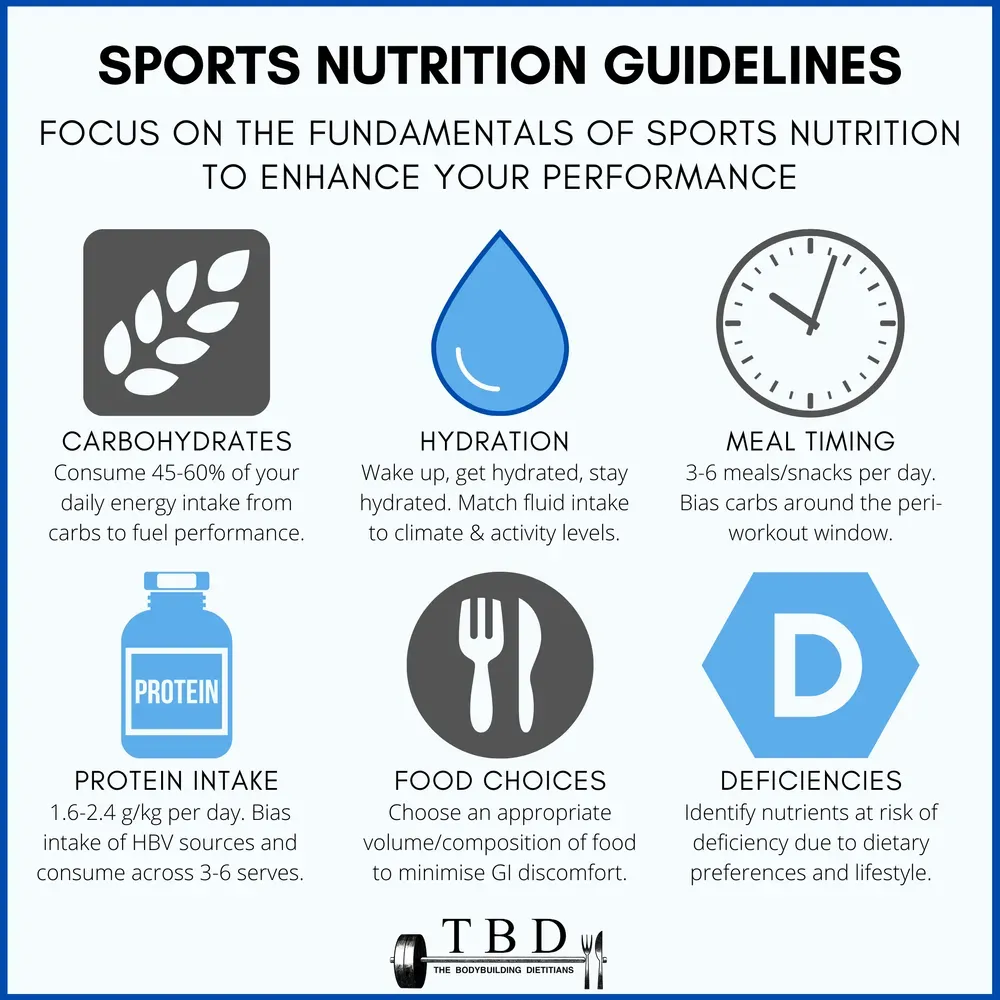
In the realm of athletics, sport nutrition is a cornerstone for achieving peak performance. Whether you’re aspiring for a personal best or competing at the highest levels, understanding the intricate balance of nutrition for athletes can dramatically elevate your game. From identifying the best food for peak performance to mastering hydration tips for athletes, a well-structured approach to your diet is essential. Carbohydrates for athletes serve as a primary fuel source, while protein sources for athletes are critical for recovery and muscle repair. This guide will explore how you can optimize your nutrition strategy, focusing on meal timing for athletes and the importance of fueling your body effectively.
Athletic dietary strategies revolve around the concept of nutritional science tailored for sports performance. This domain takes into account the essentials of fueling your body with the right blend of nutrients to enhance endurance, agility, and recovery. Key components include understanding macronutrients like carbohydrates and proteins, as well as hydration tactics crucial for athletes during training and competition. Additionally, meal timing is a vital consideration, as it can influence energy levels and overall performance outcomes. By adopting a holistic nutrition plan, athletes can not only improve their competitions but also safeguard their health.
The Essentials of Nutrition for Athletes
Nutrition for athletes is paramount when striving for peak performance in any sport. Athletes require a balanced intake of macronutrients and micronutrients to support their training and competition demands. From carbohydrates fueling intense workouts to proteins aiding recovery, every nutrient plays an integral role in optimizing athletic performance. To achieve success, athletes must not only consume enough calories but also pay attention to the quality of the foods they eat.
Understanding which foods contribute to optimal performance is critical. Nutrient-dense foods provide the vitamins and minerals needed for energy production and recovery. Complex carbohydrates from sources like oats and brown rice give sustained energy for long training sessions, while lean proteins from chicken or plant sources help in muscle repair. Through strategic planning and education in nutrition, athletes can enhance their performance and prolong their careers.
Fueling Your Body: The Role of Carbohydrates
Carbohydrates serve as the primary fuel source for athletes, especially during high-intensity exercise. Your body relies on glycogen, a stored form of glucose, to power through demanding workouts. It’s crucial for athletes to prioritize complex carbohydrates such as whole grains, fruits, and vegetables in their diets, making sure to allocate 55-65% of daily caloric intake to carbs. This strategy ensures adequate energy levels are maintained throughout training and competition.
In addition to complex carbohydrates, simple sugars like those found in fruits or sports drinks can provide quick energy boosts when consumed before or during a workout. Timing and type of carbohydrates consumed can significantly influence performance; thus, athletes are encouraged to experiment with their carb intake to identify the most effective sources and timings for their specific activity or sport.
Protein Sources for Athletes: Importance and Timing
Protein is essential for muscle recovery and growth, making it the building block that athletes should prioritize in their nutrition programs. Consuming protein helps repair the micro-tears inflicted upon muscle fibers during exercise. Athletes should aim for a daily intake of 1.2 to 2.0 grams of protein per kilogram of body weight, focusing on high-quality sources such as chicken, fish, eggs, dairy, and various plant-based options like legumes and quinoa.
The timing of protein consumption is just as important as the amount. Consuming protein before and after workouts maximizes muscle repair and synthesis. Including a protein-rich snack, such as a protein smoothie or Greek yogurt with berries, about 30 minutes post-exercise can significantly enhance recovery rates and prepare the body for subsequent training sessions.
Hydration Tips for Athletes: Staying at Peak Performance
Hydration is a crucial aspect of sport nutrition, profoundly influencing an athlete’s physical and mental performance. Dehydration can lead to fatigue, impaired concentration, and even serious health issues. Athletes should make it a priority to drink plenty of water throughout the day, aiming for about half of their body weight in ounces. This ensures they’re starting training or competition in an adequately hydrated state.
For prolonged exercises lasting over an hour, replenishing electrolytes becomes essential. Sports drinks can be beneficial during these times, as they help restore lost minerals and fluids. By prioritizing hydration strategies, athletes can improve their endurance and maintain optimal performance levels, allowing them to excel in their disciplines.
Meal Timing for Athletes: Optimizing Performance
Meal timing is a critical factor in enhancing an athlete’s energy levels, performance, and recovery. Consuming a carbohydrate-rich snack 30 to 60 minutes before a workout can set you up for success, providing the necessary fuel to maximize energy. Options like bananas or toast with jam are easily digestible and effective in preparing your body for strenuous activity.
Post-workout nutrition is just as vital; it is recommended to consume a balanced meal rich in protein and carbohydrates within 30 minutes of exercising. This period is when the muscles are most receptive to nutrients, which aids in recovery. Food options such as a turkey sandwich on whole-grain bread or a protein shake with fruit can help replenish energy stores and facilitate muscle repair.
Endurance Sports: Fueling for Performance
Endurance athletes, such as runners and cyclists, have unique nutritional requirements that cater to their prolonged energy demands. Proper carbohydrate loading before races is essential to maximize glycogen stores; a diet rich in complex carbohydrates leading up to an event helps sustain energy levels. Incorporating a variety of fruits, grains, and legumes can provide the necessary fuel for these long training sessions.
During competitive events, strategic hydration and fuel intake throughout can make significant differences in performance outcomes. Athletes should familiarize themselves with their hydration needs and consider providing quick energy sources, like energy gels or chews, at regular intervals during the race to maintain stamina and high performance.
Strength Sports: A Focus on Protein
In strength sports, nutrition should be meticulously tailored to support the intense muscular demands and recovery processes. Weightlifters, for instance, need to focus on adequate protein intake, especially around workout times. Incorporating protein-rich foods post-exercise, like grilled chicken or a protein shake, aids in muscle synthesis and repair, enabling athletes to enhance strength and power.
Furthermore, maintaining a balanced intake of carbohydrates is essential, as these provide the necessary energy for lifting heavy weights. Consuming meals that combine protein and carbohydrates, such as brown rice with beans or a protein smoothie with fruits, can help optimize performance during strength training and promote overall recovery.
Team Sports: Fueling for Dynamic Performance
Athletes participating in team sports like soccer and basketball face fluctuating energy demands due to intermittent bursts of intense activity. As such, they should consider both carbohydrate and protein intake before games or practices. Preparing a pre-game meal that balances these macronutrients, such as a whole-grain wrap filled with lean protein and vegetables, can provide sustained energy and optimal performance.
Post-game recovery nutrition is equally critical. Consuming a balanced meal or snack that includes both carbohydrates and proteins within 30 minutes of the game aids in muscle recovery and replenishes glycogen stores which are depleted after intense competition. This routine will ensure athletes are ready for the next training session or match.
Supplements: Navigating Nutritional Needs
While a well-balanced diet can meet most athletes’ nutritional needs, some may explore supplements as an adjunct to enhance performance and recovery. Common supplements include protein powders, branched-chain amino acids (BCAAs), and creatine. However, it’s vital to approach supplementation cautiously and consult with healthcare professionals to ensure that these products align with individual health and performance goals.
Supplements should never replace whole foods; instead, they should serve as an addition to a comprehensive sport nutrition strategy. Focusing on nutrient-dense, whole food sources will provide athletes with the best chance of success, leading to improved performance, health, and wellbeing.
Frequently Asked Questions
What is sport nutrition and why is it important for athletes?
Sport nutrition involves fueling your body with the right nutrients at the right times to maximize athletic performance and recovery. It is essential for athletes as it supports energy levels, enhances endurance, and aids in muscle recovery.
How do carbohydrates benefit athletes during training?
Carbohydrates are the primary fuel source for athletes, providing the energy needed for high-intensity workouts. Consuming adequate complex carbs can maintain energy levels during prolonged exercises, making them a critical component of sport nutrition.
What are the best protein sources for athletes looking to improve recovery?
Athletes should focus on lean protein sources such as chicken, fish, eggs, and plant-based options like legumes and quinoa. Incorporating these proteins into post-workout meals enhances muscle recovery and supports overall training goals.
What hydration tips should athletes follow for optimal performance?
Athletes should aim to drink enough water throughout the day, approximately half their body weight in ounces. During intense training sessions lasting over an hour, electrolyte drinks can help replenish lost minerals and maintain performance.
How does meal timing affect an athlete’s performance?
Meal timing is crucial in sport nutrition; consuming carbohydrates 30-60 minutes before a workout maximizes energy levels. Additionally, eating a protein-rich meal within 30 minutes post-exercise helps in recovery and muscle repair.
What role do fats play in sport nutrition for athletes?
Healthy fats are vital in sport nutrition, providing a concentrated energy source and aiding in the absorption of fat-soluble vitamins. Athletes should include unsaturated fats, aiming to make fats 20-35% of their daily caloric intake.
How can athletes effectively use protein for muscle recovery?
Athletes should aim for 1.2 to 2.0 grams of protein per kilogram of body weight, focusing on intake before and after workouts. This approach facilitates muscle repair and enhances recovery after intense training.
What are some good food choices for peak performance during competition?
Foods like bananas, energy bars, and whole grain toast are excellent pre-competition snacks due to their carbohydrate content. Post-competition meals should include protein-rich foods like smoothies or turkey sandwiches to support recovery.
Do athletes need supplements to meet their nutritional needs?
Most athletes can meet their nutritional needs through a well-balanced diet. However, some may consider supplements like protein powders or BCAAs if they struggle to obtain sufficient nutrients, though consulting a healthcare professional is advised.
What specific nutrition strategies should endurance athletes follow?
Endurance athletes should focus on carbohydrate loading before events to maximize glycogen stores. Consistent, balanced meals with a high carbohydrate percentage help sustain energy levels during long-distance activities.
| Key Aspect | Importance | Sources | Guidelines |
|---|---|---|---|
| Carbohydrates | Primary energy source for athletes | Whole grains, fruits, vegetables | 55-65% of daily caloric intake. |
| Proteins | Essential for muscle recovery and growth | Chicken, fish, eggs, legumes | 1.2 to 2.0 g per kg of body weight. |
| Fats | Concentrated energy source and vitamin absorption | Avocados, nuts, seeds, olive oil | 20-35% of daily caloric intake. |
| Hydration | Prevents fatigue and supports performance | Water, electrolyte drinks | Half your body weight in ounces of water daily. |
| Meal Timing | Affects energy levels and recovery | Carbohydrate-rich snacks, meals high in protein post workout | Pre-workout 30-60 min before and post-workout within 30 min. |
Summary
Sport nutrition is essential for athletes to achieve peak performance and overall health. By grasping the significance of carbohydrates, proteins, fats, hydration, and meal timing, athletes can effectively fuel their bodies for training and competition. Informed dietary choices not only enhance performance but also support long-term health and recovery. Athletes should prioritize their nutrition as a key component of their training regimen to maximize their potential and enjoy success in their sport.

