Listen to this article
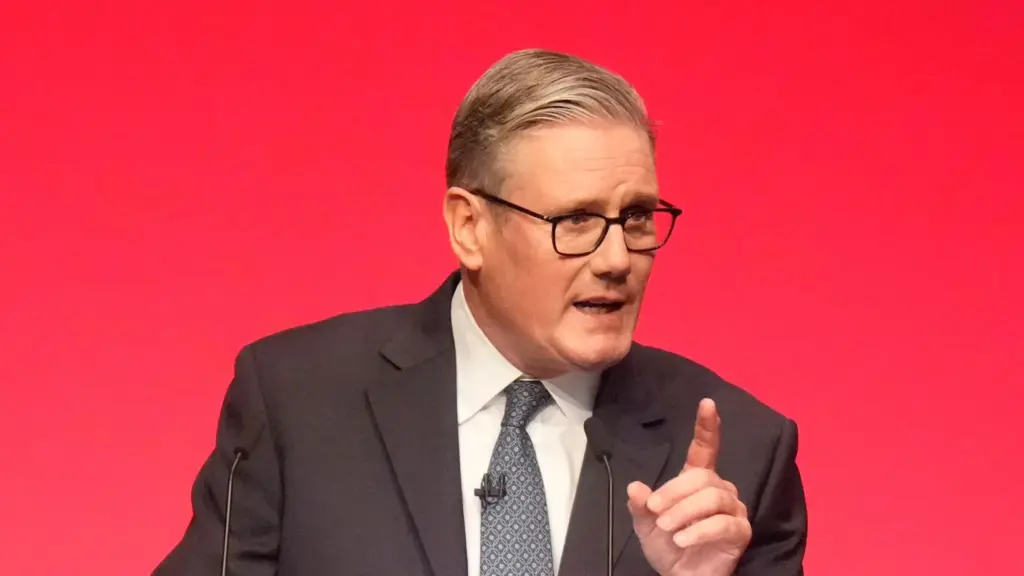
Sir Keir Starmer, the current leader of the Labour Party, finds himself navigating one of the most turbulent leadership terrains in recent history. With whispers of a potential Starmer downfall growing louder amid a wave of Labour Party challenges, many are contemplating the implications of his leadership. Political predictions suggest that the upcoming UK elections in 2024 will serve as a pivotal moment for Starmer, with critical by-elections and local votes on the horizon. As members of his own party question his leadership, Sir Keir faces an uphill battle to maintain his position in the face of increasing pressure. With the stakes so high, every decision he makes could mark the difference between his political survival or an imminent crisis of leadership.
The current situation surrounding Sir Keir Starmer serves as a critical juncture for the British political landscape. As the Labour Party grapples with its internal issues, mounting difficulties could lead to a serious leadership crisis that many in Westminster have witnessed before. The looming prospects of the next general elections raise significant concerns about the party’s viability and electoral prospects. Questions about potential successors combine with fears of a leadership vacuum if Starmer were to fall, leaving many speculating on what’s next for the Labour Party. As tensions within the party simmer, the roadmap to a successful leadership transition grows increasingly complex, offering insightful glimpses into the future of UK politics.
The Current Landscape of Labour Party Challenges
The Labour Party is currently navigating a turbulent political landscape, marked by increasing scrutiny over leadership decisions and electoral performances. The recent challenges facing Sir Keir Starmer’s leadership, often referred to as a ‘crisis’, highlight the delicate balance between party unity and the pressure to perform on the electoral stage. Party officials and MPs express concern over the potential ramifications of poor performance in upcoming elections, especially in the looming 2024 UK elections where historical precedents suggest significant voter shifts could occur.
Moreover, these Labour party challenges are not occurring in isolation. They reflect broader national sentiments where voters are increasingly disillusioned with traditional party politics. The turbulence within Labour could be symptomatic of a larger trend, indicative of a party grappling with its identity and strategic direction. As the party prepares for pivotal by-elections and local elections, it is essential for Sir Keir to address these challenges head-on to restore faith among the constituents and party loyalists.
Sir Keir Starmer’s Leadership Under Fire
Sir Keir Starmer’s leadership has come under unprecedented scrutiny over the past weeks, with whispers of a potential downfall gaining traction among Labour ranks. The appointment of controversial figures, such as Peter Mandelson, has raised ethical questions that could potentially backfire during critical moments in governance. Amidst these controversies, Sir Keir faces mounting pressure from his own MPs to decisively tackle the sentiments of dissatisfaction bubbling within the party ranks, especially as the party’s popularity appears to be waning in public opinion polls.
Starmer’s predicament reflects a broader pattern of political predictions outlining a concerning trend for Labour as they gear up for elections. With key turning points on the horizon, including upcoming by-elections and local council elections, the prime minister’s ability to maintain his leadership will be tested like never before. If the Labour Party fails to galvanize support or improve its standing, many analysts fear that these developments could solidify the arguments for Starmer’s leadership crisis and potentially precipitate his downfall.
Implications of Upcoming Elections on Starmer’s Fate
The upcoming elections in May, including those in Scotland, Wales, and English councils, are poised to have significant implications for Sir Keir Starmer’s leadership. Particularly in Wales, where Labour risks losing power for the first time since devolution, the ramifications could echo through Westminster. Any signs of electoral incompetence would not only tarnish Starmer’s credibility but also put countless seats at risk as Labour’s potential losses become glaringly apparent to both party members and voters alike.
As Westminster braces for what could be a seismic shift in political power, the stakes for Labour are monumental. If Starmer continues to lead the party during potential electoral defeats, the internal party dynamics may shift irreparably, with calls for leadership challenges becoming more pronounced. In addition, Labour MPs may fear that cascading failures at the ballot box could be detrimental heading into the 2024 UK elections, amplifying concerns about an effective opposition to incumbent parties if Labour does not succeed in revitalizing its platform.
Navigating the Labour Leadership Vacuum
Should the pressure culminate in a leadership challenge, Labour faces the daunting task of identifying a suitable successor to Sir Keir Starmer. Currently, the party lacks a clear leader who can rally the fractured factions within Labour—a reality that could spark more uncertainty during an already chaotic time. The potential candidates, ranging from Angela Rayner to Ed Miliband, each come with their own sets of challenges, highlighting the complexities of choosing leadership aligned with party members’ varied ideologies.
The perceived absence of a strong successor deepens the anxiety among Labour supporters, as many remain unconvinced that a transition in leadership would remedy the party’s electoral struggles. Figures associated closely with past leadership controversies, like Peter Mandelson’s connections, only add to the ambiguity surrounding the party’s future. As Labour MPs navigate the fallout from Starmer’s leadership, the lack of a unified front may further complicate their chances in the upcoming elections.
The Role of Confidence Votes in Labour’s Leadership Dynamics
In moments of unrest, the concept of a confidence vote often arises as a potential pathway to challenge leadership within Labour. However, the practical execution of such a move presents significant complications. Labour MPs must unite behind a common cause, and the risks associated with calling a confidence vote against Starmer could deter even the most disgruntled members. The specter of a destabilizing leadership contest may loom large, especially if the party’s electoral prospects are diminishing.
While the idea of a coordinated message from influential Labour figures could theoretically prompt a reconsideration of Starmer’s leadership, the party’s intrinsic divisions could render such efforts ineffective. The delicate landscape of political allegiances within Labour necessitates a strategic approach, as even the most vocal factions are wary of the uncertain outcomes a leadership contest could produce—particularly in the run-up to elections, when stability could mean the difference between regaining power or enduring further electoral decline.
Starmer’s Relationship with the Party’s Left Factions
Sir Keir Starmer’s leadership additionally finds itself at the intersection of clashes with left-faction groups within the party. These groups have often marginalized voices calling for progressive policies, which has amplified tensions and divided supporters. Any missteps in addressing these grievances—especially as speculation grows about his future—could galvanize a movement that questions the mainstream direction Starmer has taken. For a party that has historically prided itself on having a diverse membership, the challenge is striking a balance that appeases the various ideological segments.
The apprehension surrounding a potential shift in leadership could galvanize party members who are eager to reclaim a left-leaning profile, especially in light of Starmer’s centrist tendencies. Should Starmer’s control weaken further, there is a risk of a grassroots revolt emerging, pushing for candidates who represent the more progressive credentials of Labour—an outcome that could exacerbate the already tense relations within the party. As the political landscape evolves, how Starmer engages with left factions may define both his leadership’s longevity and Labour’s broader electoral success.
Public Perception and Media Scrutiny
The role of media in shaping public perception of Sir Keir Starmer cannot be understated, especially in light of the recent crises facing his leadership. Constantly being scrutinized has several ramifications, as negative stories gain traction through the press, resonating with voters who may already harbor doubts about party efficacy. The combination of rising dissatisfaction among constituents and persistent media narratives could create a perfect storm for Labour as it heads into an election cycle where every story could potentially sway undecided voters.
Moreover, as Starmer battles against an increasingly hostile media landscape, consistent framing of leadership challenges can create a perception of instability that negatively impacts public support. By addressing media narratives head-on and ensuring transparency, Starmer has the opportunity to reshape his image. However, failure to effectively manage these challenges could catalyze support for his downfall, as public sentiment increasingly reflects the frustrations brewing beneath the surface among hard-working constituents looking for surety in their political representations.
International Factors Impacting Labour’s Prospects
As the Labour Party contends with domestic challenges under Sir Keir Starmer, international factors also loom large, shaping the political context in which they operate. Global events such as geopolitical tensions, including the war in Ukraine and shifting relations between global powers, interject complexities into the national discourse. The Labour Party’s ability to respond to crises worldwide is shaping perceptions of effectiveness that directly impact voter sentiments ahead of the crucial 2024 elections.
In an environment where international events weigh heavily on public concerns, Labour may find it increasingly challenging to portray a message of resilience under Starmer’s leadership. Detractors could argue that focusing on internal party politics neglects the broader issues at stake, weakening Labour’s position as an opposition party capable of governing effectively. Consequently, the challenges facing Starmer might reverberate beyond party lines, intertwining with wider sentiments about security, diplomacy, and responsive governance amid unprecedented global pressures.
Potential Strategies to Save Starmer’s Leadership
Despite the tumultuous week Sir Keir Starmer is experiencing, there remain strategic pathways through which his leadership might be salvaged. By focusing on issue-based politics, re-engaging with grassroots members, and steering clear of past controversies, Starmer has a chance to strengthen his position. Constructive outreach to MPs expressing dissatisfaction could also mend fractures and bolster party unity as they prepare for the upcoming electoral battles. Should he succeed in listening to varied voices within Labour, he might deflect the narrative surrounding a leadership crisis and find common ground.
In addition, articulating a clear and cohesive vision for Labour that resonates with voters will be critical in mitigating concerns about Starmer’s leadership viability. Engaging directly with constituents and demonstrating a responsiveness to real-world issues can help reaffirm his commitment to the party’s values. Developing an agenda that transcends internal party politics and aligns with public priorities could radically reshape his leadership narrative, paving the way for a revitalized relationship with the electorate just in time for the pivotal 2024 elections.
Frequently Asked Questions
What are the potential challenges Sir Keir Starmer faces as the Labour Party leader?
Sir Keir Starmer faces several challenges as the leader of the Labour Party, particularly in light of the upcoming UK elections 2024. Key issues include the potential fallout from the Mandelson documents, the risks associated with upcoming by-elections, and the May elections which could signal a significant loss for Labour in Wales and England. These factors could exacerbate the leadership crisis that has dogged Starmer for months.
How might the Mandelson documents impact Sir Keir Starmer’s leadership?
The publication of the Mandelson documents has the potential to severely undermine Sir Keir Starmer’s leadership. If the documents reveal damaging information or confirm allegations regarding Peter Mandelson’s past connections, it could further fuel the ongoing leadership crisis and calls for Starmer’s resignation from Labour MPs concerned about the party’s future.
What does the future hold for Sir Keir Starmer amid Labour’s electoral challenges?
As Sir Keir Starmer navigates through looming electoral challenges, including critical local council elections in May and the Gorton and Denton by-election, predictions about his future as Labour leader remain uncertain. If the results reflect a significant decline in support for Labour, it could trigger discussions about his position and potential leadership change, marking a pivotal moment for Starmer amid ongoing political predictions.
What are the key dates that could determine Sir Keir Starmer’s political fate?
Key dates that could significantly impact Sir Keir Starmer’s leadership include the by-election on February 26 and the elections on May 7 in Scotland, Wales, and English councils. Results from these elections may serve as a barometer for Starmer’s effectiveness as Labour leader and could either solidify his position or hasten calls for his downfall.
Who are the possible successors to Sir Keir Starmer if he is ousted?
If Sir Keir Starmer were to be removed from leadership amid the Labour party challenges, several potential successors have been discussed. These include Wes Streeting, Angela Rayner, John Healey, and Ed Miliband, among others. However, each candidate faces their own challenges, and the lack of a clear successor complicates the situation for Labour MPs contemplating leadership change.
How could internal party dynamics affect Sir Keir Starmer’s position during the upcoming elections?
Internal party dynamics could significantly affect Sir Keir Starmer’s position as Labour approaches the upcoming elections. Tensions within the party, highlighted by divisions between the centrist and left factions, may impact how MPs respond to electoral outcomes. If Starmer’s leadership is perceived as weakening, it could prompt differing interests among party members about potential replacements and strategies moving forward.
What implications does the political climate have on Sir Keir Starmer’s leadership decisions?
The current political climate, including international issues like the war in Ukraine and domestic challenges, creates a high-stakes environment for Sir Keir Starmer’s leadership. Labour MPs may hesitate to initiate a leadership crisis while these significant events unfold, complicating decision-making for his potential ousting amid concerns for the party’s stability and future electoral viability.
How is Sir Keir Starmer perceived by Labour MPs in light of recent controversies?
Recent controversies surrounding Sir Keir Starmer have led to increasing unease among Labour MPs regarding his leadership. Many feel that his position is undermined by the ongoing Mandelson document saga and anticipated electoral losses, creating a persuasive argument that his downfall could become inevitable if circumstances do not improve in the near future.
What role do the upcoming UK elections in 2024 play in Sir Keir Starmer’s leadership stability?
The upcoming UK elections in 2024 play a critical role in determining Sir Keir Starmer’s leadership stability. A poor showing for Labour in these elections could solidify perceptions of his inadequacy as a leader, potentially prompting calls for a change in leadership to rejuvenate party prospects heading into future contests.
Can Sir Keir Starmer survive the current leadership crisis within the Labour Party?
Sir Keir Starmer’s survival amid the current leadership crisis hinges on several factors, including his ability to navigate upcoming elections successfully and address the challenges presented by the Mandelson documents. While Labour MPs express growing dissatisfaction, the absence of a strong alternative candidate may afford Starmer some breathing room, but his position remains precarious.
| Key Points | Description |
|---|---|
| The Mandelson Documents | Potential revelations regarding Peter Mandelson’s appointment as ambassador could threaten Starmer’s position. |
| 26 February Gorton and Denton by-election | Labour risks a poor result, possibly finishing third, which could indicate declining support. |
| 7 May Elections | Expectations of losses in Wales and Scotland, as well as local councils, may severely impact Starmer’s support. |
| Leadership Removal Mechanisms | Current mechanisms for removing Starmer face significant hurdles, with no clear successor in sight. |
Summary
Sir Keir Starmer faces significant challenges ahead that could threaten his leadership. As the political landscape shifts and elections loom, the potential for crises linked to the Mandelson documents and significant electoral losses could destabilize his position. Furthermore, with unclear pathways for leadership challenges and no prominent successors, Starmer’s ability to maintain his position remains precarious. Understanding these dynamics is crucial for assessing the future of Labour under his leadership.