
Listen to this article
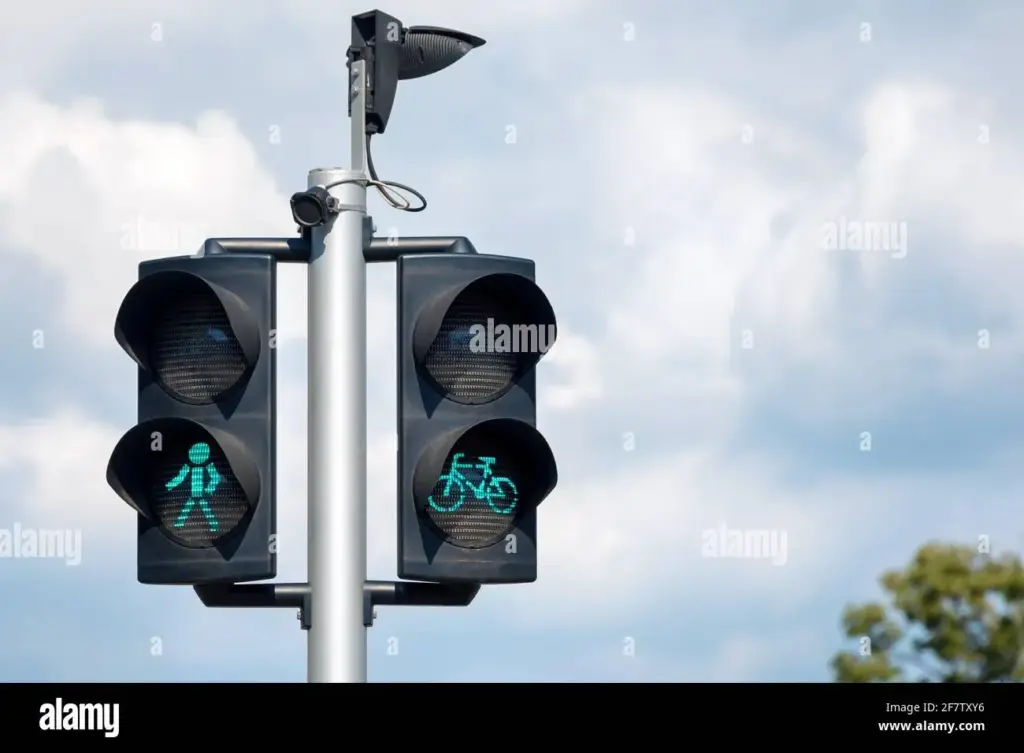
Cyclists’ priority at traffic lights is a pressing issue that can greatly enhance cycling safety and promote bike commuting in urban areas like London. Imagine a traffic light system designed to automatically shift to green for cyclists, allowing for smoother intersections and reducing the anxiety many riders feel in heavy traffic. Hal Stevenson, a leader in the cycling sector, argues that prioritizing cyclists at traffic signals would not only speed up their journeys but could also positively change rider behavior. By adopting smart traffic signals that recognize and accommodate cyclists, cities can actively encourage more individuals to embrace cycling as a viable form of transportation. The integration of such systems would be a monumental step in ensuring that cycling remains a safe and efficient mode of travel in busy metropolitan environments.
The importance of giving cyclists precedence at traffic signals cannot be understated, especially as cycling becomes increasingly popular in urban settings. By implementing dedicated traffic control measures that benefit bike riders, cities can enhance the overall cycling experience and improve road safety. This approach not only aligns with modern traffic management trends but also encourages the growth of biking as a sustainable commuting option. As more municipalities strive to become bicycle-friendly, prioritizing cyclists at stoplights signifies a commitment to fostering a safe and accessible environment for all road users. Investing in such infrastructure will undoubtedly yield long-term benefits for both individuals and the larger community.
The Case for Cyclists’ Priority at Traffic Lights
The proposal to give cyclists priority at traffic lights is gaining traction in London, backed by the e-bike hire company Lime. This prioritization could transform the current traffic light system, which is primarily designed for motor vehicles. By adjusting signal timings, cyclists would receive green lights automatically, allowing them to traverse the city more efficiently. This adjustment not only enhances cycling safety but also contributes to a more efficient urban transport network, wherein cycling is recognized as a vital mode of commuting, especially in the densely populated areas of London.
According to Hal Stevenson, policy director for Lime, implementing a traffic light system that prioritizes cyclists aligns with global best practices observed in cities like Copenhagen and Amsterdam. These cities have successfully adopted ‘green wave’ technology that enables cyclists to enjoy a seemingly uninterrupted journey by synchronizing traffic lights. Such changes could lead to fewer instances of cyclists ignoring red lights, supporting safer riding conditions and fostering a culture where cycling is more appealing to city dwellers.
Enhancing Cycling Safety with Smart Traffic Signals
The integration of smart traffic signals significantly enhances cycling safety. These systems aim to adapt to real-time traffic conditions, focusing on achieving higher efficiency for all road users, including cyclists. By employing advanced sensor technology, smart traffic signals can prioritize cyclists at intersections, thereby reducing the time they spend in potentially hazardous situations. This technology not only facilitates smoother traffic flow but also empowers cyclists as stakeholders in urban mobility while encouraging more individuals to use bicycles for their daily commutes.
Transport for London (TfL) is advancing towards creating an intelligent adaptive traffic signal system that optimizes green light durations based on current traffic scenarios. By incorporating cyclists into the traffic light management system, there’s a better chance of reducing conflicts between cyclists and motor vehicles. This strategic shift is crucial in a city where cycling rates are on the rise; it places cyclist safety at the forefront of traffic management, creating a safer and more balanced exploration of London’s infrastructure.
The Importance of Cycling in Urban Mobility
Cycling is increasingly recognized as a dominant form of transportation in urban areas like London. Recent statistics reveal that cycling can account for up to one in five trips in central London, with peak cycle traffic even surpassing that of cars. Given this growing trend, city planners and transport authorities are reevaluating how cycling integrates into broader transportation frameworks. By improving cycling networks and prioritizing cyclists at traffic signals, urban mobility becomes more sustainable, reducing reliance on motor vehicles and contributing to lower carbon emissions.
Moreover, with developments like the expansion of London’s cycling network from 55 miles to over 267 miles by 2025, it is essential for the infrastructure to support the increased number of cyclists. As more Londoners perceive cycling as a viable and convenient transport option, the role of traffic management systems like smart signals becomes crucial in maintaining the safety and fluidity of the traffic dynamics. Prioritizing cyclists ensures that cities remain livable and reduces congestion, offering a promising pathway towards cleaner urban environments.
Encouraging Bike Commuting with Efficient Traffic Systems
The push for an efficient cycling infrastructure in London is also reflected in its growing widespread acceptance of bike commuting. To bolster this shift, cities must embrace modern traffic management systems that accommodate cyclists’ needs. An automatic green signal for cyclists at intersections could dramatically reduce wait times and improve overall commuting efficiency, making cycling a more attractive option for daily travel. The use of smart traffic signals is pivotal in supporting this objective and can significantly ease the transition for those who may be hesitant to cycle to work or for leisure.
Furthermore, effective traffic signal systems can lead to higher compliance among cyclists with traffic regulations. When signals are designed to favor cyclists, it promotes responsible riding as cyclists experience smooth transitions through intersections without the need to stop frequently. Such a system not only enhances the safety of cyclists but also improves the overall perception and acceptance of cycling as a legitimate mode of transport among the broader commuting public.
Learning from Successful Cycling Cities
Examining other successful cycling cities, such as those in Denmark and the Netherlands, reveals valuable insights into enhancing urban cycling infrastructure. Cities like Copenhagen have mastered the art of traffic synchronization, employing technology that supports uninterrupted cycling pathways. These insights compel London to consider similar implementations, leveraging technology to create a more cyclist-friendly environment. The successful initiatives abroad serve as innovative models for London to potentially transform its cycling practices, lending credence to the call for prioritizing cyclists at traffic lights.
Moreover, these successful models not only highlight the effectiveness of dedicated cycling infrastructure but also showcase the positive impacts of prioritizing cyclists within urban governance. Adopting policies that reflect these practices encourages an increase in cycling rates, promotes healthier lifestyles, and nurtures a culture of safety and respect on the roads. London’s commitment to expand its cycling network aligns with the goals of modern urban transport, where cycling is positioned as a cornerstone of sustainable city living.
The Challenges Ahead for Cyclists in London
Despite the optimistic shift towards prioritizing cyclists, challenges remain prevalent in London’s cycling infrastructure. Adapting traffic systems to prioritize cyclists necessitates overcoming significant resistance from various stakeholders, including those accustomed to car-centric policies. Critics of cyclist-friendly traffic systems often cite concerns about congestion and safety, arguing that focusing on cyclists might exacerbate traffic delays for motorists. Nonetheless, it remains essential for city planners to balance these concerns while prioritizing the needs of an increasingly mobile population that values sustainable transport options.
Additionally, policymakers must address the public perception of cycling within city limits, which often leads to fears of accidents and conflicts with car traffic. Engaging in awareness campaigns that promote the benefits of cycling, alongside investments in infrastructure, can help mitigate these concerns. The voices of cycling advocates will play a significant role in shaping public opinion and policies that prioritize cyclists, pushing for changes that not only improve safety but also position London as a leader in sustainable urban mobility.
Strategic Investments in Cycling Infrastructure
Investments in cycling infrastructure should be part of a broader strategy to enhance urban mobility in London. As cycling becomes an increasingly prevalent way of navigating the city, it is critical that investments target not only the creation of new cycle lanes but also the enhancement of existing traffic light systems. Providing cyclists with dedicated signals and prioritizing their passage at intersections will significantly improve the commuting experience, making it faster and safer. This proactive approach will support London’s goal of promoting cycling as a fundamental aspect of urban mobility.
Moreover, by embracing the concept of smart traffic signals along with dedicated cycling lanes, London can improve the appeal of bike commuting. These systems can be tailored to recognize the unique travel patterns of cyclists, thereby improving overall traffic flow. As more people choose cycling as a healthy and eco-friendly transport option, these strategic investments will foster a more dynamic urban environment, leading to increased cycling participation and reduced vehicular congestion.
The Role of Public Transport in Supporting Cycling
While prioritizing cyclists at traffic lights is essential, integrating cycling with public transport systems is equally valuable. By developing a cohesive urban transport strategy that combines cycling and public transport, London can enhance accessibility and connectivity for all commuters. This approach encourages cyclists to combine their journeys with bus or train travel, ultimately creating a more integrated transport network. Thus, investing in cycling infrastructure must happen parallel to developing public transit options that complement cycling, ensuring safe parking and bike storage facilities at transit hubs.
The interdependence of cycling and public transport presents an opportunity for reducing traffic congestion and improving air quality. As London moves towards more extensive cycling networks, facilitating easy transitions between bicycles and public transport will be crucial. When cyclists can rely on efficient bus systems or trains, their journeys become smoother, making cycling more attractive. Supporting both cyclists and public transport ensures that commuting in London is not only safe and efficient but also responsive to the changing demands of urban travelers.
Advancing Towards Sustainable Urban Mobility
In the dialogue surrounding sustainable urban mobility, advocating for cyclist prioritization at traffic signals is a crucial component. As cities like London aim to become greener and more livable, policies that make cycling a priority will contribute positively to achieving these goals. Cyclists represent a growing segment of urban commuters, and recognizing their needs through traffic systems can facilitate significant positive changes in urban travel behavior. Prioritizing cyclists aligns with sustainability objectives and cultivates a culture that values diverse transportation modes.
As London embraces its role as a leader in sustainable urban development, the need for an inclusive cycling framework becomes increasingly critical. Collaborative efforts among policymakers, transportation authorities, and cycling advocates can ensure that London’s cycling infrastructure evolves to meet the needs of its citizens. A traffic light system that allows cyclists to maintain a steady flow not only enhances safety but also encourages more residents to choose biking over driving, effectively contributing to the city’s vision of a cleaner, greener future.
Frequently Asked Questions
How can cyclists get priority at traffic lights in London?
Cyclists can gain priority at traffic lights in London through the implementation of smart traffic signals designed to recognize approaching cyclists. These systems can change light sequences to give cyclists the green light, enhancing safety and encouraging bike commuting.
What are smart traffic signals and how do they impact cycling safety?
Smart traffic signals are advanced systems that adjust the timing of traffic lights based on traffic conditions. These signals can prioritize cyclists, providing them with better journey efficiency and improved cycling safety by minimizing wait times at traffic signals. This innovation aims to foster a more bike-friendly environment.
What impact would prioritizing cyclists at traffic signals have on London cycling?
Prioritizing cyclists at traffic signals in London would likely boost cycling rates by making bike commuting quicker and safer. Reducing waiting times at traffic lights can encourage more people to choose cycling as a preferred mode of transport, ultimately leading to decreased congestion and improved air quality.
How do traffic light systems currently affect cyclists in London?
Currently, traffic light systems in London often set signal timings based on motor traffic speeds, which can lead to long wait times for cyclists. This inconsistency creates a disjointed cycling experience, with many cyclists facing frequent stops that can hinder their travel efficiency.
What is the potential of ‘green wave’ technology for cyclists?
Green wave technology, utilized in cities like Copenhagen and Amsterdam, coordinates traffic lights to allow a series of green signals for cyclists traveling at a safe, consistent speed. This system can significantly improve journey times for cyclists while promoting safer riding behavior.
Are there any plans to expand priority traffic signals for cyclists in London?
Yes, there are proposals to expand priority traffic signals for cyclists in London, similar to systems already in place for buses. Transport for London (TfL) aims to consider the needs of cyclists further while updating traffic signal management, potentially integrating technology to enhance cycling safety.
What are the benefits of improved traffic signal systems for cyclists?
Improved traffic signal systems for cyclists can lead to better cycling safety, faster commutes, and a lower incidence of cyclists disregarding red lights. By encouraging proper signal adherence through efficient light management, the overall cycling experience in London can be drastically enhanced.
| Point | Details |
|---|---|
| Call for Cyclist Priority | Lime’s policy director, Hal Stevenson, advocates for traffic lights that prioritize cyclists in London. |
| Benefits of Cyclist Priority | Improved safety and encouragement for more people to bike in the city. |
| Current Situation | Transport for London is currently prioritizing buses, but is considering cyclist needs as well. |
| Examples from Other Cities | Cities like Copenhagen and Amsterdam use systems that prioritize cyclists with coordinated signals. |
| Criticism | Critics claim prioritizing cyclists could exacerbate London’s congestion. |
| Future Plans | TfL is transitioning to smart traffic systems that will better accommodate cyclists and other road users. |
Summary
Cyclists’ priority at traffic lights is an essential topic for the future of urban mobility. Enhancing traffic light systems to prioritize cyclists not only facilitates smoother travel but also promotes safety and increases the appeal of cycling as a viable transportation option in cities like London. As more people choose to cycle over driving, implementing these changes can significantly contribute to reducing congestion and improving overall traffic flow.