
Listen to this article
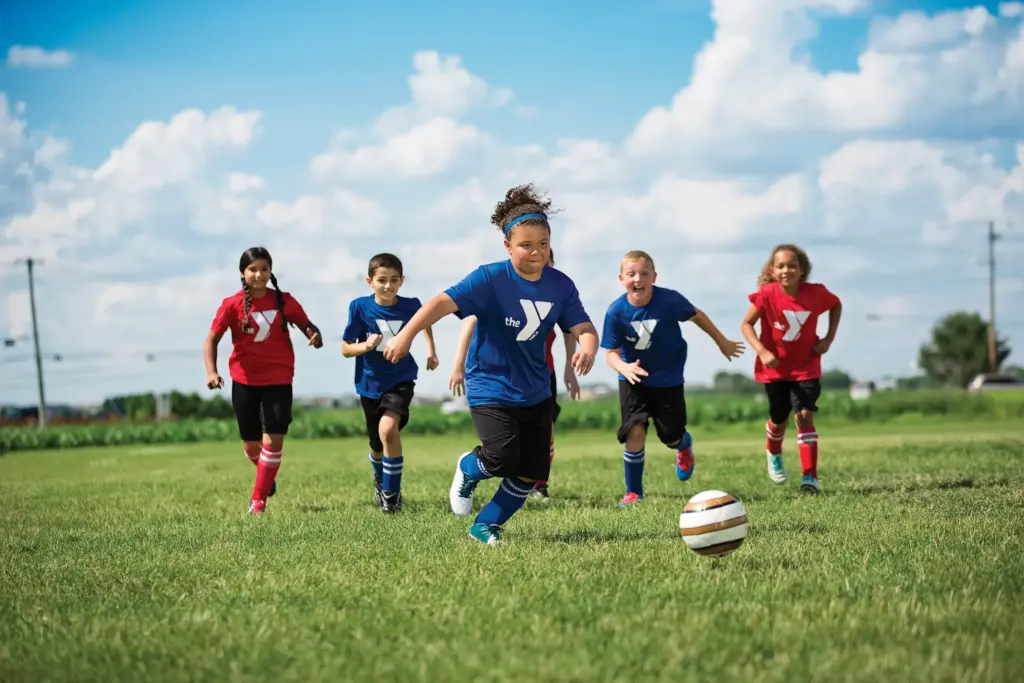
Youth sports have become a cornerstone of childhood development, providing essential opportunities for kids to engage in physical activity while promoting their overall well-being. The importance of youth sports is evident in the numerous benefits of youth athletics, ranging from improved physical health to enhanced social skills and academic performance. By participating in athletics, children can experience the advantages of early participation, which lays the groundwork for lifelong healthy habits. Furthermore, youth athletic programs cultivate resilience, teamwork, and discipline, all of which are vital in navigating life’s challenges. Investing in youth sports not only nurtures a generation of active individuals but also fosters the skills and mindset necessary for future success.
Engaging in athletic endeavors during childhood can significantly reshape a young person’s life. Various forms of youth athletics facilitate early involvement in sports, which is integral in developing critical life skills. Participation in these activities promotes not only physical fitness and health but also critical social interactions and academic success. The role of structured sports programs is crucial in this regard, as they instill important values such as discipline, teamwork, and perseverance. Thus, it is essential that parents and communities recognize and support the positive impacts of athletic involvement for youth development.
The Importance of Early Participation in Youth Sports
Early participation in youth sports is critical for nurturing a child’s development in a variety of ways. Engaging in athletics at a young age fosters a love for physical activities, setting the foundation for a healthy lifestyle. Research indicates that children who start sports early are more likely to continue being active as they grow older, thus reducing obesity rates and related health issues. By introducing children to regular physical activity at a young age, we prepare them for a lifetime of healthy habits, directly combating the sedentary tendencies exacerbated by modern technology.
Moreover, early involvement in youth sports instills essential life skills such as discipline, teamwork, and perseverance. These qualities are not only pivotal in sports but also translate into various life scenarios, including academic and social settings. Children learn to set goals, overcome challenges, and work collaboratively with others, laying the groundwork for future success in their personal and professional lives.
Physical Health Benefits of Youth Athletics
Engaging in youth athletics provides numerous physical health benefits that contribute to children’s overall well-being. Regular participation in sports helps improve cardiovascular health, enhance muscular strength, and promote flexibility, vital components for maintaining a healthy body. As kids run, jump, and play, they not only enjoy these activities but also develop critical motor skills essential for everyday life.
Additionally, youth sports play a pivotal role in combating childhood obesity. Studies show that children actively involved in sports are significantly less likely to face weight issues. This reduction in obesity not only enhances their physical health but also boosts their self-esteem, empowering them to embrace an active lifestyle throughout life.
Psychological Benefits of Youth Sports
Participating in youth sports can significantly enhance a child’s psychological health. Engaging in athletics provides a necessary outlet for stress and a way to foster emotional resilience as children learn to cope with success and failure in a competitive environment. The ability to handle ups and downs on the field translates to a better attitude towards life challenges, teaching children crucial lessons about perseverance and emotional balance.
In addition to stress relief, youth sports promote self-esteem and social development. When children participate in team sports, they cultivate a sense of belonging and bonding with peers, which helps nurture their emotional health. These social interactions often lead to increased confidence, as children receive encouragement from teammates and coaches, illustrating the profound impact of sports on their psychological development.
Social Skills Development through Youth Athletics
Youth sports provide an excellent platform for fostering social skills among children. In team settings, kids learn to communicate effectively, cooperate with others, and appreciate the value of teamwork towards achieving a common goal. These experiences not only enhance their interpersonal skills but also contribute to their ability to function effectively in diverse social situations in later life.
Moreover, friendships formed through athletics often extend beyond the sports field, helping children develop lasting relationships built on trust and shared experiences. By navigating team dynamics and learning to resolve conflicts, young athletes cultivate vital social skills that will serve them well throughout their lives, making sports an effective vehicle for character and social development.
Academic Performance and Youth Sports Connection
The relationship between participation in youth sports and academic performance is well-documented. Children engaged in sports often display enhanced focus, discipline, and better time management skills. Balancing academics with athletic commitments requires a level of responsibility that translates into improved performance in the classroom. Schools that implement youth athletic programs frequently report higher grades and graduation rates among student-athletes.
Additionally, the routines that young athletes develop through sports—a commitment to practice, training, and competition—prepare them for the challenges of academic life. These foundational habits of responsibility and dedication positively impact their school performance, creating a symbiotic relationship between athletics and education that fosters success in both arenas.
Character Building through Youth Sports
Youth sports serve as a training ground for character development, imparting essential values such as integrity, accountability, and respect. As children learn to navigate the challenges of competition, they develop a sense of responsibility toward themselves and their teammates. These experiences cultivate qualities that prepare them for adulthood, where they will need to apply the lessons of hard work and ethical behavior.
Coaches play an integral role in this character-building process by acting as mentors who guide young athletes not only in sports but also in personal growth. By promoting sportsmanship and fair play, coaches instill values that help youth navigate life’s complexities, ensuring they become well-rounded, respectful individuals.
Making Healthier Life Choices through Sports
Participating in youth sports is instrumental in guiding children toward healthier life choices. Engaging with positive role models, including coaches and teammates, fosters an environment that discourages risk-taking behaviors often associated with adolescence. By being part of a structured athletic program, children learn to prioritize their health and well-being over detrimental habits.
Moreover, sports provide a productive alternative to idleness, encouraging children to spend their free time in positive, engaging activities rather than succumbing to negative influences. This capacity to make informed decisions regarding their lifestyle is crucial in shaping their futures, aligning with the goal of reducing instances of substance abuse and promoting overall well-being.
Encouraging Lifelong Activity Through Youth Sports
Early participation in youth sports significantly increases the likelihood of individuals maintaining an active lifestyle into adulthood. By fostering a love for physical fitness from a young age, children are more inclined to seek out sports and active opportunities later in life, creating a cycle of health that can last a lifetime.
Moreover, the benefits of staying active extend beyond physical health. Those who remain involved in sports as adults often report better mental health, increased social engagement, and improved overall quality of life. Ensuring that children receive quality youth athletic programs is crucial in promoting a culture of fitness that will ripple through generations.
The Community Impact of Youth Sports Programs
Youth sports programs have a profound impact on communities, bolstering social cohesion and fostering a sense of belonging among participants. By bringing together children from various backgrounds, these programs cultivate inclusivity and friendship, bridging gaps and building networks of support that extend beyond the playing field.
Additionally, communities that invest in youth sports reap economic benefits through increased participation in local events and activities. Athletic programs often drive attendance at games and fundraisers, stimulating local businesses and promoting community pride. Overall, youth sports serve as a catalyst for community development and unity.
Long-term Benefits of Early Athletic Involvement
The long-term benefits of early athletic involvement are extensive and can significantly influence an individual’s life trajectory. Children who participate in sports are more likely to remain physically active throughout their lives, thus mitigating health issues associated with inactivity, such as obesity and heart disease.
Furthermore, the skills developed through participation in youth sports—leadership, teamwork, and resilience—are invaluable in one’s personal and professional life. The ethos of hard work and commitment learned in these formative years lays a solid foundation for tackling future challenges, enhancing overall life satisfaction and success.
Frequently Asked Questions
What are the importance of youth sports in promoting physical health?
Youth sports play a crucial role in promoting physical health by encouraging regular physical activity, which helps combat obesity, improve cardiovascular health, and enhance overall fitness levels. Children engaged in sports are significantly less likely to be overweight and develop essential motor skills.
How do youth athletic programs contribute to social skills development?
Youth athletic programs foster social skills by providing children with opportunities to work as a team, communicate effectively, and develop leadership abilities. Participation in team sports helps children navigate social dynamics, forming friendships and learning cooperation.
What are the psychological benefits of early participation in sports?
Early participation in youth sports offers several psychological benefits, including stress relief, improved resilience, and better emotional health. Engaging in sports equips children with coping mechanisms for both winning and losing, enhancing their overall mental well-being.
How do youth sports influence academic performance?
Studies indicate that participation in youth sports correlates with improved academic performance. Athletes tend to exhibit better focus, commitment, and responsibility, resulting in higher grades, better attendance, and increased graduation rates.
What long-term benefits do youth athletes experience from sports participation?
Youth athletes often enjoy long-term benefits such as healthy lifestyle choices and continued physical activity into adulthood. Early involvement in sports promotes lifelong wellness and fosters a culture of health-conscious living.
Why are social skills important in youth athletics?
Social skills are vital in youth athletics as they enable children to interact, collaborate, and build supportive networks. Through sports, children learn vital life skills, such as teamwork, communication, and empathy, that serve them well beyond the field.
In what ways do youth sports help in character development?
Youth sports contribute significantly to character development by instilling values like accountability, hard work, and respect. Through sports, children learn perseverance, goal-setting, and sportsmanship, essential qualities for their personal growth.
How do youth athletic programs affect children’s mental health?
Youth athletic programs significantly improve children’s mental health by providing a structured outlet for stress and enhancing self-esteem through teamwork and social connections. This supportive environment fosters emotional well-being.
What is the link between youth sports and reduced risk-taking behaviors?
Engagement in youth sports typically leads to a lower likelihood of risk-taking behaviors, such as substance abuse. Positive role models and structured environments in sports help children make healthier lifestyle choices.
How can parents encourage their children to participate in youth sports?
Parents can encourage youth sports participation by promoting the physical and psychological benefits, enrolling children in local athletic programs, setting a positive example of an active lifestyle, and fostering a supportive environment at home.
| Aspect | Benefits of Youth Sports Participation |
|---|---|
| Physical Health | Promotes cardiovascular health, reduces obesity, improves physical fitness. |
| Psychological Health | Helps develop resilience and discipline, boosts self-esteem and emotional health. |
| Social Skills | Enhances teamwork, communication, and leadership skills through collaboration. |
| Academic Performance | Improves focus, time management, and student performance in school. |
| Character Development | Instills values like teamwork, goal-setting, and perseverance. |
| Healthier Choices | Encourages positive role models, reducing risk-taking behaviors. |
| Lifelong Participation | Promotes a sustained active lifestyle into adulthood. |
Summary
Youth sports provide a wealth of benefits, making early participation crucial for development. The involvement in athletics fosters not only physical health but also enhances psychological and social skills. It contributes positively to academic performance and builds character, guiding children towards healthier lifestyle choices. By investing in youth sports, we are cultivating a generation that values physical activity, teamwork, and personal growth, which ultimately leads to healthier communities and a more active society.

