
Listen to this article
London royal history captivates the imagination, offering a window into the grandeur and intricacies of the British monarchy. From the iconic Buckingham Palace, where the royal family resides, to the historic Tower of London, each landmark tells a tale of power, tradition, and royal events. The majestic Westminster Abbey stands as a witness to centuries of coronations, while Kensington Palace reveals the everyday lives of the royals in a stunning setting. Visitors can also marvel at the exquisite Crown Jewels, a testament to the monarchy’s wealth and history. Discovering these historic landmarks is not just a journey through space but a journey through time, reflecting the enduring legacy of the royals in London.
Delving into the regal narrative of the British throne, one encounters a rich tapestry woven through London’s majestic sites. The city’s landscape is punctuated with palaces and cathedrals that illustrate the evolution of monarchy over centuries. Iconic places such as Kensington Palace and the Tower of London serve as essential stops for those wishing to explore royal heritage. You can witness the ceremonial grandeur within Westminster Abbey, where centuries of royal tradition unfold. As you navigate through these historic locations, you not only experience London’s royal history but also gain insight into the powerful narratives that have shaped Britain.
The Majesty of Buckingham Palace
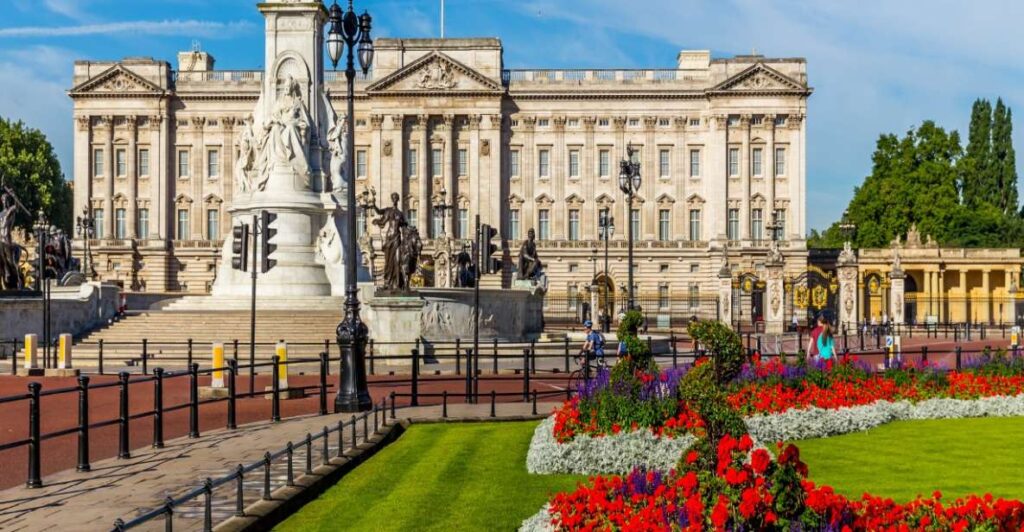
Buckingham Palace stands as the official residence of the British monarch, a site that embodies the ceremonial heart of the monarchy. Visitors are enthralled by the iconic architecture and the rich history encapsulated within its walls. Daily, crowds gather to witness the Changing of the Guard, a vibrant ceremony that showcases the tradition of British regalia, and offers a peek into the royal pageantry that has captivated generations.
Inside Buckingham Palace, the State Rooms reveal a grandeur that rivals any royal residence. Open to visitors during the summer months, these exquisite rooms feature artwork from renowned artists and sumptuous furnishings that narrate tales of luxury and power. The lush gardens surrounding the palace provide a tranquil escape, making it an essential stop on a historic tour of London.
Unveiling the Tower of London
A visit to the Tower of London is essential for anyone looking to understand the rich tapestry of England’s royal history. Initially constructed as a palace, it has served multiple purposes over the centuries, functioning as a fortress, prison, and treasury. The Tower is famously home to the Crown Jewels, a dazzling collection that includes ceremonial regalia symbolizing the sovereignty of the monarchy, which is not only an attraction for tourists but also a significant aspect of Britain’s cultural heritage.
The Tower’s storied past is rife with tales of intrigue, betrayal, and royal scandal. Guided by the Yeoman Warders, visitors can explore the depths of this historic stronghold, learning about its darker chapters, such as the imprisonment and execution of high-profile figures. Each corner of the Tower echoes with the whispers of history, making it a powerful testament to the authority and complexities of the British monarchy.
The Architectural Wonder of Westminster Abbey
Westminster Abbey is more than just a church; it is a monumental symbol of Britain’s monarchy and national identity. As the site of every British coronation since 1066, this magnificent Gothic structure has hosted numerous royal events that have shaped the nation’s history. Its stunning architecture, adorned with intricately crafted stone and stained glass, enchants visitors who step into its hallowed halls.
The Abbey serves not only as a final resting place for numerous royal figures but also as a shrine to some of the country’s most distinguished individuals. Whether it’s viewing the Coronation Chair or paying respects at the tomb of the Unknown Soldier, every visit offers a profound connection to the historical narrative of the British monarchy and its enduring legacy.
Kensington Palace: A Glimpse into Royal Life
Kensington Palace, a quintessential royal residence, offers profound insights into the lives of British monarchs and their families. This historic site has witnessed countless royal stories unfold, from the lives of glamorous queens to modern-day royals. Visitors are invited to wander through the State Apartments, where lavish décor and splendid art provide a glimpse into the opulence that characterized royal existence.
Surrounding the palace, the royal gardens present a picturesque setting for reflection and leisure. Particularly enchanting in spring and summer, the gardens play host to countless visitors and local residents alike. The Sunken Garden, with its colorful blooms, is a perfect spot for guests to bask in the beauty of royal horticulture while contemplating the rich history of those who have called Kensington Palace home.
Understanding the Evolution of the British Monarchy
The evolution of the British monarchy is a complex narrative shaped by monarchy’s numerous transitions and challenges over the centuries. Each monarch has left a unique mark on history, from reformers to authoritative rulers, reflecting the changing face of British governance and society. A trip to historical sites, like the Royal Mews, underscores how royal tradition influences contemporary aspects of the monarchy, making the old traditions relevant in today’s society.
The Royal Mews, where royal carriages are stored and maintained, is a great educational experience for visitors curious about the future of the monarchy. Here one can witness how centuries-old traditions are preserved while also adapting to the modern era, highlighting the monarchy’s resilient spirit as it navigates change while maintaining ties to its illustrious past.
Additional Royal Landmarks in London
While Buckingham Palace and the Tower of London are main attractions for royal history enthusiasts, London boasts a variety of lesser-known landmarks that offer insights into the monarchy’s rich legacy. For instance, Hampton Court Palace, originally home to King Henry VIII, is a majestic retreat filled with stunning gardens and historical significance, making it a breathtaking excursion from central London.
Southwark Cathedral and St. Paul’s Cathedral also hold significance within the royal narrative, with many iconic rituals and events taking place within their solemn walls. These sites present visitors with diverse perspectives on how religion, royalty, and national identity intertwine, enriching the journey through London’s royal history.
Experiencing London’s Royal Events
Immersing oneself in royal events is a deeply rewarding way to experience London’s rich cultural heritage. Events like Trooping the Colour offer a vibrant display of military precision and royal tradition, drawing spectators from around the globe. These extraordinary ceremonies not only celebrate the monarch but also highlight the monarchy’s enduring connection with the British public, reinforcing their relevance in the modern context.
Additionally, the annual State Opening of Parliament is another remarkable event where visitors can witness the ceremonial state procession and the significant address by the monarch. Engaging in these multifaceted events allows guests to witness firsthand the blend of history, pageantry, and national significance that continues to define the British monarchy.
The Rich Tapestry of Royal History
Exploring London’s royal history reveals a vibrant tapestry woven from threads of power, betrayal, celebration, and legacy. Each landmark, whether it be Westminster Abbey or Kensington Palace, narrates compelling stories that invite visitors to delve deeper into the lives of monarchs and influential figures that shaped England’s history. Understanding these narratives enriches the visitor’s experience, fostering an appreciation for how the past shapes the present.
This historic journey through iconic sites showcases not only the grandeur associated with the monarchy but also the complexities and challenges that the royal family has faced throughout the ages. Consequently, a tour of these sites serves as an opportunity to reflect on the past while considering how these stories resonate within contemporary British society.
The Importance of Royal Heritage
Royal heritage is an essential aspect of British identity, steeped in centuries of history that continues to influence modern culture and societal norms. Each monument and royal site tells a story, embodying the values, struggles, and triumphs of the nation. As representatives of continuity and tradition, the royal family symbolizes the historical foundations upon which contemporary Britain is built.
By visiting these royal sites, individuals don’t just explore monuments; they engage with the soul of a nation, understanding the importance of monarchy in shaping British history and identity. Such heritage becomes a source of fascination and pride for both locals and tourists, underscoring the monarchy’s role in the ongoing narrative of the United Kingdom.
Frequently Asked Questions
What is Buckingham Palace’s significance in London royal history?
Buckingham Palace serves as the official residence of the British monarch and is a focal point for royal events in London. Visitors can witness the ceremonial Changing of the Guard and explore the opulent State Rooms during summer months, highlighting its role in the history of the British monarchy.
How does the Tower of London relate to royal history?
The Tower of London is a historic fortress that has served various roles, including a royal palace and prison. It houses the Crown Jewels, representing centuries of British royal history, and offers intriguing tales of royal executions and imprisonments narrated by the Beefeaters.
Why is Westminster Abbey important for the British monarchy?
Westminster Abbey has hosted every British coronation since 1066, making it a cornerstone of royal history. It contains the tombs of many monarchs and notable figures, emphasizing its significance in the ceremonial traditions of the British monarchy.
What can visitors expect to see at Kensington Palace?
Kensington Palace, a residence for British royalty, showcases the lavish State Apartments filled with exquisite art and tapestries. Its gardens, particularly the Sunken Garden, enrich the visitor experience, illustrating the life and times of the royal family.
What role do the Crown Jewels play in London’s royal history?
The Crown Jewels are a stunning collection of royal regalia housed in the Tower of London, symbolizing the grandeur and heritage of the British monarchy. Displaying items used in coronations, they encapsulate centuries of royal tradition and spectacle.
How have royal events shaped London’s history?
Royal events like Trooping the Colour and the State Opening of Parliament not only showcase pageantry but also reflect the ongoing relevance of the monarchy in London. These events are major attractions, drawing visitors and locals alike, and are steeped in the city’s royal history.
What historic landmarks are essential for understanding London’s royal history?
Key historic landmarks include Buckingham Palace, the Tower of London, Westminster Abbey, and Kensington Palace. Each site tells a unique story about the evolution of the British monarchy and offers insights into royal life throughout history.
How has Kensington Palace influenced British royal history?
Kensington Palace has been home to various royals and plays a significant role in the narrative of the British monarchy. Its State Apartments and gardens help visitors understand the relationships and lives of royals, reflecting changes over centuries.
What can tourists learn from a historic tour of London’s royal sites?
A historic tour of London’s royal sites provides insights into the complexities of the British monarchy, including governance, social norms, and the evolution of royal traditions. Each site enriches the understanding of the monarchy’s influence on British history.
Why should visitors attend royal events in London?
Attending royal events in London offers a direct experience of British culture and history, showcasing the monarchy’s ceremonial roles. Events like the State Opening of Parliament bring history to life, making them captivating for both tourists and locals.
| Location | Key Features | Historical Significance | Visitor Experience |
|---|---|---|---|
| Buckingham Palace | Official residence of the monarch, changing of the guard ceremony | Symbol of the British monarchy and national pride | State Rooms open in summer, beautiful gardens |
| Tower of London | Home to the Crown Jewels, fortress and historic prison | Site of many royal executions and history of power struggles | Guided tours by Yeoman Warders, captivating stories of the past |
| Westminster Abbey | Architectural masterpiece, site of British coronations | Final resting place of monarchs and notable figures | Beautiful stained glass and possibility to attend services |
| Kensington Palace | Residence of royals, lavish State Apartments | Insight into royal life and historical figures | Gardens and tranquil surroundings, including the Sunken Garden |
| Royal Mews | Holds royal carriages, learning about royal ceremonies | Demonstrates the evolution of monarchy and traditions | Explore the stunning carriages used in official events |
| Additional Sites (Hampton Court, Southwark Cathedral, St. Paul’s Cathedral) | Varied attractions offering deeper insights into royal history | Reflect different aspects of royalty and significant events | Rich experiences connecting visitors to historical episodes |
Summary
London royal history is a captivating topic that unveils the rich tapestry of the British monarchy through various iconic landmarks and historical sites. From the grandeur of Buckingham Palace to the storied walls of the Tower of London, each location shares a piece of the royal narrative that has shaped the nation. Exploring these sites reveals not only architectural beauty but also deep cultural significance, reflecting centuries of governance, tradition, and intrigue. As you traverse through Westminster Abbey, Kensington Palace, and beyond, one uncovers not just the legacy of individuals but also the enduring impact of royalty in contemporary society. London’s royal history remains a vital thread in the fabric of England, beckoning history enthusiasts and curious travelers alike to delve deeper into its majestic past.