Listen to this article
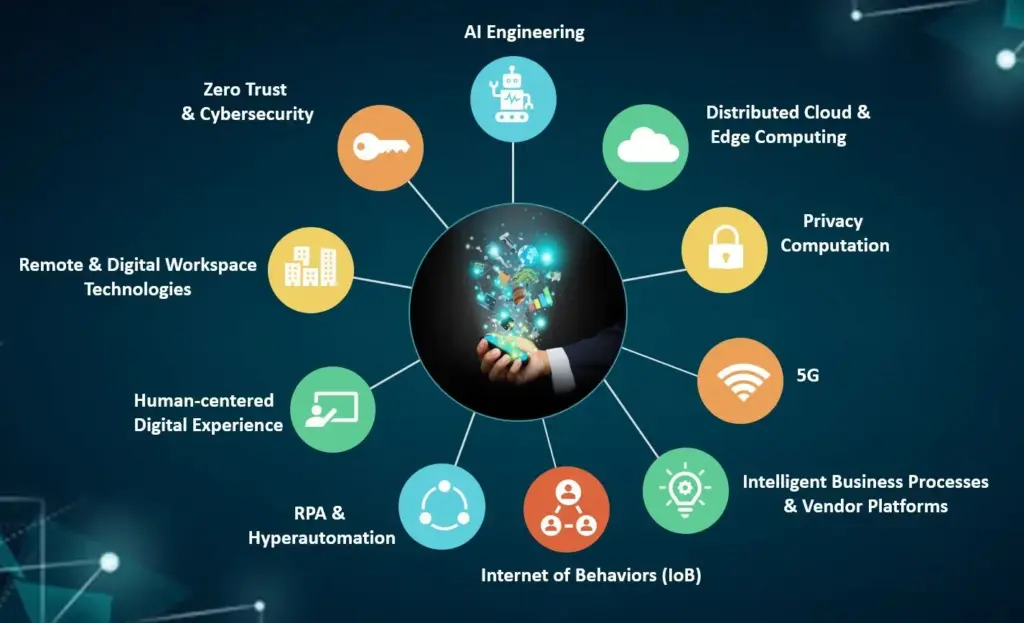
Technology in Modern Business Development has become an indispensable catalyst for growth and efficiency in today’s corporate landscape. As businesses increasingly adopt advanced business technology, they leverage digital transformation strategies to enhance productivity and customer engagement. Automation in business processes has streamlined operations, enabling firms to focus on strategic tasks that drive innovation. Moreover, utilizing data analytics empowers organizations to make informed decisions based on real-time insights, while e-commerce solutions broaden their market reach. In this digital age, ensuring robust cybersecurity in business practices is crucial to protect sensitive information and maintain customer trust.
In the realm of contemporary business evolution, the integration of technological advancements is revolutionizing how organizations operate and thrive. The embrace of innovative tools and solutions facilitates a seamless transition into smarter business practices—ranging from automated workflows to enhanced data insights. This shift not only fosters efficiency but also transforms customer interactions, allowing for more personalized experiences. The importance of robust security measures cannot be overlooked either, as safeguarding data becomes paramount in this interconnected digital ecosystem. Overall, the continuous infusion of communication technology and business intelligence into operations is crucial for sustainable success.
The Impact of Automation in Business Processes
Automation is revolutionizing business processes across various sectors, enabling companies to streamline their operations and enhance productivity. By utilizing technologies such as Robotic Process Automation (RPA), organizations can effectively automate routine tasks like scheduling, data entry, and invoicing. This shift not only minimizes human error but also allows employees to engage in more strategic initiatives, driving growth by harnessing their creativity and problem-solving skills.
Take, for instance, how businesses have adopted tools such as Salesforce, which automate customer relationship management. These systems allow firms to manage customer interactions seamlessly, analyze sales data in real-time, and ultimately make informed decisions that lead to better overall business performance. The integration of automation within business practices is no longer a luxury but a necessity that enhances operational efficiency.
Leveraging Data Analytics for Informed Decision Making
In the digital landscape, data analytics has emerged as a cornerstone for businesses seeking to harness insights about their markets and consumer behaviors. Companies utilize powerful tools like Google Analytics and Tableau to dissect large sets of data, revealing trends and patterns that inform their marketing strategies. This data-driven approach enables businesses to make strategic decisions that align with customer needs.
Moreover, effective data analysis allows organizations to anticipate market shifts and respond proactively. By understanding purchasing behaviors and customer preferences, businesses can tailor their offerings, optimize inventory management, and improve customer satisfaction. Thus, investing in data analytics not only enhances productivity but also bolsters profitability in today’s competitive environment.
A key benefit of data analytics is its ability to provide a solid foundation for business intelligence. Decision-makers can leverage insights derived from analytical tools to enhance their operational strategies, thereby boosting overall performance and resource allocation. As such, it is pivotal for organizations to adopt robust analytics processes in their business models.
The Role of Technology in Modern Business Development
As the business landscape evolves, the role of technology in modern business development has become increasingly significant. Digitization is no longer merely an operational enhancement; it is fundamental to achieving strategic goals. From small startups to large enterprises, technology fosters better scalability, allowing businesses to adapt rapidly to market demands while optimizing resource use across the board.
Furthermore, technologies such as artificial intelligence and machine learning not only facilitate operational efficiencies but also open up new avenues for innovation. Companies that embrace these technologies can leverage automated systems to enhance customer engagement and streamline processes. In essence, integrating technology helps businesses cultivate a competitive edge, ensuring they remain relevant in today’s fast-paced market.
Enhancing Communication with Modern Collaboration Tools
Effective communication within teams is crucial for the success of any organization, and technologies designed for collaboration are particularly impactful. Tools like Microsoft Teams and Slack have transformed how teams communicate, enabling real-time discussions regardless of location. This shift facilitates better teamwork and accelerates project completion, essential in driving business growth in the modern age.
Moreover, project management platforms such as Asana and Trello have further improved operational workflows by allowing team members to monitor project statuses, assign tasks, and collaborate efficiently. This enhanced connectivity not only streamlines processes but also encourages a culture of transparency and shared accountability, ultimately leading to improved organizational performance.
The Evolution of Digital Marketing Strategies
In recent years, the landscape of marketing has dramatically evolved, driven primarily by technological advancements. Digital marketing strategies now encompass various platforms, including social media, email marketing, and search engine optimization (SEO). By utilizing these channels, businesses can reach their target audiences more effectively, offering personalized experiences that resonate with potential customers.
Social media has particularly become a vital tool for engagement, allowing companies to interact with consumers on platforms they frequent. Brands can leverage targeted ads to reach specific demographics, thereby enhancing lead generation and driving conversions. Moreover, combining data analytics with digital marketing efforts helps businesses refine their strategies, leading to higher customer retention rates and sustained growth.
Expanding Global Reach through E-commerce Solutions
The transformation in consumer behavior has led to unprecedented growth in e-commerce, reshaping the retail landscape. Platforms such as Shopify and Amazon empower businesses to sell their products and services online, effectively removing geographical barriers and enabling a global customer base. This shift underscores the importance of having robust e-commerce solutions that support mobile commerce and offer seamless payment processing.
As customers increasingly prefer online shopping for its convenience, businesses investing in e-commerce capabilities can expand their reach and drive revenue growth. Furthermore, integrating sophisticated inventory management systems facilitates operational efficiency, ensuring that businesses can meet customer demand in real-time and provide a satisfying purchasing experience.
Addressing Cybersecurity Challenges in Business Technology
Despite the numerous advantages technology brings to modern business, it also poses significant cybersecurity risks. As companies grow more reliant on digital solutions, protecting sensitive information from potential cyber threats becomes paramount. Implementing comprehensive cybersecurity measures, such as encryption and secure access controls, is crucial to maintaining trust and safeguarding a company’s reputation.
Additionally, regular training for employees on cybersecurity best practices can mitigate risks associated with technological advancements. As frontline defenders, well-informed employees are better equipped to recognize potential threats and respond proactively. Thus, prioritizing cybersecurity not only protects data but also enhances a business’s overall integrity and sustainability in an increasingly digital world.
Frequently Asked Questions
How does automation in business impact operational efficiency in modern business development?
Automation in business significantly enhances operational efficiency by streamlining repetitive tasks, such as data entry and invoicing, allowing employees to concentrate on strategic initiatives that drive growth. Implementing robotic process automation (RPA) and cloud-based solutions, businesses can reduce errors and improve decision-making processes, leading to increased productivity.
What role does data analytics play in business technology and decision-making?
Data analytics is a crucial component of business technology, revolutionizing how companies understand their markets and customers. By leveraging data-driven insights, organizations can evaluate trends, forecast sales, and enhance customer satisfaction, ultimately leading to informed decision-making that boosts productivity and profitability.
How can businesses utilize e-commerce solutions to expand their market reach?
E-commerce solutions empower businesses to reach customers beyond geographic limitations by providing platforms for selling products and services online. By investing in e-commerce capabilities, companies can enhance payment processing, inventory management, and provide a seamless shopping experience, significantly increasing revenue and customer engagement.
What are the benefits of implementing advanced communication technology in business development?
Advanced communication technology, such as tools like Microsoft Teams and Zoom, enhances collaboration and productivity in modern business development. These tools allow for real-time communication and project management, ensuring teams remain aligned with strategic objectives and can complete projects more efficiently, thus fostering innovation.
How does cybersecurity in business affect customer trust and reputation?
Cybersecurity in business is critical for protecting sensitive data from cyber threats, thus maintaining customer trust and reputation. Implementing robust cybersecurity measures, such as encryption and firewalls, alongside employee training, is essential for safeguarding a company’s information and ensuring long-term success in the digital landscape.
What emerging technologies are influencing digital transformation in modern business development?
Emerging technologies like artificial intelligence, machine learning, and blockchain are key drivers of digital transformation in modern business development. AI optimizes pricing strategies and predicts customer needs, while blockchain enhances transaction security and transparency, helping businesses build trust and improve user experiences.
Why is embracing technology vital for sustainable growth in modern business development?
Embracing technology is vital for sustainable growth in modern business development as it facilitates operational efficiencies, enhances customer engagement, and allows businesses to adapt to changing market dynamics. By integrating technological advancements into their strategies, organizations can foster innovation and ensure competitiveness in today’s fast-paced environment.
| Key Points | Description |
|---|---|
| Automation of Business Processes | Automation increases efficiency, reduces human error, and allows employees to focus on more strategic initiatives. |
| Data Analytics and Business Intelligence | Data analytics provides insights into trends and customer behavior, enabling informed decision-making. |
| Enhanced Communication and Collaboration | Technology facilitates real-time communication, improving teamwork and project management. |
| Digital Marketing and Customer Engagement | Digital marketing tools help businesses engage effectively with customers and build brand loyalty. |
| E-commerce Solutions and Global Reach | E-commerce has expanded businesses’ reach and facilitated seamless online transactions. |
| The Role of Emerging Technologies | Emerging technologies like AI and blockchain are altering business operations, enhancing personalization and security. |
| Cybersecurity Considerations | Robust cybersecurity measures are essential for protecting sensitive data and maintaining trust. |
Summary
Technology in Modern Business Development is a driving force behind operational success. As we explore this topic, it’s clear that businesses are leveraging cutting-edge technology to enhance automation, analyze data, and improve customer communication. Probably, the most exciting aspect is how these technologies, like AI and blockchain, are reshaping industry standards. How do you view technology’s role in your daily operations? It’s becoming evident that ongoing technological adaptation is crucial, wouldn’t you agree? By embracing these digital innovations, companies not only streamline their processes but also create stronger connections with customers, ultimately leading to sustainable growth. So, ready to invest in technology for your business development?