
Listen to this article
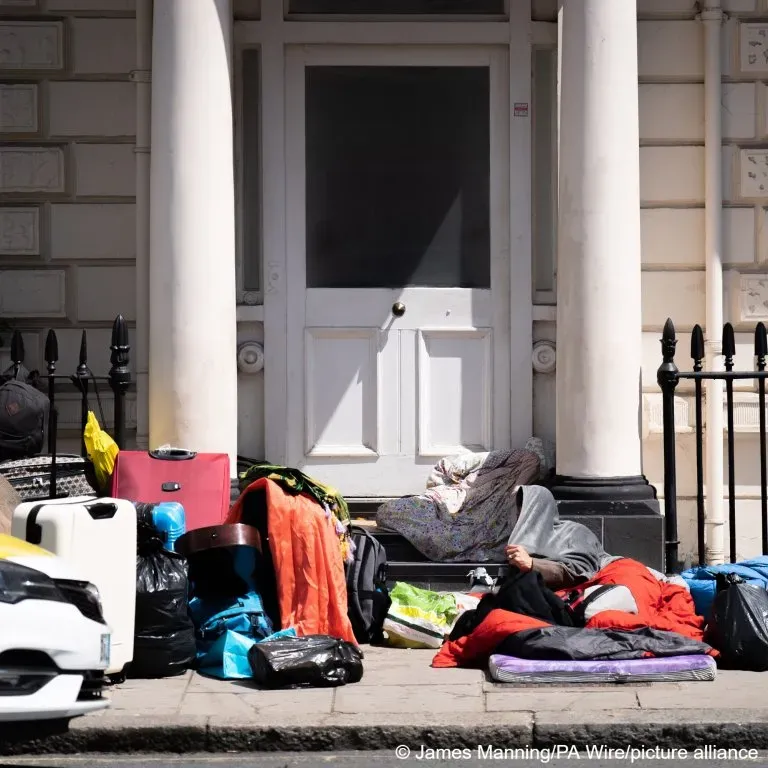
Homeless refugees in England face an alarming crisis, as recent reports reveal that over 19,000 refugee households are currently homeless or at high risk of homelessness. This staggering number reflects a five-fold increase since 2021, highlighting the urgent need for effective solutions to refugee homelessness and its underlying causes. Many UK asylum seekers are struggling with inadequate support services, particularly as they transition from temporary accommodations to permanent housing. The situation is exacerbated by lengthy asylum accommodation issues, leaving families, including vulnerable women and children, without stable living arrangements. Charities and local authorities are calling for immediate government intervention to tackle the homelessness crisis affecting refugees, underscoring the essential role of refugee support services in providing safe shelter and stability.
The plight of displaced individuals without homes in England has reached critical levels, with alarming statistics reflecting a surge in vulnerable populations lacking adequate shelters. Asylum seekers navigating the complex transition from temporary housing to stable living arrangements are increasingly at risk of destitution, highlighting the pressing need for targeted refugee assistance. With many facing systemic asylum accommodation challenges, the demand for comprehensive support mechanisms has never been more pronounced. This burgeoning issue is not just a matter of displacement; it intertwines with broader discussions about the UK’s ongoing homelessness crisis and the urgent need for collaborative strategies to provide lasting solutions. Local communities and organizations are stepping forward to address these humanitarian needs, signaling hope amid the turmoil for those who have fled war and persecution.
The Rising Crisis of Refugee Homelessness in England
In recent years, the crisis of refugee homelessness in England has escalated dramatically, with a reported five-fold increase in the number of refugee households experiencing homelessness or the threat of it. This alarming trend has been attributed largely to government policies that fail to provide adequate support during the transition from asylum status to independent living. Asylum seekers often spend a limited time—just 28 days—under government-funded accommodations, such as hotels or shared housing, before they are forced to vacate. This narrow window is insufficient for many, particularly those newly recognized refugees who struggle to secure stable employment or social services during that timeframe.
The lack of comprehensive refugee support services has exacerbated the situation. With government figures indicating that approximately 19,310 refugees were recorded as homeless or at risk in 2024/25, the need for immediate intervention is clear. Charities and advocacy groups emphasize the urgent requirement for longer accommodation provisions and better support systems, highlighting the harsh reality many refugees face once they are granted asylum in the UK. The transition period also presents challenges in accessing universal credit, leaving many refugees unable to support themselves financially as they search for suitable housing.
Understanding Refugee Support Services and Their Shortcomings
Refugee support services in the UK are critical to helping individuals navigate the complexities of asylum and homelessness. However, as recent findings suggest, these services are often underfunded and overwhelmed. A significant number of asylum seekers are left to fend for themselves upon receiving refugee status, often leading to increased cases of homelessness among young adults and women. For instance, Yusra, a refugee from Sudan, exemplifies the issues within this support system as she now faces the dangers of street homelessness despite having been granted asylum status.
The disconnection between refugee support services and housing provisions creates a daunting barrier for many. The system mandates that refugees, like Yusra, must find independent accommodation within a limited timeframe, while lacking adequate direction and resources. Organizations working to provide assistance often operate at maximum capacity, struggling to meet the demands of those seeking help. This illustrates a pressing need for systemic reforms in how the government addresses both refugee support and the broader homelessness crisis in the UK.
Asylum Accommodation Issues and Their Impact on Refugees
The issue of asylum accommodation in the UK has emerged as a focal point in the conversation about refugee homelessness. Many asylum seekers are housed in temporary shelters that lack proper long-term outputs, limiting their ability to integrate into society effectively. The government’s policy of a 28-day move-on period after refugees are granted asylum has been criticized harshly. It does not account for the time needed to find stable housing and secure employment, creating a precarious situation for many individuals who have already fled traumatic circumstances.
Furthermore, the emphasis on rapid processing of asylum claims, while essential, risks creating additional strain on existing housing services. Local authority resources are stretched thin by the influx of new refugees needing immediate support, evidenced by reports showing sharp increases in homelessness rates, particularly in urban areas like London and Greater Manchester. An overhaul of the asylum accommodation system may prove vital in mitigating these impacts and offering refugees a genuine chance at rebuilding their lives.
The Role of Local Authorities in Refugee Resettlement
Local authorities play a crucial role in the resettlement of refugees in England, tasked with bridging the gap between government policies and community integration. However, the rapid increase in refugee populations has posed significant challenges for these local bodies. With the housing crisis worsening and many councils facing budget limitations, the demand for affordable housing often outstrips available options, leaving refugees vulnerable to homelessness.
Additionally, local councils often struggle to coordinate with national government efforts due to inconsistent policies regarding asylum seekers and refugees. For example, the pressure to clear backlogs in asylum processing has inadvertently shifted the burden onto local services. Such inconsistencies can lead to further disenfranchisement of refugees, preventing them from accessing the help they need to secure stable housing and employment. Collaboration between local authorities and the government must be enhanced to create a more sustainable and effective support network for refugees.
The Impact of Policy Changes on Refugee Vulnerability
Changes in government policies directly affect the homelessness crisis among refugees. The reduction of the move-on period to mere days has heightened the vulnerability of many individuals who have recently obtained asylum. This transition is often fraught with confusion and instability, as refugees like Yusra find themselves without the necessary support to locate housing amidst the challenges of adjusting to life in a new country.
Moreover, the backlash from policy alterations has amplified the existing fears among refugees, many of whom have already experienced severe trauma in their home countries. Juggling the imminent need for accommodation while navigating benefits processes proves daunting. Charities and organizations advocating for refugees are calling for a re-evaluation of these policies to ensure no individual is left homeless shortly after seeking safety in the UK.
Community Responses to the Refugee Crisis
Community responses to the increasing number of homeless refugees in England have highlighted the importance of grassroots support networks in addressing systemic failures. Across various towns and cities, local charities, volunteer groups, and community organizations have stepped up to provide immediate assistance to refugees facing homelessness. Their efforts range from offering temporary shelter and meal services to legal advice and job placement programs, helping refugees navigate the complexities of settlement in the UK.
Such community-driven initiatives are vital in efforts to fill gaps left by governmental services, and they showcase the country’s compassion amid a growing crisis. Engaging the local population in support efforts can also foster greater understanding and acceptance of refugees, countering stereotypes and xenophobia. However, for these initiatives to be sustainable, they require consistent funding and collaboration with public bodies to ensure that refugees receive the comprehensive support they need.
The Importance of Long-Term Solutions for Refugee Housing
Developing long-term solutions to address refugee housing is critical in preventing homelessness and ensuring a stable transition for asylum seekers. Organizations advocating for refugees argue that policies need to shift toward more effective pathways for finding permanent accommodation, rather than implementing stop-gap measures that lead to temporary solutions. Strategic planning involves collaboration among local authorities, charitable organizations, and the private sector to ultimately create affordable housing options tailored to the needs of refugees.
Additionally, fostering community integration programs that accompany housing solutions can help bridge the gap for refugees struggling to adapt. These programs can include mentorship opportunities, skills training, and cultural orientation—empowering refugees to build connections within their new communities. By investing in sustainable housing models and supportive frameworks, the government can alleviate the crisis of homelessness and support refugees on their journey toward stability.
The Role of Charities in Addressing Refugee Homelessness
Charities play a pivotal role in addressing the homelessness crisis faced by refugees in England, often providing essential services and support that are critical to their well-being. Organizations dedicated to refugee welfare, like the Stockport Race Equality Partnership and Crisis, work tirelessly to meet the immediate needs of those who have been granted asylum but are at risk of homelessness. Their efforts include offering essential resources such as temporary shelter, food, and access to legal help, enabling refugees to navigate the complex process of settling into a new life.
Moreover, these charities focus on raising awareness about the challenges refugees encounter, advocating for policy changes that can enhance refugee support services on a national scale. Through campaigns and outreach programs, they aim to engage the public in a dialogue about the importance of assisting homeless refugees and the systemic issues contributing to their plight. Without the efforts of these charitable organizations, the situation would likely be much worse, highlighting the urgent need for increased collaboration between government and civil society to create sustainable solutions.
Exploring Global Perspectives on Refugee Policies
Examining global perspectives on refugee policies offers valuable insights into potential solutions for the challenges faced by homeless refugees in England. Countries worldwide have adopted diverse approaches to managing refugee populations, and examining their successes and failures can inform UK policy reforms. For instance, nations that extend accommodation periods for asylum seekers often report lower rates of homelessness and better integration outcomes.
Additionally, countries that prioritize community involvement and international partnerships, particularly with charities and NGOs, create supportive environments for refugees. By drawing lessons from other nations, the UK can address its current asylum accommodation issues and ultimately create a more effective and equitable system for both refugees and local communities. Such learning opportunities showcase the importance of adapting to international best practices while considering the unique challenges present in the UK context.
Frequently Asked Questions
What is the current state of homeless refugees in England?
The number of homeless refugees in England has significantly increased, rising from 3,560 in 2021/22 to 19,310 in 2024/25. This trend indicates a five-fold rise in refugee households that are homeless or at risk of homelessness, highlighting a concerning homelessness crisis among refugee populations.
How do UK asylum seekers become homeless in England?
UK asylum seekers can become homeless due to stringent policies that require them to vacate Home Office accommodations within 28 days after being granted refugee status. This short timeframe often does not allow adequate time to secure housing, leading many to face homelessness.
What support services are available for homeless refugees in England?
Several refugee support services are available in England, including charities like the Stockport Race Equality Partnership and Crisis, which provide assistance in finding housing, legal support, and help with applying for universal credit. However, challenges remain due to limited funding and resources.
What role does the 28-day move-on period play in refugee homelessness?
The 28-day move-on period assigned to refugees after approval of their asylum claims is a critical factor contributing to refugee homelessness in England. This period is often insufficient for individuals to secure housing or benefits, resulting in increased instances of homelessness among refugee populations.
What areas in England have the highest rates of refugee homelessness?
London and the North West of England, particularly cities like Manchester and Liverpool, report the highest rates of homelessness among refugees. For instance, the borough of Hillingdon saw a drastic increase in homeless refugee households from 71 to 2,098 between 2021/22 and 2024/25.
Why do asylum accommodation issues contribute to refugee homelessness?
Due to ongoing asylum accommodation issues, including slow processing of claims and transitions to independent living, many refugees find themselves at risk of homelessness. A lack of early support and adequate housing options exacerbates the situation for these vulnerable populations.
What are the long-term solutions for refugee homelessness in England?
Long-term solutions for refugee homelessness in England may involve reimagining asylum policies, increasing temporary accommodation availability, and fostering collaboration between local authorities and the Home Office. This approach aims to improve housing accessibility and support for refugees transitioning out of asylum accommodations.
| Key Point | Details |
|---|---|
| Increase in Homeless Refugees | The number of refugee households that are homeless or at risk has risen from 3,560 in 2021/22 to 19,310 in 2024/25. |
| Government Policies | Charities attribute the rise to government policies like the 28-day notice for refugees to vacate accommodation. |
| Demographic Impact | Young women under 30 are among the highest demographics seeking assistance as homeless refugees. |
| Local Authority Support | Newly granted refugees often find themselves low in priority for social housing, receiving limited support from local councils. |
| Processing Backlogs | The UK’s asylum system faces backlogs, which delays processing and leads to increased homelessness among refugees. |
| Government Response | The government claims to be committed to assisting refugees in transitioning to permanent accommodation. |
| Call for Policy Changes | Experts suggest a need for revamped asylum policies and more temporary accommodations to address the crisis. |
Summary
Homeless refugees in England represent a growing crisis, with numbers skyrocketing in recent years. A stark increase from 3,560 in 2021/22 to 19,310 in 2024/25 has raised urgent concerns among charities and lawmakers alike. As government policies continue to affect the support available to these vulnerable individuals, it is crucial to call attention to the grave circumstances faced by newly recognized refugees and the need for comprehensive solutions to mitigate homelessness in this population.