
Listen to this article
Technology in sports is ushering in a new era of performance enhancement and fan engagement. As the lines between athletes and cutting-edge innovations blur, tools such as wearable technology, sports analytics, VR in sports training, and various safety innovations play a pivotal role in shaping modern athleticism. From fitness trackers that monitor vital statistics to immersive virtual reality experiences designed for skill refinement, the integration of technology is fundamentally transforming how sports are played and experienced. Furthermore, enhanced fan experience technology, including augmented reality and live streaming, keeps supporters more connected than ever to their favorite teams. In this blog post, we delve into the significant impacts of technology in sports, focusing on how it enhances both competition and the overall spectator experience.
The intersection of innovation and athletics is redefining the sporting world as we know it. Sophisticated tools and methods are empowering athletes while simultaneously enhancing opportunities for fans to engage in the action. From data-driven performance measurement systems and advanced virtual simulations to real-time analytics and improved safety gear, the infusion of high-tech solutions is creating a paradigm shift in how sports are conducted. Moreover, the rise of interactive fan technologies has revolutionized the spectator experience, making sports events more engaging than ever. This exploration into the technological advancements in athletics will highlight how these innovations revolutionize performance, preparation, and the way fans connect with their favorite sports.
The Rise of Wearable Technology in Sports
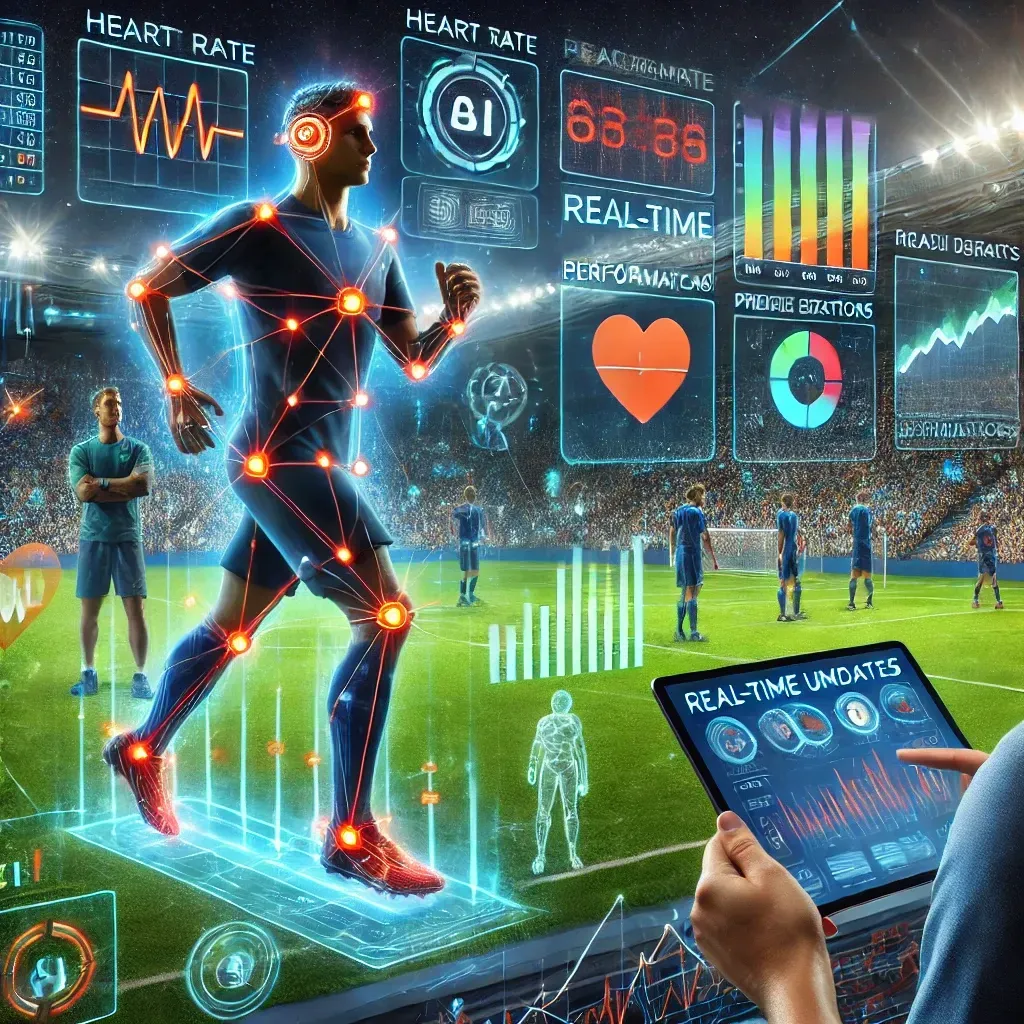
Wearable technology has significantly influenced sports by providing athletes with tools to optimize their training and performance. Devices such as smartwatches, fitness trackers, and specialized sensors collect real-time data on various physical metrics, including heart rate, movement patterns, and caloric expenditure. This data empowers athletes to make informed decisions about their training, leading to improved performance outcomes. For instance, in sports like basketball and soccer, players can analyze their performance during games using GPS trackers, which allows coaches to strategize effectively based on the metrics gathered.
Moreover, the integration of wearable technology is not just limited to elite athletes. Amateur athletes have also started to embrace these devices, using them to track personal goals and improve fitness. With the application of platforms that aggregate performance data, both professionals and amateurs are experiencing tailored training regimens. As this technology evolves, we can expect it to become even more sophisticated, helping athletes enhance their competitive edge
Utilizing Sports Analytics for Competitive Advantage
Sports analytics has become an essential component in decision-making processes across various sports. By analyzing vast amounts of data, teams and coaches can uncover trends, player efficiencies, and weaknesses in their gameplay. Tools like performance analysis software allow coaches to dive deep into game footage, offering granular insights into player movements and decisions. This attention to detail fosters a culture of continuous improvement within teams, ultimately translating into better performances on the field.
In addition to enhancing team performance, sports analytics plays a crucial role in player development. With comprehensive data analysis, coaches can identify specific areas of weakness for each athlete and tailor training programs accordingly. Major sports organizations have developed dedicated analytics departments to leverage this data effectively, ensuring that performance optimization is rooted in solid empirical evidence. As analytics technology continues to advance, we can expect even more profound impacts on sports strategies and outcomes.
Frequently Asked Questions
How does wearable technology in sports improve athlete performance?
Wearable technology in sports, such as fitness trackers and GPS devices, monitors metrics like heart rate and movement patterns in real time. This data helps athletes optimize their training regimens, track performance improvements, and reduce injury risks.
What role does sports analytics play in modern coaching strategies?
Sports analytics utilize data analysis to evaluate player performances and inform coaching decisions. Teams leverage this technology to develop game strategies, manage player workloads, and make data-driven choices related to player recruitment and training.
How is virtual reality (VR) transforming sports training?
Virtual reality in sports training provides athletes with immersive environments to practice skills without physical risks. For example, quarterbacks can simulate game situations, improving their tactical decision-making and reaction times, enhancing their overall performance.
What are the benefits of using performance analysis software in sports?
Performance analysis software helps coaches and athletes dissect game footage and performance data. By offering insights into movement efficiency and play execution, it aids in identifying strengths and areas for improvement, ultimately enhancing athletic performance.
In what ways are fan experience technologies changing how fans interact with sports?
Fan experience technology, including augmented reality and interactive mobile apps, allows fans to engage more deeply with games. These innovations provide real-time statistics and in-game replays, transforming passive viewers into active participants during live events.
How does data analytics contribute to player injury prevention in sports?
Data analytics helps identify patterns that may lead to injuries by monitoring player fatigue, workload, and injury history. By analyzing these metrics, teams can adjust training programs to mitigate risks and promote athlete longevity.
What impact has online gambling had on sports engagement and fan interaction?
Online gambling and fantasy sports have significantly heightened fan engagement, allowing individuals to actively participate through betting and team management. This interaction has transformed the viewing experience, making games more exciting and personal for fans.
What recent innovations are leading to better athlete safety in contact sports?
Innovations like impact sensors in helmets and advanced protective gear materials focus on athlete safety by providing data on potential injuries and creating equipment that reduces the risk of concussions and other serious injuries.
How do sports technologies enhance the coaching process?
Sports technologies streamline coaching by providing detailed analytics and performance data. These tools enable coaches to tailor training programs based on individual athlete needs and enhance strategic planning during games.
What future developments can we expect in technology for sports?
Future developments may include more sophisticated data analytics platforms, enhanced virtual training environments, and further advancements in wearables and safety equipment, all aimed at improving athlete performance and fan engagement.
| Technology Category | Description |
|---|---|
| Wearable Technology | Devices like fitness trackers and GPS sensors help athletes monitor performance metrics and optimize training regimens. |
| Performance Analysis Software | Utilizes video and data analytics to assess athlete performances, aiding in training and improvement. |
| Virtual Reality Training | Creates simulated environments for practice, helping athletes enhance skills without real-life risks. |
| Data Analytics in Sports | Teams invest in analytics to make data-driven decisions for player usage and strategies, enhancing competitiveness. |
| Fan Experience Enhancement | Social media, mobile apps, and AR enrich how fans consume and interact with sports experiencing events in real-time. |
| Online Gambling and Fantasy Sports | Technology enables fans to engage interactively through fantasy leagues and online betting, increasing sports interest. |
| Safety Innovations | Emphasizes athlete safety through impact sensors and advanced protective gear designed to reduce injury risks. |
Summary
Technology in sports is reshaping how athletes perform and how fans engage with their favorite games. The integration of advanced tools and systems—from wearable technology that tracks performance to virtual reality training simulations—has revolutionized athletic training and competition. Furthermore, data analytics enhances decision-making, while innovations like augmented reality create immersive fan experiences. As technology continues to evolve, it promises even more enhancements, making sports more interactive, safer, and engaging for everyone involved.

