
Listen to this article
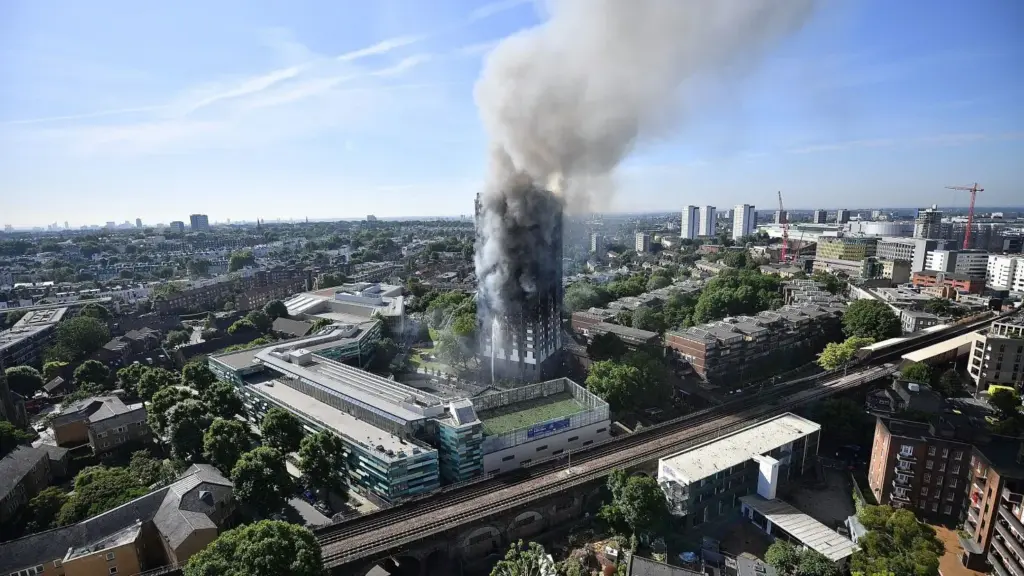
The Grenfell Tower fire remains one of the most devastating tragedies in recent British history, claiming 72 lives and prompting urgent discussions about construction safety in the UK. Over eight years have passed since that fateful night, yet the implications of the fire continue to haunt housing regulations and building practices. The findings from the Grenfell inquiry revealed critical lapses in the construction sector, highlighting the dangerous influence of corporate interests over public safety. As the UK grapples with the tragedy’s legacy, calls for comprehensive building safety reforms grow louder, aiming to prevent such disasters from recurring. Despite widespread condemnation, some firms criticized by the inquiry still secure lucrative government contracts, raising serious questions about accountability in the face of corporate influence on construction safety.
The catastrophic fire at Grenfell Tower, which resulted in the tragic loss of life still reverberates through the UK and around the world. Many aspects of the housing and construction industry have come under scrutiny following this disaster, prompting a reassessment of existing construction safety measures and regulations. Investigations into the incident have uncovered troubling evidence of how corporate power and lobbying have undermined essential safety protocols. The Grenfell inquiry has not only illuminated the failures of those responsible but also sparked an urgent demand for transformative reforms within the building sector. As conversations continue, it is critical to advocate for a construction landscape that prioritizes safe living conditions over profit.
The Lasting Impact of the Grenfell Tower Fire on Construction Regulations
The Grenfell Tower fire remains a pivotal moment in UK construction safety, highlighting severe flaws in housing regulations that allowed such a catastrophic event to occur. With the loss of 72 lives, the tragedy-like many others around the world—forces a reexamination of the safety protocols in place to protect residents from preventable mishaps. Investigations have revealed that many of the materials used in constructing Grenfell Tower did not meet necessary safety standards, raising concerns about how corporate influence can compromise building codes and standards within the industry.
In the aftermath, the Grenfell inquiry findings have sparked a national debate over the adequacy of existing housing regulations. The inquiry has exposed a culture of deregulation, where industry lobbying has led to a relaxation of safety measures intended to protect the public. This allows construction companies to cut costs in ways that jeopardize the well-being of residents. Consequently, there is a call for stricter building safety reforms that not only hold corporations accountable but also ensure that profitable ventures do not come at the cost of human lives.
Corporate Influence on Building Safety and Prevention Measures
The influence of corporations within the construction sector poses a significant risk to building safety across the UK. Following the Grenfell Tower fire, many have scrutinized the relationships between construction companies and government officials, revealing a troubling pattern where profit often overshadows public safety interests. This corporate influence extends to lobbying for more lenient regulations, which can lead to the prioritization of financial gains over the implementation of essential safety measures.
As stakeholders in the construction industry continue to navigate the aftermath of the Grenfell inquiry findings, there is a pressing need to reevaluate how corporate strategy affects construction standards. The ongoing awarding of multi-million-pound public contracts to firms that have been criticized for their roles in the disaster exemplifies the systemic issues that plague the industry. Advocates are calling for transparency in how such contracts are awarded, emphasizing the necessity of strict compliance with building safety reforms to prevent future tragedies.
The Role of Deregulation in Construction Safety Failures
Deregulation has been a prominent theme within the construction industry, particularly in the years leading up to the Grenfell Tower fire. The removal of essential safety checks and regulations has contributed directly to the compromised quality of construction practices. The Grenfell inquiry findings revealed how the lack of robust regulatory frameworks allowed for the use of substandard materials, which significantly increased the risks to residents. This trend of deregulating housing safety must be critically examined to prevent similar disasters in the future.
In understanding the impact of deregulation, it is crucial to consider the motivations behind these policy changes. Often driven by corporate interests seeking to minimize costs, deregulation has made it easier for subpar construction practices to proliferate. Advocates for housing safety reforms argue that strong regulatory bodies must be reinstated to oversee construction practices rigorously, ensuring that safety is prioritized over profit. By reinstating strict regulations, the industry can avoid repeating the mistakes that led to the Grenfell Tower tragedy.
Examining Housing Regulations Post-Grenfell
In the wake of the Grenfell Tower fire, the examination of housing regulations has accelerated, prompting a thorough investigation into their adequacy. The tragedy has revealed the need to enforce robust regulatory frameworks that can adapt to the complexities of modern construction while ensuring safety standards are met. Stakeholders argue that complacency within the regulatory bodies must be addressed to prevent the emergence of similar hazards in other buildings.
Moreover, the Grenfell inquiry findings have underscored the importance of not only establishing regulations but ensuring they are effectively enforced. This includes regular inspections and accountability for construction companies that fail to comply with safety standards. As the public pushes for comprehensive reforms, the focus remains on creating a construction safety climate that places resident well-being at the forefront. Demands for legislative changes emphasize the urgent need for reform that can turn tragedy into a catalyst for improvement.
Building Safety Reforms: Lessons from Grenfell
Following the Grenfell Tower fire, the push for building safety reforms represents a critical juncture for the construction industry. Lessons learned from the Grenfell inquiry are being used to shape policies that seek to prevent future disasters. This involves a rethinking of materials used in construction, stricter compliance guidelines, and a commitment to prioritizing safety through the entire construction process, from design to execution. The inquiry has highlighted that learning from past mistakes is vital for cultivating a safer living environment.
Additionally, building safety reforms must focus on creating a culture of accountability within the construction industry. It’s imperative that construction firms recognize the long-term implications of their decisions and practices on community safety. The tragedy must serve as a constant reminder that the cost of neglecting safety can be immeasurable. Therefore, these reforms aim not just to amend legislation but to foster an industry-wide commitment to ethical practices and unwavering dedication to tenant welfare.
Public Awareness and Advocacy for Housing Safety
Public awareness plays a vital role in pushing the momentum for housing safety in the aftermath of the Grenfell fire. With communities deeply affected by the tragedy, advocacy efforts have surged, calling for significant reforms in how buildings are constructed and maintained. Initiatives led by affected families and safety advocates pressure both government entities and corporations to adopt comprehensive measures that ensure the safety of all residents, highlighting the need for effective communication about building safety throughout communities.
Moreover, greater public engagement is fostering an environment where safety is a priority rather than an afterthought. By raising awareness through educational campaigns, communities are empowered to voice their concerns regarding residential safety. The demands for reform create an avenue for citizens to actively participate in dialogues concerning housing regulations, thereby enhancing accountability in the construction industry. This grassroots movement emphasizes that the lessons learned from the Grenfell inquiry cannot be ignored and must result in actionable change.
The Importance of Compliance in Construction Practices
Compliance is a cornerstone of reliable construction practices, particularly in light of the findings from the Grenfell inquiry. The investigation highlighted significant lapses in adherence to safety regulations, prompting a re-evaluation of compliance mechanisms within the industry. Building safety must be treated as an obligation rather than a choice; thus, enforcement measures need to be stricter to protect communities from preventable dangers. Compliance checks should be routine and thoroughly integrate into every project stage to mitigate future risks.
Furthermore, the Grenfell Tower fire serves as a stark reminder of the consequences of non-compliance, urging authorities to ramp up enforcement against companies that violate safety codes. Ensuring compliance not only safeguards buildings but also instills confidence among residents that their homes are constructed and maintained with their welfare in mind. Efforts to bolster compliance will reinforce a culture that elevates safety and responsibility, vital in restoring trust in the construction industry as a whole.
Addressing the Future of Housing Construction Post-Grenfell
As the UK moves forward from the Grenfell Tower fire, the future of housing construction appears to be at a crossroads. The inquiry’s findings have illuminated the path for comprehensive reforms that aim to not only improve building safety but also to re-establish public trust in the industry. Projects underway focus on integrating safe design practices and utilizing materials that have been rigorously tested for compliance with safety regulations, creating housing that genuinely protects residents.
The approach to future housing construction must be proactive rather than reactive, preventing tragedies from occurring in the first place. This incorporates considering innovative technologies and building methods that enhance safety without compromising affordability. Engaging communities in the design and planning phases can ensure that developments truly meet residents’ needs while adhering to the highest safety standards. The ongoing efforts toward reform signal a commitment to learning from the past and building a safer future for all.
Stakeholder Responsibility in Construction Safety
In light of the Grenfell Tower fire, stakeholder responsibility in construction safety has become increasingly critical. It is essential for all parties involved—government, regulators, construction firms, and the communities they serve—to acknowledge and fulfill their roles in maintaining safety. Each stakeholder must prioritize collaboration and transparency to ensure that building safety regulations are not merely guidelines but require adherence to avoid foreseeable risks.
Furthermore, fostering a culture of responsibility is integral to reversing the trends that led to the Grenfell tragedy. This means that stakeholders must not only comply with existing regulations but advocate for progressive changes that enhance safety standards across the board. Building an industry that collectively values accountability will ultimately lead to safer housing solutions and a community built on trust and reliability, reinforcing the resolve to never let such a tragedy happen again.
Frequently Asked Questions
What were the main causes identified in the Grenfell Tower fire related to construction safety in the UK?
The Grenfell Tower fire highlighted severe issues concerning construction safety in the UK, including the use of flammable cladding materials, inadequate fire safety regulations, and poor enforcement of housing regulations. These factors, coupled with corporate influence in construction practices, contributed to the tragedy.
What are the key findings from the Grenfell inquiry that impact future housing regulations?
The Grenfell inquiry findings underscored the need for comprehensive building safety reforms. The inquiry exposed systemic failures in compliance with housing regulations and called for more stringent oversight of building materials and safety protocols to prevent similar disasters in the future.
How has the Grenfell Tower fire influenced corporate practices in the construction industry?
The Grenfell Tower fire has prompted a critical examination of corporate practices in the construction industry, revealing how corporate influence has often prioritized profit over safety. Despite the inquiry’s findings, some companies associated with the fire continue to receive lucrative public contracts, raising concerns about ongoing accountability.
What building safety reforms have been proposed since the Grenfell Tower fire?
In response to the Grenfell Tower fire, several building safety reforms have been proposed, including stricter regulations on fire safety standards, mandatory sprinkler systems in high-rise buildings, and a commitment to improving fire safety management in construction projects across the UK.
How does corporate influence in construction relate to the Grenfell Tower tragedy?
Corporate influence in construction, as revealed by the Grenfell Tower tragedy, highlights how financial incentives can undermine safety protocols. Companies often lobbied for deregulation, which contributed to the inadequate fire safety measures observed at Grenfell, emphasizing the need for a shift towards prioritizing safety over profit.
What lessons have been learned from the Grenfell Tower fire regarding housing regulations?
The Grenfell Tower fire has prompted a reassessment of housing regulations, demonstrating the necessity for enhanced safety measures, clearer accountability for building standards, and the elimination of conflicts of interest in the approval processes for construction projects.
Why are some companies criticized in the Grenfell inquiry still receiving contracts?
Despite criticism in the Grenfell inquiry, some companies continue to receive public contracts due to a lack of stringent oversight mechanisms and the prevailing economic necessity for construction services, highlighting a critical gap in the enforcement of accountability within the construction industry.
What ongoing effects does the Grenfell Tower fire have on building safety reforms in the UK?
The ongoing effects of the Grenfell Tower fire continue to shape building safety reforms in the UK by instigating public discourse on safety standards, promoting legislative changes, and ensuring that the construction industry is held responsible for prioritizing public safety in future housing developments.
| Key Point | Details |
|---|---|
| Impact of Grenfell Tower fire | 72 lives were lost due to the fire, highlighting critical flaws in safety regulations. |
| Continuing Influence | The companies and materials involved still impact construction safety standards both in the UK and globally. |
| Role of Deregulation | Deregulation contributed to the ease of safety breaches in building construction. |
| Industry Lobbying | Corporate lobbying played a significant role in weakening safety regulations prior to the tragedy. |
| Corporate Accountability | Criticism of companies involved remains, yet they continue to receive lucrative public contracts. |
| Safety Regulations Today | The Grenfell fire continues to spark discussions about necessary reforms in building regulations. |
Summary
The Grenfell Tower fire, which claimed 72 lives, underscores the critical need for robust safety regulations in construction. More than eight years on, the ramifications of this disaster continue to be felt, as the same companies and materials that contributed to the tragedy are still influencing home safety standards today. Despite public outrage and inquiries, many firms criticized for their roles remain active players in the industry, raising concerns about the prioritization of profits over public safety. This ongoing situation reflects the urgent need for reform to ensure that such a disaster never happens again.