Listen to this article
The refurbishment of Parliament has become an urgent topic of discussion as proposals suggest that restoring the historic Houses of Parliament could cost nearly £40 billion and take up to 61 years to complete. This ambitious renovation plan addresses critical infrastructure needs within the Palace of Westminster, which is currently facing severe maintenance challenges, costing taxpayers approximately £1.5 million weekly. As officials consider options for relocating MPs and peers during the extensive restoration process, the debate over the cost of Parliament renovation intensifies. The situation is complicated by a pressing need for repairs, with taxpayers expected to shoulder the financial burden of the House of Commons and House of Lords restoration. Ultimately, the future of UK’s Parliament hinges on timely decision-making; otherwise, we risk deeper operational risks and escalating renovation costs.
Revitalizing the iconic Palace of Westminster is a matter of great importance as the UK Parliament prepares for necessary upgrades to its aging facilities. Known for its architectural grandeur, the estate is overdue for a comprehensive overhaul to address urgent safety issues and deteriorating structures. While discussions revolve around the extensive renovation timeline, estimates suggest that such transformation could take six decades. Members of Parliament are evaluating the feasibility of temporarily relocating their offices, which raises questions about the practicality of such an ambitious endeavor. The implications of this critical restoration work extend far beyond simple aesthetics, as the future functionality and safety of the parliamentary building are at stake.
The High Cost of Parliament Refurbishment
The refurbishment of the Houses of Parliament has been projected to cost nearly £40 billion, a staggering amount that raises eyebrows among taxpayers and lawmakers alike. This proposed cost reflects the extent of the necessary repairs and renovations required to preserve the historical integrity of the Palace of Westminster while ensuring it remains functional for government operations. Given that the existing infrastructure incurs maintenance costs of approximately £1.5 million weekly, the argument for a comprehensive restoration becomes increasingly compelling. The financial implications of such a grand undertaking are not just limited to the immediate expenses; they extend to the long-term sustainability of the parliamentary estate.
Moreover, debates surrounding the cost of Parliament renovation ignite discussions on budget allocations and priorities in government spending. Critics argue that a refurbishment budget of this magnitude could lead to potential mismanagement and waste of public funds. Proponents, however, stress that failing to invest in the building’s upkeep could result in even higher future costs, particularly if emergency repairs become necessary. The risk of essential services failing and the building itself deteriorating further contributes to the urgency surrounding this renovation project.
Urgent Need for Palace of Westminster Repairs
The Palace of Westminster is at a critical juncture as it faces myriad structural issues requiring immediate attention. Reports have indicated that the building is suffering from problems ranging from crumbling stonework to outdated plumbing systems that date back to the Victorian era. These issues not only pose operational risks but also threaten the safety of those within its walls. The statistics paint a dire picture: since 2016, there have been multiple fire incidents, asbestos-related challenges, and instances of stonemasonry problems, highlighting the urgent need for comprehensive repairs.
This accumulation of issues reinforces the argument for a complete and methodical renovation approach to the Palace of Westminster. A parliamentary committee warned that without significant remedial work, the building risks becoming uninhabitable, pushing the restoration project to the forefront of parliamentary agenda. The urgency of modernizing the infrastructure cannot be overstated, as the very heart of UK’s governance may soon face operational disruptions if swift action is not taken.
MPs Accommodation During Refurbishment Projects
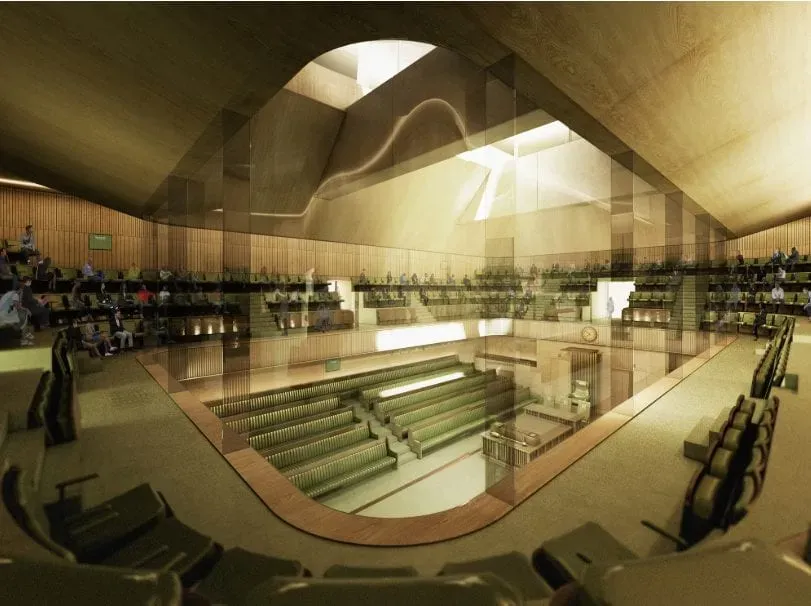
A significant aspect of the refurbishment of the Houses of Parliament involves planning for MPs accommodation during the extensive renovation phase. As proposed, members of Parliament and peers may need to relocate for up to 24 years starting in 2032, which raises logistical challenges and concerns among lawmakers. This temporary displacement is designed to allow for uninterrupted construction while ensuring the safety of all involved. Constructing appropriate temporary facilities becomes paramount to maintain an effective working environment.
The restoration and renewal team has suggested initial works, including building a jetty on the River Thames for efficient deliveries and creating dedicated spaces for MPs to work. This phased approach is essential, as it aims to minimize disruptions while creating a conducive environment for legislative duties. Proper planning and execution of MPs accommodation during refurbishment are critical, as the success of this renovation venture depends on balancing construction needs with the operational requirements of Parliament.
Long-Term Vision for Houses of Parliament Restoration
The vision for the Houses of Parliament restoration encompasses not just immediate repairs but also a sustainable plan for the future. The restoration and renewal team envisions a comprehensive strategy that addresses the pressing needs of the building while preserving its historical significance. This long-term perspective is vital to ensure that the Palace of Westminster serves future generations of policymakers, thereby reinforcing its role as a cornerstone of democracy in the UK.
However, achieving this vision requires consensus among lawmakers about the preferred course of action. Some propose a phased renovation, which would entail performing repairs gradually without displacing the entire parliamentary operation, while others advocate for a full decant. The final decision will reflect the urgent need for the costly yet necessary work to restore the Palace, ensuring it remains both functional and historically representative.
Evaluating the Options: Full Decant vs. Phased Repair
The ongoing debate regarding the best approach to the refurbishment of the Palace of Westminster consists of two primary options: a full decant versus a phased repair method. Advocates for a full decant, like the Prospect trade union, argue that it is the safest and most cost-effective way to ensure comprehensive restoration of the parliamentary estate. By relocating MPs entirely from the building during the renovation, it allows for thorough inspections and repairs without risking delays caused by ongoing parliamentary functions.
On the other hand, some MPs, including Conservative Sir Edward Leigh, dismiss the need for a full decant, suggesting that phased repairs could suffice. They argue that history shows phased renovations can successfully occur without necessitating full relocation. This contention raises questions about taxpayer money and the potential for inefficiency, pointing to the complexity and scale of the project. In the end, determining the most viable option is critical for ensuring the long-term safety and functionality of the UK Parliament.
The Impact of Delayed Decisions on Restoration Costs
A pressing concern in the ongoing discussions about the refurbishment of the Houses of Parliament is the impact of delaying decisions on restoration costs. The estimate suggests that postponing essential repair work could incur costs of up to £70 million annually, an economic scenario that many fear may lead to a downward spiral of increased expenses and deteriorating conditions. Delays do not merely inflate budgetary requirements; they can also exacerbate existing problems, leading to additional, unforeseen repairs down the line.
This looming financial consequence emphasizes the necessity for swift action and decisive planning in addressing the needs of the Palace of Westminster. The R&R Client Board has stressed that action is required to commence restoration work immediately, as prolonged inaction will only serve to deepen operational risks and amplifies the inevitability of expensive repairs in the future. The financial stewardship of this historic building and the implications for taxpayers remain at the forefront of discussions.
Historical Importance of the Palace of Westminster
The Palace of Westminster, a UNESCO World Heritage site, stands as a symbol of democracy and governance in the United Kingdom. Its architectural significance coupled with its historical legacy highlights the importance of preserving this landmark. The challenge of restoring such an iconic building while maintaining its integrity is immense, given the advancing state of disrepair and the complexities inherent in its upkeep. The rich history embedded within its walls, dating back several centuries, underscores the need for sensitive and appropriate restoration practices.
Preserving the Palace of Westminster requires a careful balance of modernization and respect for its historical context. As each decision regarding refurbishment is made, the weight of its historical significance must inform the approaches taken. Whether adopting new technologies for efficiency or an updated approach to safety features, every modification carries the responsibility of honoring the past while preparing for the future.
Environmental Considerations in Parliament Renovation
As the discussions around the refurbishment of the Houses of Parliament unfold, it’s imperative to also consider environmental implications. The proposed renovation plans need to include green building practices, enhancing energy efficiency, and minimizing carbon footprints. With growing public awareness and concern for environmental sustainability, embedding eco-friendly solutions into the renovation of such a significant building is both a modern necessity and a measure of public accountability.
Green technology and sustainable materials can lead to long-term cost savings and significantly reduce the environmental impact of the refurbishment projects. As more stakeholders recognize the importance of this aspect of renovation, the preservation of the Palace of Westminster is not just about maintaining its structural soundness but also ensuring that it aligns with contemporary environmental standards.
The Need for Strategic Planning in Renovation Projects
Strategic planning will play a pivotal role in navigating the complexities of the refurbishment of the Houses of Parliament. A methodical approach will ensure that workflow, budget, and timelines are meticulously managed to avoid inefficiencies and delays. The significance of planning extends beyond immediate construction needs—it’s about ensuring that the historical essence of the Palace of Westminster is preserved while rebuilding its foundations for the future.
The restoration and renewal team has laid out initial plans which include crucial steps to safeguard the project from potential pitfalls. By investing in strategic foresight, Parliament can ensure that the refurbishment not only completes effectively but also enhances the operational capabilities of the building for years to come. The success of this historic project lies in well-laid plans that account for comprehensive repairs while embracing agility in execution.
Frequently Asked Questions
What is the estimated cost of the Parliament refurbishment project?
The estimated cost of the Parliament refurbishment project, which includes the restoration of the Houses of Parliament, could reach nearly £40 billion over approximately 61 years.
How long will the refurbishment of the Houses of Parliament take?
The refurbishment of the Houses of Parliament is projected to take up to 61 years, based on current proposals for the renovation and restoration work.
What are the proposed options for the UK Parliament renovation?
The proposed options for the UK Parliament renovation include relocating MPs and peers from the Palace of Westminster for up to 24 years, or executing the refurbishment while keeping the House of Lords in the building.
How much does maintenance of the Palace of Westminster cost currently?
Maintaining the Palace of Westminster incurs a cost of approximately £1.5 million each week, emphasizing the urgency of the Parliament refurbishment.
What temporary measures will be taken during the refurbishment of Parliament?
During the Parliament refurbishment, initial works will construct temporary accommodations for MPs and peers, alongside building a jetty on the River Thames for logistical support.
Why is refurbishment of the Palace of Westminster deemed necessary?
The refurbishment of the Palace of Westminster is essential due to deteriorating conditions, including old infrastructure and the risk of safety incidents like fires and the presence of asbestos.
What is the impact of delaying the Parliament renovation decision?
Delaying the decision on the Parliament renovation could cost an estimated £70 million a year, highlighting the financial implications of further postponement.
What safety concerns are associated with the current state of Parliament?
The current state of the Palace of Westminster presents safety concerns, including falling masonry, fire incidents, and asbestos exposure, making the restoration imperative.
How has the Parliament refurbishment process been historically viewed?
Historically, the Parliament refurbishment process has faced delays and disagreements among members of Parliament regarding the best approach for the necessary renovations.
What will taxpayers be expected to cover in the refurbishment of Parliament?
Taxpayers will be responsible for covering the substantial costs associated with the refurbishment of the Houses of Parliament, which are expected to amount to many billions.
| Key Point | Details |
|---|---|
| Refurbishment Cost | The refurbishment could cost nearly £40 billion. |
| Duration | The restoration may take up to 61 years to complete. |
| Current Maintenance Costs | Ongoing maintenance costs approximately £1.5 million per week. |
| Proposed Options | Options include relocating MPs and peers or partial decanting. |
| Initial Works | Initial works proposed at a cap of £3 billion over seven years. |
| Safety Risks | The risk of safety issues is rising due to the building’s state. |
| Political Debate | MPs are split between full decanting and phased repairs. |
| Taxpayer Implication | Taxpayers are expected to bear the financial burden. |
Summary
Parliament refurbishment is a critical issue facing the UK, as estimates suggest that the revamp could cost nearly £40 billion and take as long as 61 years. With ongoing maintenance costs severely straining resources at about £1.5 million weekly, the urgency for renovation is heightened. Various options have been proposed, including relocating members temporarily or managing the refurbishment in phases, yet political divisions complicate consensus. In light of historical neglect and deteriorating conditions, immediate and effective action on Parliament’s restoration is imperative to safeguard one of the country’s most iconic institutions.