Listen to this article
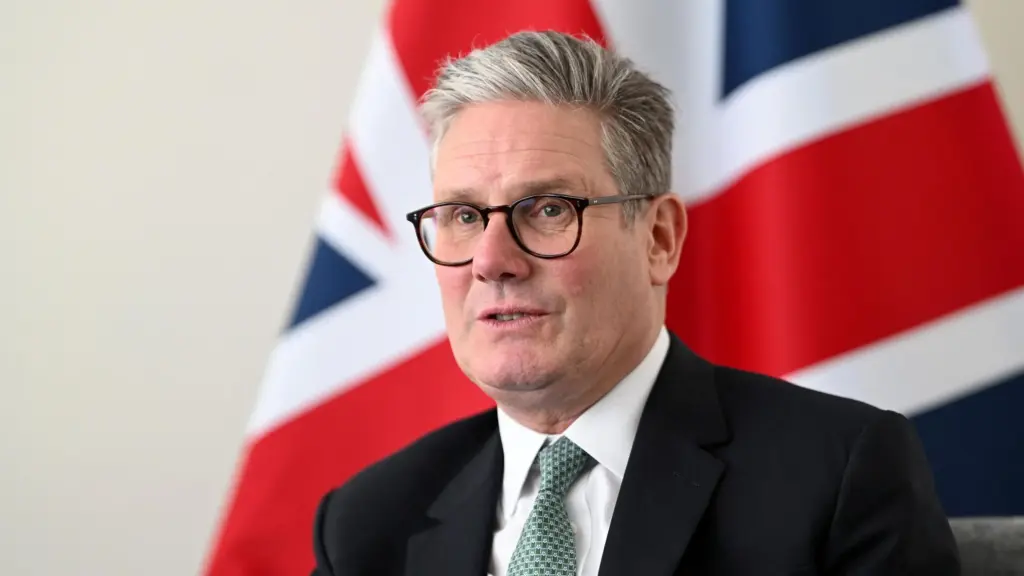
In recent weeks, Sir Keir Starmer has found himself at the center of a political storm that could determine the future of his leadership in the Labour Party. Following the controversial appointment of Peter Mandelson, reactions from Labour MPs have been overwhelmingly critical, with many questioning Starmer’s judgment and calling for his resignation amid the unfolding Mandelson scandal. As he navigates this political crisis, Starmer’s once unshakeable position is now under intense scrutiny, reflecting a deep-seated dissatisfaction among party members. His public acknowledgment of this anger demonstrates an awareness of the precarious state of his leadership, as Labour MPs express discontent louder than ever before. With calls for accountability growing, the fate of Starmer hangs in the balance, raising pressing questions about his ability to unify the party and regain trust.
As the leader of the Labour Party, Keir Starmer faces significant challenges that threaten his position. The fallout from the recent revelations regarding Peter Mandelson’s past dealings has ignited a fierce backlash from fellow party members, demanding transparency and accountability. This ongoing political strife not only highlights internal dissent but also poses a risk to Starmer’s capacity to lead effectively. Amidst murmurs of discontent and whispers of potential resignation, it becomes crucial to understand the dynamics within the party and the implications of MPs’ reactions to Starmer’s decisions. This situation encapsulates a broader struggle within the leadership of the Labour Party as it grapples with its identity and direction.
The Mandelson Scandal: A Turning Point for Starmer
The recent revelations surrounding the appointment of Peter Mandelson have thrown Keir Starmer’s leadership under intense scrutiny. This scandal is not just a personal crisis for Starmer but a defining moment for the Labour Party. Labour MPs are increasingly vocal about their dissatisfaction, suggesting that the party’s trajectory is in jeopardy due to the alleged mishandling of Mandelson’s connections with Jeffrey Epstein. This scandal goes beyond mere political gossip; it raises critical questions about trust and integrity within the party.
Rachael Maskell, a Labour MP known for her outspoken views, encapsulated the sentiment among her colleagues by stating that Starmer’s position has become ‘untenable.’ As more MPs echo her sentiments in private discussions, the feelings of frustration and anger are palpable. The ramifications of the Mandelson scandal extend beyond Starmer’s leadership, casting a long shadow over the party’s future as it approaches critical elections.
Reactions from Labour MPs to Starmer’s Leadership
The reaction from Labour MPs regarding Keir Starmer’s leadership amidst the Mandelson scandal illustrates a fracturing party, with divisions growing deeper. While some MPs believe that Starmer’s apology to Epstein’s victims signifies a necessary step toward accountability, others view his decisions as emblematic of a wider failure. The mixed responses have left the impression that the party is not united under Starmer’s command, leading to speculation concerning his longevity as leader.
Several MPs have openly questioned Starmer’s judgment, arguing that his trust in Mandelson was misplaced. A political crisis is brewing within Labour, as many MPs feel the urgency to hold Starmer accountable for his choices. Despite a handful of supporters who urge for calm, the general consensus is that considerable discontent exists which could destabilize Starmer’s leadership in the coming months.
Starmer’s Apology and its Implications
Keir Starmer’s apology to the victims of Epstein signifies an attempt to acknowledge the mistakes made during his tenure, particularly relating to the Mandelson appointment. The political implications of this apology are significant; it reflects an understanding of the responsibilities that come with leadership. By addressing the anger from both MPs and the public, Starmer hopes to rebuild trust, but it also raises questions about whether it is too little, too late.
The response from the party and the public will be crucial in determining Starmer’s future. His timing in expressing regret against the backdrop of increasing anger shows a leader aware of the precarious nature of his position. However, whether this apology will quell the rising tide of dissatisfaction among Labour MPs remains uncertain, as they closely monitor the government’s handling of this political crisis.
Labour Party in Crisis: Key Challenges Ahead
As the Labour Party navigates through the current turmoil triggered by the Mandelson scandal, various challenges loom large on the horizon. Starmer must confront the growing discontent among MPs who feel betrayed by his leadership decisions. The tightrope he walks is fraught with potential pitfalls, as every misstep not only jeopardizes his position but also threatens the party’s unity.
Coalition-building within the party will be essential in the coming months, especially with key elections approaching. The internal rifts need mending, and Starmer’s response to this crisis will set the tone for his leadership moving forward. Labour’s prospects will hinge on how effectively Starmer can address MPs’ grievances and restore a sense of collective purpose within the party.
Political Ramifications of the Mandelson Appointment
The decision to appoint Peter Mandelson has backfired dramatically, spotlighting the potential perils of political alliances that threaten to destabilize established leadership. For Starmer, this could serve as a glaring lesson in vetting individuals who’ve been tangled in controversy. The political ramifications stretch across the parliamentary landscape, impacting voter perception and party loyalty as the Labour Party grapples with the fallout.
Furthermore, the character and choices of its leader come under new scrutiny, as public confidence in Starmer could dwindle if he fails to promptly address the issue. The reputation of the Labour Party stands at a crossroads, with potential implications for future elections, particularly if the current political crisis is mishandled. The next steps taken by Starmer will be pivotal in reclaiming the narrative.
Starmer’s Leadership Under Fire: Calls for Resignation
The storm surrounding Keir Starmer’s leadership has intensified recent calls for him to resign, particularly as anger over the Mandelson scandal rises. Labour MPs are increasingly vocal about their concerns regarding Starmer’s ability to lead, with some emphasizing that his position is becoming increasingly untenable. The notion that discontent within the ranks could lead to a leadership challenge indicates how serious the situation has become.
With the eyes of the public and media turning towards Labour, the pressure is mounting for Starmer to take decisive action. Resignation calls are not just limited to critics; they come from within his party, highlighting a fracture that could be perilous for Labour’s future. Effective leadership will be tested as Starmer navigates through this period of turmoil, seeking to remain in good standing with both MPs and constituents.
Navigating Political Pressures: Starmer’s Strategy
In light of the escalating pressures from within the Labour Party, Starmer must develop a robust strategy to regain support and restore confidence. The tightrope he walks requires balancing between addressing the anger of dissatisfied MPs while appealing to the broader electorate concerned about the scandal’s implications. Starmer’s approach to transparency and accountability will be crucial in demonstrating leadership capabilities.
Moreover, engaging with his critics within the party and actively working to address their concerns could mitigate the fallout of the Mandelson scandal. Starmer’s strategy should focus on creating an inclusive dialogue, ensuring that all voices within Labour are heard and valued. In these challenging times, his skills in negotiation and conflict resolution will be paramount in steering the party toward a more united front.
Future of the Labour Party: A Call for Unity
The future of the Labour Party hinges not only on individual leadership but also on fostering a sense of unity among its members. As the party grapples with the aftermath of the Mandelson scandal, it becomes essential for Keir Starmer to rally MPs and unify diverse perspectives into a cohesive strategy. The call for unity must transcend personal rivalries and ideological differences, putting forth a collective front as they head into crucial electoral battles.
This sense of shared purpose is needed now more than ever, as public trust in the Labour Party is at stake. Starmer’s ability to forge alliances and nurture collective responsibility will be instrumental in overcoming the current political crisis. By prioritizing collaboration and open communication, the party may effectively advance its agenda and emerge stronger from this turbulent period.
Conclusion: Starmer’s Path Forward
As Keir Starmer navigates through one of the most difficult phases of his leadership, the path forward is fraught with challenges. The Mandelson scandal poses significant risks, not only to his stature but also to the very future of the Labour Party. Realigning support among MPs and addressing internal conflicts will be key to rebuilding a stable leadership that can contend with the opposition.
Ultimately, Starmer’s success will be determined by his response to this crisis and his capability to restore confidence both within his party and among the electorate. Engaging in transparent dialogue, showing accountability, and initiating corrective measures might help in salvaging his leadership trajectory and reshaping the Labour Party for the better.
Frequently Asked Questions
What led to the Mandelson scandal involving Keir Starmer?
The Mandelson scandal surrounding Keir Starmer erupted following revelations about his close association with Peter Mandelson, who faced scrutiny due to his ties with Jeffrey Epstein. Critics claim that Starmer’s decision to appoint Mandelson to a significant diplomatic role reflected poor judgment, leading to widespread anger among Labour MPs.
How has the Labour Party reacted to Keir Starmer amid the political crisis?
The Labour Party has experienced significant turmoil following the Mandelson scandal. Many Labour MPs have publicly expressed their frustration with Keir Starmer’s leadership, suggesting that his position may be untenable. The internal dissent among MPs highlights a growing political crisis within the party.
What are the implications of MPs’ reactions to Starmer’s leadership?
The reactions from Labour MPs regarding Keir Starmer signal a critical juncture for his leadership. As several MPs openly call for his resignation in light of the Mandelson scandal, the pressure on Starmer intensifies, potentially threatening his ability to govern effectively and maintain party unity.
Could the Mandelson scandal lead to Starmer’s resignation?
Given the escalating backlash from Labour MPs over the Mandelson scandal, there are increasing calls for Keir Starmer to resign. Some MPs believe that his previous decisions and handling of the situation may leave him with little choice but to step down, especially as tensions within the party peak.
What was the nature of Keir Starmer’s apology related to the Mandelson scandal?
In response to the outrage regarding the Mandelson scandal, Keir Starmer issued an apology to the victims of Jeffrey Epstein, admitting that he felt misled by Mandelson. This apology was seen as an attempt to mitigate the anger among Labour MPs and the public, although it has not fully quelled the criticisms of his leadership.
How have Labour MPs described Keir Starmer’s handling of the Mandelson situation?
Labour MPs have been candid in their assessment of Keir Starmer’s handling of the Mandelson situation, with some labeling it as a ‘dishonourable act’ for withholding information from Parliament. The consensus among critics is that his leadership is facing severe challenges, raising questions about his future as Party leader.
What are the potential outcomes for Keir Starmer following the Mandelson crisis?
The outcomes for Keir Starmer following the Mandelson crisis could range from a renewed call for his resignation to a possibility of rallying support from loyal MPs. As tensions rise, the next steps will depend on how effectively Starmer addresses the concerns raised by his colleagues and whether he can regain their trust.
| Key Point | Details |
|---|---|
| Sir Keir Starmer’s Speech | Starmer delivered a speech on local regeneration in Hastings, reflecting the serious atmosphere surrounding his leadership. |
| Prime Minister’s Apology | The PM apologized to Jeffrey Epstein’s victims for believing in Mandelson’s ‘lies’ regarding his appointment. |
| Labour MP Reactions | Labour MPs express intense anger, with Rachael Maskell claiming Starmer’s position is ‘untenable’. |
| Support for PM | Some MPs defend the PM, calling for calm amid the scandal and hinting that challenges to his leadership aren’t imminent. |
| Future Implications | The Gorton and Denton by-election might influence future leadership challenges within Labour. |
Summary
Keir Starmer is currently facing significant scrutiny within his party, as the fallout from the Mandelson scandal intensifies. This political crisis may mark a pivotal moment for Starmer, particularly with growing tensions among Labour MPs who express increasing dissatisfaction with his leadership. The coming weeks are critical as Labour navigates the complexities of party dynamics and potential challenges to Starmer’s authority.