
Listen to this article
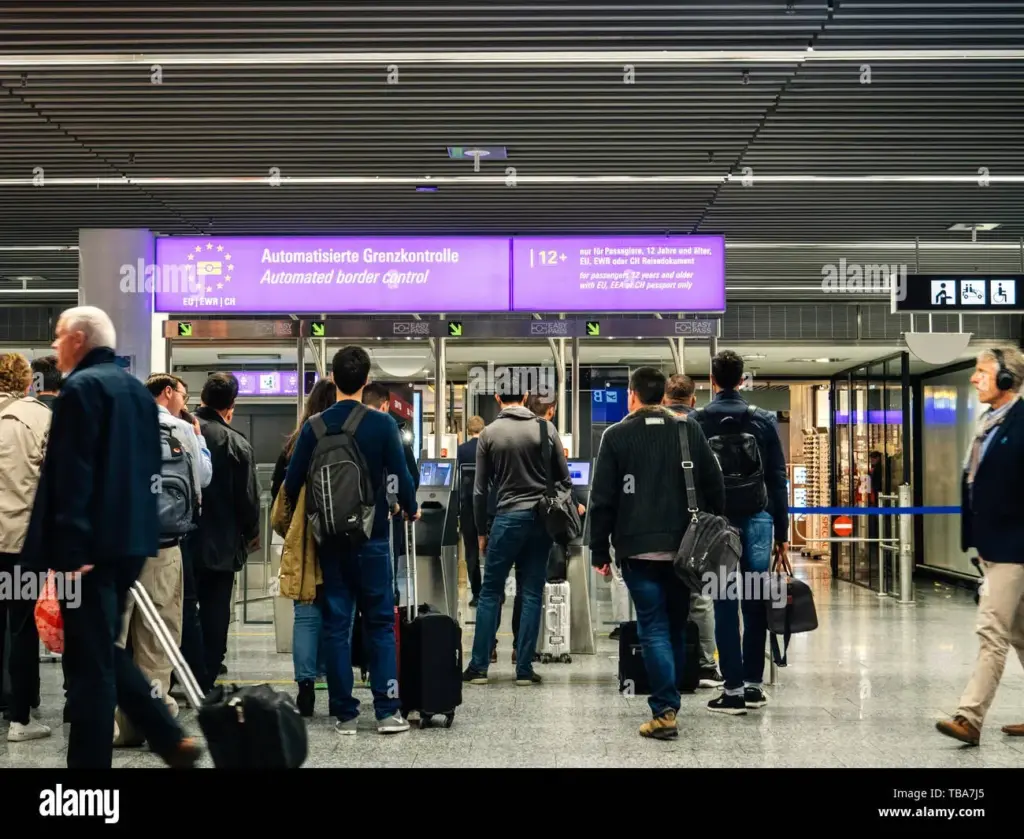
Navigating EU border control queues can be a daunting experience, especially during peak travel seasons. With the rollout of a new biometric border system, long airport queues have become a common complaint among travelers entering Europe. Reports indicate wait times at passport control can stretch to several hours, particularly at busy airports like Geneva and Tenerife. These EES delays create significant frustration for passengers, who often find themselves stuck in seemingly endless lines. To help mitigate these passport control wait times, travelers are encouraged to stay informed and utilize European travel tips to better navigate the situation.
When discussing delays at customs and entry points in Europe, it’s essential to understand the impact of a newly implemented biometric system on traveler experiences. Long lines at airports, synonymous with stress and inconvenience, have become increasingly frequent as the Entry-Exit System (EES) takes effect. This automated approach not only aims to enhance security but also inadvertently contributes to heightened wait times for incoming visitors. As vacationers prepare for adventures across the continent, effective strategies for managing these passport control delays remain crucial. Informing passengers about potential congestion and providing practical travel advice can significantly enhance their overall experience.
Understanding the Impact of the New EU Border Control System
The introduction of the biometric border system in the EU has significantly altered the landscape of passenger processing at major airports. Travelers are now facing notably longer wait times due to the implementation of the Entry-Exit System (EES), which collects biometric information from non-EU citizens. Reports indicate that during peak travel periods, such as summer holidays or winter ski seasons, passengers can experience delays of up to five hours. This shift has caused frustration among travelers and raised questions about the efficiency of the system at critical points of entry into Europe.
In addition to increased processing times, data from airport officials indicates that only half of the required border control points are currently operational under the new system. As a result, many travelers find themselves stuck in long airport queues that could have been avoided with better resource allocation. It is essential for both travelers and airport authorities to understand the implications of the EES and to remain aware of the specific challenges it presents during busy travel times.
Tips for Navigating Long Airport Queues
As the new border control system rolls out, travelers must prepare for potential delays during their journeys. One of the best strategies is to arrive at the airport earlier than usual, allowing ample time to clear security and passport control, despite the long wait times. Additionally, staying informed about the country-specific travel requirements and anticipated peak travel periods can greatly enhance your airport experience. Social media and airport websites often provide real-time updates on queue lengths, which can help travelers adjust their arrival times accordingly.
Moreover, passengers can utilize various European travel tips to make their wait more bearable. For instance, bringing along snacks and entertainment, especially for families with children, is crucial. It’s wise to have activities that engage younger travelers, which can help alleviate the stress associated with long waits. Planning ahead, including securing accommodation near the airport for an easy transit, can provide peace of mind and reduce the overall travel burden.
The Role of Biometric Border Systems in Modern Travel
The advent of biometric border systems like the EES represents a significant step towards modernizing travel procedures within the Schengen area. By collecting biometric data, such as fingerprints and facial images, the system aims to enhance security while expediting passenger flow. However, the new system has also introduced complexities that have resulted in longer passport control wait times for many travelers. Stakeholders are now grappling with the challenge of ensuring that the advantages of improved security do not come at the expense of traveler convenience.
Implementation of biometric borders requires robust infrastructure and sufficient staffing levels at points of entry. Without these critical components, the intended efficiency can be undermined by technical failures or insufficient personnel, leading to congestion at border control. This calls for continuous evaluation and improvement measures from airport authorities and the European Commission to facilitate a balance between security and a seamless travel experience.
Navigating EES Delays and Travel Stress
With the launch of the Entry-Exit System, travelers are faced with unpredictable delays at border control. Reports have surfaced of travelers experiencing wait times ranging from 20 minutes to as long as two hours, particularly at busy destinations like Tenerife. Such variability can lead to considerable stress, especially when additional problems arise, like the malfunctioning of kiosks during peak times. To mitigate these potential stresses, it may be useful for travelers to familiarize themselves with the operation of these systems before their journey.
In response to these challenging circumstances, passengers should cultivate a mindset of flexibility and patience. Embracing the understanding that delays may occur can help manage expectations and maintain a positive attitude during travel. With this approach, travelers can better navigate potential EES delays by planning extra time for their journeys and considering alternate routes if needed.
Travel Preparation: Avoiding Passport Control Wait Times
Effective travel preparation is essential in avoiding the frustrations that can arise from passport control wait times caused by the EES. Travelers should stay updated on the latest regulations and best practices for crossing European borders, particularly if they are non-EU citizens. Ensuring that travel documents are in order, including ensuring compliance with biometric submissions, can streamline the entry process and minimize potential delays at the airport.
Moreover, utilizing technology such as mobile apps that track flight status and border wait times can provide travelers with the necessary insights and aid in their planning. Such tools allow for real-time updates, enabling individuals to make informed decisions about when to arrive at the airport and which terminals may have shorter queues. By arming themselves with information and resources, travelers can decrease the chances of getting caught up in long airport queues.
Future of Travel: Enhancements to EU Border Control System
The future of the EU border control system is likely to see enhancements aimed at improving the traveler experience while maintaining robust security measures. The European Commission has acknowledged the current challenges presented by the EES and is actively promoting discussions on how best to streamline operations, especially during peak travel periods. Collaborations with airport authorities are vital as they work toward balancing traveler security with efficiency in processing.
In addition, advancements in technology, including upgrades to biometric machines and improved staffing policies, are expected to play a key role in addressing the problems reported thus far. Continuous monitoring and adaptations will be necessary to alleviate long wait times at border control as more travelers begin to utilize the EES fully. With these developments on the horizon, there is hope that future European travel may become a more seamless experience.
How to Cope with Increased Travel Disruptions
Travel disruptions can be stressful, especially with the advent of the EES and the long airport queues that have become common. Preparing mentally for the possibility of delays can help in coping with increased travel disruptions. Understanding that a situation might be outside of one’s control allows travelers to focus on finding solutions rather than succumbing to frustration.
Additionally, having a travel contingency plan, such as alternative transportation options or accommodations, can serve to mitigate the stress associated with delays. Staying connected with travel partners or airlines via apps can provide not only updates on flight statuses but also offer insights into any potential border control issues. This proactive approach can make a considerable difference in maintaining peace of mind throughout the travel experience.
The Importance of Coordination in Border Control
Effective coordination among EU member states is crucial for the success of the new border control system. As evident from the long wait times experienced by travelers, it is essential to implement collaborative efforts among member countries to ensure that resources are allocated efficiently. This coordination extends to border authorities working together to adjust procedures during peak periods, allowing for flexibility in handling an influx of travelers.
Furthermore, consistent communication and planning for busy seasons is necessary to avoid being caught off guard by the surge of travelers. Strategies could include sharing best practices among airports and crafting comprehensive operational protocols for peak travel times that focus on optimizing the traveler experience while ensuring compliance with security requirements.
Travel Association Insights on Border Control Operations
Travel associations play an integral role in advocating for improvements in border control operations necessary to reduce long wait times at airports. Organizations like ABTA have emphasized the importance of efficiently utilizing available resources to alleviate traveler delays. They have called on authorities to enhance their capabilities in managing peak travel times and implement contingency measures that can aid in managing unexpected surges in passenger numbers.
Moreover, travel associations provide valuable feedback from the traveler’s perspective, helping identify specific points of inconvenience at border control. By collaborating with governments and airport operators, these associations aim to create a more traveler-friendly experience during border crossings, encouraging the implementation of updated measures that are equipped to handle the modern travel demands and biometric entry requirements.
Frequently Asked Questions
What can travelers expect regarding EU Border Control Queues this holiday season?
Travelers can anticipate significant EU Border Control Queues during the holiday season, particularly at popular airports. The introduction of the new biometric border system has already led to reports of long airport queues, with some passengers waiting up to six hours at peak times. It’s advisable to plan accordingly and expect potential delays.
How is the biometric border system impacting passport control wait times?
The biometric border system, part of the Entry-Exit System (EES), is significantly increasing passport control wait times at EU borders. Reports show that passenger processing times have risen to four or five times longer than usual, leading to long airport queues and delays that can range from 20 minutes to several hours during busy travel periods.
What measures are in place to address EES delays at EU border control?
To tackle EES delays at EU border control, some airports are increasing staff levels and improving technological systems at passport control. However, the European Commission has also indicated that the new system may be partially suspended during peak travel times if queues become unmanageable, especially during the summer months.
What tips can European travelers follow to avoid lengthy queues at border control?
To avoid lengthy queues at border control, European travelers should consider traveling during off-peak hours, efficiently preparing their biometric information in advance, and staying informed about potential EES delays. Additionally, ensuring you have snacks and entertainment can help ease the wait if you encounter long airport queues.
What are the current challenges faced by airports regarding EU Border Control Queues?
Airports are currently facing challenges related to EU Border Control Queues due to the implementation of the Entry-Exit System (EES), which has resulted in increased congestion, staffing shortages, and technology malfunctions. The need for improved coordination among border authorities is crucial to address these congestion issues during busy seasonal travel.
Will there be temporary suspensions of the EES due to border control wait times?
Yes, there will be temporary suspensions of the EES at border control if wait times become unsustainable. The European Commission has acknowledged the possibility of halting the new biometric border system during peak travel periods to alleviate long airport queues and improve the passenger experience.
How has the EES impacted the experience of non-EU travelers at EU borders?
The EES has made the entry process more complex for non-EU travelers, leading to longer wait times at border control. Non-EU citizens must register their biometric information, which has resulted in lengthy queues and unpredictable delays, particularly during high-traffic periods.
What should travelers prepare for regarding passport control wait times this summer?
Travelers should prepare for potentially long passport control wait times this summer due to the biometric border system. Expect queues that could reach five to six hours during peak periods, and plan accordingly by bringing refreshments and allowing extra time for check-in and processing.
| Key Point | Details |
|---|---|
| Introduction of New Biometric Border System | The EU is implementing a new Entry-Exit System (EES) that collects biometric data from non-EU travelers. |
| Long Wait Times Reported | Passengers have experienced wait times of up to six hours at peak times in airports like Geneva and Tenerife. |
| Challenges Faced by Airports | Airports are struggling with increased processing times and equipment failures, leading to congestion. |
| Passenger Concerns | Travelers are advised to prepare for long waits and ensure they have refreshments and activities during busy periods. |
| Possible Suspension of EES | The European Commission indicated that it could suspend the EES during peak periods until September. |
| Response from Travel Authorities | Travel associations urge improved planning and coordination among border control authorities to handle peak travel. |
Summary
EU Border Control Queues are a growing concern as the new biometric border control system is implemented across European airports. Travelers are already facing excessively long wait times, with reports of delays reaching up to six hours during peak travel periods. The situation is critical during holiday seasons, with airports struggling to manage the influx of travelers and maintaining efficient processing times. Authorities are considering suspension of the new system during high-traffic times to alleviate congestion. Planning and coordination between travel and border authorities are essential to improve the experience for passengers, especially as summer approaches.

