
Listen to this article
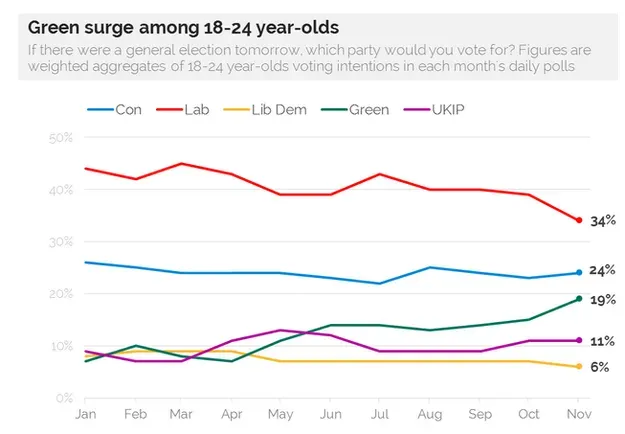
The Green Surge UK Politics is emblematic of a shifting landscape within British political discourse, where the traditional stronghold of the Labour Party is being challenged like never before. As political disillusionment UK citizens feel grows deeper, many are turning to the Green Party, highlighting its remarkable growth amid a backdrop of dissatisfaction with Keir Starmer’s leadership. Green activists in Lewisham are rallying together, demonstrating their commitment to a transformative agenda that resonates with those disenchanted by conventional politics. The notable presence of Zack Polanski, though often overshadowed by broader trends, signifies a new wave of hope for those seeking progressive policies that prioritize environmental and social justice. This phenomenon not only reflects a response to Labour’s perceived shortcomings but also an empowering movement toward a greener future in UK politics.
The rise of eco-political movements in the UK underscores a critical juncture in contemporary governance, where citizens are increasingly looking for alternatives to mainstream parties. With the Green Party’s impressive surge in support, particularly in areas like Lewisham, we witness a palpable shift towards environmental activism as a core component of political engagement. Disillusionment with traditional figures such as the Labour leader, Keir Starmer, catalyzes this transformation, revealing a growing appetite for change among voters. The enthusiasm surrounding local Green organizers point towards a robust grassroots movement, suggesting that more individuals are prioritizing ecological issues and social equity in their political choices. This shift not only redefines party dynamics but also ignites discussions about what the future of UK politics might entail under Green leadership.
The Green Surge: A Shift in UK Politics
The recent growth of the Green Party signals a significant shift in UK politics, particularly among disenfranchised voters who have become disillusioned with traditional parties. This surge is not merely a reaction to the party’s internal leadership, epitomized by figures like Zack Polanski, but a broader reflection of the public’s sentiment towards established parties, especially Labour under Keir Starmer. People across regions, from Lewisham to Manchester, are turning towards the Greens due to a perceived abandonment by Labour of core left-wing values, leading to a newfound enthusiasm for green politics.
Polling indicates that disillusionment with Labour is prevalent, as many former Labour supporters resonate with the principles articulated by Green activists. This dissatisfaction has catalyzed a wave of new membership and activism; the Green Party’s membership in Lewisham skyrocketed from a mere 500 at the start of 2025 to over 2,500 by early 2026. Such momentum indicates that voters are actively seeking alternatives, urging a reevaluation of how traditional political dynamics may be fundamentally altered in the near future.
Keir Starmer’s Labour and the Rise of Green Alternatives
Keir Starmer’s Labour has found itself under intense scrutiny as former loyalists begin to perceive a stark divergence from left-leaning ideals. Amid rising political disillusionment in the UK, many voters articulate their frustrations not through protest but by turning their backs on Labour and embracing the Green Party instead. Rather than merely seeking to reclaim disillusioned voters, the Greens are capitalizing on Labour’s failure to address pressing issues like social inequality and climate change, allowing for an effective consolidation of votes and advocacy.
Skepticism around Starmer’s leadership has created a political vacuum, and Green activists in Lewisham exemplify how community-led movements are now challenging the status quo. The narrative is shifting as voters, particularly those who once supported Labour, feel empowered to voice their dissent by aligning with the Greens, which they view as more aligned with their values, especially on issues such as environmental sustainability and social justice.
Grassroots Activism: The Driving Force Behind Green Growth
The influx of Green activists in Lewisham demonstrates the power of grassroots movements in revitalizing political engagement. With reports of over 600 activists gathering for campaign initiatives, this grassroots surge echoes a growing sentiment across urban areas in the UK where political apathy is waning. The dynamic, interactive nature of these events cultivates a sense of community and shared purpose among activists, invigorating local politics and positioning the Green Party as a viable alternative to established norms.
Activists from various backgrounds are mobilizing, spurred by grievances against Labour’s perceived negligence regarding local issues. This collective action is what sets the Green Party apart, enabling them to establish robust local chapters and effectively mobilize constituents dissatisfied with current political offerings. It paints a vivid picture of a political landscape that is increasingly responsive to community voices, paving the way for transformative change.
Zack Polanski’s Leadership and Its Impact on Green Politics
While Zack Polanski’s leadership is often cited as pivotal in the Green Party’s current ascent, the reality in Lewisham tells a different story. Activists focus less on Polanski’s individual contributions and more on the systemic discontent with the Labour party, particularly Keir Starmer’s policies. This nuanced understanding underscores how grassroots sentiments about large-scale political injustices—like the handling of the Israel-Palestine conflict—are driving support for the Greens.
Polanski’s leadership style inherently reflects the party’s cooperative approach, which emphasizes collective action. Activists find inspiration in their common goals, transcending the challenge of placing the party’s viability on any single individual. The momentum witnessed during events in Lewisham exemplifies how Polanski, while important, is part of a larger tapestry of activism that prioritizes inclusivity and community involvement.
Political Disillusionment in the UK: A Call for Change
Political disillusionment has grown increasingly prevalent in the UK, leading many voters to distance themselves from traditional political parties. This disenchantment is rooted in systemic failures, particularly highlighted by everyday experiences with local councils under Labour, which many voters feel have not prioritized their welfare. Green Party activists recognize this sentiment and amplify calls for change, offering a platform that resonates with those yearning for social justice and environmental accountability.
In metropolitan centers, the narrative of disillusionment plays out vividly, as communities voice their frustrations regarding ineffective governance, often pointing to Labour’s compromises on issues that directly impact their lives. The Greens’ message of sustainability and equity effectively captures this growing narrative of discontent, positioning them as a legitimate option for those who feel overlooked by Labour’s focus on mainstream political agendas.
The Future of Green Politics in the UK
The surge in Green Party membership suggests a promising future for green politics in the UK. As more voters align with the party’s vision, there is potential for the Greens to redefine political engagement beyond traditional voting patterns. The challenges they face, however, include maintaining momentum and ensuring their rapid growth translates into tangible electoral success. This entails crafting a compelling message that resonates not only with environmentalists but also with those concerned about social equality and economic justice.
The evolution of green politics in the UK, driven by grassroots activism and a growing voter base, signals that the Green Party could emerge as a serious contender in future elections. Building upon this progressive wave requires a focus on hybrid strategies that incorporate both local grassroots efforts and comprehensive national policies. By addressing potential vulnerabilities and strategically amplifying their message, the Greens have the potential to reshape the UK political landscape and secure their place as a mainstay in British politics.
The Role of Local Activism in Political Change
Local activism plays a crucial role in shaping political change, particularly within constituencies feeling underserved by existing parties. In areas like Lewisham, the rise of Green activists showcases how community members are rallying around common causes, thereby amplifying their voices and demanding accountability. This grassroots approach fosters engagement on a local level while creating pathways for broader political discourse. As more individuals join the cause, they build a formidable presence that challenges established political structures.
Engaging local communities enables activists to highlight issues that resonate deeply with residents, such as housing, education, and environmental sustainability. By prioritizing these concerns, Green activists not only strengthen the party’s appeal but also encourage greater democratic participation. This heightened community engagement illustrates how local activism can serve as a blueprint for political movements seeking to disrupt traditional party hierarchies and cultivate a more equitable political atmosphere.
The Shifting Dynamics of Left-Wing Politics
As the landscape of left-wing politics shifts in the UK, the ascendance of the Green Party represents an essential reaction to the perceived inadequacies of traditional leftist parties. The Green Party is now successfully attracting former Labour supporters who feel that Keir Starmer’s leadership does not uphold core values of social justice and environmental protection. This evolution underscores a broader trend of disillusionment with mainstream parties, which are increasingly viewed as out of touch with the pressing needs of the electorate.
This new alignment illustrates the reconfiguration of left-wing politics, where voters are willing to explore alternative ideologies and parties that resonate with their progressive ideals. As this movement gains traction across the UK, it prompts questions about the future of established parties and the potential reshaping of political alliances moving forward. With its growing appeal, the Green Party stands at the forefront of this political transformation, presenting itself as a credible alternative ready to champion systemic change.
UK’s Political Landscape: A New Era of Green Politics
The current political landscape in the UK is indicative of a transformative era characterized by an increasing emphasis on green politics. As environmental issues become more critical in voters’ minds, the Green Party emerges not only as a political force but as a voice for a generation that prioritizes sustainability and equality. This shift signifies a potential dismantling of long-held political affiliations, as disenchanted voters seek new avenues to enact change.
With growing numbers of activists mobilizing to support the Green Party’s ideals, there is a clear indication that voters are evolving in their political affiliations. This could mark the beginning of a significant change in how policies are debated and implemented, emphasizing a community-centered approach that prioritizes ecological balance and societal equity. As this green wave continues to gain momentum, the UK may well be on the cusp of a revolutionary rethinking of its political priorities.
Frequently Asked Questions
What is the significance of the Green Party growth in current UK politics?
The Green Party growth represents a significant shift in UK politics, particularly in areas like Lewisham where disillusionment with Labour is rising. This movement shows that voters are actively seeking alternatives, indicating that a Green Surge is reshaping traditional political loyalties.
How is Keir Starmer’s Labour contributing to the Green Surge in UK politics?
Keir Starmer’s Labour has inadvertently fueled the Green Surge by failing to connect with left-leaning voters. Many former Labour supporters are turning to the Green Party, reflecting their dissatisfaction with Labour’s policies and approach, thus boosting Green Party membership and engagement.
What role do Green activists in Lewisham play in the political landscape of the UK?
Green activists in Lewisham are pivotal in the Green Surge, mobilizing local support and contributing to the party’s rapid growth. Their efforts highlight a grassroots movement that challenges the dominant Labour party, showcasing how local activism can influence national politics.
Who is Zack Polanski and why is he important to the Green Surge in UK politics?
Zack Polanski is a prominent leader of the Green Party whose leadership is seen as a fresh start for the party. While many local activists credit their movement’s momentum to Labour’s failings under Starmer, Polanski’s proactive approach aims to capitalize on this energy and broaden the party’s appeal.
How does political disillusionment in the UK explain the rise of the Green Party?
Political disillusionment in the UK, particularly with parties like Labour, explains the rise of the Green Party as voters seek a viable alternative. This disillusionment has catalyzed a Green Surge, with many recognizing the party’s potential to address pressing social and environmental issues.
| Key Point | Description |
|---|---|
| Disillusionment with Labour | Growing dissatisfaction with Labour has led voters to explore Green alternatives. |
| Historic Attendance | The Lewisham event marks the largest turnout in Green history for a council campaign. |
| Rise in Membership | Green party membership in Lewisham skyrocketed from 500 to 2,500 in just over a year. |
| Impact of Leadership | Activists acknowledge Zack Polanski’s role, but attribute much of the surge to Labour’s failures under Starmer. |
| Diverse Reasons for Switching | Many former Labour supporters cite issues like Palestine and local governance as reasons for switching to Greens. |
| Challenges Ahead | Despite growth, the Greens face infrastructure issues and organizational sustainability concerns. |
Summary
The Green Surge in UK Politics signals a critical turning point as traditional leftwing voters increasingly shift away from the Labour Party. This movement is significantly fueled by their dissatisfaction with local and national leadership failures, particularly under Keir Starmer. With record membership growth and historic event attendance, the Green Party is positioning itself as a viable alternative for left-leaning voters disillusioned by Labour’s direction. However, challenges remain for the Greens in maintaining organizational integrity and addressing the diverse concerns of their new supporters.