Listen to this article
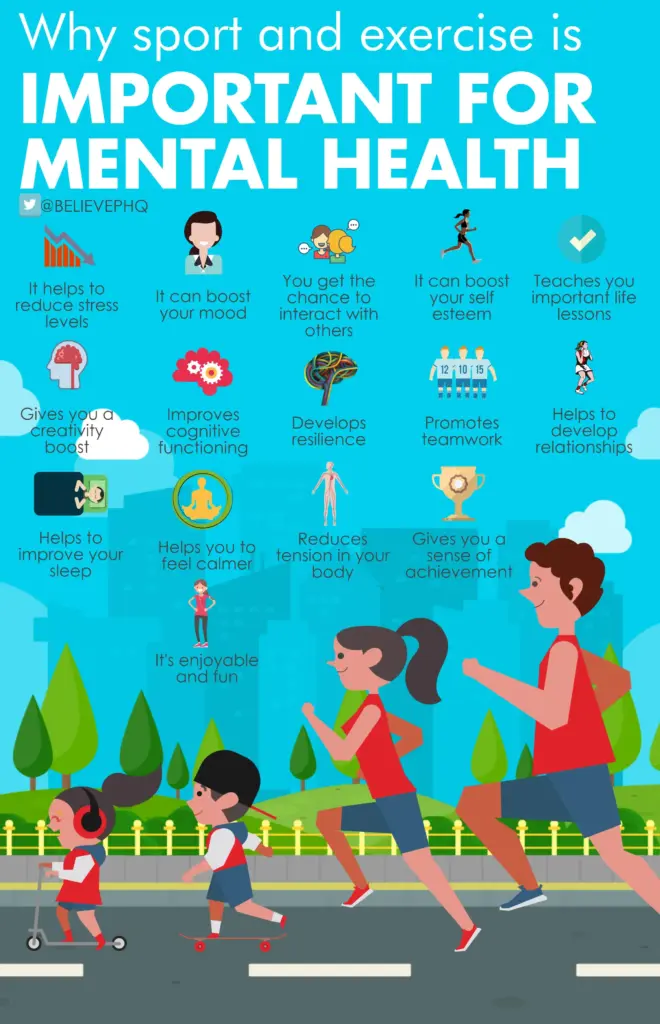
In recent years, the integration of sport and mental health has become a pivotal topic, gaining recognition for its far-reaching impact on overall wellbeing. Whether it’s the camaraderie found in team sports or the personal growth fostered through competition, the benefits of sports for mental health are profound. Engaging in physical activity not only releases endorphins—the chemicals that create feelings of happiness—but also plays a significant role in alleviating stress and anxiety. As we explore how sports affect mental health, it becomes increasingly clear that regular participation can lead to improved emotional resilience and cognitive functioning. Ultimately, understanding the connection between physical activity and overall mental wellbeing can pave the way for more individuals to harness these advantages in their lives.
When discussing the intersection of athletics and psychological wellness, many alternative phrases can shed light on the topic’s significance. The concept of physical activities promoting emotional stability highlights how engaging in various forms of exercise can enhance individual resilience and foster mindfulness. This connection encompasses not just the camaraderie found in group sports but also the enriching experiences provoked by competitive environments. Delving into the effects of physical movement on mental clarity and emotional health reveals insight into how structured routines can improve one’s outlook on life. By embracing these perspectives, we can appreciate the multifaceted relationship between exercise and mental wellbeing.
The Positive Impact of Team Sports on Mental Wellbeing
Team sports have a unique way of fostering strong relationships, which can greatly enhance mental wellbeing. As players collaborate and strategize together, they build a network of support that extends beyond the playing field. This camaraderie plays a crucial role in alleviating feelings of loneliness and anxiety, offering a sense of belonging that is often missing in individual pursuits. The relationships formed through team sports encourage open communication and emotional support, helping individuals navigate their mental health challenges more effectively.
Moreover, engaging in team sports can significantly boost self-esteem and self-worth. As individuals contribute to the team’s successes, they experience a sense of accomplishment that translates to improved mental health. The drive to collaborate toward shared goals cultivates a positive self-image, reinforcing the idea that they are valued members of their team. This sense of purpose is vital for psychological resilience, as it provides individuals with the motivation to overcome personal hurdles.
Understanding How Competition Shapes Mental Health
Competition in sports, while sometimes perceived as solely focused on winning, plays a pivotal role in mental development. Engaging in competitive environments teaches athletes valuable life skills such as resilience and stress management. Athletes learn to cope with losses and setbacks, which can foster a mindset geared toward growth rather than defeat. By embracing competition, individuals are equipped to face challenges more robustly, translating these skills into their personal and professional lives.
Additionally, competition can spark increased motivation and passion for sports. The drive to outperform oneself can lead to setting higher goals and pushing personal limits, resulting in enhanced discipline and satisfaction. As athletes navigate the ups and downs of competition, they cultivate a proactive approach to life’s challenges, contributing to a healthier mindset that values perseverance and continuous improvement.
Exploring the Neurobiological Benefits of Sports
Engaging in sports leads to significant neurobiological changes that positively affect mental health. For instance, regular physical activity stimulates neurogenesis, which is the growth of new neurons in the brain. This process has profound implications for memory, learning, and emotional regulation—areas often compromised by stress and anxiety. By encouraging neurogenesis, sports can help individuals develop stronger cognitive abilities that enhance their overall quality of life.
Furthermore, sports are instrumental in reducing cortisol levels, the hormone linked with stress. Lower cortisol levels lead to decreased feelings of anxiety and create a calmer mental state. Consequently, individuals who participate in sports can manage stress more effectively, paving the way for improved mental clarity and emotional stability. The cognitive benefits of sports not only support performance in academic and work settings but also contribute to heightened life satisfaction.
Incorporating Mindfulness into Physical Activity
Mindful movement practices such as yoga, tai chi, and Pilates integrate physical activity with mental focus, providing dual benefits for wellbeing. These activities emphasize being present and engaged with one’s body, helping individuals cultivate a deeper connection to their physical and mental states. Regular practice can lead to lower anxiety levels and improved emotional regulation, promoting a healthier mental outlook and greater resilience.
Additionally, incorporating mindfulness into physical exercises encourages participants to tune into their bodies and release tension effectively. Engaging in mindful movement allows individuals to approach traditional sports from a new perspective, emphasizing enjoyment and personal growth over competition. This shift can enhance motivation levels and make physical activity more sustainable and fulfilling.
The Role of Sports in Building Resilience
Building resilience is critical for mental health, and sports provide an excellent platform to develop this essential trait. Through regular participation, athletes learn to navigate the trials of winning and losing, which fosters a growth mindset. This experience cultivates a robust psychological toolkit, allowing individuals to cope with various life challenges. Such resilience is particularly important in youth, as it equips them with the skills necessary to handle life’s stresses and uncertainties as they grow.
In addition, sports highlight the importance of perseverance. Athletes often face setbacks, whether it be injuries, losses, or performance anxiety, but learning to push through these adversities reinforces their mental strength. This training in resilience transcends the realm of sports, empowering individuals to tackle personal and professional obstacles with confidence and determination.
Improving Social Skills Through Team Participation
Participating in team sports cultivates essential social skills such as cooperation and effective communication. These are not only crucial for enhancing team dynamics but also play a pivotal role in personal relationships. Through learning how to articulate needs and feelings amidst team activities, participants enhance their interpersonal skills, resulting in better relationships outside of sports settings.
Additionally, team sports provide a social network that encourages individuals to engage in group activities. This collaboration can lead to lasting friendships and broad social connections, which are an important buffer against isolation and mental health issues. As players learn to navigate different personalities and perspectives, they enhance their emotional intelligence, which is fundamental for fostering a supportive social environment.
Setting Realistic Goals in Sports and Life
Setting personal goals in sports plays a crucial role in promoting mental health and overall wellbeing. Whether it’s achieving a certain fitness level or mastering a new skill, goal-setting encourages individuals to stay committed and motivated. By celebrating small achievements along the way, individuals can develop a sense of accomplishment that boosts their self-esteem and reinforces a positive self-image.
Moreover, the practice of setting and pursuing goals in sports can translate to life outside of athletics. When individuals learn to set realistic and attainable goals, they cultivate a proactive approach to challenges. This process fosters resilience and enhances overall mental health, as achieving goals serves as a source of intrinsic motivation and satisfaction.
Creating a Balanced Routine with Sports
Incorporating sports into a daily routine can significantly improve both physical and mental health. A balanced routine that includes regular physical activity can help alleviate feelings of stress and anxiety while enhancing mood. By dedicating specific times for sports, individuals can ensure that they prioritize their mental wellbeing amid busy schedules.
Additionally, mixing various forms of physical activity can prevent monotony and keep engagement levels high. Experimenting with different sports or fitness classes not only keeps routines fresh but also provides opportunities for learning new skills. This variety fosters enjoyment and encourages individuals to remain active, reinforcing the mental health benefits associated with regular exercise.
Understanding the Holistic Benefits of Sports Engagement
The holistic benefits of engaging in sports extend beyond physical health to encompass significant improvements in mental and emotional wellbeing. Participating in sports fosters a sense of community and belonging that is imperative for maintaining mental health. The collective experience nurtures social bonds that help individuals feel connected and supported during difficult times, which can buffer against feelings of isolation and depression.
Moreover, the combination of physical activity, teamwork, and competition contributes to overall personal growth. By engaging in sports, individuals develop not only their physical prowess but also valuable life skills such as discipline, teamwork, and resilience. These holistic benefits underscore the profound impact sport can have on enhancing mental health, illustrating the important role it plays in fostering a well-rounded, fulfilling life.
Frequently Asked Questions
What are the benefits of sports for mental health?
Sports provide various benefits for mental health, including the release of endorphins which help reduce feelings of anxiety and depression. Engaging in physical activity through sports also fosters resilience, boosts self-esteem, and enhances overall mood, promoting mental wellbeing.
How do team sports influence mental health?
Team sports positively influence mental health by fostering social connections, creating supportive environments, and developing communication skills. The collaborative nature of team sports helps combat loneliness and builds a sense of belonging, which are essential for emotional health.
How does competition in sports affect mental health?
Competition in sports can enhance mental health by teaching resilience and motivating individuals to improve. Coping with wins and losses develops valuable life skills, while the motivation to compete can instill a sense of accomplishment and boost self-esteem.
In what ways do physical activity and wellbeing connect?
Physical activity significantly contributes to wellbeing by improving mood, cognitive function, and stress management. Regular engagement in sports releases feel-good hormones and reduces cortisol levels, leading to better mental health outcomes.
What role does teamwork in sports play for mental health improvement?
Teamwork in sports plays a crucial role in mental health by creating a sense of community and shared purpose. This support system helps individuals build meaningful relationships, which can decrease feelings of isolation and enhance emotional resilience.
How can sports aid in stress management?
Sports aid in stress management by providing an outlet for physical activity that reduces stress hormones like cortisol. Participation in sports also teaches effective coping strategies through competition and teamwork, helping individuals handle stressors more effectively.
What are the neurobiological effects of engaging in sports?
Engaging in sports promotes neurogenesis, enhances cognitive functions, and lowers stress levels in the brain. These neurobiological changes contribute to improved emotional control, memory, and overall mental fitness.
Can playing sports improve cognitive functions?
Yes, playing sports can significantly improve cognitive functions such as attention, memory, and executive functioning. Regular physical activity boosts brain health, leading to better academic performance and life satisfaction.
How can I incorporate sport into my mental health routine?
To incorporate sport into your mental health routine, consider joining team sports, setting personal goals, engaging in mindful movement activities like yoga, and mixing up your exercise routine to keep it enjoyable and engaging.
What are some effective strategies for maintaining mental health through physical activity?
Effective strategies for maintaining mental health through physical activity include participating in team sports for social connection, setting achievable fitness goals, practicing mindful movement, and varying your activities to prevent burnout and keep the experience enjoyable.
| Key Topics | Details |
|---|---|
| Introduction | Discusses the rising awareness of mental health and the role of sport in improving mental wellbeing. |
| Connection Between Sport and Mental Health | Research highlights how physical activity boosts endorphins, resilience, self-esteem, and overall emotional health. |
| Teamwork Benefits | Fosters social connections, support, shared goals, and communication skills vital for mental health. |
| Role of Competition | Instills resilience, motivation, and stress management skills through competitive experiences. |
| Neurobiological Effects | Sports enhance neurogenesis, reduce stress, and improve cognitive functions. |
| Tips for Incorporation | Encourages choosing team sports, setting personal goals, engaging in mindful movements, and variety. |
| Conclusion | Engaging in sports promotes social connections, resilience, and overall mental health, presenting a valuable approach to wellbeing. |
Summary
Sport and mental health have a profound connection, with engaging in physical activities offering numerous psychological benefits. Regular participation in sports not only releases endorphins that improve mood but also fosters essential social connections through teamwork. Incorporating competitive elements enhances resilience and motivation, crucial for overall mental wellbeing. Furthermore, the neurobiological impacts of exercise highlight its role in improving cognitive functions and reducing stress. Embracing sports as part of a mental health routine can lead to better emotional regulation and a more fulfilling lifestyle.