
Listen to this article
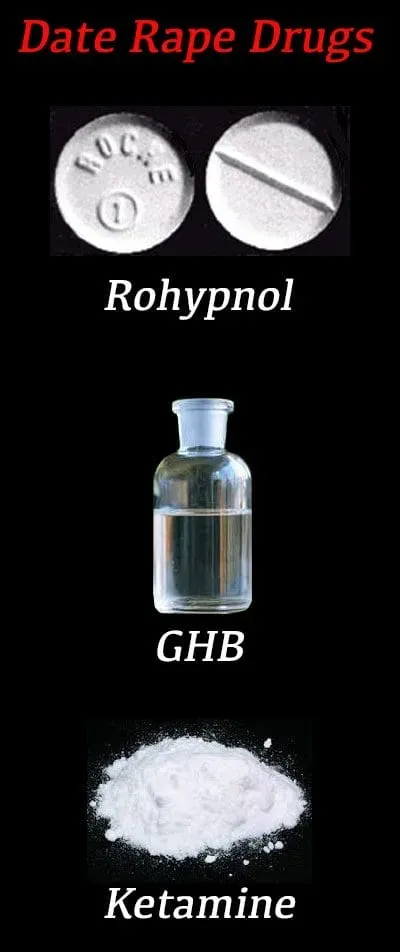
Date-rape drugs, including substances like gamma-butyrolactone (GBL), pose a significant threat to individuals in social settings, particularly within bars and clubs. The alarming issue of drink spiking has gained heightened attention due to recent incidents, such as the Vikas Nath trial, where a restaurateur was accused of drugging a woman’s drink at the prestigious Annabel’s club in London. This case shines a light on the serious consequences of date rape allegations, emphasizing the importance of awareness and prevention in such environments. With rising concerns over the safety of nightlife venues, it is crucial to inform the public about the risks associated with these drugs and how they can be effectively mitigated. Understanding the dangers of date-rape drugs not only protects individuals but also fosters a safer nightlife culture for everyone.
The growing concern over drink spiking highlights the sinister tactics used by perpetrators to incapacitate their victims at social gatherings. Substances used to facilitate these heinous acts, often referred to as ‘predatory drugs,’ include those like GBL, which have been implicated in various incidents of sexual assault. The recent Vikas Nath trial serves as a troubling reminder of how easily trust can be betrayed in intimate settings such as exclusive nightclubs like Annabel’s. As more cases of drugging and sexual misconduct surface, it becomes essential to educate individuals about the potential dangers of unknown substances and their alarming prevalence. Raising awareness about the threat of drink spiking is vital in creating strategies to combat this scourge and ensure safety in social interactions.
Understanding Date-Rape Drugs and Their Impact
Date-rape drugs, such as gamma-butyrolactone (GBL), have emerged as notorious substances in incidents of drink spiking, which tragically have become a common problem in nightlife. In the heart of cities like London, as highlighted by the recent Vikas Nath trial, understanding these drugs is crucial. GBL, often perceived as a harmless substance, can have devastating effects when used maliciously. It can render individuals incapacitated, leading to situations ripe for exploitation, which is why awareness and education about these drugs are paramount in preventing such heinous acts.
The effects of date-rape drugs can vary significantly based on the dosage and the individual’s tolerance levels. Victims often report feelings of confusion, disorientation, and incapacitation, which can lead to an inability to give consent. The incident involving Nath at Annabel’s club underscores the urgent need for clubs and bars to implement stringent measures against drink spiking. Increasing awareness among patrons about the potential dangers of accepting drinks from strangers is essential, as well as encouraging the reporting of any suspicious behavior observed within these establishments.
The Vikas Nath Trial: A Closer Look
The Vikas Nath trial is a crucial case that has brought the issue of drink spiking, particularly with date-rape drugs like GBL, into the public eye. Nath, a well-known restaurateur, admitted to introducing a substance into a woman’s drink but insisted that his intentions were benign. He claimed to be attempting to calm her anxiety, a narrative that many find troubling in light of the serious accusations against him. The trial, taking place at Southwark Crown Court, has sparked discussions about consent and the responsibility individuals have in social settings, especially regarding alcohol consumption.
During the proceedings, the scenario at Annabel’s club exemplifies the risks individuals face regarding drink spiking. The court’s details about how Nath allegedly mixed the GBL with tequila and used a straw to administer it raises critical questions about awareness and protocols at nightlife venues. The quick action of the club staff, who managed to substitute the drugged drink, highlights the importance of vigilance within such environments. This high-profile case serves as a pivotal point for dialogue surrounding the legal and social implications of drugging someone without consent.
The Incident at Annabel’s Club: A Case Study
The incident at Annabel’s club involving restaurateur Vikas Nath has drawn attention to the unsettling reality of drink spiking in social venues. On the date in question, Nath allegedly utilized a cleaning substance he incorrectly believed was harmless to influence the behavior of a woman he had met previously. This alarming misunderstanding reveals the pressing need for better education regarding substances like GBL, which are often misapplied to harm others rather than offer any form of assistance. Victims of such incidents often face a lifetime of trauma and psychological effects that should never be taken lightly.
Moreover, Annabel’s club’s response to the drink-spiking incident illustrates the crucial role establishments play in safeguarding patrons. By promptly intervening and replacing the drink before the victim consumed it, staff demonstrated an active commitment to ensuring safety. This incident serves as an essential case study, prompting all clubs and bars to formulate and enforce strict anti-drink spiking policies, and train their staff on how to recognize potential dangers in real-time, fostering a safer nightlife experience for all patrons.
The Consequences of Drink Spiking
Drink spiking is not only a crime but carries severe psychological and emotional consequences for victims. Survivors of these attacks may experience feelings of shame, guilt, and confusion, compounded by the trauma of the assault itself. The Vikas Nath trial is a stark reminder of the long-lasting effects of such acts, not only on the victim but also on the perpetrator, who faces significant legal repercussions. In Nath’s case, the admission of guilt puts into perspective the wrongful justification often provided by individuals who commit such acts, as they might genuinely believe they are acting in the victim’s best interest.
Furthermore, the legal ramifications of drink spiking are becoming increasingly severe. Courts are recognizing the grave nature of these allegations, and cases like Nath’s play a critical role in shaping public perception and policy surrounding date-rape drugs. Legal consequences can range from fines to lengthy prison sentences, prompting many to reconsider the implications of their actions in social settings. As awareness grows, it is hoped that such incidents will decline, leading to a more respectful and safe nightlife atmosphere.
Educating the Public on Drink Spiking
Public education on drink spiking and the use of date-rape drugs like GBL is paramount in combating this issue. Awareness campaigns should focus on the methods used by perpetrators to spike drinks, encouraging individuals to be vigilant about the beverages they accept. Knowledge is power; by informing potential victims about the risks, they can take preventive measures, such as watching their drinks and being wary of accepting beverages from strangers. Events and workshops can also serve to educate the public, equipping them with the tools needed to protect themselves.
Social media platforms and community organizations must play a pivotal role in spreading this educational content, targeting younger demographics who frequent nightlife spots. Further, collaborations with local establishments can foster a collective responsibility approach to ensure that all patrons feel safe and respected. The prosecution in cases like Vikas Nath’s highlights the consequences of neglecting these issues, and proactive education can serve as the first line of defense against drink spiking.
The Role of Nightlife Venues in Preventing Drink Spiking
Nightlife venues hold a significant responsibility in preventing incidents of drink spiking. Establishments like Annabel’s club should have comprehensive protocols in place to identify and respond to suspicious behavior. Staff training programs focusing on recognizing the signs of intoxication or anxiety can empower employees to act swiftly when they suspect a drink has been tampered with. It is essential for venues to create a culture of safety, where patrons feel comfortable reporting concerns without fear of judgment.
Moreover, implementation of preventative measures such as drink covers, anti-spiking technology, and awareness signage can further protect customers from potential harm. The responsibility rests on both patrons and establishments to work together against drink spiking incidents. The ongoing Vikas Nath trial emphasizes the urgent need for proactive measures in nightlife locations, ensuring that all guests can enjoy their time out without the threat of predatory behavior.
Legal Implications of Drink Spiking
The legal implications surrounding drink spiking and allegations of date rape are complex and serious. Recent cases, like the Vikas Nath trial, highlight how the justice system addresses such accusations and the importance of a victim-centric approach. Prosecutors must prove beyond a reasonable doubt that the accused acted with intent to harm, which often necessitates a careful examination of evidence, witness testimonies, and expert opinions. The burden to substantiate claims is heavy, necessitating robust legal action against those who exploit others in social settings.
Moreover, emerging legal frameworks are increasingly focusing on the culpability of those who facilitate the act of drink spiking, including social venues that fail to provide adequate safety measures. Courts are beginning to recognize that a culture of negligence contributes to these crimes, paving the way for stronger regulations on nightlife establishments. As public awareness of the issue grows through media coverage and high-profile trials, the legal landscape is evolving, pushing for accountability in preventing drink-related crimes.
Psychological Impact on Victims of Drink Spiking
The psychological impact on victims of drink spiking can be profound and long-lasting. Victims often grapple with feelings of vulnerability, anxiety, and depression stemming from their experiences. The trauma associated with being incapacitated can affect their mental health, relationships, and overall quality of life. In instances highlighted by the Vikas Nath trial, this trauma may manifest as post-traumatic stress disorder (PTSD), leading to ongoing struggles even after the immediate threats have passed.
Support systems and counseling services play a crucial role in assisting victims in coping with their experiences. Community organizations and mental health professionals must be prepared to offer specialized support tailored to those affected by drink spiking. Public conversations around these issues can help destigmatize the experiences of victims, encouraging more individuals to come forward and seek help. By prioritizing mental health support, society can begin to heal the wounds inflicted by such unacceptable acts.
Advocacy and Support for Survivors of Drink Spiking
Advocacy for survivors of drink spiking is essential in fostering an environment where victims feel empowered to speak out and seek justice. Organizations dedicated to this cause can provide invaluable resources, including legal assistance, counseling, and support groups. The Vikas Nath trial underscores the importance of raising awareness about such organizations, ensuring that victims know they are not alone and that help is available. Strong advocacy can lead to systemic change within both the legal and social realms, paving the way for improved protections against such crimes.
In addition to legal advocacy, community outreach programs can play a vital role in preventing future incidents. By partnering with schools, universities, and nightlife venues, these organizations can disseminate important information on the dangers of drink spiking and the specifics of date-rape drugs like GBL. Collective efforts can help transform societal perceptions of consent and responsibility, ultimately reducing the occurrences of drink spiking in social settings and creating safer environments for everyone.
Frequently Asked Questions
What are date-rape drugs and how do they relate to drink spiking incidents?
Date-rape drugs are substances that are used to incapacitate individuals, often in the context of sexual assault. They are commonly associated with drink spiking incidents, where someone secretly adds a drug to a victim’s beverage without their knowledge. GBL, as mentioned in the recent Vikas Nath trial, is a type of date-rape drug that can lead to loss of control over one’s senses and decision-making.
How does gamma-butyrolactone (GBL) function as a date-rape drug?
Gamma-butyrolactone (GBL) is a substance that affects the central nervous system and can induce sedation, relaxation, and in some cases, amnesia. Its use in drink spiking incidents, like the one in the Annabel’s club case involving Vikas Nath, shows how it can be misused to overpower victims without their consent.
What legal actions can arise from drink spiking with date-rape drugs?
Legal consequences for drink spiking with date-rape drugs are serious, including charges for sexual assault, drug offenses, and battery. The ongoing trial of Vikas Nath highlights the judicial system’s role in addressing such allegations and ensuring accountability for those who attempt to administer substances with the intent to incapacitate.
What should you do if you suspect drink spiking with a date-rape drug?
If you suspect drink spiking with a date-rape drug, it’s important to seek help immediately. Contact the authorities, report the incident to the venue staff, and seek medical attention. Evidence can often be collected through testing, and timely action improves the chances of identifying the substance and holding the perpetrator accountable.
Can you identify signs of drink spiking related to date-rape drugs?
Signs of drink spiking related to date-rape drugs can include sudden confusion, loss of control, dizziness, nausea, and memory loss. If someone begins to show these symptoms after consuming a drink, particularly in social settings, it is crucial to monitor their condition and seek help.
What is the significance of the Vikas Nath trial in the context of date-rape drug awareness?
The Vikas Nath trial is significant as it sheds light on the serious issue of date-rape drugs in social situations, such as the infamous Annabel’s club incident. It raises awareness about the importance of vigilance in protecting oneself and others from drink spiking and emphasizes the legal repercussions that offenders face.
What are some preventative measures against drink spiking with date-rape drugs?
Preventative measures against drink spiking with date-rape drugs include never leaving drinks unattended, being cautious about accepting drinks from strangers, and being aware of your surroundings. Establishing a buddy system among friends can also enhance safety while socializing.
How can establishments like clubs prevent drink spiking incidents?
Clubs and bars can prevent drink spiking incidents by implementing staff training on recognizing suspicious behavior, ensuring drink safety by providing sealed containers, and actively promoting a safe and secure atmosphere for patrons. The attention to incidents like the Vikas Nath case serves as a reminder of their responsibility.
| Key Point | Details |
|---|---|
| Accusation Against Vikas Nath | Accused of spiking a woman’s drink with a date-rape drug at Annabel’s, a private club in London. |
| Substance Used | Gamma-butyrolactone (GBL), introduced using a straw. |
| Claim of Intent | Nath claimed he did it to “calm” the woman, not with malicious intent. |
| Admission of Wrongdoing | Nath admitted the action was wrong and expressed regret. |
| Context of the Incident | The incident occurred on January 15, 2024. Nath had met the woman before. |
| Staff Intervention | Club staff noticed Nath and replaced the drugged drink with a fresh one. |
| Disposal of Evidence | Nath disposed of the GBL bottle when police were arriving. |
| Current Status | The trial is ongoing. |
Summary
Date-rape drugs have become a concerning issue, especially highlighted by the recent case involving restaurateur Vikas Nath. Accused of spiking a woman’s drink with gamma-butyrolactone (GBL) at a prestigious London club, Nath admitted to his actions but claimed his intent was not malicious. As the trial unfolds, it raises critical discussions on consent, the responsibilities of individuals in social settings, and the impact of substances like date-rape drugs on safety and trust. Ensuring awareness and prevention against such drugs is imperative to safeguard individuals in social environments.