Listen to this article
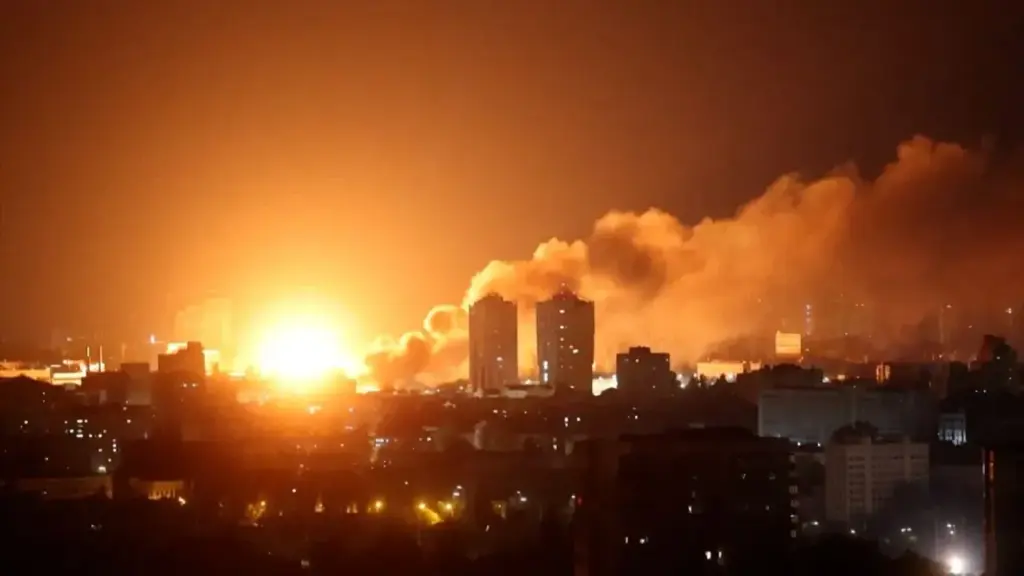
The ongoing Russian attacks on Ukraine have escalated tensions dramatically, leaving a trail of devastation in their wake. With temperatures plunging to -20°C, these recent assaults primarily targeted critical infrastructure, particularly in cities like Kyiv, where power outages have become a dire reality for residents. UK Prime Minister Sir Keir Starmer condemned these actions as ‘barbaric,’ highlighting the significant damage to Ukrainian energy sites that has exacerbated the ongoing Ukraine energy crisis. Thousands are left without heating, and communal kitchens are being set up in response to the chilling cold, further underlining the humanitarian impact of the war. As Russia’s recent attacks continue to cripple Ukrainian infrastructure, the consequences are felt beyond the battlefield, raising concerns about long-term stability and recovery in the region.
In the wake of heightened hostilities, the situation in Ukraine presents a grim picture as military aggression from Russia intensifies. This conflict has resulted in widespread hardship, particularly evident in the energy crisis that has left millions in search of warmth and basic amenities. The recent surge in Russian drone strikes on Ukrainian cities showcases the brutal reality of warfare, where local residents face daily threats to their safety and well-being. As the country grapples with significant infrastructure damage and power disruptions, discussions around securing a peace agreement become increasingly urgent. Amidst these challenges, the broader implications of the conflict resonate beyond borders, impacting energy supplies throughout Europe and drawing international attention to the urgent need for resolution.
The Humanitarian Crisis in Kyiv Amid Energy Shortages
The humanitarian crisis in Kyiv has escalated dramatically as temperatures plunge, forcing residents to confront extreme cold. With communal kitchens and heating centers popping up in response to the ongoing power outages, many individuals find themselves without proper heating. The recent Russian attacks on Ukraine’s energy infrastructure have left over 1,000 tower blocks in the capital without heat, highlighting the direct impact of warfare on civilian life. The government is working tirelessly to set up safe spaces for residents to gather and warm up, but the challenge of dealing with preexisting energy shortages has amplified the dire situation.
As the war continues, the emotional toll on residents is palpable. The bleak reality of sheltering in metro stations and pitching tents to protect against frigid temperatures raises questions about the sustainability of life in Kyiv during such a severe crisis. The humanitarian response by the government and international aid organizations, including plans to import generators and repair damaged infrastructures, is crucial to alleviating some of the immediate suffering caused by the ongoing conflict. However, the repair operations are extended and complicated by the frequency of attacks, leaving many in a fragile state of uncertainty.
The Devastating Impact of Russia’s Recent Attacks on Ukrainian Infrastructure
The latest Russian attacks have caused significant damage to vital Ukrainian infrastructure, leading to an energy crisis that has made lives unbearable for many. Critical facilities such as the Darnytsia Combined Heat and Power plant in Kyiv have suffered severe destruction, leaving the city vulnerable to further energy shortages. As temperatures drop significantly, the focus turns to how quickly repairs can be made to restore heat and power to residents who are enduring life-threatening conditions. The extensive damage underscores the brutal tactics employed in wartime, as civilian infrastructure becomes a primary target, resulting in detrimental impacts on the Ukrainian populace.
In addition to power plants, the attacks have affected numerous other structures essential for daily living. Many residents report experiencing complete blackouts that persist for extended periods, trapping families in dark, cold apartments and limiting their access to necessary resources. Reconstruction efforts are hampered by ongoing threats of additional strikes, with reports of drone attacks complicating repair timelines. The urgency for international support and materials is increasingly critical, as Ukraine seeks to stabilize its energy system amid a backdrop of continued aggression from Russia.
International Response to the Ongoing Conflict in Ukraine
The global response to the ongoing conflict in Ukraine continues to evolve as the situation deteriorates. Recent diplomatic efforts in Abu Dhabi demonstrate the international community’s recognition of the need for a resolution, with US envoys engaging directly with Russian and Ukrainian negotiators to potentially strike a peace deal. The challenge remains substantial, particularly as discussions about territorial concessions, like the Donbas region, have become contentious points of debate. The urgency to negotiate peace is heightened by the pressing humanitarian need resulting from continued hostilities that have left cities like Kyiv vulnerable.
Moreover, the United States has firmly stood by its commitment to Ukraine in light of Russia’s recent attacks on its energy sector. Statements from US officials underscore a desire to support Ukraine not only through diplomatic channels but also with military aid to address its missile shortages. The ongoing commitment of allies to bolster Ukraine’s defense capabilities is critical as it navigates through the chilling reality of airstrikes and drone warfare. The international community’s vigilance and support will play a vital role in shaping the future stability of Ukraine and ensuring the protection of its sovereignty.
Psychological Effects of the Conflict on Ukrainian Civilians
The psychological effects of the ongoing conflict in Ukraine have manifested significantly among civilians, particularly in cities like Kyiv, where the consequences of repeated attacks are felt daily. Uncertainty and trauma are prevalent emotions, with many individuals experiencing heightened anxiety due to constant threats of airstrikes and loss of basic utilities. Elderly residents and families with young children are especially vulnerable, as the hardships of living in a war zone compound the stressors of daily life, from power outages to displacement.
Furthermore, mental health resources are stretched thin due to an influx of demands created by the war, necessitating a focused response to address the psychological needs of those affected. Social services have had to adapt quickly, providing trauma-informed care and supportive counseling to help individuals cope with their circumstances. As the conflict persists, the necessity of stabilizing not just the physical aspects of existence but also the emotional well-being of Ukrainians remains a critical component of recovery and resilience in the face of adversity.
Efforts to Restore Power in War-Torn Regions of Ukraine
The efforts to restore power in Ukraine’s war-torn regions have highlighted both resilience and the challenges faced by the nation. As engineers assess damage from the recent Russian attacks, prioritizing repairs to critical infrastructure has become essential to mitigate the hardships experienced by civilians during the harsh winter. Tensions rise as the ongoing conflict complicates logistics, making it difficult to secure materials and manpower necessary for rebuilding efforts. The introduction of portable generators aims to provide temporary relief, but sustained energy security remains a distant goal.
In addition to immediate repairs, long-term planning is essential as Ukraine grapples with the realities of reconstructing an energy system impacted by ongoing aggression. Innovative approaches for energy diversification and the integration of renewable sources are being considered to reduce vulnerability to future attacks. As Ukrainian authorities work diligently to stabilize the energy grid, international partnerships and support can play a pivotal role in ensuring that the country can emerge from the conflict more resilient than before.
The Role of International Aid in Alleviating the Ukrainian Energy Crisis
International aid has played a crucial role in addressing the Ukrainian energy crisis, particularly in the aftermath of Russia’s destructive attacks. Humanitarian organizations and foreign governments have stepped up by providing essential resources, ranging from financial support for infrastructure repairs to supplies like generators for heating. This aid is vital as winter plunges regions like Kyiv into severe cold, further exacerbating the challenges posed by power shortages. The coordinated global response reflects a solidarity with Ukraine, showcasing a commitment to help mitigate civilian suffering caused by the ongoing war.
However, the effectiveness of international aid is contingent upon the security environment that allows for safe distribution and deployment of resources. As Ukrainian officials call for increased assistance, particularly in light of missile shortages, fostering an environment conducive to support is critical. Collaboration between national agencies and international partners will be instrumental in ensuring that aid is not only timely but impactful, ultimately aiding Ukraine’s recovery and resilience efforts against the backdrop of conflict.
Public Sentiment in Ukraine During Escalating Conflict
Public sentiment in Ukraine amidst the escalating conflict with Russia is a complex tapestry woven with pain, resilience, and hope. As attacks continue to target civilian infrastructure, many Ukrainians express frustration and anger at the ongoing hostilities, which have disrupted their lives and left them in perilous conditions. However, alongside these negative sentiments, a strong sense of national unity and determination prevails, with citizens rallying together to support each other in these trying times. The communal efforts to provide warmth and food aid demonstrate a refusal to succumb to despair.
Additionally, the international visibility of Ukraine’s struggles has garnered widespread sympathy and support from around the world. Various campaigns and initiatives aimed at raising awareness about the plight of Ukrainians have mobilized aid and political attention, encouraging citizens to endure despite the pressures of war. The resilience displayed by the Ukrainian people serves not only as a testament to their strength but also as an enduring call for justice and peace in the face of adversity.
Children and the Effects of War in Ukraine
The effects of war on children in Ukraine are profoundly concerning, especially as recent assaults on energy facilities have plunged many areas into darkness and cold. Children, who are particularly vulnerable during conflicts, face heightened risks of trauma and psychological distress. With schools disrupted and many families forced into hiding due to airstrikes, the stability necessary for healthy development is severely impacted. Additionally, the freezing temperatures exacerbate existing vulnerabilities, as access to basic needs like warmth and nutrition becomes increasingly challenging.
Programs aimed at supporting child welfare in Ukraine are being developed to address these pressing issues. Local NGOs and international organizations are working tirelessly to provide psychological support and educational resources to affected children. The importance of these initiatives cannot be overstated, as fostering resilience among the youngest generations will be vital for Ukraine’s long-term recovery and rebuilding efforts. Ensuring that children receive the care and support they need during this tumultuous period is critical in safeguarding their future.
The Economic Ramifications of War on Ukraine’s Energy Sector
The ongoing war has far-reaching economic consequences for Ukraine’s energy sector, a vital component of the nation’s infrastructure. Russia’s attacks on energy sites have led to severe damage and destruction, resulting in significant financial losses for the country. Commercial activities have slowed down, causing a ripple effect that impacts various sectors reliant on consistent energy supply. The combination of physical damage and the operational challenges posed by the conflict raises concerns about Ukraine’s economic stability and its ability to recover post-conflict.
Moreover, managing the costs of repair and recovery in the energy sector calls for strategic planning and international support. As international markets become affected by the conflict, Ukraine’s energy imports and exports face disruptions, further complicating financial resilience. In light of these challenges, bolstering Ukraine’s energy independence will be crucial, involving innovations and investments that can withstand potential future aggressions. The path to economic recovery is challenging, but with collaborative efforts, Ukraine can emerge from this crisis with a more robust energy framework.
Frequently Asked Questions
What are the implications of Russian attacks on Ukraine’s energy infrastructure?
Russian attacks on Ukraine’s energy infrastructure have led to significant damage, leaving over 1,000 tower blocks in Kyiv without heating and severely hindering the country’s ability to maintain essential services. The strikes have forced communal kitchens and heating centers to be established, highlighting the vulnerability of Ukrainian energy resources during the ongoing conflict.
How have Russia’s recent attacks affected power outages in Kyiv?
Russia’s recent attacks have resulted in widespread power outages in Kyiv, particularly during extreme cold temperatures. The damage to power plants and critical infrastructure has left many residents without heating, compelling them to seek shelter in metro stations and warming centers established by local authorities.
What is the current state of the Ukrainian energy crisis due to Russian aggression?
The Ukrainian energy crisis has worsened due to ongoing Russian attacks, which have damaged key energy facilities and left the energy system in a ‘difficult’ state. Ukraine’s Energy Minister has indicated that repairs to affected systems, such as the Darnytsia Combined Heat and Power plant, will take time, impacting the overall energy availability and endangering residents this winter.
What types of damage have resulted from recent Russian attacks on Ukrainian infrastructure?
Recent Russian attacks have caused extensive damage to Ukrainian infrastructure, including the destruction of power plants in Kyiv and Kharkiv, which has led to significant heating shortages. Reports indicate that some areas are now beyond repair, drastically affecting the population’s living conditions amid the harsh winter.
What measures are being taken to cope with the impact of Russian attacks in Ukraine?
In response to the impact of Russian attacks, Ukrainian authorities are setting up warming centers, distributing generators, and urging international allies for more support and supplies. These measures aim to provide relief to affected populations in the midst of power outages and extreme cold.
How does the US view Russian attacks on Ukraine’s energy sectors?
The US government has condemned Russian attacks on Ukraine’s energy sectors, with leaders referring to these actions as barbaric and depraved. The US has emphasized the need for diplomatic efforts to address the ongoing conflict and protect Ukrainian infrastructure from further assaults by Russia.
What has been the public reaction to the ongoing Russian attacks on Ukraine?
Public reaction to the ongoing Russian attacks on Ukraine has included widespread concern for civilian safety, particularly regarding heating and power availability in extreme cold. Many are expressing distress over the humanitarian crisis emerging from these attacks, with pleas for additional international aid and support.
Are there any ongoing peace talks despite the Russian attacks on Ukraine?
Yes, there are ongoing peace talks involving US envoys and negotiators from both Russia and Ukraine, aimed at developing a potential peace plan. However, these discussions are being overshadowed by the continuous aggression from Russia, complicating efforts to reach a ceasefire.
| Key Point | Details |
|---|---|
| Russian Attacks | Russia intensified attacks on Ukraine’s energy sector amid severe cold, targeting power plants and critical infrastructure. |
| Statements from UK PM | UK PM Sir Keir Starmer described the attacks as ‘particularly depraved’ and ‘barbaric’, especially during freezing temperatures. |
| Civilian Impact | Over 1,000 tower blocks in Kyiv lack heating; residents sheltering in metro stations due to severe cold. |
| Repair Efforts | Ukrainian officials state that repairs to damaged energy infrastructure will take time; generators being imported. |
| US Involvement | Top US envoys meeting with Russian and Ukrainian negotiators to discuss a proposed peace plan amid ongoing conflict. |
| Casualties from Drone Strikes | Multiple casualties reported including deaths and injuries from drone strikes in various locations. |
Summary
The ongoing Russian attacks on Ukraine have not only targeted military objectives but have devastated energy infrastructure in the capital, Kyiv, and surrounding regions. With conditions reaching as low as -20°C, the humanitarian impact is severe, leaving thousands without heat and electricity. As world leaders, including UK Prime Minister Sir Keir Starmer, condemn these actions as barbaric, efforts for a peaceful resolution continue despite escalating violence. The international community watches closely as the situation evolves, with Russia’s disregard for ceasefire negotiations highlighting the urgent need for a lasting peace.