Listen to this article
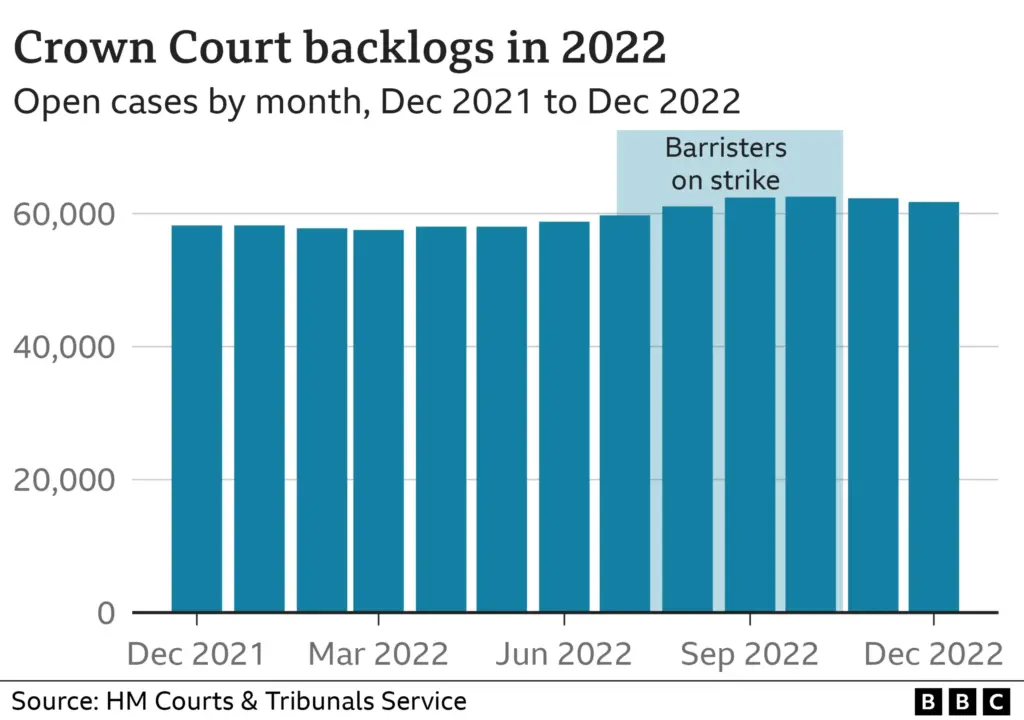
The growing court backlog represents a significant crisis in the judicial system, threatening the very foundations of justice. With trial delays at historically high levels, the strain on the court system has reached breaking point, prompting urgent calls for reform. Reports indicate that the number of court cases waiting for resolution has doubled since the onset of the pandemic, causing frustration among victims, defendants, and legal professionals alike. This persistent backlog not only hampers judicial efficiency but also undermines confidence in the criminal justice system. As stakeholders grapple with the implications of these increasing court case wait times, it is evident that immediate action is needed to restore order and protect the rights of all involved parties.
The current situation regarding trial delays and the overwhelmed judicial system underscores a pressing need for comprehensive reforms in how court cases are managed. The bottleneck of cases waiting to be heard exacerbates frustrations among both victims seeking justice and defendants anxious to clear their names. With discussions surrounding judicial efficiency escalating, the demand for criminal justice reform has never been more critical. Various stakeholders, from legal authorities to the public, have been vocal about the urgent need to streamline processes and expand courtroom resources. As the clock ticks on unresolved cases, the impact of delayed justice weighs heavy on the system, emphasizing the importance of innovative solutions to enhance the overall functioning of the court system.
Understanding the Court System Crisis
The court system crisis plaguing the judiciary is a multifaceted issue that has culminated in severe trial backlogs. Various economic and social factors have contributed to the deterioration of judicial efficiency, leading to unprecedented delays in trial dates. As the system grapples with a staggering number of cases awaiting adjudication, the implications for the criminal justice reform agenda have become increasingly pressing. Stakeholders are therefore calling for immediate and decisive action to repair the damage and restore confidence among victims and defendants alike.
One critical aspect of the crisis is the cumulative impact of austerity measures imposed on the justice system over the past decade. Funding cuts to courts, judges, and legal representation have severely hampered the ability to deliver timely justice. With the additional strains introduced by the COVID-19 pandemic, the backlog has surged, overwhelming the resources available. Now more than ever, a holistic approach that addresses the root causes alongside immediate remediation efforts is essential to safeguard the integrity of the system.
The Implications of Court Backlog on Victims and Defendants
As court cases linger in an unprecedented backlog, victims of crimes find themselves facing a crippling sense of uncertainty and disillusionment with the judicial process. The extended wait times for cases to be addressed lead to a pervasive loss of faith in a system designed to provide justice. Victims report feeling abandoned, as their grievances are left unresolved, deterring them from pursuing justice altogether. This has resulted in a vicious cycle where confidence declines, and potential witnesses are hesitant to come forward.
Similarly, defendants caught in this labyrinth of delays are subjected to prolonged periods of uncertainty, which can significantly impact their mental well-being and social standing. Many individuals are forced to navigate the complexities of legal proceedings while their lives remain effectively suspended. The urgency of resolving the trial backlog is evident, as every day lost in the court system exacerbates the struggles faced by all parties involved in the judicial process.
Judicial Efficiency and Its Role in Alleviating Backlogs
Improving judicial efficiency is paramount for addressing the court backlog that continues to burden the system. One of the key recommendations made by experts, including Sir Brian Leveson, is the implementation of technological innovations and streamlined processes to expedite case resolutions. By harnessing digital tools and optimizing existing resources, courts can significantly reduce the time required to hear cases, thereby alleviating some of the pressure currently experienced by judges and legal practitioners.
Additionally, the incorporation of remote hearings and more efficient case management systems can streamline judicial processes. It is imperative for the courts to adopt a more adaptive approach to case scheduling and management, enabling them to better handle fluctuations in case loads. Judicial efficiency must indeed be viewed as a critical pillar in any actionable strategy aimed at reforming and revitalizing the court system.
The Call for Criminal Justice Reform Amidst Trial Delays
The escalating trial delays within the court system have sparked a renewed call for criminal justice reform. Legal experts and advocates alike recognize that lasting solutions will require a comprehensive reevaluation of existing practices and policies. Proposed reforms aim not only to alleviate backlogs but also to enhance the overall trustworthiness and reliability of the judicial process. Stakeholders must collaborate to ensure that any changes made are sustainable and effectively address the systemic issues at play.
Reforming the judicial system involves reassessing fundamental aspects of how cases are processed, including the rights to jury trials and the handling of various types of offenses. By engaging in meaningful dialogue around these topics, it is possible to cultivate a more efficient and equitable justice system that serves the needs of all parties involved. Moreover, the urgency of implementing these changes cannot be overstated, as the current state of delays does a grave disservice to the principles of justice and accountability.
Addressing the Root Causes of Court Delays
Understanding the root causes of court delays is essential to effectively tackling the court backlog. Budgetary cuts have left the court system stretched thin, affecting not only physical infrastructure but also personnel numbers. With fewer judges and court staff available, the processing of cases becomes increasingly slow, exacerbating the crisis. Stakeholders advocating for reform emphasize the importance of restoring proper funding and resources to rejuvenate the beleaguered judicial system.
Additionally, the demand for increased police recruitment has inadvertently led to more cases being filed without a corresponding increase in court capacity to handle them. This imbalance highlights the need for strategic planning that considers both active law enforcement and judicial resource allocation. A balanced approach is vital to ensure that as crime increases, the court system can effectively respond without succumbing to insurmountable backlogs.
Innovative Solutions to Combat Court Backlogs
To combat the court backlog, innovative solutions must be explored and implemented swiftly. Sir Brian Leveson’s recommendations include utilizing technology such as artificial intelligence tools for better case preparation and scheduling. The increased use of remote hearings has also shown promise in expediting the trial process, allowing for greater flexibility without compromising the integrity of justice. Such innovations can ease the burden on physical courtrooms and provide a means to tackle the backlog systematically.
Moreover, allowing prison vans to use designated bus lanes to minimize delays in transporting detainees to court can significantly contribute to more timely court appearances. This practical approach addresses a common logistical issue that contributes to trial postponements. As courts look to adopt these innovations, it is critical for policymakers to remain engaged in ongoing assessments of efficacy to enhance the justice system further.
The Importance of Collaboration Across Justice Agencies
A cohesive and collaborative approach among various justice agencies is essential to effectively eradicate the court backlog. Sir Brian Leveson stresses that all relevant stakeholders—from ministers and police to prosecutors—must work in concert to implement the proposed reforms effectively. It is not enough for individual agencies to selectively adopt changes; a comprehensive strategy that integrates reforms across all spectrums of the justice system is crucial for success.
Collaboration can facilitate the sharing of best practices and resources, reducing redundancies that contribute to delays. Continuous communication between agencies can ensure all parties are aligned in their objectives, allowing for a more seamless judicial experience for victims and defendants alike. Emphasizing a united front against trial delays can empower stakeholders to create a more resilient justice system.
Long-Term Strategies for Sustainable Justice System Reform
As immediate actions are taken to alleviate the trial backlog, long-term strategies must also be developed to secure sustained improvements in the justice system. This includes establishing a framework for ongoing evaluation and adaptation of practices based on emerging trends and challenges within the court system. Leaders in the judicial field must advocate for a proactive stance on reform rather than reactive measures that address only the symptoms of the crisis.
Additionally, ensuring adequate training and support for legal professionals is pivotal for maintaining high standards of efficiency and justice. Investing in professional development can equip judges, barristers, and court staff with the tools necessary to navigate an evolving legal landscape. By adopting a forward-thinking approach to reform and improvement, it is possible to safeguard the integrity of the judicial system and ultimately restore public trust.
Public Engagement and Transparency in Justice System Reform
For criminal justice reform to be truly effective, public engagement and transparency are crucial. Involving citizens in discussions about proposed changes can not only demystify the judicial process but also foster a sense of shared responsibility for the system’s integrity. Advocating for open forums and outreach initiatives can empower the public to voice their concerns and contribute insights that inform reform efforts.
Transparency in the reform process can help rebuild trust among those disillusioned by current delays and inefficiencies. When the community sees a commitment to improving the judicial system and understanding how their needs are being addressed, confidence can gradually be restored. Soliciting public feedback and input will make reforms more relevant and impactful, ensuring that the justice system remains aligned with the principles of fairness and accountability.
Frequently Asked Questions
What are the main causes of the court backlog in the justice system?
The court backlog is primarily caused by significant funding cuts to courts, judges, and barristers, dating back to the 2010s, which have worsened post-pandemic. Increased police recruitment has led to more cases entering the court system, while low pay has driven many lawyers away from criminal work, exacerbating trial delays.
How is the trial backlog impacting victims of crime?
Trial backlogs are severely impacting victims by causing prolonged wait times for their cases to be heard. Many victims have expressed a loss of confidence in the justice system and some have withdrawn from the court process, feeling that the delays leave them without resolution or support.
What actions are recommended to improve judicial efficiency and reduce court backlogs?
To enhance judicial efficiency, Sir Brian Leveson’s report suggests 130 changes, including increasing the use of video remote hearings, allowing prison vans to use bus lanes for timely court appearances, and utilizing AI tools for case management. These measures aim to streamline processes and reduce court case wait times.
Can reducing the right to jury trials help with the court backlog issue?
Sir Brian Leveson’s report suggested scaling back jury trials for intermediate crimes as a potential solution to the court backlog. However, some legal experts caution against this move, arguing that it may not effectively resolve the crisis and could undermine defendants’ rights.
What is the significance of addressing the court backlog in criminal justice reform?
Addressing the court backlog is crucial for criminal justice reform as it directly impacts the system’s ability to serve victims, witnesses, and defendants efficiently. Effective reform efforts can enhance the overall efficiency of the judicial system, ensuring timely justice and restoring public confidence.
How do delays in the court system affect defendants awaiting trial?
Delays in the court system significantly affect defendants by leaving them in limbo for extended periods, often until 2030 in some cases. This situation can severely disrupt their lives, affecting employment, mental health, and their ability to prepare a defense while waiting for their trial.
What role does government investment play in resolving the court system crisis?
Government investment is essential in resolving the court system crisis by ensuring adequate funding for courts, judges, and legal aid, which can alleviate the existing backlog. Successful case studies in regional courts highlight that targeted investments can lead to reduced trial delays and improved judicial efficiency.
What key initiatives are suggested to enhance the court system’s efficiency?
Key initiatives include investing in technology for better resource management, allowing more flexible hearing options like remote video trials, and enabling smoother transportation of defendants to court. These changes aim to decrease court case wait times and improve access to justice.
| Key Points |
|---|
| Court backlog has reached unprecedented levels, with 79,619 cases waiting at the Crown Court in England and Wales as of last September, projected to reach 100,000 by November 2024. |
| Sir Brian Leveson warns against a piecemeal approach to addressing the crisis, advocating for comprehensive reform across the system. |
| 130 recommendations proposed by Sir Brian include increasing video remote hearings, allowing prison vans in bus lanes, and utilizing AI tools for case scheduling. |
| Cuts to funding for courts and legal professionals have exacerbated the backlog, compounded by the ongoing effects of the pandemic. |
| Victims are losing confidence in the system, with some cases projected to be unresolved until as late as 2030. |
| The government acknowledges the need for urgent action and will consider the recommendations to enhance efficiency in the justice system. |
Summary
The court backlog is at a crisis point, threatening the integrity of the justice system. Sir Brian Leveson’s reports reveal deep-rooted issues and propose urgent reforms to restore confidence among victims and defendants alike. Without a collective and determined effort from all stakeholders, the already strained court system may soon reach an irreversible state, failing both the public and those seeking justice.