Listen to this article
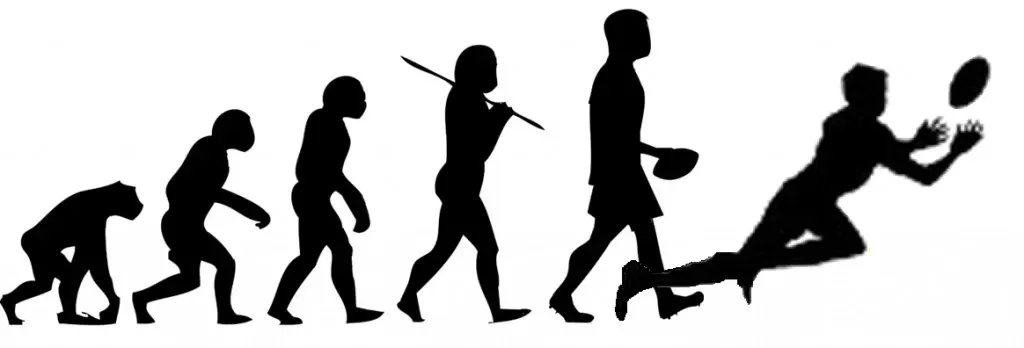
The evolution of sport is a fascinating journey that reflects the changing dynamics of society, technology, and human aspiration. From the primal competitions of ancient sports in Mesopotamia to the modern spectacles of professional sports today, the history of sport reveals much about our collective identity. As we trace this development, we uncover how the Olympic Games and other global events not only entertain but also unite cultures across borders. The impact of technology on sports has ushered in a new era, transforming how we engage with games and athletes. Embracing the past ensures that we appreciate the future of sports, where e-sports and sustainable practices may play significant roles in shaping sports culture worldwide.
Examining the progression of athletics offers insights into the broader context of human expression and community bonding. The concept of sport extends beyond mere competition, encompassing historical practices, cultural significance, and the evolution of recreational activities over time. From early forms of contest in ancient civilizations to contemporary variations embraced worldwide, our exploration dives into the norms and values that define sports culture. As globalization amplifies the presence of sports, pivotal events like the Olympic Games continue to forge connections between diverse nations. Understanding this landscape not only highlights the history of sport but also sets the stage for examining emerging trends and the future landscape of athletic pursuits.
The Roots of Competitive Play: A Historical Overview
The history of sport can be traced back to ancient civilizations where competition was often tied to survival and social cohesion. In many ancient societies, games were a means of showcasing physical prowess and building community ties. With archaeological evidence indicating structured competition in Mesopotamia around 3000 BC, we see that sport’s roots are deeply embedded in the human experience. Beyond Mesopotamia, ancient Greeks celebrated their own competitive spirit through the Olympic Games, founded in 776 BC, which not only honored deities but also served as a platform for city-states to demonstrate their skill and honor.
Moreover, ancient sports were diverse, ranging from the gladiatorial combat seen in Rome to the primitive ball games in Mesoamerica. These early examples of competitive sport illustrate how such activities transcended mere entertainment. They fostered societal values, exemplified teamwork, and provided crucial training for military and survival skills, thereby laying the groundwork for the organized sports we cherish today.
Frequently Asked Questions
What has been the evolution of sport from ancient games to modern sports?
The evolution of sport began with ancient games in civilizations like Mesopotamia and Greece, including events like the Olympic Games. Over the centuries, sport formalized during the Middle Ages, leading to organized competitions in English sports by the 19th century. The 20th century saw globalization, technology advancements, and the rise of professional sports, ultimately culminating in today’s diverse sporting culture.
How did the Olympic Games reflect the evolution of sport in ancient Greece?
The Olympic Games, which originated in ancient Greece around 776 BC, marked a significant point in the evolution of sport. These games included various athletic competitions that honored Zeus, showcasing not only physical prowess but also the cultural values of the time, and set a precedent for future international sporting events.
What impact has technology had on the evolution of sport?
Technology has profoundly impacted the evolution of sport, particularly in the 21st century. Innovations such as instant replay and analytics enhance game performance and viewer experience. The rise of streaming services has transformed how fans access sports, while e-sports highlight technology’s role in the future of competitive sports.
How has sports culture changed due to globalization?
The globalization of sport has dramatically changed sports culture by facilitating international competitions like the Olympics, expanding fan bases, and enabling cross-cultural exchanges. Professional leagues have emerged globally, fostering a sense of identity and pride among nations while connecting diverse audiences through shared athletic experiences.
What are the historical roots of ancient sports?
Ancient sports can be traced back to civilizations such as Mesopotamia and Egypt, where games of skill and strength were prevalent. Activities like wrestling, running, and hunting were not only forms of competition but also played significant roles in community bonding and displaying societal values.
How did professional sports emerge during the evolution of sport?
Professional sports emerged in the 19th century when various athletic competitions standardized rules and formed organizations. The establishment of leagues like Major League Baseball and the Football Association laid the groundwork for modern professional sports, emphasizing competition and entertainment.
What role do e-sports play in the evolution of sport?
E-sports represent a significant shift in the evolution of sport by introducing competitive gaming as a mainstream entertainment form. They attract diverse audiences and capitalize on technological advancements, illustrating how digital engagement has transformed traditional understandings of sports.
How do events like the FIFA World Cup symbolize sport’s cultural significance?
Events such as the FIFA World Cup highlight sport’s cultural significance by uniting nations and fostering a sense of global community. These competitions showcase athletic talent while also promoting values like teamwork, perseverance, and national pride, making them more than mere games.
What future trends are expected in the evolution of sport?
Future trends in the evolution of sport include increased inclusivity, the integration of augmented and virtual reality experiences for fans, and a greater emphasis on sustainability within professional sports. These trends will likely reflect broader societal values and continue to shape how sports are played and perceived.
How did the Middle Ages influence the evolution of sport?
The Middle Ages saw a revival of sport characterized by contests like jousting and folk games. These activities provided social structure and entertainment, particularly for the nobility, while also laying the groundwork for organized sports that would flourish in later centuries.
| Era | Key Developments | Significance |
|---|---|---|
| Ancient Games | Origins of sport in Mesopotamia and Olympic Games in Greece (776 BC) | Reflected societal values and veneration of gods. |
| Middle Ages | Decline of sport post-Roman Empire; emergence of jousting and archery. | Provided social purpose and military training for nobility. |
| 19th Century | Formalization of sports; founding of organizations like the Football Association (1863). | Standardized rules and increased participation through education. |
| 20th Century | Globalization of sport through mass media and professional leagues. | Created cultural icons and promoted national pride. |
| 21st Century | Technological advancements; rise of e-sports and online streaming. | Transforming how sports are played, viewed, and analyzed. |
Summary
The evolution of sport is a fascinating journey that maps the development of human culture and society. From ancient games that highlighted physical prowess to the modern marvels of technology-driven competitions, sport has continually adapted to reflect our values and progress. This transformation tells a story not only of athletic achievement but also of the spirit of community and identity inherent in sports. As we embrace future trends towards inclusivity, sustainability, and technological innovation, understanding the evolution of sport provides valuable insight into its role in our lives and the world at large.