
Listen to this article
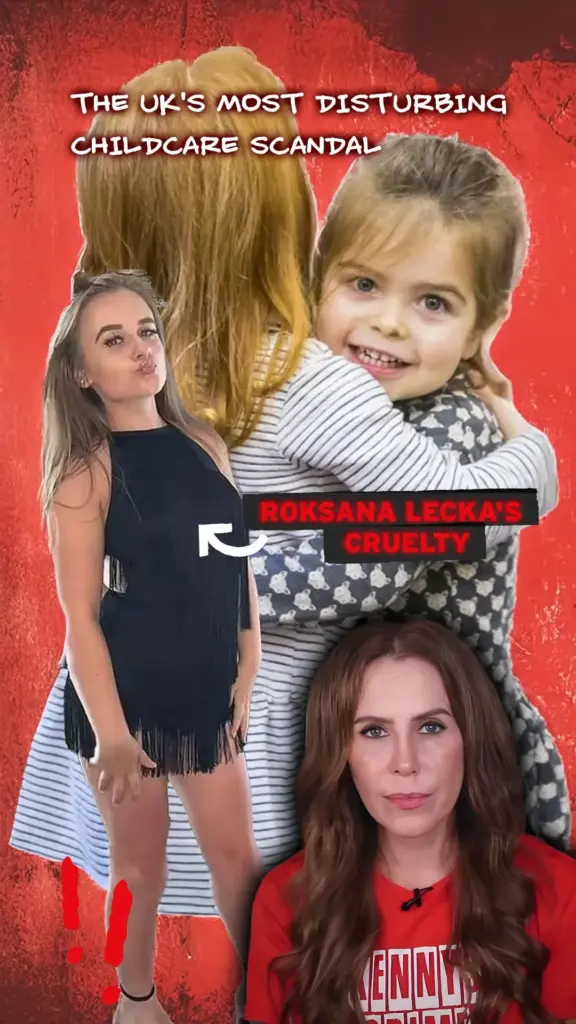
Roksana Lecka, a former nursery worker from Hounslow, London, captured national attention with her shocking involvement in a child abuse case that has left many parents in turmoil. Convicted of abusing 21 infants at Twickenham Green Nursery, her actions led to public outcry and serious concerns regarding child safety in educational settings. Lecka, who was sentenced to eight years in prison, now faces deportation to Poland amid fears that she may pose a risk to more children if left unsupervised. The UK criminal justice system is grappling with the implications of this case, emphasizing the urgent need for thorough monitoring of deported offenders. As the child abuse news unfolds, the challenge remains to ensure the safety of vulnerable children in both the UK and abroad.
In light of recent events, the disturbing saga surrounding Roksana Lecka’s heinous crimes has reignited discussions on child safety and the effectiveness of the justice system. This high-profile case has exposed the devastating impact of child cruelty and the responsibilities held by child care providers like those at Twickenham Green Nursery. As the attention shifts towards her imminent deportation, many are questioning the measures in place to hold individuals accountable for such grave offenses. The potential return of an abuser to her home country raises alarm over international child protection laws and the roles of different nations in effectively managing criminals. Overall, the complexity of this situation highlights the pressing need for comprehensive reforms in the monitoring of deported offenders to prevent future tragedies.
The Disturbing Case of Roksana Lecka
Roksana Lecka, a former nursery worker, was sentenced to eight years for her horrific acts that left 21 infants in distress and fear. The details of the Roksana Lecka abuse case have shocked the public and reignited discussions on child protection in the UK. Lecka, who carried out her abuses at Twickenham Green Nursery, was seen inflicting pain and suffering on vulnerable children, behaviors that were captured on CCTV and led to her arrest. The fact that such cruelty could occur in a place designed for nurturing and care raises serious questions about the safety protocols in early childhood education settings.
The gravity of the Roksana Lecka case not only involved personal stories of the affected families but also shed light on systemic issues within the UK’s criminal justice system. As authorities grapple with the balance between punitive measures and rehabilitation, Lecka’s convictions highlight the pressing need for improved oversight of childcare institutions. With child abuse news often surfacing in society, the case illustrates how critical it is for braces against potential offenders and the immediate safeguarding of children in care.
Implications for Child Safety at Twickenham Green Nursery
The abuse that occurred at Twickenham Green Nursery has catalyzed widespread concern regarding child safety in nurseries. Parents of the victims, who trusted this institution with their children, are now left in turmoil and fear for the wellbeing of their kids. The revelation of Roksana Lecka’s actions has created a ripple effect through the community, prompting discussions on the adequacy of background checks and staff training in childcare facilities to prevent future tragedies. This case serves as a harsh reminder of the urgent necessity for vigilance in environments where children are vulnerable.
In light of the abusive behaviors exhibited by Lecka at Twickenham Green Nursery, there is a growing call for substantial reform within the UK’s child protection policies. Many argue for stricter licensing requirements and oversight for nursery operations to ensure that such heinous acts can be avoided in the future. As families continue to advocate for enhanced child safeguarding measures, lawmakers are faced with the responsibility of enacting tangible changes to prevent any recurrence of such abuse within childcare environments.
Responses from the community and advocacy groups highlight the importance of giving parents a voice in ensuring the integrity of childcare institutions. The implementation of more robust monitoring systems can help prevent child abuse situations from escalating, as it has done under the watch of those who should have been protecting the children instead. The aftermath of the Roksana Lecka abuse case serves as a pivotal point for discussions surrounding reliable child care in the UK.
Concerns Over Deportation and Future Harm
The impending deportation of Roksana Lecka has raised alarms among parents who fear that she could pose a risk to children in Poland once she is released or allowed to roam freely. Despite serving only a fraction of her sentence in the UK, her deportation raises critical questions about the adequacy of responses to child abusers. The parents have vocally expressed their concerns over the lack of communication regarding how the Polish authorities will handle her case upon her return, emphasizing the need for transparency when it comes to the whereabouts and actions of convicted individuals.
As the case of Lecka highlights, the deportation of convicted child abusers can lead to a concerning gap in monitoring. If proper measures are not taken to inform the Polish authorities of her criminal history, the possibility of her repeating her offenses remains alarmingly high. The importance of international cooperation in sharing information about offenders cannot be understated, as it plays a crucial role in preventing further child abuse incidents. In the wake of these fears, many advocates urge for a more organized framework for tracking offenders across borders to ensure that communities can remain safe.
Legal and Ethical Challenges in Child Abuse Cases
The Roksana Lecka case has brought to the forefront numerous legal and ethical issues surrounding child abuse in the UK. The complexities of prosecuting such cases often become entangled in the justice system, highlighting the need for reform in how child cruelty is addressed legally. With the challenges of collecting evidence, especially in cases involving young victims who cannot speak for themselves, the justice process must evolve to better accommodate these sensitive situations and provide justice for victims.
Moreover, ethical considerations regarding the treatment and rehabilitation of offenders like Lecka must also be examined. While the focus naturally aligns on protecting vulnerable children, the legal system also faces the question of how to deal with offenders post-conviction. The aim is to ensure that they do not re-offend while also addressing their human rights in a manner that does not compromise public safety. This delicate balance is imperative for both victims and perpetrators and remains a topic of heated debate in legal circles.
The Response of the UK Criminal Justice System
The conviction and sentencing of Roksana Lecka invoke discussions on the efficiency of the UK criminal justice system in dealing with child abuse cases. Following high-profile incidents like this, there is increasing pressure on the system to put child welfare at the forefront of its agenda. Authorities are being urged not just to impose sentences but to also implement proactive measures that prevent child exploiters from being put in positions of power over vulnerable populations.
In response to the public outcry surrounding Lecka’s case, UK lawmakers and enforcement agencies are reevaluating existing policies and acknowledging the need for reform in child protection legislation. Victims minister Alex Davies-Jones has emphasized the pivotal role of proper support services for child victims as integral to the legal process. Moving forward, it is essential that the justice system pursues a pathway that prioritizes both the safety of children and the effective rehabilitation of offenders.
The Role of Community and Advocacy Groups
Community involvement and advocacy groups play a crucial role in the aftermath of the Roksana Lecka abuse case as they advocate for systemic changes to protect children. These organizations work tirelessly to raise awareness about child safety issues and to provide resources for families affected by abuse. In light of the Roksana Lecka case, various child protection advocates are lobbying for enhanced training for childcare providers and stricter regulatory frameworks to ensure that no child suffers at the hands of abusers like Lecka in the future.
Moreover, advocacy groups are instrumental in offering psychological support to the families of victims, ensuring they have access to the help they need to cope with the trauma. The mobilization of communities around these issues emphasizes the critical need for collaboration between individuals, government entities, and nonprofit organizations to foster an environment where child abuse is both addressed properly and prevented proactively.
Media Coverage and Public Awareness
The media’s role in covering the Roksana Lecka case has implications for public awareness of child abuse issues. By highlighting the severity of the abuses claimed at Twickenham Green Nursery, news organizations have helped to shine a spotlight on the urgent need for reforms in child protection laws. Through investigative reporting, the media has brought crucial discussions to the forefront, allowing the voices of parents and advocates to resonate throughout society.
However, it is essential for media coverage to strike a balance, ensuring that while raising awareness, it does not sensationalize the victims’ trauma. Responsible journalism should focus on educating the public about signs of child abuse, promoting community vigilance, and encouraging reporting, thus fostering a culture of prevention and reaction against such heinous acts. The responsibility falls onto both the media and the public to ensure that such cases do not define the narrative on childcare but instead lead to actionable change.
Future Actions to Prevent Child Abuse
In the wake of the Roksana Lecka case, there is growing urgency to establish comprehensive prevention measures against child abuse in UK nurseries and daycares. Key strategies proposed include implementing more rigorous staff screening processes, mandating regular training for caregivers on child safety protocols, and enhancing reporting mechanisms for suspected abuse within childcare settings. By prioritizing these actions, communities can foster safer environments for children.
Moreover, educational outreach programs aimed at parents can greatly assist in identifying potential abuse and ensuring that caregivers are accountable for their actions. By creating a culture of transparency where parents feel empowered to speak up about their concerns, nurseries may be less likely to harbor abusive individuals like Lecka. It is the collective effort of society—parents, educators, and law enforcement—that will ultimately shape the future landscape of child protection.
The Urgency of Legislative Reform in Child Protection
The Roksana Lecka case serves as a significant wake-up call for governmental institutions to prioritize legislative reform pertaining to child protection. Lawmakers are being called upon to review existing child abuse laws, ensuring that they are robust enough to handle and deter such crimes. The urgent need for a legislative overhaul reflects society’s demand for its most vulnerable members to be safeguarded against potential offenders.
Engaging with child advocacy groups and the communities affected by cases like Lecka’s can provide valuable insights that inform policymaking. The pursuit of meaningful reform requires collaboration between policymakers and citizens to establish a legal framework that effectively protects children and holds abusers accountable. By addressing various aspects of this issue, such as mandatory sentencing for child abusers and improving rehabilitation measures, the UK can take significant strides toward a future where child abuse is less prevalent.
Frequently Asked Questions
What was the Roksana Lecka abuse case about?
The Roksana Lecka abuse case involved a nursery worker from Hounslow, London, who was sentenced to eight years for abusing 21 babies at Twickenham Green Nursery. She was convicted of multiple counts of cruelty, including pinching, scratching, and physically harming infants under her care.
How did the Roksana Lecka abuse come to light?
The abuse committed by Roksana Lecka at Twickenham Green Nursery was uncovered after she was filmed mistreating children at another location, Riverside Nursery. CCTV footage revealed her abusive actions, prompting further investigation by the Metropolitan Police.
What concerns do parents have regarding Roksana Lecka’s deportation?
Parents of the victims fear that Roksana Lecka’s deportation to Poland could lead to her potentially harming more children, especially since they received little notice of her deportation and lack clear information on her sentence’s continuation or supervision.
What is known about Roksana Lecka’s sentencing?
Roksana Lecka was sentenced to eight years in prison after pleading guilty to seven counts of cruelty and was convicted on 14 more counts. Judge Sarah Plaschkes KC highlighted her severe mistreatment of children, including physical assaults at Twickenham Green Nursery.
What measures are being taken regarding Roksana Lecka’s criminal history after deportation?
British authorities are reportedly working to inform Polish counterparts about Roksana Lecka’s criminal history. It is crucial for Polish authorities to be aware of her past to ensure appropriate actions are taken to prevent any further child abuse.
How does the UK criminal justice system handle cases like Roksana Lecka’s?
The UK criminal justice system prioritizes the safety of vulnerable individuals, particularly children. In cases like Roksana Lecka’s, offenders who receive prison sentences are typically considered for deportation, as part of reforms to expedite the removal of foreign national offenders.
What actions are MPs taking in response to the Roksana Lecka case?
MPs, including Munira Wilson, have voiced concerns over the abrupt deportation of Roksana Lecka and the lack of information given to the parents of the abused children. They are pushing for clarity on her release terms and the potential impact on child safety.
| Key Point | Details |
|---|---|
| Imprisonment and Sentencing | Roksana Lecka was sentenced to eight years for abusing 21 babies. |
| Nature of Abuse | Lecka was found guilty of various forms of cruelty including pinching, kicking, and slapping infants. |
| Victims and Location | The abuse occurred at Twickenham Green Nursery and Riverside Nursery. |
| Detectives’ Finding | CCTV footage captured Lecka mistreating children, leading to her arrest. |
| Concerns Over Deportation | Parents fear she could harm other children if left unsupervised in Poland. |
| Official Response | MPs have expressed concerns, and discussions are ongoing regarding her deportation and future supervision. |
Summary
Roksana Lecka’s case raises serious concerns about child safety and the implications of her deportation. After serving a mere four months of her eight-year sentence for horrific abuse of babies in her care, her return to Poland is unsettling to the victims’ families. The lack of clear communication from authorities regarding her release conditions only heightens fears that she could pose a threat to other children. As the situation unfolds, it is paramount that the Polish authorities are adequately informed of her history to prevent any further tragedies.