
Listen to this article
Women in sports have long been at the forefront of breaking barriers and inspiring change, yet their stories are often overshadowed by their male counterparts. From trailblazing figures like Billie Jean King to contemporary icons like Serena Williams, women athletes have relentlessly championed gender equality in sports, showcasing remarkable resilience and talent. Despite systemic challenges, including unequal pay and limited media coverage, these female sports pioneers continue to pave the way for future generations. The enactment of Title IX has significantly impacted women’s participation, creating opportunities for young female athletes in collegiate sports and beyond. As we celebrate the achievements of women in sport, it’s crucial to recognize their vital role in shaping a more inclusive future for all athletes.
Athletic women have significantly transformed the landscape of competitive sports, illustrating the profound shift towards inclusivity and representation. The ongoing fight for equality within the sport sector evokes a powerful narrative of women athletes who have defied societal norms and expectations. Historical milestones, such as the impact of Title IX, have catalyzed an increase in female participation in sports, fostering an environment where female sports figures can thrive. As we observe the accomplishments of female sports trailblazers, it’s important to acknowledge the ongoing struggles they face for gender parity and media visibility. The journey of women in athletics is not only pivotal for those who compete but also for the societal attitudes surrounding gender roles and empowerment.
The Evolution of Women in Sports History
The history of women in sports is marked by resilience and perseverance, as female athletes have had to navigate societal norms that often excluded them from competitive arenas. In the early 1900s, women’s participation in sports began to gain traction, albeit met with significant opposition. The Olympics, for instance, initially offered limited opportunities for female athletes, often relegating their participation to events that emphasized aesthetics rather than athletic performance. It wasn’t until landmark events, like the inclusion of women’s track and field in 1928, that the narrative began to shift, paving the way for future generations of athletes.
This historical journey is also crucial for understanding the broader context of gender equality in sports. The slow but steady acceptance of women in competitive sports laid the foundation for today’s conversations around equality. There are many female sports pioneers who faced tangible risks to their careers and reputations, such as trailblazers like **Lottie Dod**, a multi-sport athlete, and **Mildred ‘Babe’ Didrikson Zaharias**, who effectively challenged societal expectations and showcased that women could excel in sports traditionally dominated by men.
Breaking Barriers: Iconic Female Sports Pioneers
The narrative of women in sports cannot be told without highlighting the contributions of iconic female sports pioneers who have battled against gender norms to achieve greatness. Figures like **Billie Jean King** and **Serena Williams** not only excelled in their respective sports but also became advocates for gender equality and women’s rights. King’s career-defining match against Bobby Riggs in 1973 became a cultural phenomenon, symbolizing the fight for equal treatment and pay in athletics. Similarly, Williams has embraced her platform to address issues of racial and gender pay disparities while continually dominating the tennis world with her astounding achievements.
These pioneers have not only made waves within their sports but have also inspired an entire generation of women athletes to assert their presence and fight for their rights. Their achievements are not merely personal triumphs but steps towards a larger goal of equality in sports. By challenging outdated perceptions of women’s capabilities in athletics, they have opened doors for young female athletes who now have role models who reflect their potential and aspirations.
Title IX: A Game-Changer for Women in Sports
The enactment of **Title IX** in 1972 drastically transformed the landscape of women’s sports in the United States. This pivotal piece of legislation prohibited discrimination on the basis of sex in educational programs, including sports. It has effectively enabled countless women to participate in athletics at the collegiate level and beyond, fostering a significant increase in female sports programs that were previously non-existent. Title IX not only created opportunities but also raised the profile of women’s sports, showcasing their talent and competitiveness on a larger stage.
Moreover, Title IX’s influence extends beyond participation rates; it has revolutionized the entire culture surrounding women’s athletics. With more support and funding, female athletes are now recognized for their contributions, leading to growing media coverage and sponsorship opportunities. The positive effects of Title IX are evident in the success of collegiate women’s teams and the increasing viewership of women’s sports events, signifying a shift in societal perceptions concerning women in sports.
The Fight for Gender Equality in Sports Continues
Despite substantial progress, the fight for gender equality in sports is far from over. Female athletes still face challenges such as gender biases in media coverage, sponsorship inequities, and pay disparities compared to their male counterparts. The disparity in the amount of media exposure for women’s sports is staggering, with many female athletes experiencing fewer endorsement opportunities and less visibility overall. This lack of representation can have discouraging effects on young girls aspiring to engage in sports, as they may feel that their efforts and potential are unrecognized.
Organizations and movements advocating for gender equality, such as **#SheBelieves** and **#LikeAGirl**, are vital in pushing for changes within the sports industry. These movements aim to close the gap by encouraging brands and sponsors to support women’s sports equally. Additionally, the representation of women as journalists, commentators, and leaders in sports management is crucial to changing narratives and ensuring the voices of female athletes are heard.
The Role of Female Athletes as Advocates
In today’s sporting world, many women athletes are not just competitors but also powerful advocates for change. Prominent figures such as **Megan Rapinoe** and **Simone Biles** have leveraged their platforms to address important societal issues, including gender inequality, mental health awareness, and social justice. These athletes exemplify the dual role that female sports figures can play — not only showcasing athletic excellence but also becoming pivotal voices in broader societal conversations.
By addressing these issues head-on, female athletes are inspiring younger generations to carry forward the fight for equity in sports and beyond. Their willingness to speak out against injustice encourages a culture where athletes, regardless of gender, can advocate for their rights and values. The influence of such athletes extends far beyond the competition, contributing to a changing narrative about women’s power and agency in sports.
Media Representation and Coverage of Women in Sports
Media representation plays a crucial role in shaping public perceptions of women in sports. While female athletes have achieved remarkable successes, media coverage often fails to reflect these achievements proportionately. Studies reveal that women’s sports receive significantly less airtime compared to men’s events, perpetuating stereotypes and limiting visibility for female talent. This lack of representation can hinder the growth of women’s sports and discourage young girls from aspiring to pursue athletics.
However, the conversations surrounding diversity and representation in media are gaining momentum. Increased awareness of the importance of equitable coverage has led to initiatives aimed at improving the visibility of women in sports. By emphasizing the achievements of female athletes and providing them with more exposure, media outlets can help change the narrative and inspire future generations to embrace athletics.
The Future of Women in Sports Business
As women continue to break barriers in sports, the future of women in the sports business looks promising. Female executives, coaches, and sports leaders are becoming increasingly prevalent, signifying a shift toward inclusivity in sports management. With more women taking on leadership roles, there is a growing potential for change in how women’s sports are marketed and prioritized. This change can lead to better support systems for female athletes, fueling interest and investment in women’s leagues and competitions.
Furthermore, organizations focused on promoting and developing women’s sports are gaining ground, creating more professional opportunities for female athletes. From improving funding for women’s athletics to implementing programs that encourage female participation in sports management and coaching, the future seems poised for substantial growth and recognition of women in the sports industry.
Creating Supportive Environments for Young Female Athletes
The importance of fostering supportive environments for young female athletes cannot be overstated. Initiatives aimed at introducing girls to sports at an early age play a critical role in developing confidence and skill. Through school programs and community-based efforts, young girls are given opportunities to explore athletics in a nurturing environment that promotes participation and enjoyment rather than mere competition. Positive reinforcement and mentorship from established female athletes can further bolster this experience.
Creating spaces where young women can thrive in sports helps cultivate the next generation of female leaders in athletics. Celebrating their successes and providing access to resources, coaching, and competitions can significantly impact their journeys, ensuring that they feel empowered to pursue sports seriously and aspire to high levels of achievement. These early experiences are vital for shaping future icons who will continue the legacy of women in sports.
Celebrating the Achievements of Women in Sports
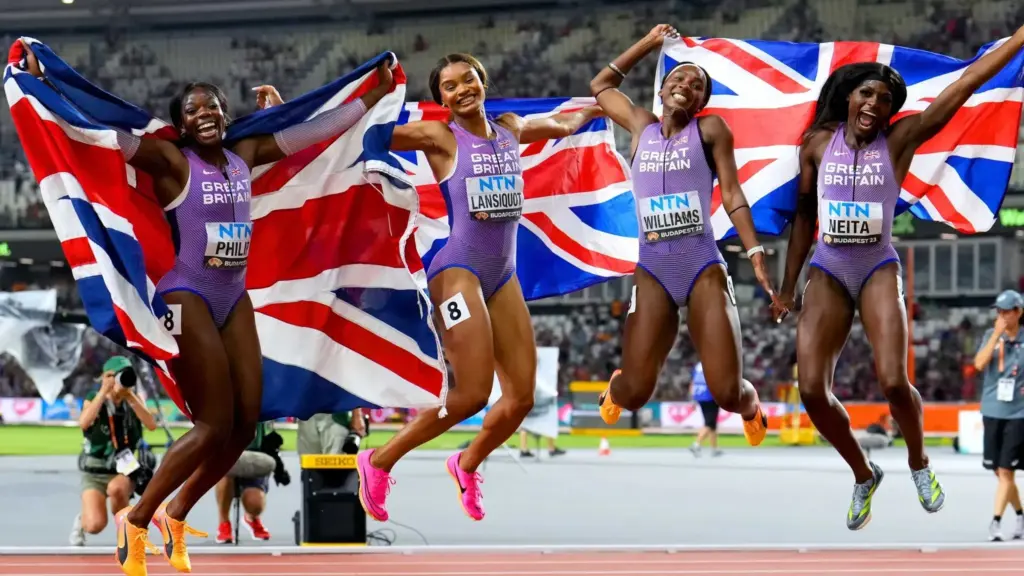
Recognizing and celebrating the achievements of women in sports is essential not only for promoting equality but also for inspiring future generations. Events that highlight female athletes’ successes, such as awards ceremonies, documentaries, and social media campaigns, play a crucial role in bringing visibility to their accomplishments. By showcasing the talent, resilience, and hard work of female athletes, society can challenge the outdated stereotypes that have historically limited women’s participation in sports.
Celebrating women’s achievements also includes ensuring that their stories are told and recognized in the larger sporting narrative. This recognition helps validate the experiences of female athletes and motivates young girls to engage in sports, knowing that they can achieve similar greatness. By amplifying the stories of women in sports, we contribute to a more inclusive and balanced portrayal of athletics that honors the contributions of all athletes.
Frequently Asked Questions
What are the significant milestones in women in sports history?
Significant milestones in women in sports history include women being first allowed to compete in track and field at the Olympics in 1928, the establishment of Title IX in 1972 prohibiting sex discrimination in education and sports, and Billie Jean King’s famous match against Bobby Riggs in 1973 which raised awareness for gender equality in sports.
How did Title IX impact women’s participation in sports?
Title IX had a profound impact on women’s participation in sports by ensuring equal opportunities in educational programs and activities. As a result, there was a substantial increase in women’s sports programs at colleges and universities, allowing female athletes greater access to competitive sports and leading to improved visibility and success.
Who are some female sports pioneers that changed the landscape for women in sports?
Female sports pioneers like Billie Jean King, who fought for gender equality in tennis, and Babe Didrikson Zaharias, a trailblazer in golf, have significantly changed the landscape for women in sports, advocating for equal representation and opportunities for future generations of female athletes.
What ongoing challenges do women athletes face in sports today?
Women athletes today face ongoing challenges such as gender bias, unequal media coverage, and disparities in sponsorship and funding. These issues can lead to reduced visibility for female athletes and impact their financial sustainability and opportunities in the sports industry.
How are women in sports advocating for gender equality today?
Women in sports are advocating for gender equality by participating in movements like #SheBelieves and #LikeAGirl, demanding equal pay, greater media representation, and increased sponsorship opportunities, thereby pushing for a more inclusive sports environment.
What role does media coverage play in the visibility of women in sports?
Media coverage plays a critical role in the visibility of women in sports; however, female athletes often receive significantly less coverage compared to their male counterparts, which can discourage young girls from seeing sports as a viable pursuit and limit sponsorship opportunities for female sports.
In what ways do female athletes inspire the next generation?
Female athletes inspire the next generation by showcasing resilience, breaking records, and advocating for causes like mental health and gender equality. Their visibility and representation encourage young girls to pursue their athletic dreams and challenge societal norms.
What initiatives are in place to support women in sports?
Initiatives to support women in sports include mentoring programs, increased representation of women in sports media, and sponsorship campaigns specifically targeting female athletes, aimed at promoting equity and encouraging younger generations to engage in sports.
How has the portrayal of women athletes evolved over time?
The portrayal of women athletes has evolved from viewing them primarily in aesthetic roles to recognizing their competitive talents and achievements. This shift has been influenced by media advocacy, more coverage of women’s sports events, and increased recognition of female athletes’ contributions to their respective sports.
What impact do female athletes have beyond the sports arena?
Female athletes have a significant impact beyond the sports arena by challenging gender norms, advocating for social justice, and raising awareness about critical issues like mental health. Their influence promotes broader societal conversations about equality and empowerment for women in all fields.
| Key Point | Description |
|---|---|
| Historical Context | Women have participated in sports for centuries, facing significant challenges before being accepted in competitive sports. |
| Breaking Barriers | Pioneering athletes like Billie Jean King and Babe Didrikson Zaharias fought for gender equality, leading to a cultural shift in sports. |
| Title IX Impact | The enactment of Title IX in 1972 significantly increased women’s participation in collegiate sports and established women’s programs. |
| Current Challenges | Despite progress, women in sports still face challenges such as gender bias, unequal funding, and lack of media coverage. |
| Future Prospects | Initiatives are underway to increase representation, sponsorship, and pay equity for women athletes across all levels. |
| Breaking Barriers | More women are taking leadership roles in sports, creating a more inclusive environment. |
Summary
Women in sport are demonstrating incredible resilience and defiance against long-standing barriers. From historical milestones in the early 20th century to modern-day athletes advocating for equality, the evolution of women’s involvement in athletics showcases a journey filled with both challenges and triumphs. Continued efforts focusing on gender equality, support, and increased visibility are crucial in ensuring that women in sport receive the recognition they deserve. As inspiring role models continue to emerge, it is vital to foster an environment that empowers future generations of female athletes. Celebrating the achievements and addressing the remaining challenges will not only enhance women’s participation in sports but also contribute to broader societal change.

