Listen to this article
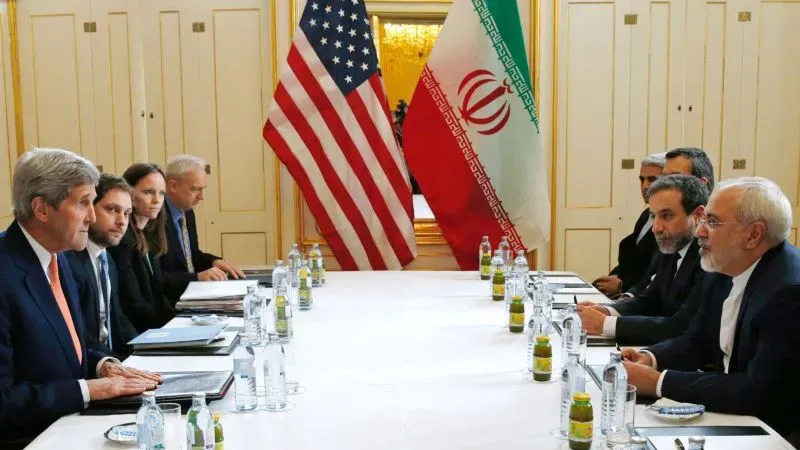
The recent Iran US negotiations could mark a pivotal moment in the long-standing diplomatic standoff between the two nations. Iranian President Masoud Pezeshkian has expressed a willingness to engage in talks, responding to requests from neighboring “friendly governments” regarding a US proposal for dialogue. This development comes amidst heightened tensions, as US President Donald Trump has been vocally opposed to Iran’s nuclear ambitions, raising the stakes with threats of potential action. Furthermore, with concerns of regional conflict in Iran looming large, Pezeshkian emphasized that any negotiations would need to align with Iran’s national interests. As the world watches, the forthcoming discussions in Istanbul may lay the groundwork for a new chapter in the complex and troubled history of US-Iran relations, with implications for US foreign policy in Iran and beyond.
In light of recent events, the potential diplomatic engagement between Iran and the United States is generating significant attention. Following calls from allied nations in the region, Iranian leaders are preparing to enter discussions that could reshape their contentious relationship with Washington. Offers of dialogue come as the US administration faces scrutiny over its foreign policy approaches towards Iran, especially concerning the contentious Iran nuclear deal. Meanwhile, as fears of regional strife escalate, leaders from both sides must navigate the precarious landscape of international relations. The stakes are high, and with President Trump’s aggressive posturing, the upcoming talks will be closely monitored for their impact on future peace and stability in the Middle East.
Iran’s Engagement in Negotiations with the US
In a significant shift in diplomatic strategy, Iranian President Masoud Pezeshkian has announced that Iran will pursue negotiations with the United States. This decision has been urged by what he termed ‘friendly governments in the region’ who are keen to foster a dialogue following a recent US proposal. The announcement comes at a critical time, as tensions have escalated regarding Iran’s nuclear ambitions, which the US government regards with deep concern. Pezeshkian emphasized that these negotiations will proceed within the framework of national interests, heightening hopes for a diplomatic resolution while acknowledging the complexity of US foreign policy stances on Iran.
The backdrop to these negotiations is marked by President Trump’s aggressive posture toward Iran, particularly in light of previous actions such as the targeted strikes on Iranian nuclear facilities. The potential for meaningful talks, set to take place in Istanbul, suggests a turning point in regional diplomacy, which has been fraught with conflict. However, both sides acknowledge that failure to reach an agreement may lead to dire consequences, further complicating the already volatile regional landscape.
Impacts of Pezeshkian’s Statements on Regional Dynamics
Pezeshkian’s statements highlight a critical juncture in Iran’s foreign relations, particularly amid heightened regional tensions. By expressing a willingness to engage in discussions with the US, he has not only opened avenues for potential dialogue but also positioned Iran as a nation responsive to international appeals for negotiation. This move could be seen as a strategy to counteract the growing isolation faced due to sanctions and military threats from the US, forming a bridge with neighboring states which may benefit economically and politically from a stabilization of relations.
The significance of Pezeshkian’s engagements cannot be understated, especially considering Ayatollah Khamenei’s earlier warnings regarding military aggression against Iran. The Iranian regime’s recognition of the necessity for dialogue signifies an evolution in their approach to international relations, suggesting that Tehran is willing to explore diplomatic avenues despite the looming threat of military action. As tensions simmer, the outcomes of these talks will be instrumental in shaping Iran’s policies against the backdrop of US foreign policy and the potential for a renewed nuclear deal.
Concerns Surrounding the Iran Nuclear Deal
The ongoing discourse about Iran’s negotiations with the US inevitably brings the Iran nuclear deal into focus. The initial agreement, which aimed to curb Iran’s nuclear program in exchange for sanctions relief, has been strained, particularly after the US’s withdrawal and subsequent tightening of sanctions. The complexities surrounding these negotiations underscore the stakes involved; a failure to reach an agreement could not only rekindle tensions but may also lead to regional conflict, as Iranian leaders have warned. Pezeshkian’s willingness to discuss these issues could provide a pathway to revitalize the agreement, depending on mutual concessions.
Moreover, both countries face significant internal and external pressures that complicate their negotiating positions. Trump’s threats and previous military actions against Iranian positions have elevated concerns about US intentions, while Iran’s insistence on resisting pressure has solidified its hard-line stance. Pezeshkian’s diplomatic overture, which hints at a potential thaw, comes at a time when regional allies are keen to stabilize relationships and avert escalating hostilities. The success of the discussions will likely hinge on addressing not just the nuclear program but broader issues of regional security and economic cooperation.
Tensions Rise Amidst Military Threats from the US
Compounding the uncertainty surrounding Iran’s willingness to engage in negotiations with the US are escalating military threats from the Trump administration. In a recent statement, President Trump warned of sending a ‘tremendous force’ towards Iran, indicative of a multifaceted strategy intended to project power and deter aggression. Such threats are concerning for Iranian officials, particularly in light of the historical context of military interventions in the region. The potential for armed conflict looms larger as both nations brace for what could be a pivotal moment in their relations.
The juxtaposition of diplomatic overtures against a backdrop of military posturing raises critical questions about safety and security in the Persian Gulf. Iran’s security establishments are acutely aware of the implications these military threats pose, and in response, they have bolstered their defenses while maintaining a rhetoric of readiness. It’s a precarious balance—on one hand, the need for dialogue to potentially resolve tensions, and on the other, the reality of military readiness and the grave consequences of failure in negotiations.
Protests and Internal Dynamics within Iran
The domestic situation in Iran also plays a crucial role in how negotiations with the US may unfold. Ongoing protests fueled by economic dissatisfaction have spotlighted the Iranian leadership’s vulnerabilities. The widespread unrest, which has reportedly resulted in thousands of deaths, highlights a society grappling with public anger that has reached unprecedented levels. Such internal dynamics could influence the Iranian government’s approach to negotiations, as they may aim to project strength and unity amidst external pressures from the US and its allies.
The Iranian officials, including those close to Khamenei, acknowledge the escalating discontent among the populace. This internal pressure might push the government to adopt a more conciliatory approach in negotiations, seeking both relief from crippling sanctions and a way to stabilize the nation. Pezeshkian’s remarks indicate a recognition of these pressures, suggesting that successful engagement in US talks might appease public sentiment while addressing international concerns regarding Iran’s future direction.
The Role of Friendly Governments in Mediating Talks
An interesting dimension to the unfolding situation is the involvement of friendly governments urging diplomacy between Iran and the US. Pezeshkian’s acknowledgment of their role points to a strategic pivot, wherein regional powers seek to mitigate tensions and foster dialogue to protect their interests. These governments, likely familiar with both Tehran’s positions and Washington’s demands, could serve as crucial intermediaries, helping to de-escalate conflicts and influence outcomes favorably for peace.
By leveraging relationships with these friendly nations, Iran may find a pathway to negotiate terms that address previously contentious issues, including those surrounding its nuclear program. These nations can advocate for both sides, balancing the demands of the US while also considering Iran’s security interests. The effectiveness of such mediation will play an essential role in shaping the upcoming talks, potentially leading to solutions that transcend mere transactional agreements and foster long-term stability in the region.
Historical Context of US-Iran Relations
To understand the current state of US-Iran relations, it is important to consider historical contexts that have shaped divisions between the two nations. Since the 1979 Iranian Revolution and the subsequent hostage crisis, the relationship has been characterized by suspicion, sanctions, and military posturing. Many in Iran view US policies as imperialistic, aimed at destabilizing the region and undermining its sovereignty. This history complicates Pezeshkian’s calls for negotiations, as both sides carry remnants of past grievances into the discussions.
Furthermore, previous attempts at dialogue have often faltered, leading to skepticism about the genuineness of negotiations from both sides. The memories of conflicts, sanctions, and broken promises are poignant reminders of the complexities involved. However, understanding this historical context also provides insights into potential paths for future discussions; acknowledging past mistakes and grievances may be the key to fostering a more constructive dialogue in the present, thus paving the way for a more stable and predictable relationship moving forward.
The Potential Outcomes of US-Iran Talks
As Iran prepares to enter negotiations with the US, the potential outcomes remain a subject of heated discussion. Analysts suggest that if both parties approach the talks with a spirit of compromise, there is a possibility of reaching a new framework regarding Iran’s nuclear ambitions that aligns more closely with international expectations while granting Iran economic incentives. The desire for positive change resonates amidst the backdrop of public unrest within Iran, creating a unique pressure point for the government to enhance its standing through diplomacy.
On the other hand, should these negotiations fail, the consequences could be dire, not just for Iran but for regional stability overall. With military threats looming, a breakdown in talks could reignite conflicts that many in the region desperately seek to avoid. Thus, the stakes involved are extraordinarily high—successful negotiations could herald a new era of relations and stability in the Middle East, whereas failure might usher in further hostilities and cement Iran’s isolation on the world stage. The outcome of these talks may well define the geopolitical landscape of the region for years to come.
Frequently Asked Questions
What is the significance of the Iran US negotiations proposed by President Masoud Pezeshkian?
The Iran US negotiations, as proposed by President Masoud Pezeshkian, are seen as crucial for de-escalating tensions between Iran and the United States. These talks come in response to requests from regional allies and aim to address US proposals regarding Iran’s nuclear ambitions and broader foreign policy concerns.
How does the Iran nuclear deal relate to the current Iran US negotiations?
The Iran nuclear deal, formally known as the Joint Comprehensive Plan of Action (JCPOA), is central to the current Iran US negotiations. Discussions will likely focus on Iran’s nuclear activities, especially in light of US President Trump’s warnings about potential action against Iran’s ambitions, and the need to align these negotiations with US national interests.
What role do regional conflicts play in the Iran US negotiations?
Regional conflicts are a vital backdrop to the current Iran US negotiations. Iranian Supreme Leader Ayatollah Ali Khamenei has warned that military action against Iran could trigger wider regional instability. Negotiating peace and security is essential to prevent further escalation and potential conflict in the Middle East.
What were Pezeshkian’s statements regarding the Iran US negotiations and their purpose?
Pezeshkian emphasized that the Iran US negotiations are aimed at addressing and responding to US proposals, considering the interests of Iran while also taking into account regional stability urged by ‘friendly governments.’ This illustrates Iran’s strategic approach to diplomacy amid pressure from both the US and its regional partners.
How is US foreign policy impacting the Iran US negotiations?
US foreign policy plays a significant role in shaping the Iran US negotiations. Trump’s administration has adopted a stance that includes both potential engagement and threats, reflecting a complex approach where negotiations must align with broader US interests. The outcome of these negotiations will significantly influence future US-Iran relations.
| Key Points | Details |
|---|---|
| Iran’s willingness to negotiate with the US | Iranian President Masoud Pezeshkian announced plans for negotiations with the US after requests from regional allies. |
| Impending talks location and timing | Discussions are set to occur in Istanbul on Friday. |
| US President Trump’s statements | Trump expressed optimism about potential negotiations but warned of consequences if they fail. |
| Recent US military actions | The US has previously executed strikes against Iran’s nuclear facilities and sent significant naval forces to the region. |
| Public discontent in Iran | Protests fueled by economic grievances have led to intensified calls for political change. |
| Estimated casualties during protests | Human rights organizations report significantly higher death tolls than official Iranian figures. |
Summary
Iran US negotiations are set to take a pivotal turn as Iranian President Masoud Pezeshkian expresses readiness for dialogue following encouragement from regional allies. With tensions escalating and military actions ensued, the prospect of negotiations in Istanbul symbolizes a potential thaw in relations amidst ongoing public unrest within Iran.