Listen to this article
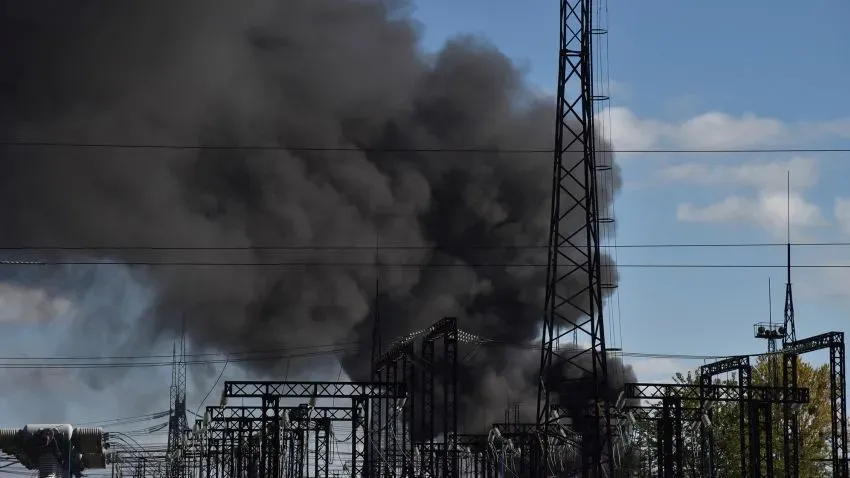
In recent months, the Ukraine energy sector has come under relentless assault, with Russian missile strikes targeting vital electrical infrastructure and power plants across the nation. This onslaught, described as Russia’s “most powerful blow” to date, has exacerbated the ongoing Ukraine winter energy crisis, leaving many residents facing power outages in the bitter cold. With temperatures plunging to -20°C, the attacks have not only disrupted heating in over 1,000 blocks in Kyiv but also inflicted severe and irreversible damage to crucial facilities, such as a power plant in Kharkiv. President Zelensky has condemned these strikes, describing them as acts of terror intended to escalate the conflict rather than resolve it peacefully. As DTEK energy company news reports reveal, the situation continues to spiral as engineers work tirelessly to restore services amidst these ongoing assaults.
The energy landscape in Ukraine is currently mired in turmoil, with recent developments highlighting significant threats to its electrical grid. The wave of Russian attacks has raised urgent concerns about energy security, especially as the harsh winter weather compounds the challenges faced by the populace. Cities like Kyiv are grappling with widespread power outages, prompting fears over public safety and well-being. This aggressive strategy appears to be a calculated effort by Moscow to undermine civilian morale during crucial winter months. In light of these events, the international community is closely monitoring Ukraine’s response to these acts of aggression, emphasizing the need for ongoing support to bolster its energy resilience.
Impact of Russian Missile Strikes on Ukraine’s Energy Sector
The recent Russian missile strikes have had a devastating impact on Ukraine’s energy sector, marking a significant escalation in the ongoing conflict. The attacks have targeted critical infrastructure, including power plants and heating facilities, which are essential for sustaining civilian life, especially during harsh winter months. With temperatures plummeting to -20°C, the failed energy system has left thousands of Ukrainians without heating, compounding their suffering during this brutal winter energy crisis. DTEK, a leading energy company in Ukraine, has highlighted that these strikes have not only damaged facilities but have also severely limited the country’s capacity to generate and distribute energy.
Moreover, the coordinated missile and drone attacks have raised concerns about the resilience of Ukraine’s energy defenses. Following the air raids, which included over 70 ballistic and cruise missiles, Ukraine’s military noted a significant shortfall in air defense capabilities, particularly with respect to missile interception. The situation underscores the dire need for aid and advanced defense systems from international allies, particularly the United States, as Ukraine faces a dual challenge: repelling Russian aggression and restoring its national energy grid to cope with the relentless winter attacks.
Kyiv Power Outages and the Humanitarian Crisis
The relentless attacks on Kyiv have led to widespread power outages, plunging the city into darkness amid freezing temperatures. As DTEK reports record damage to its facilities, residents are left enduring hardships, often spending days without heat. Many families are forced to adapt to living in extremely cold conditions, resorting to makeshift solutions like sleeping in schools equipped with generators or relying on soup kitchens for warm meals. The humanitarian crisis is palpable as Ukrainians struggle against not just the physical challenges posed by winter but also the psychological torment of an ongoing war that has shattered their sense of safety and security.
This situation brings to the forefront the emotional toll on civilians who are caught in the crossfire of a protracted conflict. While the government, led by President Zelensky, calls for international support and assistance, the anger and frustration towards Russia grow among the populace. Many believe that these deliberate strikes are designed to break their spirit and force them into submission. Instead, the Ukrainian people’s resilience shines through as they band together, finding strength in their community despite the deteriorating conditions. The plight of Kyiv’s residents is a stark reminder of the war’s toll on day-to-day life and the urgent need for a sustainable resolution.
Zelensky’s Response to Russian Attacks
President Volodymyr Zelensky’s response to the recent Russian attacks has been characterized by a call for unity and resilience among Ukrainians. Understanding the gravity of the situation, he has publicly emphasized that these attacks are not just assaults on infrastructure but attempts to instill fear and chaos among the civilian population. By urging his allies to exert maximum pressure on Moscow, he seeks to transform the tide of the conflict through diplomatic channels while simultaneously preparing for military resistance. His declarations resonate with the public, fueling a collective resolve against the backdrop of suffering and hardship caused by the winter energy crisis.
Zelensky also highlights the importance of international support in bolstering Ukraine’s defense capabilities. The recent influx of advanced weaponry from Western allies, particularly U.S.-made Patriot missiles, is seen as crucial in countering the barrage of strikes. However, Zelensky remains candid about the challenges ahead, expressing that without continuous pressure on Russia, the cycle of violence may persist indefinitely. His leadership role throughout these turbulent times is vital as he not only navigates the immediate military threats but also addresses the broader humanitarian issues faced by families across Ukraine, particularly those suffering from power outages and the ensuing cold.
The Role of DTEK in Ukraine’s Energy Crisis
DTEK, the largest private energy company in Ukraine, plays a critical role in the nation’s efforts to withstand the ongoing energy crisis precipitated by Russian attacks. As a key player in generating electricity and heating for residential districts, DTEK has faced unprecedented challenges, especially following the recent missile strikes that have notably crippled its operations. The company has reported extensive damages to its facilities, complicating the already arduous task of providing heat and light during the winter months. Their efforts are not limited to immediate reparations; DTEK is also involved in strategizing longer-term solutions to enhance the resilience of Ukraine’s energy infrastructure against future strikes.
Moreover, DTEK’s partnership with the government and international organizations underscores the essential collaborative approach needed to tackle the humanitarian dimensions of the energy crisis. Teams of engineers and technicians have mobilized resources to restore damaged facilities as quickly as possible. However, with the scale of destruction from recent attacks, the company urgently appeals for additional support and investment to strengthen power generation capabilities. The challenges faced by DTEK serve as a stark reminder of the critical intersection between military conflict and civilian energy needs, emphasizing the need for concerted efforts to secure the energy sector amidst ongoing warfare.
NATO’s Role and International Response to the Crisis
The involvement of NATO encompasses a crucial dimension in addressing the ongoing crisis resulting from Russian aggression in Ukraine. High-profile visits by NATO leaders, such as Mark Rutte, underscore the alliance’s commitment to supporting Ukraine in its fight for sovereignty and stability. While diplomatic negotiations are underway, the alliance must also prepare for the possibility of increased military support to bolster Ukraine’s defenses against Russia’s relentless missile strikes. This multifaceted approach from NATO is vital not only for immediate safety measures but also for long-term stability in the region.
Additionally, the international response to the crisis has seen increased calls for a united front against Russian aggression. Countries are being prompted to contribute more support in terms of military aid and humanitarian assistance. The situation is exacerbated by Russia’s manipulation of winter conditions as a weapon against the civilian population of Ukraine. The ongoing international discussions highlight the need for a strategic plan that prioritizes the timely delivery of aid to ensure that Ukrainian energy infrastructure can withstand not just the present conflict, but the future challenges that may arise from continued hostilities.
Civilians Resilience Amidst Ongoing Attacks
The stories of individuals and families in Ukraine offer a powerful testament to resilience amidst the relentless difficulties posed by ongoing Russian attacks. Many civilians, faced with power outages and freezing temperatures, have displayed extraordinary courage by coming together to support one another. Neighbors share resources, find warmth in communal areas, and rely on local initiatives, like soup kitchens, to combat hunger and cold. Their unity exemplifies the spirit of a nation determined to withstand adversities while fighting for its sovereignty.
Despite the dire circumstances, the resolve of Ukrainian civilians showcases a collective strength that resists despair. Individuals have taken it upon themselves to create makeshift shelters and support networks, ensuring that the most vulnerable among them have access to warmth and sustenance. Stories of volunteers stepping up to provide aid, deliver meals, and offer comfort to those in need resonate throughout the communities. This grassroots response reinforces the belief that, no matter the intensity of the attacks, the spirit of Ukraine remains unbroken, and the fight for freedom continues.
Crisis in the Eastern Donbas Region
The ongoing conflict has led to a severe humanitarian crisis in the Eastern Donbas region, where tensions between Russian forces and Ukrainian defenders continue to escalate. As military operations intensify, civilians face dire circumstances, with access to basic necessities becoming increasingly precarious. The situation is compounded by Russian missile strikes aimed at crippling essential services, including energy access, exacerbating the challenges for those living in the region. Many inhabitants have been displaced, seeking refuge in safer areas while grappling with the psychological toll of the conflict.
In response to the hardships faced by those in the Donbas area, local and international aid organizations have mobilized to provide assistance. However, the ongoing violence and military strategies hinder effective delivery of supplies, creating a gap between the urgent needs of civilians and the available resources. There is a growing concern that unless this crisis is addressed through diplomatic efforts and increased humanitarian support, the toll on human life and well-being will continue to escalate, further entrenching the divisions and struggles within the region.
Long-term Solutions for Energy Restoration
Looking towards the future, the pursuit of long-term solutions for Ukraine’s energy restoration is critical to overcoming the current crisis. Both the government and energy sector companies like DTEK are engaging in planning and rebuilding efforts that prioritize the establishment of resilient infrastructure capable of withstanding further assaults. Investing in modern technology and diversifying energy sources could serve as crucial strategies to ensure energy independence and security. International collaborations will likely play an essential role in establishing a sustainable framework for energy stability.
Moreover, rebuilding efforts must also consider the humanitarian aspects of energy access. Ensuring that all citizens, especially those in rural and conflict-affected areas, can access heating and power is fundamental to rebuilding trust in governmental systems and promoting social cohesion. A comprehensive approach that addresses both infrastructural challenges and the needs of the vulnerable populations will be pivotal in restoring normalcy and stability in the aftermath of the relentless attacks on Ukraine’s energy sector.
Public Sentiment and National Unity
In the face of adversity, public sentiment in Ukraine has leaned towards strengthening national unity against the backdrop of ongoing assaults from Russia. Many citizens express a profound sense of pride and determination to defy aggression and maintain their independence. Despite suffering from the harsh realities of winter energy shortages, people rally around the idea of resilience, finding solidarity in their shared struggles. Public demonstrations and online forums highlight this sentiment as individuals share their stories and support one another through the challenges posed by the absence of reliable energy.
This national unity has also translated into calls for sustained pressure on international allies to aid Ukraine further in its defense efforts. Citizens actively engage in advocacy, urging their leaders to secure military and humanitarian assistance, thereby fostering a community-driven momentum towards achieving stability. The palpable spirit of defiance among the population serves not only as a response to the immediate hardships but also as a testament to their commitment to a future free from oppression and the shadows of warfare.
Frequently Asked Questions
How have Russian missile strikes impacted Ukraine’s energy sector?
Russian missile strikes have severely impacted Ukraine’s energy sector by targeting power plants and infrastructure, leading to serious operational restrictions. According to DTEK, the recent combination of missile and drone attacks resulted in significant damage to energy facilities, particularly in Kyiv and Kharkiv, exacerbating the winter energy crisis.
What are the consequences of the Ukraine winter energy crisis caused by attacks?
The Ukraine winter energy crisis, intensified by attacks on the energy sector, has left thousands of residents without heating during extreme cold weather. With temperatures plummeting to -20°C (-4°F), many have spent nights in metro stations and rely on soup kitchens for warm meals as power outages continue to escalate.
What has President Zelensky said about Russia’s attacks on Ukraine’s energy sector?
President Zelensky has condemned Russia’s attacks, stating that they are choosing ‘terror and escalation’ over diplomacy. He emphasized the need for ‘maximum pressure’ on Moscow, highlighting the urgency of timely missile deliveries for air defense to ensure the safety and maintenance of normal life in Ukraine.
What are the implications of the Kyiv power outages following Russian strikes?
The Kyiv power outages resulting from recent Russian strikes have significant implications for civilians, leaving many homes without heat. The attacks complicate repair efforts for the energy infrastructure and create a fragile system prone to blackouts, affecting everyday life and increasing civilian suffering during the harsh winter.
How is DTEK responding to the attacks on Ukraine’s energy sector?
DTEK has been actively addressing the damage caused by recent strikes, which have affected several of its power plants. Despite the ongoing attacks, DTEK reports that teams of engineers are working tirelessly to repair facilities, though they face significant challenges due to the ongoing conflict and increasing demand for repairs.
Why are attacks on Ukraine’s civilian energy infrastructure considered a war crime?
Attacks on Ukraine’s civilian energy infrastructure are considered a potential war crime under the Geneva Convention, which prohibits targeting essential civilian facilities. The strikes have not only damaged electricity and heating supplies but have also exacerbated the suffering of civilians during critical cold weather.
What role do U.S.-made missiles play in Ukraine’s defense against attacks?
U.S.-made missiles, such as the Patriot system, play a crucial role in Ukraine’s air defense strategy against overwhelming missile and drone attacks from Russia. The timely delivery of these missiles is essential for intercepting threats and protecting the nation’s energy infrastructure amid the ongoing conflict.
How do these attacks affect Ukraine’s resilience against Russian aggression?
The sustained attacks on Ukraine’s energy sector seek to undermine civilian morale and resilience. However, many Ukrainians are unyielding in their determination, expressing anger towards Russia and a refusal to compromise despite the harsh conditions created by the strikes.
What has been the impact of the recent air raid on Kyiv related to energy infrastructure?
The recent air raid on Kyiv resulted in multiple explosions and extensive damage to critical energy infrastructure, leading to substantial power outages and heating issues across the city. As residents faced harsh winter conditions, the attacks demonstrated Russia’s strategic use of winter to exert pressure on Ukraine’s civilians.
How are residents coping with the effects of the Ukraine energy sector attacks?
In the face of the Ukraine energy sector attacks, residents are using various coping strategies, such as seeking shelter in schools with generators, relying on communal heating solutions, and accessing soup kitchens for warm meals. Many are enduring freezing temperatures while showing remarkable resilience against the ongoing challenges.
| Key Point | Details |
|---|---|
| Attack Overview | Russia has launched devastating strikes against Ukraine’s energy sector, marking the most powerful assault this year. |
| Impact on Civilians | Residential blocks in Kyiv are left without heating as temperatures drop to -20°C. Many people have to take shelter in metro stations. |
| Damage to Infrastructure | Several power plants have been attacked, notably a power facility in Kharkiv severely damaged beyond repair. |
| Military Response | Ukraine’s Air Force intercepted only a fraction of the missiles (38 out of over 70), indicating vulnerability in air defenses. |
| International Implications | The attacks come after an expired ‘energy truce’ and critical diplomatic meetings, highlighting Russia’s aggression over negotiations. |
| Humanitarian Crisis | People face significant hardships, with many relying on soup kitchens and struggling without heating for weeks. |
| Russian Strategy | The attacks are seen as a tactic to exacerbate discontent among civilians against the Ukrainian government, pushing them toward capitulation. |
Summary
The recent attacks on Ukraine’s energy sector represent an escalation in the ongoing conflict, with severe implications for civilians and infrastructure alike. As Russia conducts these targeted strikes, the humanitarian crisis deepens, leaving many without heating during harsh winter months. The resilience of the Ukrainian people is evident as they confront these challenges head-on, with community support and international attention remaining vital.