Listen to this article
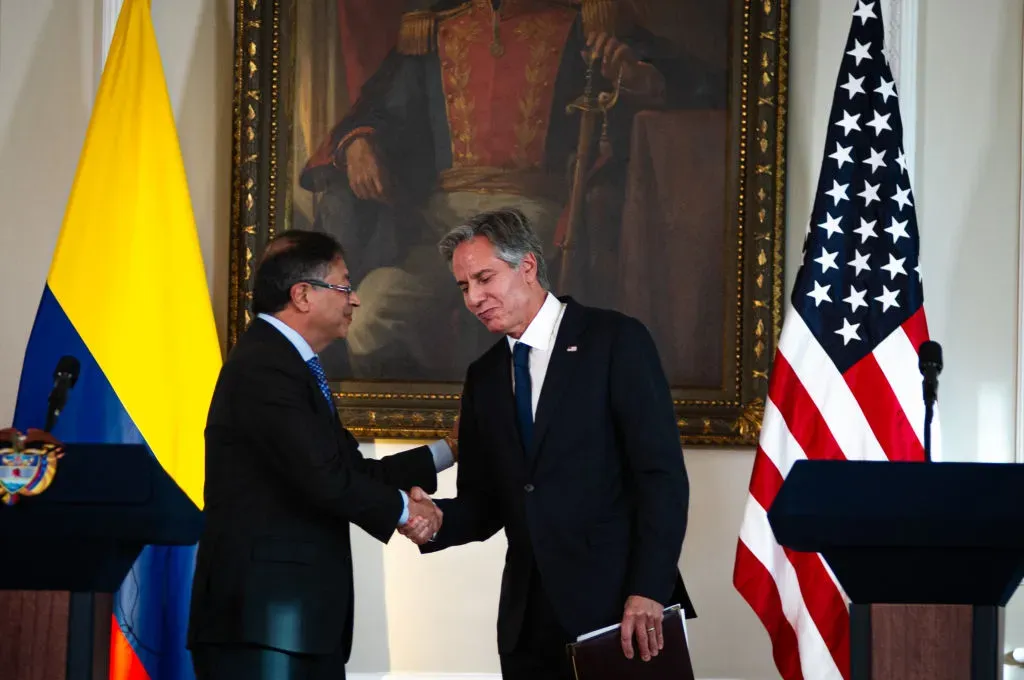
Colombia U.S. relations are poised for a critical evolution as Colombian President Gustavo Petro prepares to meet with U.S. President Donald Trump in Washington. This meeting comes after months of tension marked by complex issues including the Colombian drug trade and U.S. military intervention in the region. With Trump expressing concerns about the situation in Venezuela, including potential military action, both leaders must navigate a delicate landscape of security and border challenges. The discussions will likely highlight the importance of enhanced cooperation to tackle the border security threats posed by drug trafficking and the ELN guerrilla group. As these two nations seek to stabilize relations, the outcomes of this meeting could redefine their bilateral approach to shared challenges.
The diplomatic landscape between Colombia and the United States is at a pivotal juncture, especially with President Gustavo Petro’s upcoming discussions with President Trump. The two leaders are set to address pressing matters such as drug trafficking, military intervention strategies, and the overarching security of the Colombian-Venezuelan border. Furthermore, the meeting reflects a broader urgency to stabilize relations amid rising geopolitical tensions. With both sides harboring concerns over the implications of the Colombian drug trade and border security challenges posed by groups like the ELN, collaboration will be essential. This engagement not only underscores the intricacies of U.S.-Colombia relations but also highlights the shared commitment to enhancing regional stability.
Overview of Colombia-U.S. Relations
Colombia-U.S. relations have historically been influenced by a complex interplay of security, trade, and anti-narcotics cooperation. Recent developments, particularly under President Gustavo Petro, signify a crucial moment in this bilateral relationship. As Colombia grapples with internal issues such as drug trafficking and guerrilla violence, U.S. support remains paramount for stability and security in the region.
The ongoing dialogue between the two nations has faced challenges, notably with the criticisms surrounding Trump’s hardline stance on Colombia’s drug trade. While the U.S. has designated Colombia as a nation that has not effectively curbed drug smuggling, Petro’s administration seeks to reformulate this partnership, emphasizing mutual respect and cooperation, especially in areas of security and counter-narcotics.
Impact of Drug Trade on Colombia-U.S. Relations
The Colombian drug trade presents a significant challenge to bilateral relations between Colombia and the United States. U.S. concerns about the influx of cocaine and its impact on American society have placed immense pressure on the Colombian government to take action against drug cartels. President Petro’s efforts to address these issues include both military and diplomatic strategies aimed at curbing drug production and trafficking.
Moreover, the entwinement of drug trafficking with political and economic factors complicates the relationship. Trump’s comments regarding Colombia’s capabilities highlight the frustrations within U.S. policy circles about ongoing drug production. Both nations recognize that stable cooperation is essential to combat organized crime, and how this relationship evolves will depend significantly on the outcomes from upcoming meetings between their leaders.
Concerns Surrounding Venezuela
The situation in Venezuela is intricately connected to U.S.-Colombia relations, particularly regarding security concerns that permeate through the porous border shared by the two countries. Gustavo Petro’s administration is wary of U.S. military interventions in the region, believing they could exacerbate tensions with neighboring Venezuela and further destabilize Colombia. Discussions about security cooperation and joint strategies to deal with the Venezuelan crisis are of paramount importance.
Trump’s approach to Venezuela, including military options, raises alarm for Colombian leaders who worry about the potential for increased violence and the spillover effect into Colombia. The need for clear communication and a unified stance against the influence of the National Liberation Army (ELN) and other illicit groups operating along the border will be crucial topics during upcoming discussions.
Gustavo Petro’s Diplomatic Strategy
Gustavo Petro’s diplomatic approach marks a pivotal shift in Colombia’s foreign policy, focusing on engaging the U.S. government through direct dialogue, even amidst criticism from Trump about Colombia’s drug policies. By fostering a more collaborative relationship, Petro seeks to counterbalance historical perceptions of Colombia’s ineffectiveness in combating drug trafficking, thereby working to secure U.S. support for his government’s initiatives.
Moreover, Petro’s meeting with Trump presents an opportunity to showcase Colombia’s counter-narcotics efforts and border security strategies, especially regarding the ELN. By illustrating Colombia’s commitment to reform and security, Petro aims to reposition the narrative about Colombia in Washington, appealing for a partnership that focuses on shared goals rather than punitive measures.
Military and Security Cooperation
Military cooperation is one of the foundation stones of Colombia-U.S. relations, particularly in the fight against drug trafficking and guerrilla warfare. With the backdrop of U.S. military strikes against suspected drug vessels, both leaders will need to navigate discussions around military support without escalating tensions or exacerbating historical grievances.
The upcoming dialogue will likely address the U.S. military aid to Colombia, with an emphasis on enhancing border security in light of the threats posed by groups such as the ELN and the intersectionality with Venezuelan military interests. Ensuring that U.S. military engagement aligns with Colombia’s sovereignty while effectively targeting drug-related violence will be a delicate balance both leaders must manage.
Challenges in Drug Trafficking Initiatives
Addressing the challenges of drug trafficking will be a substantial point of discussion during the Washington meeting. Despite Colombia’s significant strides in reducing coca cultivation, the country remains the world’s largest producer of cocaine, necessitating ongoing U.S.-Colombia cooperation in counter-narcotics efforts. Recent tensions over U.S. intelligence sharing have illustrated the precarious nature of this partnership, which Petro hopes to stabilize through diplomatic engagement.
Both countries face the challenge of adapting their strategies to the evolving drug trade landscape, wherein organized crime continuously innovates its methods. Therefore, the need for effective intelligence operations, collaboration among law enforcement, and robust policy measures to combat trafficking will take center stage in their diplomatic talks.
U.S. Military Intervention Debate
The specter of U.S. military intervention looms large over Colombia’s internal security landscape, particularly as Petro navigates relations with Trump, who has signaled an openness to military solutions. The mention of military operations in Colombia to counteract drug production poses a dilemma for Petro, who must advocate for Colombia’s sovereignty while managing U.S. expectations.
Petro’s administration may advocate for a focus on alternative development programs rather than military solutions, emphasizing community-based approaches to combatting the drug trade. Engaging in discussions about the efficacy and pitfalls of military intervention will be critical for promoting a more comprehensive strategy that addresses the root causes of drug-related violence and enhances social stability.
Petro’s Focus on Immigration and Human Rights
In his diplomatic engagements, President Petro places a significant emphasis on immigration and the human rights implications of U.S. policies. His previous remarks comparing U.S. immigration enforcement to historical injustices reflect a deep concern for the human costs of strict immigration protocols affecting Colombians and other Latin Americans seeking refuge.
By pressing for reforms in U.S. immigration policy during his meeting with Trump, Petro aims to reshape the conversation around human rights and regional cooperation. Establishing a diplomatic understanding that considers the humanitarian dimensions of migration may facilitate more productive relations and mutual support in addressing the challenges posed by migration from Colombia and neighboring nations.
Prospective Outcomes from the Meeting
The meeting between Trump and Petro could yield significant transformations in Colombia-U.S. relations, depending on the willingness of both leaders to collaborate effectively. A successful dialogue could streamline U.S. assistance for Colombian security initiatives and bolster efforts to counteract drug trafficking, resulting in long-lasting partnerships.
However, the unpredictability of Trump poses a significant risk. The outcomes may not just shape bilateral relations but also affect the political landscape in Colombia, as Petro’s handling of relations with the U.S. may influence electoral prospects for his chosen successor. Therefore, the strategic implications of this meeting extend beyond immediate diplomatic concerns, potentially reshaping future governance in Colombia.
Frequently Asked Questions
How do Gustavo Petro’s policies affect Colombia U.S. relations?
Gustavo Petro’s policies emphasize a shift towards diplomacy and enhancing Colombia U.S. relations by addressing mutual security concerns, particularly regarding drug trafficking and the Venezuelan border. His administration seeks to portray Colombia as a committed partner in counter-narcotics efforts, despite past tensions with the Trump administration.
What role does the Colombian drug trade play in Colombia U.S. relations?
The Colombian drug trade significantly impacts Colombia U.S. relations, as the U.S. has designated Colombia as not fully meeting its counter-narcotics obligations. This relationship includes efforts to combat cocaine production, which remains a primary concern for both nations in their joint security strategies.
How has U.S. military intervention in Colombia influenced bilateral relations?
U.S. military intervention in Colombia, aimed at combating drug trafficking and guerrilla activities, has been a contentious topic in Colombia U.S. relations. Efforts such as military strikes against drug vessels have drawn criticism from Colombian officials, including President Petro, who views them as a threat to sovereignty.
What key issues are likely to be discussed during the Petro-Trump meeting regarding Colombia U.S. relations?
The upcoming meeting between Gustavo Petro and Donald Trump is expected to focus on key issues such as the Colombian drug trade, border security with Venezuela, and strategies for combatting organized crime and guerrilla warfare, particularly involving the ELN.
How does the situation in Venezuela affect Colombia U.S. relations?
The situation in Venezuela has a profound effect on Colombia U.S. relations, as both nations share concerns about security and stability in the region. With Colombia facing threats from the ELN and the potential for military intervention, collaborative strategies for managing border security are crucial for U.S.-Colombia ties.
What is the significance of the Colombian ELN in the context of Colombia U.S. relations?
The Colombian ELN’s operations across the Venezuelan border complicate Colombia U.S. relations, posing a threat to regional security and drug trafficking efforts. Understanding the ELN’s alignment with Venezuelan interests is essential for both countries in addressing terrorism and organized crime.
How do Trump’s comments on Colombia impact the bilateral relationship?
Trump’s remarks about Colombia, including comments on military operations, create tension in the bilateral relationship and raise concerns about U.S. military intervention. Such rhetoric influences perceptions of Colombia’s effectiveness in combating drug trafficking and securing its borders.
What initiatives are being discussed to improve Colombia U.S. relations?
Initiatives to improve Colombia U.S. relations include increased diplomatic engagement and collaboration on security measures to combat drug trafficking and tackle the ELN threat. The upcoming meeting between Petro and Trump is crucial for realigning shared security interests.
What are the implications of the drug trafficking problem for Colombia U.S. relations?
The ongoing drug trafficking problem has significant implications for Colombia U.S. relations, prompting continuous dialogue on counter-narcotics efforts. The U.S. expects Colombia to enhance its commitment to reducing cocaine production while providing support for military and intelligence operations.
How might domestic politics in Colombia affect its relationship with the U.S.?
Domestic politics in Colombia, particularly under President Petro, could affect its relationship with the U.S. If Petro’s administration is perceived as successfully managing security and drug trade issues, it may strengthen ties with the U.S., while failure in these areas could lead to a strained relationship.
| Key Points | Details |
|---|---|
| First In-Person Meeting | Colombian President Gustavo Petro meets U.S. President Donald Trump in Washington after rising tensions. |
| Key Discussion Topics | Venezuela, drug trafficking, oil, security, and U.S. military operations against drug vessels. |
| Tensions and Criticism | Petro has criticized U.S. actions and likened ICE officials to ‘Nazi brigades’. Trump calls Petro’s government ineffective against cocaine trafficking. |
| Role of U.S. Senator | Senator Rand Paul facilitated communication between Trump and Petro, aiming for improved relations. |
| ELN Influence | The National Liberation Army (ELN) keeps a presence along the Colombian-Venezuelan border, complicating security efforts. |
| Colombia’s Counter-Narcotics Strategies | Petro aims to showcase Colombia’s drug trafficking control measures despite tensions. |
| Potential Outcomes | Success could benefit Petro’s successor’s electoral prospects; failure may not severely impact his support. |
Summary
Colombia U.S. relations are at a pivotal moment as President Gustavo Petro meets President Donald Trump. This dialogue represents a significant opportunity to address issues ranging from drug trafficking to mutual security concerns involving Venezuela. While past tensions have fueled skepticism, both leaders are presented with the possibility of establishing a cooperative framework, particularly in combating cocaine production and addressing the influence of the ELN. Effective communication and proactive diplomacy may pave the way for stronger bilateral ties, fostering a promising future for Colombia U.S. relations.