
Listen to this article
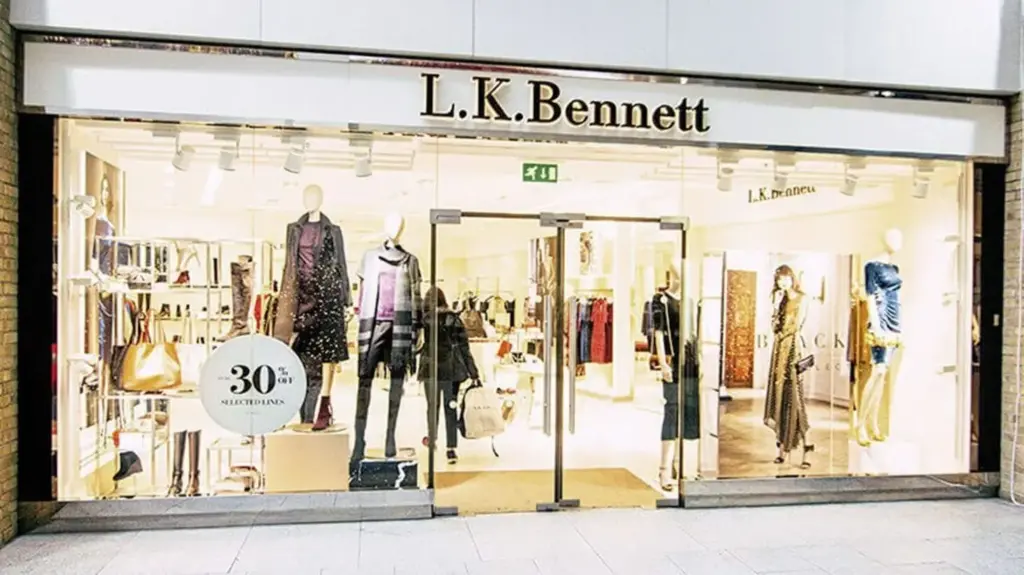
The recent LK Bennett store closures have sent shockwaves through the high street fashion scene, as up to 89 employees face potential redundancies following the brand’s buyout by investment firm Gordon Brothers. This decision marks a significant turning point for the retailer, which is now set to close its remaining storefronts within three months. While LK Bennett has a rich heritage known for its craftsmanship and quality, the exclusion of physical stores in this acquisition highlights ongoing challenges in the retail landscape. As high street fashion news continues to unfold, many are left questioning the future of such iconic brands amid prevalent retail store closures in the UK. With the transition underway, the situation emphasizes the delicate balance between preserving a brand’s identity and adapting to an evolving market.
In the wake of recent developments, the abrupt end of LK Bennett’s physical retail presence has become a significant topic within contemporary retail discourse. Following a strategic buyout by Gordon Brothers, the brand faces imminent store closures and accompanying layoffs that reflect broader trends affecting the high street. As we examine the nuances of this situation, it becomes clear that the closure of longstanding fashion outlets signals a pivotal moment in the UK’s retail evolution. Shifts in consumer preferences and the rise of online shopping have prompted brands like LK Bennett to reevaluate their operational models. These changes not only impact employment within the industry but also reshape the landscape of high street fashion as we know it.
LK Bennett Store Closures: What You Need to Know
The recent acquisition of LK Bennett by Gordon Brothers has raised significant concerns regarding store closures across the UK. As the brand integrates under new ownership, it appears that many of its physical outlets will face imminent closure. Reports indicate that the fashion chain, known for its exquisite craftsmanship in high street fashion, will only continue to operate its existing locations for a limited time, leaving many employees and customers anxious about the future of this beloved brand.
With up to 89 employees projected for redundancy due to the closure of nine standalone outlets and numerous concessions, LK Bennett is making headlines in the retail store closures UK landscape. John Noon, a representative from Alvarez & Marsal, confirmed that while the brand will retain its identity through the preservation of its intellectual property, the physical storefronts are set to vanish after a short operational window. This move emphasizes ongoing challenges within the retail sector, particularly in high street fashion.
Impact of the Gordon Brothers Acquisition on Employees
The acquisition of LK Bennett by Gordon Brothers not only signifies a shift in ownership but also spells uncertainty for its employees. With potential job losses impacting nearly 89 individuals, many workers are left grappling with the implications of this buyout. The new owners have decided to retain some aspects of the brand while effectively sidelining its operational staff from the transaction, leading to inevitable redundancies. This situation has sparked discussions about the overall stability of the retail climate and the fate of fashion businesses during economic fluctuations.
As the fashion industry continues to face tumultuous changes, particularly following a series of retail store closures in the UK, the emotional toll on employees cannot be understated. Many staff members, whose passion lies within the fashion realm, face an uncertain future after years of dedicated service to LK Bennett. The focus now shifts to how these individuals will navigate the competitive job market and whether they might find new roles in an industry that remains challenged by such dramatic shifts.
The Future of High Street Fashion Amid Challenges
The high street fashion news surrounding LK Bennett’s closure is symptomatic of broader trends affecting retail in the UK. As consumer behavior shifts increasingly towards online shopping, traditional retail models face immense pressure to adapt or risk obsolescence. The closure of iconic brands like LK Bennett not only impacts employees but also affects the shopping experience for consumers who value the tactile nature of in-store shopping. The dynamics of high street fashion are in flux as retailers scramble to strategize their survival amidst these changing tides.
As we witness more brands fall victim to the challenging retail landscape, it’s crucial to consider what the future holds for high street fashion. The emergence of online platforms offers a beacon of hope for brands looking to pivot their focus. Yet, the loss of physical stores, as is the case with LK Bennett, raises questions about the sustainability of such a transformation in terms of brand heritage and customer loyalty. Ultimately, the fashion sector might need to innovate significantly to thrive in an age where convenience often trumps the shopping experience.
Concessions at Risk: A Closer Look
In addition to standalone stores, LK Bennett’s concessions in major shopping centers face a precarious future. Locations like John Lewis and Arnotts, Dublin, are now framed within the conversation of impending closures. As these concessions are integral to the brand’s presence in premium retail environments, their potential loss signifies a contraction in high street fashion options. The interplay between physical retail outlets and e-commerce continues to challenge brands, as they must determine optimal strategies to balance their offerings amidst fading foot traffic.
The fate of LK Bennett’s concessions also mirrors a larger trend in retail whereby brands increasingly navigate partnerships with department stores. The decision to maintain these concession partnerships in the current transition raises questions about the future of collaborative selling in a landscape where foot traffic is waning. As consumers have adapted their shopping habits, businesses must rethink their approaches to maximize brand visibility while managing operational costs effectively.
Understanding the Strategy Behind the Buyout
The strategic acquisition of LK Bennett by Gordon Brothers has raised eyebrows across the fashion industry, prompting inquiries about the motivations behind such a buyout. With investment firms often looking to streamline operations and maximize profitability, the decision to exclude physical stores from the deal signals a calculated move to focus on enhancing the brand’s e-commerce presence. By prioritizing online sales, Gordon Brothers aims to capitalize on growth in digital shopping while minimizing the overhead associated with maintaining brick-and-mortar locations.
This strategy reflects a growing trend among investors in the retail sector, where maximizing the brand’s potential through online platforms has become crucial. The emphasis on preserving LK Bennett’s intellectual property and craftsmanship indicates an intention to revitalize the brand in a more sustainable format, albeit with reduced physical footprints. As other high street brands evaluate their futures, the implications of this buyout could serve as a case study in navigating changing consumer behaviors and the increasing necessity of adapting to an evolving landscape.
E-Commerce as a Lifeline for LK Bennett
With physical stores closing, e-commerce emerges as a lifeline for LK Bennett following its acquisition. The brand continues to operate its online platform, which allows loyal customers to still engage with its offerings. The transition towards a more digital-centric shopping experience reflects ongoing trends in the retail environment, where consumers increasingly prefer the convenience of browsing and purchasing from home. This pivot allows LK Bennett to maintain a presence in the competitive fashion market amid the challenges of dwindling physical store traffic.
Continued online sales present an opportunity for LK Bennett to engage with its customer base while reducing operational costs associated with physical storefronts. This transition is crucial to preserving the brand’s identity and ensuring a semblance of its legacy continues in the form of its e-commerce activities. As the fashion industry embraces this digital evolution, brands must invest in building a robust online infrastructure that can support sustainable growth while responding to the preferences of modern consumers.
Consumer Reactions to Retail Collapse
The impending closure of LK Bennett’s stores has evoked mixed reactions from consumers who have often turned to the brand for timeless fashion staples. Typically associated with elegance and quintessential British style, shoppers are upset at the thought of losing physical access to their favorite collections. The news of personnel redundancies has also resonated deeply, impacting customers who value not just the products but also the skilled craftsmanship and customer service associated with the brand.
Additionally, consumer sentiments extend beyond mere inconvenience; they reflect a broader trend of nostalgia for the high street experience. These closures highlight a shift in retail dynamics, steering discussions towards the importance of supporting local businesses and brands that contribute to community identities. As consumers increasingly turn to online options, the loss of physical stores like LK Bennett sparks a dialogue about preserving the rich cultural fabric of high street fashion.
The Broader Implications of Retail Store Closures
The closure of shops like LK Bennett serves as a wake-up call regarding the vulnerabilities within the high street retail sector. As economic pressures mount and consumer preferences evolve, businesses must confront the reality of an unsustainable operating model. These closures not only signify the end of a brand but also represent the loss of jobs and local economies reliant on retail for growth. It prompts stakeholders to re-evaluate their strategies and implement innovative solutions to ensure the survival of shopping streets.
Moreover, the specter of retail store closures resonates beyond individual brands, influencing future consumer behaviors and shopping preferences. The reluctance to visit physical stores could lead to an increasingly fragmented high street landscape unless efforts are made to adapt to the changing times. Addressing these challenges requires collaboration among businesses, government bodies, and communities to revitalize high streets as accessible and vibrant retail spaces, which would foster a supportive environment for both local and high-end brands.
Frequently Asked Questions
What are the recent LK Bennett store closures due to the buyout?
LK Bennett is undergoing significant store closures following its acquisition by Gordon Brothers. Reports indicate that up to 89 employees will face redundancy, with stores expected to close within three months. This is part of a broader trend impacting high street fashion, where the brand’s physical outlets will soon disappear from shopping centers and malls.
How many LK Bennett stores are expected to close?
LK Bennett has announced that all of its retail outlets, totaling 22 standalone stores and concessions, are set to close within three months following the buyout. This includes high-profile locations such as those in Canary Wharf and Westfield White City.
What does the Gordon Brothers acquisition mean for LK Bennett’s physical stores?
The acquisition by Gordon Brothers means that while the LK Bennett brand and its intellectual property were preserved, all physical stores are not included in the deal and will be closed. The focus will shift to online sales, which will continue for the foreseeable future.
How will the LK Bennett redundancies affect employees?
With the current LK Bennett store closures, approximately 89 out of 145 total employees will face redundancies. The uncertainty surrounding the future of remaining head office staff adds to the concern within the workforce as high street fashion news unfolds.
Are online sales for LK Bennett continuing after the store closures?
Yes, despite the impending LK Bennett store closures, online sales through the LK Bennett website will continue. This allows the brand to maintain some level of business operation while physical stores are being shut down.
Which locations are closing as part of the LK Bennett retail store closures?
Significant LK Bennett store closures will affect locations including Bluewater shopping center, Knightsbridge, and Westfield White City. Concessions are also under threat in various John Lewis stores and other key shopping centers in the UK and Ireland.
What led to the LK Bennett stores being sold off during the buyout?
The sale of LK Bennett stores during the buyout was part of a strategic move to preserve the brand’s legacy while removing unprofitable physical locations. The investment firm Gordon Brothers aimed to retain the company’s intellectual property without the burden of its physical retail space.
What impact do LK Bennett store closures have on high street fashion?
The impending LK Bennett store closures are indicative of the broader challenges facing high street fashion. As brands shift towards online retail, many physical outlets are closing, affecting employment and the shopping landscape in the UK.
What is the timeline for LK Bennett’s store closures after the buyout?
LK Bennett’s closures are expected to roll out within the next three months following the buyout by Gordon Brothers. This timeline suggests a swift transition away from physical retail operations.
What options do customers have after LK Bennett store closures?
After LK Bennett store closures, customers can still shop through the LK Bennett website as online sales will continue. This provides a convenient option for customers to access the brand’s products despite the loss of physical stores.
| Key Point | Details |
|---|---|
| Restructuring | LK Bennett has been sold and is undergoing significant restructuring. |
| Employee Impact | Up to 89 employees are at risk of redundancy. |
| Acquisition Details | Acquired by Gordon Brothers, brand and intellectual property preserved, stores excluded. |
| Duration of Operations | Stores expected to continue for three months. |
| Online Sales | Online sales will continue despite physical store closures. |
| Affected Locations | Stores at major centers like Bluewater and Canary Wharf will face closure. |
Summary
LK Bennett store closures are imminent as the well-known fashion chain is set to shut down its physical outlets following a recent acquisition. These closures will affect numerous employees and key retail locations. Having been bought by investment firm Gordon Brothers, the brand aims to preserve its identity while the retail aspect gets phased out within three months. As the company transitions, online sales will continue, allowing loyal customers to shop online despite the loss of stores.