Listen to this article
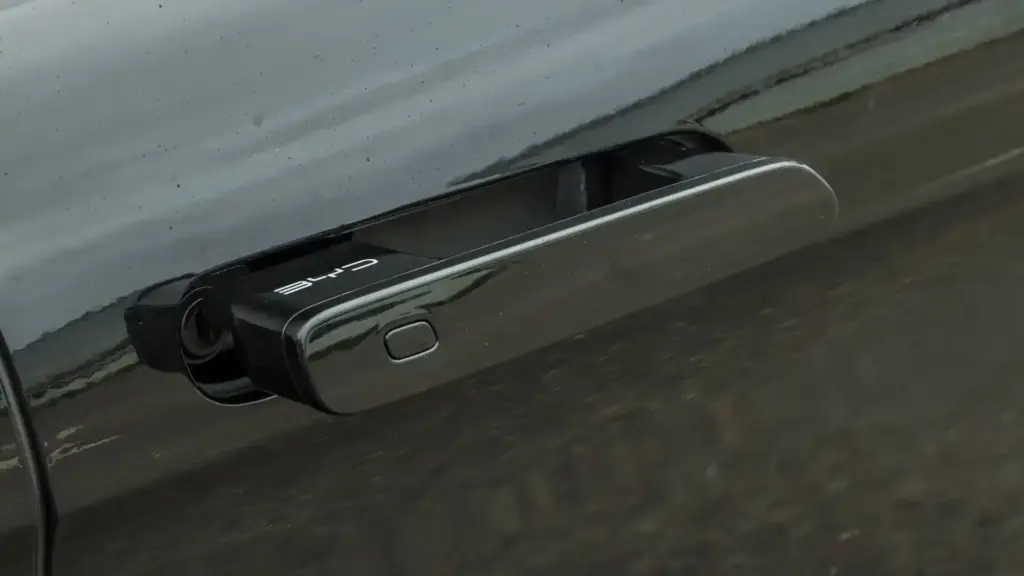
In a groundbreaking move, China has imposed a ban on hidden door handles for electric vehicles (EVs), echoing the growing concerns over electric vehicle safety across the globe. This regulation, designed to enhance accessibility, particularly in emergencies, comes in response to a series of incidents where individuals could not exit due to power failures, including tragic accidents involving Xiaomi EVs. As the first country to implement such a prohibition, China aims to set a benchmark in EV regulations that could influence international markets, especially with its dominance in the new energy vehicle (NEV) sector. Under the new China EV regulations, all passenger doors must now feature a mechanical release, which highlights a shift towards prioritizing user safety and compliance in design. This pivotal change in the automotive landscape not only reflects local safety mandates, but also positions China at the forefront of a global dialogue about electric vehicle safety standards and regulations.
China’s recent directive against concealed door handles on electric vehicles underscores a significant legislative shift aimed at improving vehicle safety protocols. By mandating that EVs, including hybrids and fuel cell vehicles, have accessible mechanical handles, the country is addressing crucial concerns that have emerged in the wake of safety investigations involving brands like Tesla. This initiative prioritizes the operational security of passengers, especially given the rise of incidents where electrical failures rendered doors inoperable. With approximately 60% of the top 100 NEVs featuring these hidden handles, this new policy is expected to reshape the design landscape in the Chinese automotive market. As such, the implications of these NEV regulations not only affect domestic sales but also resonate globally, encouraging a reevaluation of safety standards worldwide.
Understanding China’s Electric Vehicle Door Handle Ban
China has taken a bold step by banning hidden door handles on electric vehicles (EVs), marking a pioneering move in automotive regulation. This decision follows multiple safety concerns highlighted by recent accidents involving EVs, where the inability to open doors due to power failures resulted in tragic fatalities. The new regulations, set to come into effect by January 1, 2027, will ensure that all passenger doors possess a mechanical release mechanism, which will enhance safety and improve accessibility for passengers.
The conclusion drawn from these measures underlines China’s commitment to enforcing robust EV regulations, especially in its rapidly expanding new energy vehicle (NEV) market. With approximately 60% of the best-selling NEVs in the country featuring hidden handles, this ban could substantially impact the design and function of future models. Furthermore, as the Chinese market leads global EV sales, it is likely that manufacturers worldwide, including Tesla and European automakers, will need to adhere to similar safety guidelines.
Implications of the Hidden Door Handle Ban on International Markets
The implications of China’s ban on hidden door handles extend beyond its borders, as manufacturers worldwide may feel pressured to adopt similar safety standards. As the global automotive industry observes China’s stance on electric vehicle safety, it is evident that compliance with NEV regulations will become increasingly important. This is especially true for automakers like Tesla, whose designs have been scrutinized amid investigations into door handle functionality and safety.
Notably, the United States and European countries are already examining their regulatory frameworks in light of incidents involving malfunctioning door handles that created serious safety risks. The NHTSA’s investigation of Tesla’s electric door handles—prompted by reports of functionality failure—serves as a reminder of the vital importance of mechanical accessibility in vehicle design. Given this trend, the possibility of similar regulations emerging globally seems inevitable, as consumer safety remains a top priority for regulators.
Safety Innovations: Tesla Door Handle Safety Concerns
Among the companies affected by the hidden door handle ban is Tesla, which has faced increasing scrutiny regarding its door handle safety. The electric vehicle manufacturer has witnessed multiple complaints regarding their models, particularly the 2021 Model Y, where users reported that door handles unexpectedly ceased to function. This safety concern is exacerbated by the involvement of children in these incidents, leading to potentially dangerous situations where they were unable to exit the vehicle.
Tesla’s ongoing challenges with door handle functionality have placed the brand under a safety spotlight, prompting regulatory bodies to reevaluate existing designs. As the automotive industry pivots towards safer designs—with regulations tightening in regions like China—it will be critical for Tesla to adapt quickly. The need for streamlined and safer handling designs not only in China but on a global scale, emphasizes the crucial intersection of innovation and safety within the EV landscape.
China’s Stringent EV Regulations and Global Influence
China’s recent regulations on hidden door handles signify a broader initiative to mandate safety in electric vehicles. With the new rules highlighting mandatory mechanical releases and accessible door designs, the Ministry of Industry and Information Technology is sending a clear message: the safety of passenger vehicles is non-negotiable. These regulations are poised to set benchmarks that may inspire similar initiatives in other automotive markets, especially where EV sales continue to burgeon.
The global automotive sector, particularly those companies eyeing the lucrative Chinese market, will need to align their designs with China’s emerging safety standards. As more countries assess their own EV regulations, stakeholders must realize that adhering to safety innovations is essential not just for compliance but for consumer trust. China’s dominance in the new energy vehicle sector means that compliance with its regulations could very well become the industry standard worldwide.
Navigating the Future of Electric Vehicle Safety Standards
As the global marketplace faces an evolving landscape in electric vehicle safety, it is crucial for manufacturers to stay ahead of regulatory changes. The Chinese ban on hidden door handles is a prime example of how quickly safety standards can shift in response to emerging risks. Automakers must now prioritize the implementation of mechanical door releases and robust user signage as part of their design ethos, ensuring compliance as they prepare to enter markets with stringent regulations.
In response to increased scrutiny, automakers are exploring new technologies that promote user safety in electric vehicles. Innovations that enhance accessibility, such as clearly marked mechanical releases and easy-to-use door mechanisms, are key considerations as companies strive to satisfy both regulatory requirements and consumer expectations. By anticipating future changes and integrating them within their designs, manufacturers can not only comply with regulations like those emerging in China but can potentially lead in global automotive safety advancements.
Potential Consequences of the Hidden Door Handles Ban for Auto Manufacturers
The consequences of China’s hidden door handle ban reach deep into the strategy and operations of auto manufacturers worldwide. For companies like Tesla, which extensively utilizes innovative designs, adapting to this regulatory shift will require significant investment in redesigning door mechanisms to comply with new local rules. This could lead to increased production costs and potentially delay market entry for some models.
In addition, the significant presence of hidden door handles within the NEV sector in China suggests that manufacturers who fail to adapt could lose market share to those who comply with evolving safety standards. As international manufacturers scout opportunities in the Chinese market, understanding and applying these emerging regulations will prove vital for sustaining their market position and ensuring consumer safety.
Evaluating Safety in the Electric Vehicle Industry
Safety in the electric vehicle industry has garnered unprecedented levels of attention, particularly in light of recent accidents that underscore the importance of accessible vehicle designs. The scrutiny surrounding hidden door handles highlights how crucial it is for manufacturers to incorporate safety features that go beyond aesthetic appeal. As the ban on hidden handles comes into play in China, it raises the bar for safety expectations across the entire industry.
As the automotive landscape evolves, safety must remain at the forefront of design and engineering. Continuous advancements in vehicle technology should not come at the expense of accessibility and user safety. The challenges posed by incidents involving hidden handles provide a wake-up call for the industry to re-evaluate design philosophies and implement rigorous safety tests for all vehicle features. In doing so, manufacturers not only comply with emerging regulations but also protect the lives of their consumers.
Consumer Reaction to Electric Vehicle Safety Regulations
Consumer reaction to the ban on hidden door handles in China has been one of mixed expectations—from relief regarding improved safety standards to concern over potential design limitations. As consumers become more aware of the safety implications tied to vehicle designs, they increasingly value features that enhance user accessibility, particularly in emergency situations. The expectation for thoughtful, functional designs underscores the significance of integrating safety into the very fabric of vehicle development.
Moreover, as more consumers transition to electric vehicles, the call for safety features that ensure user-friendly experiences will undoubtedly impact purchasing decisions. The automotive industry must remain responsive to these demands, pivoting towards designs that not only meet regulatory requirements but also align with consumer preferences for safety and functionality. The push for enhanced safety indicates a growing trend towards prioritizing vehicle reliability and user-centric accessibility in future electric vehicle models.
The Role of Innovation in Meeting EV Safety Regulations
Innovation emerges as a vital component in addressing the new challenges posed by safety regulations in the electric vehicle segment. As manufacturers face stringent rules such as China’s ban on hidden door handles, there is a pressing need for creative structural designs that fulfill safety and aesthetic requirements simultaneously. Companies that embrace innovation will likely gain a significant advantage in the marketplace by converting regulatory constraints into opportunities for development.
Adopting cutting-edge technologies not only fosters compliance with regulations but can also lead to breakthroughs in user experience and safety features. From automatic unlocking systems to intuitive handle designs, manufacturers are investing in research and development to ensure their vehicles meet and exceed safety standards. Such forward-thinking approaches in the EV landscape pave the way for a future where safety and innovation coexist, ultimately benefiting consumers, manufacturers, and the industry as a whole.
Frequently Asked Questions
What is the significance of the China electric vehicle door handle ban?
The China electric vehicle door handle ban is a significant regulatory measure that prohibits the use of hidden door handles on electric vehicles (EVs). This decision aims to enhance vehicle safety by ensuring that all doors feature a mechanical release mechanism, which is crucial for emergency situations. This ban reflects increasing scrutiny on EV safety following incidents involving door accessibility issues.
How will the hidden door handles ban affect Tesla vehicles in China?
The hidden door handles ban in China will directly impact Tesla vehicles, as many models, including the Model Y, feature such designs. As per the new regulations, Tesla must redesign its door handles to comply with the mandate that requires visible mechanical releases accessible from both inside and outside the vehicle by January 1, 2027.
What are the new regulations regarding door handles for electric vehicles in China?
Under the new NEV regulations in China, all passenger doors must include a mechanical release mechanism. The design must incorporate a recessed space measuring at least 6cm by 2cm by 2.5cm to facilitate easy access to the door handles. Additionally, inside the vehicle, signage indicating how to operate the doors must be present.
Why is China implementing regulations on electric vehicle safety regarding door handles?
China is implementing these electric vehicle safety regulations in response to concerns about door accessibility during emergencies. Recent accidents, including two fatal crashes involving Xiaomi EVs where power failures hindered door openings, highlighted the potential dangers of hidden door handle designs. The regulations aim to ensure driver and passenger safety in electric vehicles.
When will the ban on hidden door handles take effect in China?
The ban on hidden door handles for electric vehicles in China will take effect on January 1, 2027. This gives manufacturers time to adapt and redesign their vehicles to comply with the new NEV regulations.
What impact might the China electric vehicle door handle ban have on the global automotive market?
The China electric vehicle door handle ban could have significant implications for the global automotive market, as China is a major player in the industry. Manufacturers worldwide may need to reconsider their designs and safety practices to align with emerging regulatory standards, influencing the design of electric vehicles beyond China.
Are there any exceptions to the China electric vehicle door handle ban?
Yes, vehicles that have already received regulatory approval and are approaching entry into the Chinese market will be granted an additional two years to modify their designs to comply with the ban on hidden door handles.
What prompted the investigation into Tesla’s door handle safety?
The investigation into Tesla’s door handle safety was prompted by several reports received by the US National Highway Traffic Safety Administration (NHTSA) about the handles malfunctioning unexpectedly. These issues resulted in children becoming trapped inside the vehicles, highlighting serious safety concerns that have led to increased scrutiny of electric vehicle safety standards.
How common are hidden door handles in new energy vehicles in China?
Hidden door handles are quite common in China’s new energy vehicle sector, with approximately 60% of the top 100 best-selling NEVs featuring this design. The ban on such handles indicates a significant shift in safety practices within the rapidly growing electric vehicle market.
| Key Point | Details |
|---|---|
| Ban on Hidden Door Handles | China bans hidden door handles on EVs, a significant move led by safety concerns after incidents involving Xiaomi EVs. |
| New Regulations Details | New regulations require mechanical releases on internal and external doors and specify dimensions for access space and signage. |
| Effective Date | The regulations will come into effect on January 1, 2027. |
| Implications for Manufacturers | Manufacturers have two additional years to comply for vehicles already approved for the market. 90% of popular NEVs currently utilize hidden handles. |
| International Impact | This ban could influence global automotive safety standards, particularly as Tesla faces scrutiny in the US and EU over similar issues. |
Summary
The China electric vehicle door handle ban marks a transformative step in automotive safety, reflecting the government’s commitment to addressing safety concerns related to EV designs. By requiring accessible mechanical door handles, this regulation aims to prevent incidents similar to the recent tragedies involving EVs. Given China’s influential position in the global market, this ban may set a precedent for other countries to follow, potentially reshaping the standards for electric vehicles worldwide.