
Listen to this article
The impact of sport on mental health has become an increasingly vital area of study, especially as more people seek solutions to alleviate stress and anxiety. Engaging in physical activities is not just a way to stay fit; it also overwhelmingly benefits mental health, making it a key aspect of overall wellbeing. Research highlights the mental health benefits of exercise, revealing how participating in sports can reduce symptoms of anxiety and depression while boosting self-esteem and mood. From team sports fostering community connections to individual pursuits providing a sense of achievement, the benefits of sports for mental health are profound. With numerous studies underlining the importance of physical activity and mental health, embracing an active lifestyle emerges as a powerful strategy for enhancing emotional resilience and happiness.
Exploring the connection between athletic pursuits and psychological wellness opens up discussions about how active engagement can profoundly influence our emotional health. Physical engagement, whether through competitive sports or recreational activities, plays a significant role in shaping our mental state. Numerous studies support the assertion that exercise leads to reduced stress, heightened self-esteem, and improved mood, illustrating the crucial role sports and wellbeing play in our lives. When individuals actively participate in physical activities, they not only enhance their fitness but also cultivate a more positive outlook on life, which is strongly linked to exercise for anxiety relief. The overall effects of incorporating physical activity into daily routines underscore its importance, leading to a healthier, happier mindset.
The Positive Impact of Sport on Mental Health
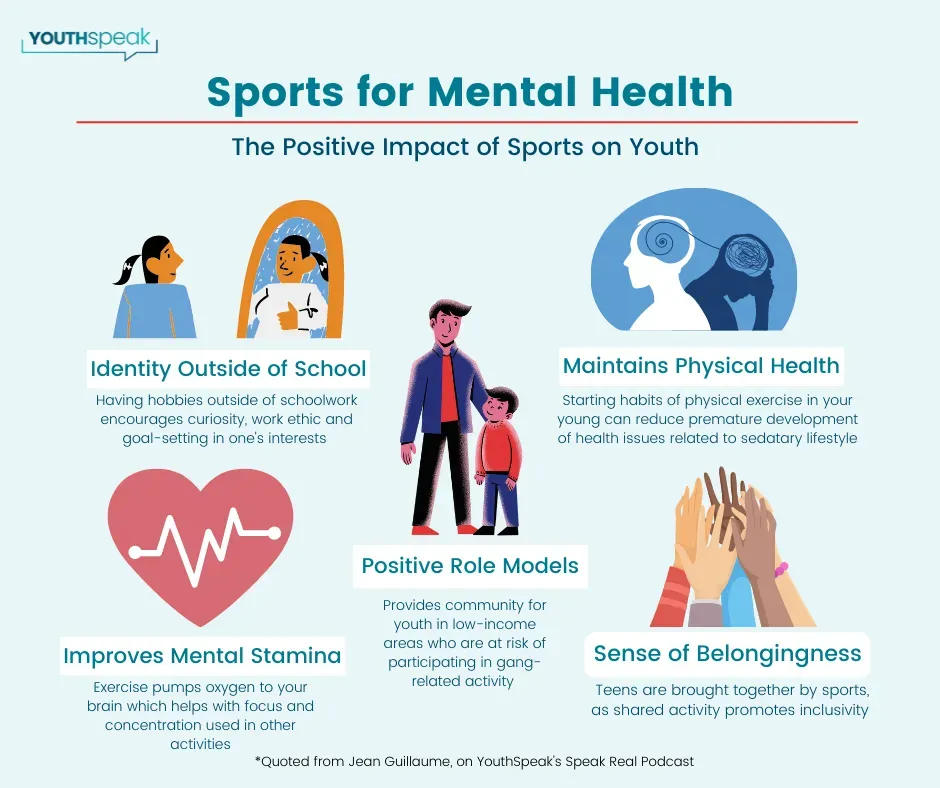
Engaging in sports has a profound impact on mental health by promoting emotional resilience and psychological stability. Studies have shown that participants who engage in regular sports activities experience lower levels of anxiety and depression. This is largely due to the endorphin release during physical exertion, which contributes to the feelings of happiness and well-being often referred to as the ‘runner’s high.’ As individuals partake in team sports or competitive activities, they not only build physical strength but also fortify their mental health against various psychological stresses.
Moreover, the discipline and structure that come from participating in sports equip individuals with valuable coping mechanisms for dealing with life’s challenges. The consistency of training and the pursuit of personal bests instills a sense of purpose and achievement. Such mental health benefits highlight the integral role that sport plays in enhancing well-being and creating a healthier mindset.
Frequently Asked Questions
What are the mental health benefits of exercise?
Regular physical activity offers numerous mental health benefits, including reduced anxiety and depression, improved mood, and enhanced self-esteem. Exercise releases endorphins, which act as natural mood lifters, promoting overall psychological well-being.
How does sport impact mental health positively?
Sport contributes positively to mental health by fostering social connections, enhancing self-esteem, and providing a sense of achievement. Participating in team sports or group activities can help individuals feel more connected and reduce feelings of loneliness.
Can exercise help with anxiety relief?
Yes! Exercise is known to be a powerful tool for anxiety relief. Engaging in physical activity helps reduce stress hormones while boosting endorphins, leading to improved mood and decreased anxiety symptoms.
What are the benefits of sports for mental health?
The benefits of sports for mental health include improved mood stabilization, reduced feelings of anxiety and depression, increased self-confidence, and the development of supportive social networks through team interactions.
How does physical activity and mental health relate?
Physical activity and mental health are closely linked; regular exercise enhances mental well-being by improving mood, reducing stress, and fostering social interactions, therefore contributing to a healthier mind.
What role does sport play in enhancing self-esteem and confidence?
Sport plays a significant role in enhancing self-esteem and confidence by allowing individuals to set and achieve personal fitness goals, thereby fostering a sense of accomplishment and positive self-image.
How can exercise improve cognitive function?
Exercise has been shown to enhance cognitive function by increasing blood flow to the brain, promoting neuroplasticity, and boosting brain-derived neurotrophic factor (BDNF), which supports learning and memory.
What are effective sports and wellbeing practices?
Effective practices for sports and wellbeing include finding enjoyable physical activities, setting realistic goals, scheduling regular exercise, and engaging in community sports, which fosters social connections and support.
How does sport relieve stress?
Sport relieves stress by providing a physical outlet for pent-up energy and tension. Activities such as yoga and tai chi not only promote physical fitness but also encourage mindfulness, contributing to stress reduction.
Why should I consult mental health professionals if I want to incorporate exercise for mental health?
Consulting mental health professionals is crucial, especially for those with significant mental health challenges. They can guide you in creating a comprehensive treatment plan that incorporates exercise as a powerful supplementary tool.
| Key Points | Details |
|---|---|
| Understanding Mental Health | Mental health encompasses emotional, psychological, and social well-being and can determine how we handle stress and relate to others. |
| Exercise and Psychological Benefits | Physical activity is linked to improved mental health, reducing anxiety, depression, and enhancing self-esteem. |
| Reducing Symptoms of Anxiety and Depression | Regular physical activity significantly reduces symptoms of anxiety and depression and provides a sense of achievement. |
| Boosting Self-Esteem and Confidence | Achievement in sports, whether big or small, boosts self-esteem and creates a positive self-image. |
| Enhancing Social Connections | Sports foster social interaction and community, protecting against feelings of loneliness. |
| Stress Relief | Physical activity reduces tension and promotes relaxation, acting as an outlet for stress. |
| Active Living and Well-being | Incorporating physical activity into daily life promotes overall well-being. |
| Creating a Sustainable Exercise Routine | Starting small, finding enjoyable activities, and setting realistic goals helps maintain motivation. |
| The Role of Mental Health Professionals | Consulting healthcare providers is crucial for mental health challenges alongside exercise. |
Summary
The impact of sport on mental health is profound, as regular physical activity significantly enhances mental wellbeing by reducing symptoms of anxiety and depression, boosting self-esteem, and fostering social connections. Engaging in sports and exercise offers a holistic approach to improving psychological health, making it essential for individuals seeking to enhance their emotional resilience and overall happiness. Encouraging an active lifestyle can lead to substantial benefits not only for individual well-being but also for community health, making it a vital aspect of contemporary mental health advocacy.

