
Listen to this article
In the ever-evolving sector of entrepreneurship, how to sell your business idea is a fundamental skill that every aspiring entrepreneur must master. An effective pitch can open doors for funding, partnerships, and customer acquisitions, making it crucial to convey your vision with clarity and enthusiasm. This blog will explore various effective pitching techniques that will elevate your ability to sell your idea persuasively. By dissecting successful pitch strategies, you’ll learn how to engage your audience effectively while showcasing the uniqueness of your concept. Join us as we dive into the art of business pitching, where your ability to articulate your ideas could lead to your next big opportunity.
For budding entrepreneurs looking to captivate their audience, communicating your business concept with impact is essential. Selling an idea goes beyond mere words; it is about presenting a compelling narrative that resonates with potential stakeholders. In this discussion, we will navigate alternative methods of articulating your vision, examining various strategies for successful business presentations. By employing these tactics, you can significantly enhance your persuasion skills and create lasting impressions on investors and partners alike. Let’s embark on a journey to perfect your pitch and transform your entrepreneurial dreams into reality.
The Importance of Understanding Your Audience in Business Pitching
Understanding your audience is critical when it comes to business pitching. Have you ever given a presentation and felt like you were speaking a different language than your listeners? That’s often what happens when the pitch doesn’t align with the audience’s interests or needs. When you take the time to research who you’ll be speaking to, you can tailor your message to resonate with them. For example, if you’re pitching to investors, zero in on their potential return on investment. If you’re addressing fellow entrepreneurs, emphasize collaboration and innovation.
Moreover, understanding your audience allows you to anticipate questions and objections they might have. By addressing these concerns preemptively in your pitch, you not only build credibility but also trust. This engagement can turn passive listeners into active participants, increasing the likelihood of a positive response to your business idea.
Crafting a Compelling Business Pitch Structure
A strong business pitch structure is akin to a blueprint for success. It starts with a compelling hook — something that grabs attention right away. Imagine starting your pitch with a surprising statistic about market growth or a poignant story that relates to the problem you aim to solve. This initial engagement is crucial, as it sets the stage for the entire presentation. After the hook, clearly define the problem to establish relevance.
Next, move into presenting your solution. Here, clarity is vital; ensure your audience understands exactly what your business offers and how it addresses the identified problem. Utilize visuals whenever possible, as they can make your ideas more tangible and relatable. After illustrating the solution, segue into highlighting the market opportunity to demonstrate demand. Keeping your pitch structure clear and logical not only helps your audience follow along but also reinforces your credibility as a business leader.
Enhancing Pitch Delivery: Tips for Confidence and Engagement
Once your pitch is structured, focus on delivery techniques that enhance communication. The practice is essential; rehearse until your presentation flows naturally. Some entrepreneurs opt for a mirror practice to perfect their body language and vocal delivery. The confidence exuded through posture and tone can indeed captivate your audience. In fact, a study by the Journal of Business Communication found that confident presenters are perceived as more trustworthy.
Engagement is another pivotal aspect of delivering an effective pitch. Instead of just delivering a monologue, invite your audience into a dialogue by asking open-ended questions. This not only makes them feel involved but also gives you real-time feedback on how your pitch resonates. By building this connection, you create a conversational atmosphere that can lead to productive discussions beyond the pitch.
The Role of Visual Aids in Effective Pitching Techniques
Visual aids play a critical role in effective pitching techniques. They offer a compelling way to break down complex information and maintain audience interest. Instead of lengthy textual explanations, a striking infograph can convey statistics that magnify the potential of your business idea. Research shows that people retain information better when paired with visual elements, making your pitch more memorable.
However, while visuals enhance engagement, they must be used strategically. Avoid overcrowding slides with information; instead, opt for simple and impactful imagery that complements your narrative. The key is to ensure your visual aids reinforce your message rather than distract from it. A well-designed visual can act as a powerful tool to convey not just facts, but also the passion you have for your business idea.
Overcoming Objections: Preparing for Challenges in Your Pitch
Preparing for objections is a cornerstone of successful pitch strategies. A well-prepared entrepreneur anticipates questions and concerns that investors or partners may have and addresses them head-on during the presentation. This preparation shows that you have thought through your business model comprehensively, and it cultivates a sense of trust and transparency. For instance, if market competition is a concern, demonstrate how your unique value proposition sets you apart.
Moreover, being prepared to adapt your response to feedback from your audience can significantly impact their perception of your pitch. Rather than viewing objections as setbacks, frame them as opportunities to further clarify your message and reinforce your business idea’s viability. This mindset shift puts you in the driver’s seat, allowing you to tailor your pitch dynamically as the conversation evolves.
The Power of Networking and Follow-Up After Your Pitch
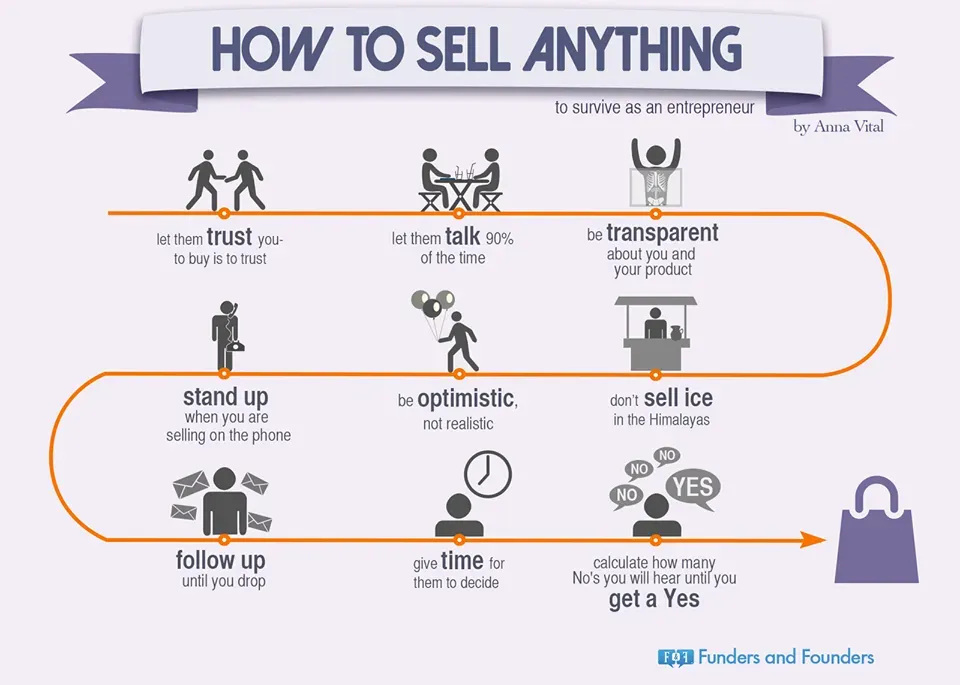
After delivering your pitch, don’t overlook the importance of networking and follow-up. Engaging with your audience post-presentation is crucial; it magnifies the conversation and keeps your business idea alive in their minds. A simple ‘thank you’ email recapping the key points of your pitch can remind attendees of the benefits of your proposal, creating a positive association in their minds.
Furthermore, follow-ups can serve as a platform for building relationships, potentially leading to future opportunities—whether or not your initial pitch was successful. Ensure that you’re open to continued dialogue, inviting questions and providing additional materials that address any lingering concerns. Building a rapport can ultimately lead to fruitful collaborations, strengthening your position within the entrepreneurship ecosystem.
Learning and Improving Through Feedback from Pitch Experiences
Feedback is an invaluable resource for entrepreneurs, particularly in refining your pitch strategy. Each presentation is an opportunity to gather insights on what’s working and what isn’t. Embrace constructive criticism as a learning tool. After your pitch, reach out to your audience for their thoughts; you might discover valuable perspectives that can enhance your future presentations.
Moreover, conducting self-reflection after each pitch can also yield significant improvements. Consider analyzing your delivery, structure, and audience engagement. Documenting what resonated well and areas that felt flat gives you a tangible roadmap for enhancing your pitching skills. By approaching feedback as a continuous improvement process, you not only polish your current business idea but also develop resilience and adaptability for future entrepreneurial endeavors.
Frequently Asked Questions
What are the essential techniques for effectively pitching your business idea?
To sell your business idea effectively, utilize techniques such as understanding your audience, structuring your pitch clearly, and delivering it confidently. Start with a strong hook, define the problem, present your solution, and close with a solid call to action. Practice your delivery and engage with your audience to enhance your pitch.
How can I structure my pitch to successfully sell my business idea?
A successful pitch structure includes: a compelling hook to capture attention, a clear definition of the problem your business addresses, a well-defined solution, an overview of market opportunities, evidence of traction, a robust business model, and a strong call to action. This structure helps convey your idea effectively.
What marketing strategies can help when selling your business idea?
When selling your business idea, effective marketing strategies include showcasing your unique value proposition, leveraging social proof through testimonials, and using targeted advertising to reach potential investors or customers. Creating compelling visuals and staying engaged with your audience can also enhance your marketing efforts.
Why is understanding your audience vital when selling your business idea?
Understanding your audience is vital because different stakeholders have specific interests. For instance, investors focus on ROI while partners consider synergy. By tailoring your pitch to their concerns, you increase the likelihood of successfully selling your business idea.
What are some common objections I should prepare for when pitching my business idea?
Common objections include concerns about market viability, competition, scalability, and financial projections. Preparing responses to these objections demonstrates your thorough understanding of the market and boosts confidence in your business idea.
How can visual aids improve my business pitch?
Visual aids improve your business pitch by simplifying complex ideas, maintaining audience engagement, and providing a clearer understanding of your solution. Use infographics, slideshows, and prototypes strategically to enhance your message.
What role does follow-up play in selling your business idea?
Follow-up is crucial after you pitch your business idea as it reinforces your interest and keeps you on the radar of potential investors or partners. Sending a thank-you email with a recap of key points and additional information can strengthen your relationship and open doors for future opportunities.
| Key Point | Description |
|---|---|
| Understanding Your Audience | Identify the interests of different stakeholders to tailor your pitch accordingly. |
| Structuring Your Pitch | Use a clear structure: Hook, Problem, Solution, Market Opportunity, Traction, Business Model, Call to Action. |
| Perfecting Your Delivery | Practice, maintain confidence, control pacing, and engage your audience. |
| Using Visual Aids | Incorporate slideshows or product demos to reinforce your message. |
| Overcoming Objections | Anticipate concerns and actively address them in your pitch. |
| Networking and Follow-Up | Build relationships post-pitch by following up with your audience. |
| Learning from Feedback | Seek constructive criticism to improve future pitches. |
Summary
How to sell your business idea effectively involves understanding your audience before you even begin crafting your pitch. Imagine having a conversation with someone who truly gets where you’re coming from—it makes all the difference, right? So, first, tailor your message to resonate with their values and concerns. Next, structure your pitch like a story, starting with an engaging hook, addressing the problem you’re solving, and presenting your innovative solution. Remember, practice makes perfect! Your delivery should convey confidence and engage your audience with questions, making them feel part of the discussion. And don’t forget the power of visuals to keep their attention! After your pitch, it’s vital to follow up and build those relationships because who knows what opportunities might arise next? Finally, always seek feedback; it’s a treasure trove that will refine your approach. Together, these elements will help you dramatically improve how to sell your business idea.

