
Listen to this article
When it comes to enjoying nature in London, the best parks in London stand out as tranquil oases amidst the urban chaos. From the sprawling lawns of Hyde Park to the historic charm of Richmond Park, these green spaces provide a peaceful retreat for both locals and tourists alike. You can immerse yourself in outdoor activities London has to offer, whether it’s leisurely strolls, picnics, or wildlife watching. Each park boasts unique features that cater to various interests, making them the best parks to visit in London for relaxation and recreation. Discovering these natural gems can truly enhance your London experience, allowing you to unwind and appreciate the lush landscapes.
Exploring the finest green spaces in the heart of London unveils a wealth of natural beauty and serene settings. The city’s parks not only serve as essential escapes but also showcase the lush environment that thrives alongside its historical sites and modern attractions. For anyone seeking rejuvenation amid the hustle and bustle, these locales provide ample opportunities for picnicking, leisurely walks, and engaging in outdoor activities London is known for. Rich in flora and fauna, these parks are vital to the city’s landscape, offering a breath of fresh air within the urban sprawl. Join us as we delve into the must-visit parks in London, where nature and community come together.
Exploring the Best Parks in London for Outdoor Activities
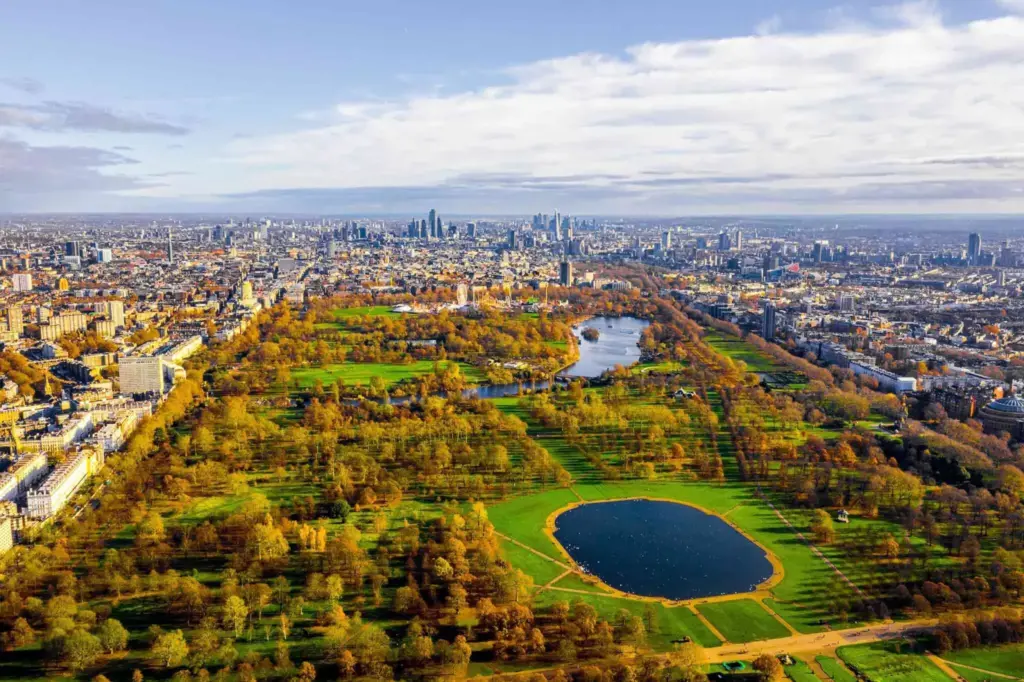
London is brimming with parks that cater to a variety of outdoor activities, ensuring that nature enthusiasts and casual visitors alike can find something to enjoy. Among the **best parks in London**, Hyde Park stands out with its vast expanse for jogging, cycling, and even horse riding along picturesque trails. The park’s proximity to the Serpentine Lake means you can even indulge in boating during the warm months, providing an exhilarating way to experience the great outdoors right in the heart of the city.
Not far behind, Regent’s Park also offers a plethora of outdoor options, from its tennis courts to scenic walking paths surrounded by beautifully manicured gardens. Families often flock to the park for picnics or to visit the London Zoo, making it a perfect choice for those looking to combine leisure with action-packed fun. London parks, like these, not only provide refreshing green spaces but also facilitate a wide range of enjoyable outdoor activities.
The Role of Nature in London’s Urban Life
In the urban sprawl of London, parks serve as critical green spaces that enhance the quality of life for city residents. These areas offer a necessary retreat from the hustle and bustle, providing natural habitats for wildlife and peaceful environments for people to relax. For instance, Richmond Park is a sanctuary not just for its free-roaming deer but also for Londoners seeking serenity away from city noise. This connection to nature can reduce stress, improve mental health, and promote a more holistic urban experience.
Moreover, parks like Hampstead Heath encourage people to engage with nature in more dynamic ways, such as swimming in natural ponds or hiking through wild meadows. Such activities can strengthen community ties and foster a deeper appreciation for London’s diverse ecosystems. Thus, incorporating nature in urban planning is essential for nurturing a sustainable and healthy environment in this vibrant metropolis.
Unique Features of London Parks to Explore
Each park in London presents a unique character and features that appeal to different interests. For example, St. James’s Park is renowned for its stunning flower gardens and exotic bird life, including pelicans that are a must-see for any nature lover. Its location near key landmarks like Buckingham Palace makes it an ideal spot for visitors wanting to soak in some culture amidst nature. Strolling through this park offers a delightful blend of exquisite flora and engaging wildlife that captivates anyone.
On the other hand, Battersea Park is celebrated for its mix of formal gardens and natural landscapes, which provide visitors with various experiences, from a leisurely walk by the lake to enjoying a day at the children’s zoo. Such landmarks illustrate how each park serves not just as a recreational space but also as a focal point for community engagement and cultural activities in London.
Wildlife Encounters in London’s Green Spaces
London’s parks are not just beautiful but also act as sanctuaries for diverse wildlife, offering opportunities for residents and tourists to engage with nature. Richmond Park’s vast woodlands are home to a significant population of deer, making it a popular destination for wildlife enthusiasts. The thrill of spotting these majestic animals in their natural habitat can create memorable experiences, demonstrating that urban living can coexist harmoniously with nature.
Similarly, the ponds at Hampstead Heath provide habitat for various aquatic species, allowing visitors to experience the charm of a more untamed environment. The park’s commitment to preserving natural habitats allows for sustainable wildlife viewing while fostering a greater understanding of the importance of conservation within urban landscapes. Every visit to these parks becomes an exciting journey into the wildlife that thrives in the heart of London.
Family-Friendly Parks in London
Finding family-friendly parks in London can make outings enjoyable for both adults and children. Parks like Crystal Palace Park stand out with their engaging attractions such as dinosaur sculptures and adventure playgrounds that stimulate children’s imagination. The park’s mix of play areas and open spaces allows families to spend quality time together while enjoying various activities, from picnics to sports.
Regent’s Park, with its fabulous landscape and the London Zoo, is another great choice for families. Here, children can learn about animals and conservation while parents can relax in the beautiful surroundings. These parks cater to families by offering safe, engaging environments where parents can relax while kids explore, ensuring a fun day out in nature.
Cultural Events in London Parks
Many green spaces in London, particularly the more famous ones like Hyde Park and Regent’s Park, serve as venues for cultural events throughout the year. Music festivals, open-air theatre performances, and art exhibitions flourish in these vibrant environments, making parks an integral part of London’s cultural fabric. Attending such events allows people to engage with the arts while being enveloped in nature.
St. James’s Park also hosts several community events, fostering local engagement and providing opportunities for families and individuals to connect with each other. This blend of culture and nature in parks helps to create a rich community tapestry that enhances social interactions in the city, making visits to parks not just about relaxation but also about cultural enrichment.
Seasonal Activities in London Parks
London parks transform significantly with the changing seasons, offering a variety of activities that draw residents outdoors all year. In spring, parks burst into bloom, providing magnificent landscapes ideal for leisurely strolls or photography. Events like cherry blossom festivals in places like Battersea Park celebrate nature’s beauty and draw many visitors eager to witness the seasonal spectacle.
As summer approaches, families flock to the expansive lawns of Hyde Park for picnics, and outdoor concerts fill the air with music, creating an atmosphere of joy and community. Autumn brings stunning foliage to parks like Hampstead Heath, where visitors can enjoy picturesque views while hiking through rich autumn colors. Winter often showcases magical outdoor ice skating rinks in select parks, maintaining the cycle of seasonal enjoyment in London’s beloved green spaces.
Preserving London’s Green Spaces
The preservation of London’s parks is crucial not only for the environment but also for the mental well-being of its residents. As urbanization accelerates, efforts to maintain these green spaces become increasingly important. Initiatives to enhance biodiversity, promote sustainability, and involve community members in conservation efforts lead to healthier parks and stronger community bonds.
Volunteer programs in parks like Richmond Park allow citizens to contribute actively towards preserving these natural habitats. Through such collaborative efforts, London can maintain its identity as a city where nature and urban life coexist seamlessly. This approach not only protects the parks for future generations but also nurtures a culture of environmental responsibility within the community.
Practical Tips for Visiting the Best Parks in London
When planning a visit to the best parks in London, it’s helpful to take a few practical considerations into account. First, consider the activities available and the facilities offered at each park. For instance, if you’re looking for sports facilities or children’s play areas, parks like Battersea and Regent’s Park are excellent choices. Preparing a picnic is always a good option, as many of these parks provide beautiful spots to enjoy a meal in the open air.
Additionally, check for any scheduled events during your visit, as many London parks host seasonal fairs, concerts, and cultural festivities throughout the year. Bring along your camera to capture the stunning landscapes and vibrant activities. Embracing these practical tips can ensure a memorable experience while exploring the green spaces that London has to offer.
Frequently Asked Questions
What are the best parks to visit in London?
The best parks to visit in London include Hyde Park, Regent’s Park, Richmond Park, Hampstead Heath, and St. James’s Park. Each offers unique attractions and abundant green spaces for relaxation and outdoor activities.
Why are London parks important for nature in London?
London parks play a crucial role in preserving nature in the city by providing green spaces that support biodiversity, help clean air, and create habitats for wildlife. These parks are essential for maintaining the ecological balance in urban areas.
What outdoor activities can I enjoy in London parks?
You can enjoy a variety of outdoor activities in London’s parks, including cycling, jogging, boating, picnicking, and bird watching. Many parks also have sports facilities for tennis, cricket, and more.
How does Richmond Park compare to other London parks?
Richmond Park is the largest of London’s Royal Parks, offering a more natural and rugged landscape compared to the more manicured parks like St. James’s Park. It is famous for its free-roaming deer and expansive woodlands, making it ideal for nature lovers.
What unique features does Hampstead Heath offer as a London green space?
Hampstead Heath stands out for its wild meadows, woodlands, and swimming ponds, providing visitors with stunning views of the London skyline from Parliament Hill, making it a beloved escape into nature within the city.
Is Hyde Park a good place for events and concerts in London?
Yes, Hyde Park regularly hosts events and concerts, enhancing its reputation as a vibrant hub for activities. Visitors can enjoy cultural happenings in a beautiful outdoor setting.
What is the history behind Crystal Palace Park in London?
Crystal Palace Park is historically significant as it housed the Crystal Palace exhibition in the 19th century. Today, it features dinosaur sculptures and Victorian gardens, captivating families and history enthusiasts alike.
Can I find sports facilities in London parks?
Absolutely! Many parks, including Regent’s Park and Battersea Park, offer sports facilities such as tennis courts, basketball courts, and boating lakes, catering to a variety of outdoor recreational activities.
Why should I visit St. James’s Park during my time in London?
St. James’s Park is the oldest Royal Park and offers stunning views of Buckingham Palace, beautiful flower gardens, and a tranquil environment perfect for relaxation and enjoying wildlife, making it a unique London experience.
What should I bring for a picnic in the best parks in London?
For a picnic in London’s best parks, consider packing a blanket, snacks or a picnic meal, drinks, and perhaps a book or outdoor games to enjoy the beautiful surroundings.
| Park Name | Size (Acres) | Highlights | Activities |
|---|---|---|---|
| Hyde Park | 350 | Diana Memorial Fountain, Speakers’ Corner | Walking, boating, picnicking, events and concerts |
| Regent’s Park | 395 | Queen Mary’s Gardens, London Zoo | Walking, picnicking, theatre performances, sports |
| Richmond Park | 2,500 | Home to free-roaming deer, ancient woodlands | Hiking, cycling, picnicking, wildlife watching |
| Hampstead Heath | 790 | Wild meadows, swimming ponds, skyline views | Walking, sports, swimming in ponds |
| St. James’s Park | 57 | Landscaped gardens, wildlife, views of Buckingham Palace | Walking, bird watching, relaxing |
| Battersea Park | 200 | Battersea Power Station views, children’s zoo | Walking, sports, picnicking, family activities |
| Crystal Palace Park | 200 | Dinosaur sculptures, Victorian maze | Jogging, cycling, playground activities |
Summary
The best parks in London offer an incredible variety of experiences for both locals and visitors alike. From the expansive and natural landscapes of Richmond Park to the beautifully manicured gardens of St. James’s Park, there is something for everyone to enjoy. These green spaces not only provide a tranquil escape from the bustling urban environment but also serve as vital wildlife habitats and spaces for community events. Whether you choose to have a picnic, engage in outdoor sports, or simply take a leisurely stroll, London’s parks enrich the city’s landscape and contribute significantly to its charm. Make sure to visit these stunning parks during your stay for a refreshing breath of nature in the heart of the city.