Listen to this article
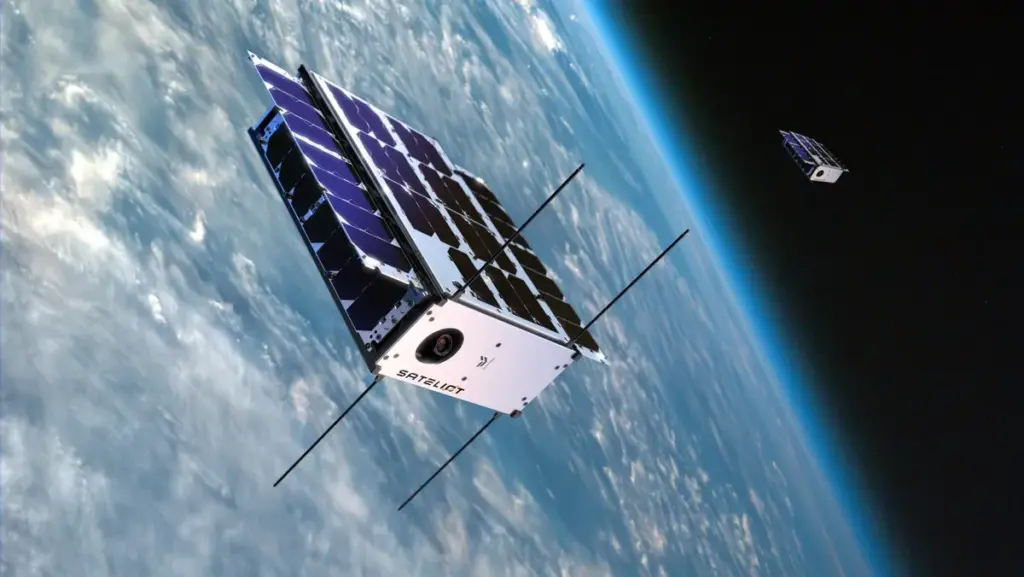
SpaceX satellites are poised to revolutionize the way we harness artificial intelligence (AI) through an audacious plan involving the launch of up to one million satellites into low Earth orbit. Spearheaded by Elon Musk, this initiative looks to create extensive orbital data centers that capitalize on the unmatched efficiency of solar-powered satellite networks. Currently, with nearly 10,000 Starlink satellites already providing high-speed internet globally, Musk’s vision aims to drastically enhance AI computing power to meet burgeoning demands. The ambitious project will leverage the capabilities of these low Earth orbit satellites to serve billions of users, making SpaceX’s satellite network a vital player in the future of AI technology. By establishing a robust framework of satellite infrastructure, SpaceX is not only redefining connectivity but is also setting the stage for humanity to progress towards a Kardashev II civilization—a concept depicting advanced alien life harnessing stellar energy.
In an era where space technology is advancing rapidly, low-orbit satellites from organizations like SpaceX are becoming central to enhancing global communication and processing capabilities. Known for his groundbreaking work in aerospace, Elon Musk leads initiatives that push the boundaries of our orbital infrastructure. The transition from traditional data centers to innovative satellite systems promises not only improved AI functionalities but also an environmentally conscious approach to data management. By utilizing a vast array of Starlink satellites, Musk aims to create an interconnected web of orbital hubs that can more sustainably meet the needs of future generations. This evolution in satellites signifies a monumental shift in how we perceive and utilize space in relation to our technological advancements.
The Vision Behind SpaceX Satellites
Elon Musk’s ambitious vision for SpaceX satellites centers around revolutionizing the use of artificial intelligence (AI) capabilities by deploying a fleet of one million low Earth orbit satellites. This proposal is not just about filling up space but about creating state-of-the-art orbital data centers that can handle unprecedented levels of data processing. Musk emphasizes that traditional terrestrial solutions are becoming inadequate in the face of growing AI demands, which necessitate more efficient, scalable, and dedicated infrastructures that can reside beyond our planet’s surface.
The SpaceX satellites are designed to support AI computing power, providing critical resources for advanced applications ranging from machine learning to data analytics. With nearly 10,000 satellites in the current Starlink network offering high-speed internet, the planned expansion is set to amplify that connectivity and computational ability on a global scale. Without a doubt, this system aims not only to elevate the capabilities of AI but also to make significant strides towards Musk’s vision of a Kardashev II civilization that can harness solar power effectively.
Starlink Satellites: A Foundation for Future Technologies
The existing Starlink satellites serve as a critical backbone for SpaceX’s expansion into orbital data centers that utilize advanced AI computing power. By leveraging a network of low Earth orbit satellites, SpaceX has already demonstrated the potential for global internet service, connecting rural and underserved areas to high-speed connectivity. This initial success has laid the groundwork for a more extensive set of satellites that would help process vast quantities of data generated as more people and devices connect online.
Musk has explicitly stated that the increased number of satellites will not only enhance internet accessibility but will also be instrumental in handling the data demands of burgeoning AI technologies. With AI now a fundamental part of various sectors, from healthcare to finance, the need for robust computing environments has never been clearer. SpaceX believes that their innovative approach to space-based data processing will redefine how we think about computing power and connectivity.
Understanding Orbital Data Centers and Their Benefits
Orbital data centers offer a compelling alternative to traditional data centers on Earth, providing several benefits that could align seamlessly with sustainable practices. SpaceX’s proposal emphasizes that these centers would operate with minimal energy requirements compared to their terrestrial counterparts, making them a more environmentally friendly option. The solar-powered satellites are designed to harness the sun’s energy efficiently, reducing both operational costs and environmental impact.
Moreover, these orbital data centers have the potential to mitigate the heat and space constraints faced by ground facilities, which often rely on substantial cooling resources that can burden local ecosystems. By relocating data processing to space, Musk’s vision could usher in a new era of computing that prioritizes eco-friendly practices while meeting the relentless demand for AI computing power.
The Promise and Risks of Increased Satellite Deployment
As SpaceX moves forward with its ambitious plan to launch one million satellites, the promise of connectivity and enhanced AI computing capabilities comes with accompanying risks. An expert warns that the soaring number of low Earth orbit satellites raises concerns about potential orbital collisions. The more satellites we have, the higher the probability of accidents, which can create space debris that poses a significant threat to future space missions and operations that are vital for technological advancement.
Additionally, the overwhelming presence of satellites in the skies has sparked debates about their effects on astronomical observations. For instance, astronomers have already voiced their worries that the radio emissions from the Starlink network are interfering with critical data collection. Balancing satellite deployment with the need to preserve the integrity of astronomical research represents a challenging dilemma as we navigate this new frontier in space exploration and technology.
The Future of AI and the Role of SpaceX
SpaceX’s plan to develop orbital data centers using its vast array of satellites stands at the intersection of two rapidly evolving fields: artificial intelligence and space exploration. By harnessing the power of AI computing in low Earth orbit, SpaceX has the potential to redefine how intelligence is processed and utilized across the globe, making it accessible to billions. The dream is to bridge existing technology with futuristic capabilities, setting a precedent for how data is managed and optimized.
Elon Musk’s vision goes beyond mere satellite launches; it encapsulates the idea that the future of AI lies in data centers that are not confined by Earth’s limitations. In doing so, SpaceX could stimulate innovation and provide the necessary groundwork for a new digital age where AI drives efficiencies and solutions that we have yet to imagine. The possibilities are profound, making SpaceX’s endeavors crucial as we advance into a future that depends heavily on connectivity and intelligence.
Environmental Considerations in Satellite Launching
As SpaceX plans to increase its satellite fleet dramatically, an essential aspect to consider is the environmental impact of such endeavors. The commitment to using solar-powered satellites aligns with the growing demand for sustainable technologies in an era where climate change pressures are mounting. By developing orbital data centers that minimize energy consumption and eliminate the need for conventional cooling systems, SpaceX positions itself as a leader in sustainable space initiatives.
However, the potential environmental benefits must be weighed against the cumulative effects of launching millions of satellites. The resources and energy involved in producing, launching, and maintaining such a fleet are significant. Critics raise valid concerns about the ecological footprint of space activities and the need for stringent regulations to ensure that space remains a viable frontier for future generations. The question remains: how can we balance innovation in space with environmental stewardship?
Navigating Regulatory Hurdles for Space Expansion
The ambitious plans of SpaceX to launch an unprecedented number of satellites into orbit will inevitably encounter regulatory challenges. Approval from bodies like the US Federal Communications Commission (FCC) is crucial, as they evaluate the implications of increased satellite presence on various stakeholders, including competitors and astronomers. As the FCC deliberates, it must consider not only the technological benefits but also the broader implications for space traffic management and international regulations.
Furthermore, the regulatory process involves public interest considerations, especially concerning issues like spectrum allocation and orbital debris mitigation. Achieving a balance between innovation and regulation is vital for SpaceX as it seeks to pioneer a new landscape where satellite technology significantly enhances AI computing power while ensuring that the skies remain safe and accessible for all users. This ongoing dialogue will shape the future of both space technology and regulatory frameworks.
Comparing SpaceX Satellite Initiatives to Global Efforts
SpaceX is not alone in its quest to revolutionize satellite technology and improve global connectivity; various other companies are also investing in satellite communications and orbital data centers. Comparing SpaceX’s initiatives to those of competitors highlights the race to harness AI’s potential through low Earth orbit satellites. Each company brings its unique approach to solving similar challenges, fostering an environment of innovation and progress.
However, the competitive landscape poses challenges, as SpaceX must differentiate itself while collaborating with other organizations focused on sustainable practices and technological advancements. This dynamic ecosystem will not only enhance the efficiency of orbital data centers but also ensure that environmental considerations are integrated into every aspect of satellite technology development.
The Global Impact of SpaceX’s Satellite Network
The implications of SpaceX’s satellite network extend far beyond mere connectivity and computing power; they encompass a global vision of accessibility and advancement. With plans to deploy one million satellites, SpaceX is setting out to serve billions of users worldwide, fostering digital inclusion in remote and underserved regions. This could transform economies and societies by providing tools and opportunities that were previously out of reach.
Moreover, SpaceX’s network has the potential to create a ripple effect on industries reliant on AI, from agriculture to healthcare, by delivering robust computing resources directly to users. As artificial intelligence becomes more integrated into our everyday activities, SpaceX’s contributions could play a crucial role in driving innovation and enhancing productivity across the globe.
Frequently Asked Questions
What are SpaceX satellites and how do they relate to Starlink?
SpaceX satellites primarily refer to the constellation of satellites launched by SpaceX, particularly the Starlink satellites. Starlink is designed to provide high-speed internet across the globe, and currently comprises nearly 10,000 low Earth orbit satellites. Future plans suggest launching up to one million additional satellites, which will enhance connectivity and enable AI computing power through orbital data centers.
How do SpaceX’s orbital data centers function with their satellites?
SpaceX’s orbital data centers leverage the vast network of Starlink satellites to process and store data closer to users, thereby reducing latency and increasing efficiency. By placing powerful computers in low Earth orbit, SpaceX aims to address the surging demand for AI computing power, providing a more cost-effective and energy-efficient solution compared to traditional data centers.
Why is Elon Musk planning to launch one million satellites into orbit?
Elon Musk’s plan to launch one million satellites stems from the need to enhance AI capabilities and meet the increasing demand for computing power. By deploying a large fleet of low Earth orbit satellites, SpaceX aims to create robust infrastructure that can efficiently support billions of users globally, in line with ambitious visions of advancing human technological capabilities.
What challenges do SpaceX satellites pose concerning space debris and orbital collisions?
The proliferation of SpaceX satellites, particularly with plans to expand Starlink to one million satellites, raises valid concerns about space debris and the risk of orbital collisions. As the number of satellites in low Earth orbit increases, experts fear that the likelihood of accidents could rise, potentially jeopardizing both satellite operations and other spacecraft.
How do Starlink satellites enhance artificial intelligence applications?
Starlink satellites enhance artificial intelligence applications by offering low-latency connectivity and improved data processing capabilities. With SpaceX’s vision of establishing orbital data centers, the computational needs for AI applications can be more effectively met, addressing the limitations of terrestrial data centers and enabling real-time data analysis for billions of users.
What altitude do SpaceX satellites, like Starlink, operate at?
SpaceX satellites, including those in the Starlink network, operate at altitudes ranging from 500 to 2,000 kilometers (310 to 1,242 miles) above Earth. Such low Earth orbit positioning is crucial for reducing latency and improving internet speeds for users across the globe.
Are SpaceX satellites environmentally friendly compared to traditional data centers?
Yes, SpaceX satellites are part of a proposed system that aims to be more environmentally friendly than traditional data centers. Musk’s vision for orbital data centers utilizes solar power and operates in space, reducing the environmental impact associated with conventional centers, which often consume vast energy and water resources for cooling.
What are the implications of SpaceX’s satellite launch plans for internet accessibility worldwide?
The implications of SpaceX’s satellite launch plans, particularly through the Starlink network, include significant improvements in internet accessibility for underserved and remote areas around the world. With a proposed expansion to one million satellites, SpaceX aims to bridge the digital divide and provide high-speed internet to billions of users globally, democratizing access to information and services.
How is SpaceX addressing concerns from astronomers about Starlink satellites?
SpaceX is aware of astronomers’ concerns regarding the impact of Starlink satellites on astronomical observations, particularly related to radio wave interference and brightness. While Musk has defended the satellite’s importance, the company is actively seeking ways to mitigate these concerns, balancing satellite operations with the needs of the scientific community.
What is the theoretical significance of SpaceX becoming a Kardashev II civilization?
Elon Musk’s aspiration for SpaceX to contribute to humanity becoming a Kardashev II civilization refers to our ability to harness the total energy output of the Sun through advanced technologies, including a vast network of SpaceX satellites. This vision emphasizes the potential of utilizing orbital data centers and AI to exponentially enhance human capabilities and sustainability on a planetary scale.
| Topic | Details |
|---|---|
| SpaceX Application | To launch one million satellites to support artificial intelligence (AI) capabilities. |
| Orbital Data Centers | Proposed as cost-effective, energy-efficient solutions for AI computing needs. |
| Current Starlink Network | Approximately 10,000 existing satellites providing high-speed internet. |
| Satellite Design | Future satellites to be solar-powered, positioned in low-Earth orbit (500 to 2,000 km). |
| Projected Impact | Aims to provide enough computational capacity for billions of users. |
| Environmental Considerations | Claimed to be more eco-friendly than conventional data centers. |
| Potential Risks | Increased risk of orbital collisions and disruption of astronomical research. |
| Musk’s Comments | Satellites will be sparsely distributed in vast space. |
Summary
SpaceX satellites are set to revolutionize our interaction with artificial intelligence through the proposed launch of one million new satellites. This ambitious project aims to create “orbital data centers” that will provide unparalleled computational power while being environmentally friendly. With Musk’s vision aligning technology with sustainability, the future holds exciting possibilities for expanding AI capabilities and enhancing global connectivity. However, the initiative also raises important questions about the growing number of satellites and their impact on space and astronomical studies.