Listen to this article
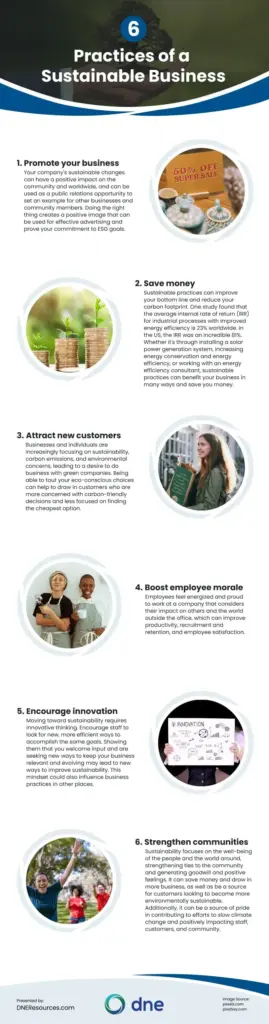
Sustainable business practices are rapidly gaining importance as organizations strive to balance profitability with environmental stewardship. In an era where eco-friendly business initiatives are becoming crucial, many companies are uncovering that adopting these practices not only aids in reducing their carbon footprint but can also lead to substantial financial benefits. Embracing sustainability and profitability is not just an ethical choice; it’s also a strategic move that resonates with today’s conscientious consumers. By implementing green business strategies and prioritizing energy efficiency in business operations, companies can attract a loyal customer base eager to support sustainable practices. This article explores how sustainable business practices can be seamlessly woven into your business model, ultimately driving both profit and positive environmental impact.
When we talk about responsible corporate behavior, we often refer to green business practices aimed at reducing ecological harm while maintaining economic success. These concepts, encompassing everything from eco-conscious product design to renewable energy implementation, highlight the intersection of ethical responsibility and financial viability. As businesses increasingly integrate sustainability into their core functions, they find that such initiatives not only enhance brand reputation but also align with rising consumer interests in green alternatives. In this context, the discussion around sustainable operations goes beyond mere compliance, evolving into a fundamental approach to achieving operational excellence and market competitiveness. Companies embracing these sustainable approaches are poised to gain a significant advantage in a market that values both environmental and social responsibility.
The Evolution of Eco-Friendly Business Practices
In recent years, we have seen a significant shift in the business landscape as companies realize the direct correlation between eco-friendly practices and profitability. Gone are the days when sustainability was merely a buzzword or an add-on; today, it has embedded itself into the core strategies of successful businesses. This evolution has been fueled by consumers demanding transparency and accountability from brands, pushing companies towards adopting more sustainable practices.
As businesses explore eco-friendly initiatives, they are not just meeting consumer expectations; they are also discovering operational efficiencies that arise from these practices. The transition towards eco-friendly business models allows for new opportunities in terms of innovation and market differentiation. Companies that adapt early to these trends not only gain a competitive edge but also contribute positively to environmental sustainability.
Sustainable Business Practices: More Than Just a Trend
When we talk about sustainable business practices, it’s crucial to recognize that these are not mere trends; they signify a shift towards long-term viability. Businesses focusing on sustainability aim to create efficient practices that not only fulfill their corporate obligations but also resonate with their values. By integrating eco-friendly business practices, they foster a culture where sustainability becomes a core aspect of operation, influencing everything from product design to supply chain management.
Moreover, sustainable practices can build brand loyalty, as consumers increasingly prefer companies that demonstrate a commitment to environmental stewardship. The loyalty generated from conscious consumers can translate into improved sales and customer retention, effectively enhancing profitability while contributing positively to the planet.
The Link Between Sustainability and Profitability
Sustainability and profitability are intricately linked, with numerous studies indicating that businesses embracing green practices tend to enjoy better financial performance. Implementing energy efficiency measures not only reduces waste but also significantly cuts down on operational costs, which can lead to higher profit margins. Companies investing in renewable energy, for instance, often experience a decrease in energy expenses, freeing up resources for innovation and growth.
Additionally, as consumers increasingly seek out brands that prioritize sustainability, companies that align their offerings with these values attract a more dedicated customer base. This demonstrates that prioritizing sustainability in business models does not only enhance the bottom line but also cultivates a positive business reputation and brand image.
Proven Green Business Strategies for Success
Adopting green business strategies can be a game changer for companies looking to enhance their sustainability while retaining profitability. Strategies such as conducting regular sustainability audits can identify areas of inefficiency and waste, paving the way for improvements. These audits not only highlight cost-saving opportunities but also facilitate transparency in operations, which is increasingly valued by consumers.
Moreover, implementing energy-efficient technologies and practices can drastically reduce overhead costs. For example, companies that upgrade their facilities with energy-efficient appliances report lower utility bills, which means more capital to reinvest in the business. By embracing these strategies, companies position themselves as leaders in sustainable practices, thus attracting eco-conscious consumers and clients.
Employee Engagement in Sustainability Initiatives
Engaging employees in sustainability initiatives is essential for fostering a culture of environmental responsibility within the workplace. Employees who are actively involved in these initiatives tend to exhibit higher levels of morale and job satisfaction. This, in turn, enhances productivity and retention rates, which directly contributes to a company’s profitability.
Creating programs that allow employees to contribute to sustainability efforts not only helps in achieving corporate goals but also empowers staff. Organizations can host workshops or brainstorming sessions to gather input on sustainability strategies, creating a sense of ownership and commitment among employees. This engagement transforms sustainability from a top-down directive into a collaborative effort that benefits both the organization and the planet.
Community Engagement and Sustainable Business
Community engagement is a powerful aspect of sustainable business practices that should not be overlooked. By actively involving themselves in local environmental initiatives, companies strengthen their ties to the community while promoting ethical business practices. This engagement can take many forms, from sponsoring local cleanup events to partnering with environmental organizations on sustainability projects.
Such involvement not only enhances a company’s image but also builds trust and loyalty among customers who prioritize community responsibility. By aligning their business practices with community needs and values, companies can foster goodwill, which can translate into increased sales as community members choose to support businesses that reflect their own commitment to sustainability.
The Future of Business in a Green Economy
As we look towards the future, the integration of sustainable business practices is poised to become a necessary component of successful business strategies. In a world increasingly aware of environmental concerns, companies that prioritize sustainability are not only safeguarding the planet but are also positioning themselves for increased market share and profitability. The shift towards a green economy will demand that businesses continuously innovate and adapt their operations for sustainability.
Furthermore, future consumers will likely make purchasing decisions based on a brand’s commitment to eco-friendly practices. As such, companies must begin to integrate sustainable principles into their core strategies now to prepare for the inevitable demand for sustainability in the marketplace. This proactive approach will ensure that businesses not only thrive today but also remain competitive in a rapidly changing economic landscape.
Frequently Asked Questions
What are sustainable business practices and why are they important for eco-friendly businesses?
Sustainable business practices refer to strategies that minimize a company’s environmental impact while generating profits. They are essential for eco-friendly businesses as they foster efficiencies, enhance brand reputation, and attract consumers who prioritize sustainability in their purchasing decisions.
How can energy efficiency in business contribute to sustainability and profitability?
Energy efficiency in business not only reduces operational costs but also supports sustainable practices. By investing in energy-efficient technologies, companies can lower their utility bills and extend the lifespan of their infrastructure, leading to increased profitability while maintaining a commitment to sustainability.
What are some effective green business strategies for improving sustainability?
Effective green business strategies include conducting sustainability audits, implementing energy efficiency initiatives, sourcing materials responsibly, engaging employees in sustainability practices, and obtaining green certifications. These approaches help reduce environmental impact while enhancing business profitability.
How does consumer demand for eco-friendly products impact sustainable business practices?
Consumer demand for eco-friendly products significantly influences sustainable business practices. As more consumers are willing to pay a premium for sustainable goods, businesses adopting such practices can attract a loyal customer base, thus increasing sales and enhancing profitability.
What role do tax incentives and grants play in promoting sustainability and profitability in business?
Tax incentives and grants for adopting sustainable practices provide financial relief for businesses, promoting investment in renewable energy and efficient technologies. This support can significantly enhance profit margins while encouraging businesses to commit to sustainable operations.
How can businesses effectively engage employees in sustainability initiatives?
To effectively engage employees in sustainability initiatives, businesses should foster a culture of sustainability through training sessions, encourage idea sharing, and involve employees in implementing eco-friendly practices. Employees who feel invested in sustainability efforts are often more productive and committed.
What are the benefits of obtaining green certifications for sustainable business practices?
Obtaining green certifications, such as LEED or ISO 14001, validates a company’s commitment to sustainability. These certifications enhance credibility and can attract environmentally conscious customers, ultimately leading to increased market competitiveness and profitability.
| Key Points | Details |
|---|---|
| Understanding Sustainable Business Practices | Strategies that reduce environmental impact while achieving financial success. |
| Customer Demand for Eco-Friendly Products | 66% of consumers are willing to pay more for sustainable brands, presenting a lucrative market opportunity. |
| Cost Savings through Efficiency | Energy-efficient practices reduce operational costs and maximize resource use. |
| Attracting and Retaining Talent | Companies that prioritize sustainability can improve employee morale and retention. |
| Tax Incentives and Grants | Governments provide financial incentives to businesses transitioning to sustainable practices. |
| Strategies for Implementation | Conduct audits, implement energy initiatives, focus on sustainable supply chains, engage employees, acquire certifications, and support community initiatives. |
Summary
Sustainable business practices are essential for modern companies aiming to thrive while being environmentally responsible. As businesses recognize the benefits that going green brings to profitability, they are more inclined to adopt eco-friendly strategies. Not only does this lead to increased customer loyalty and operational efficiencies, but it also attracts top talent and enhances brand reputation. Ultimately, embracing sustainable business practices presents a win-win for companies, society, and the planet.