
Listen to this article
UK-China relations have undergone significant transformation in recent weeks, particularly following Sir Keir Starmer’s recent visit to China, signaling a momentous shift in dialogue between these two economic powerhouses. Amidst global challenges, both nations are keen to revitalize their economic ties for mutual benefit, as evidenced by China’s commitment to facilitate investment from companies like AstraZeneca, which plans a substantial $15 billion infusion into its Chinese operations. The reduction of Scotch whisky tariffs and the introduction of visa-free travel for British citizens visiting China demonstrates a growing interest in fostering stronger trade partnerships. As the UK seeks new avenues for growth in the face of domestic economic pressures, establishing robust China-UK economic ties emerges as a pivotal strategy. This visit marks a renewed era in bilateral relations, emphasizing collaboration in diverse sectors including healthcare, finance, and clean energy.
The recent diplomatic engagement between the United Kingdom and China represents a strategic realignment in their longstanding relationship. With the backdrop of economic strain on both sides, the discussions initiated by Prime Minister Starmer highlight a collective ambition to encourage trade and cooperation. The emphasis on enhancing bilateral connections through reduced tariffs, such as those on Scotch whisky, and the facilitation of visa-free access for British tourists to China, underscores the eagerness to build a more favorable economic environment. This recalibration not only positions the UK as a vital partner for China but also opens doors for British enterprises to capitalise on one of the fastest-growing markets globally. As these nations navigate the complexities of international trade, their renewed commitment could pave the way for substantial investment opportunities and collaborative ventures.
Starmer’s Historic Visit: A New Chapter in UK-China Relations
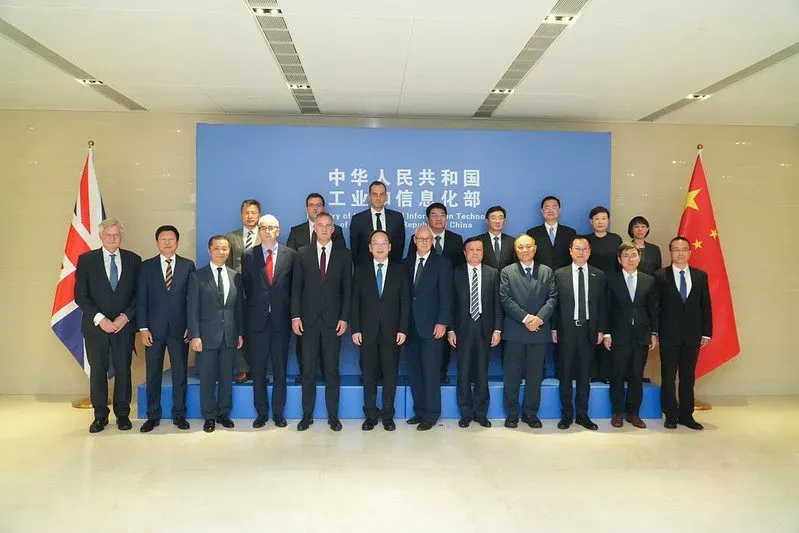
Sir Keir Starmer’s visit to China signals a pivotal moment in UK-China relations, marking the first trip of a UK Prime Minister to China since Theresa May’s in 2018. This visit held significant diplomatic weight as both nations look to thaw the diplomatic deadlock that has characterized their interactions for years. Starmer’s discussions with President Xi Jinping resulted in critical agreements addressing sectors such as healthcare, renewable energy, and finance, showcasing the potential for deeper economic ties. The emphasis on cooperation indicates a mutual recognition of the benefits of rekindling trade relationships amidst growing economic pressures in both nations.
The visit also served as a reminder of the importance of open dialogue and international engagement. By focusing on shared interests, particularly in climate change and healthcare advancements, the UK aims to position itself as a crucial ally for China amidst ongoing tensions with the United States. This renewed focus on collaboration could pave the way for more comprehensive agreements in the future, strengthening the foundations of UK-China relations across a wide spectrum of industries.
Economic Opportunities and AstraZeneca’s Bold Commitment
In a significant development, AstraZeneca announced a landmark investment of $15 billion (£11 billion) in China, which is expected to bolster its research and manufacturing capacities within the country. This investment marks the company’s largest commitment to China to date, underscoring the potential for economic advantages on both sides. With China’s growing market for pharmaceuticals, AstraZeneca’s plans to enhance its footprint could provide a robust platform for driving innovation and economic growth, benefiting not only the company but also improving healthcare access for patients.
The cooperative landscape extends further, with other UK companies exploring entry into China’s burgeoning markets. For instance, Octopus Energy’s partnership with PCG Power to develop a digital trading platform is indicative of the push towards leveraging technology in energy solutions. As clean energy becomes a focal point for both the UK and China, such investments can foster sustainable economic growth while allowing UK firms to utilize their expertise in innovative technologies to meet Chinese demands.
Trade Agreements: Tariffs and Visa Free Travel
An essential outcome of the visit was China’s agreement to halve tariffs on Scotch whisky, a notable development that could inject £250 million into the British economy over the next five years. This is a significant win for Scotland’s distilleries, which have become increasingly reliant on the Chinese market as one of their fastest-growing segments. By easing the financial burden on whisky exports, UK producers could enhance their competitive edge against other global brands and capture a more substantial share of the lucrative Chinese consumer market.
Moreover, the introduction of visa-free travel for British citizens visiting China for up to 30 days represents a substantial stride in fostering stronger ties between the two nations. This Diplomatic move aligns the UK with numerous other countries, facilitating increased tourism and business exchanges. As the volume of people-to-people contact intensifies, it not only promotes cultural understanding but also opens avenues for deeper business relationships, ultimately benefiting the UK economy and strengthening its position in the Chinese market.
Impact on Chinese Economic Interests and Exports
China’s renewed diplomatic engagement with the UK is not solely a gesture of goodwill; it has significant implications for its economic ambitions. By enhancing cooperation with the UK, a significant European economy, China aims to secure access to British markets for its high-value exports, including electric vehicles and renewable energy technologies. This strategic positioning allows China to balance its trade relationships amid ongoing tensions with the US, while simultaneously reinforcing its role as a dependable partner for Western economies.
Additionally, the agreements reached during Starmer’s visit are likely to provide pathways for increased Chinese investment in UK’s services and technology sectors. With both nations advocating for a shared economic vision that values partnership over competition, the potential for long-term mutual benefits could reshape the landscape of UK-China economic relations, enabling sustained collaboration in key areas such as green technology and finance.
Navigating Challenges in UK-China Business Relations
While there is optimism surrounding the potential impact of Starmer’s visit, challenges remain for UK businesses operating in China. Concerns regarding regulatory complexities, transparency, and bureaucratic red tape have been longstanding issues that can hinder foreign investment decisions. It’s essential for UK companies to approach the Chinese market with realistic expectations and seek expert guidance to navigate these challenges effectively, especially as they prepare to enter competitive sectors.
Furthermore, as Sir Keir Starmer’s Labour government emphasizes the importance of strengthening economic ties with China, it must also be aware of domestic scrutiny regarding this engagement. Striking a balance between fostering international partnerships while managing local concerns will be crucial in leveraging the opportunities presented by the Chinese market. With an eye on these dynamics, UK businesses can better equip themselves to adapt and thrive within the unique challenges China presents.
The Strategic Importance of UK-China Relations in Global Context
The strategic relevance of the UK-China relationship cannot be overstated, particularly in the wake of evolving global trade dynamics. As countries like Canada and France also seek to strengthen their ties with China, the UK’s proactive engagement signifies its intent to remain a competitive player in the global arena, especially under the current US administration’s contentious trade policies. By forging economic partnerships with China, the UK demonstrates its willingness to explore diverse avenues for growth and cooperation.
Starmer’s visit showcases how bilateral relations can create platforms for collaboration across various sectors, from renewable energy to financial services. This vision not only benefits both nations economically but also provides a counterbalance to the increasingly polarized geopolitical landscape. As the UK pivots towards constructive dialogue with China, it sets a precedent for other nations grappling with similar dilemmas, emphasizing the importance of diplomacy and trade in fostering global stability.
Future Prospects: Strengthening Trust Through Economic Engagement
The agreements reached during Starmer’s historic visit to China serve as a foundation for building trust between the two nations. By prioritizing dialogue and collaboration, both sides can work towards dispelling misunderstandings that have often defined their relationship. With commitments focused on trade, investment, and mutual legal recognition, the prospects for a strengthened economic partnership look promising, provided that both parties remain dedicated to these objectives.
In the coming years, both the UK and China will likely benefit from the constructive engagements initiated during this visit. If cultivated effectively, the opportunities in sectors like healthcare, renewable energy, and financial services can create a ripple effect that fosters broader economic growth and strengthens bilateral ties. As the world navigates a challenging global landscape, the effort to enhance UK-China relations may well stand as a model for constructive international engagement.
The Role of Green Technology in UK-China Partnerships
Green technology emerged as one of the central themes during Starmer’s discussions in China, reflecting both nations’ commitment to transitioning towards sustainable economies. The UK’s expertise in renewable energy and innovative technologies can provide viable solutions for China as it seeks to address its environmental challenges. Collaborative efforts in developing clean energy solutions can yield significant benefits for both parties, positioning them as leaders in the global green economy.
Moreover, investments in green technologies are aligned with China’s ambitious environmental goals and the UK’s commitment to reducing carbon emissions. Such synergies can foster the exchange of knowledge and innovations that drive progress in sustainability. By prioritizing green technology, the UK and China can set benchmarks for international collaboration that not only enhance their economic relations but also contribute positively to global environmental efforts.
Cultural Exchanges: Bridging UK-China Relations
Cultural exchanges play a crucial role in reinforcing the foundations of UK-China relations beyond mere economic interactions. Initiatives that promote tourism, education, and outreach between the two cultures can help to build mutual respect and understanding. With the introduction of visa-free travel, British citizens will have the opportunity to explore China, fostering a deeper appreciation for its rich history and contemporary advancements.
Such cultural initiatives enhance the narrative surrounding UK-China relations, highlighting the importance of people-to-people connectivity. As both nations invest not only in trade agreements but also in cultural diplomacy, the long-term prospects for collaboration become more robust. By cultivating relationships through cultural understanding, the UK and China can foster a climate of trust that underpins their economic ties.
Frequently Asked Questions
What impact will the Starmer visit have on UK China relations?
The Starmer visit is significant as it marks the first trip by a UK prime minister to China since 2018, aiming to reset UK China relations that have been strained. The meeting led to agreements on enhancing economic ties, including vital sectors like healthcare and green technology.
How does AstraZeneca’s investment affect China UK economic ties?
AstraZeneca’s commitment to invest $15 billion in China over the next four years strengthens China UK economic ties, signaling robust collaboration in pharmaceuticals and research, which can lead to increased trade opportunities for British firms in China.
What changes were made to tariffs on Scotch whisky during the UK China relations negotiations?
As a result of the talks, China agreed to halve tariffs on Scotch whisky, potentially increasing UK exports by £250 million over five years. This move reflects the UK’s strategy to bolster its economic relationship with China.
Will there be visa-free travel for British citizens to China after the Starmer visit?
Yes, the Starmer visit facilitated an agreement for visa-free travel for British citizens to China for up to 30 days, enhancing accessibility and contributing positively to China UK relations.
What economic opportunities arose from the UK China economic ties post-visit?
Key economic opportunities from the visit include AstraZeneca’s major investment, Octopus Energy entering the Chinese energy market, and enhanced access for British businesses in finance, healthcare, and clean technology, indicating a mutual benefit for both nations.
How does Starmer’s approach to UK China relations differ from previous administrations?
Starmer’s approach focuses on pragmatism, seeking economic growth through renewed diplomacy with China, rather than choosing sides amid US tensions. This reflects a shift towards fostering practical ties in trade and investment.
What are the challenges facing UK businesses in China despite improved UK China relations?
Despite improved relations, UK businesses face challenges in China, including regulatory complexities and transparency issues, which can complicate investment decisions. Companies must remain cautious and seek expert guidance to navigate these obstacles.
| Key Points | Details |
|---|---|
| UK and China Economic Reset | A call for a reset in economic relations following Starmer’s visit, with aims to end the diplomatic ‘ice age’. |
| Investment Agreements | AstraZeneca to invest $15 billion in China for research and manufacturing; Octopus Energy to enter the Chinese market. |
| Tariff Reduction on Scotch Whisky | China to halve tariffs on Scotch whisky, potentially benefiting the UK economy by £250 million over five years. |
| Visa-Free Travel | Introduction of visa-free travel for UK citizens for up to 30 days, aligning with several other countries. |
| Mutual Economic Benefits | Both sides aim to create better access for British firms to Chinese markets and secure Chinese investments in the UK. |
| Challenges Ahead | Concerns about conducting business in China remain due to regulatory red tape and lack of transparency. |
| Strategic Diplomatic Balancing | Starmer’s visit emphasizes enhancing relations with China while navigating US tensions, maintaining pragmatism. |
Summary
UK China relations are entering a new phase as demonstrated by Sir Keir Starmer’s visit, which aimed at resetting economic ties between the two nations. The agreements made—including investments, tariff reductions, and visa-free travel—highlight the importance of mutual cooperation. However, challenges remain in navigating complex regulations and ensuring transparent business practices. The renewed partnership seeks to address economic pressures at home while enhancing opportunities for trade and investment with China.

