Listen to this article
Carbon capture is emerging as a pivotal solution in the fight against climate change, transforming how we think about greenhouse gas reduction. Through innovative carbon storage technology, projects like Greensand Future in the North Sea aim to repurpose depleted oil fields for the long-term storage of carbon dioxide. Led by Ineos Energy, these CCS projects are poised to store significant amounts of CO2, with potential to tackle nearly 40% of Denmark’s emission reduction targets. The North Sea’s existing infrastructure and geological advantages provide an ideal setting for these endeavors, making it a hub for carbon capture innovations. As the world seeks effective methods to mitigate climate change, carbon capture stands out as a promising avenue for sustainable energy solutions.
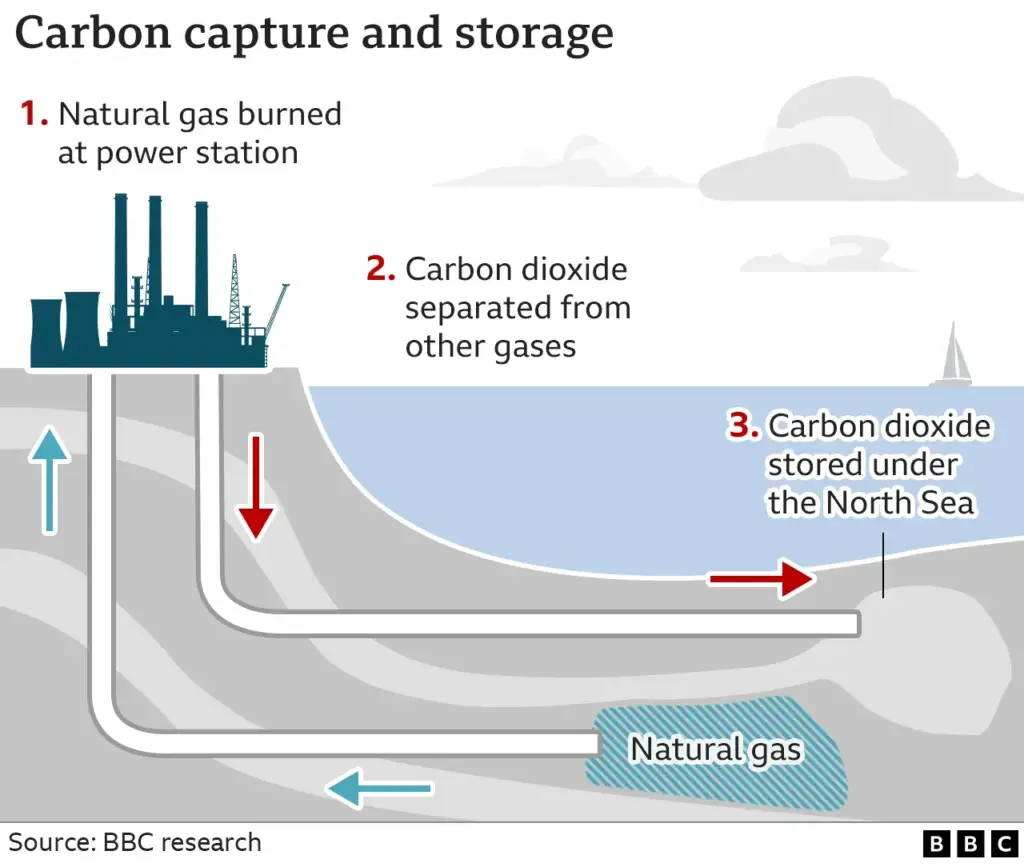
The concept of carbon dioxide sequestration, often referred to as carbon capture and storage (CCS), has garnered attention as a vital tool against environmental degradation. This methodology involves intercepting carbon emissions produced by industrial processes and securely storing them in geological formations, particularly in regions with a notable oil and gas heritage like the North Sea. With the continued evolution of carbon-neutral initiatives, projects spearheaded by entities such as Ineos Energy are exploring how these technologies contribute to reducing atmospheric pollutants. By leveraging existing natural reservoirs, we may unlock a paradigm shift in how we manage the planet’s CO2 output while ensuring energy sustainability. In this context, initiatives like the Greensand Future not only symbolize progress towards emission abatement but also highlight the synergy between past industrial practices and future environmental stewardship.
The Role of Carbon Capture in Greenhouse Gas Reduction
Carbon capture and storage (CCS) technology has rapidly gained attention as a pivotal solution in the global fight against climate change. By capturing carbon dioxide emissions before they enter the atmosphere, CCS presents a practical means to mitigate greenhouse gases. This technology, especially in industrial sectors where emissions are hard to eliminate, allows for continued production while addressing environmental concerns. The push for CCS projects, such as the Greensand Future initiative, demonstrates a groundbreaking approach to utilize existing oilfield infrastructures for storing captured CO2, presenting a dual benefit of reducing emissions and re-purposing old facilities.
The scale of impact that CCS can have on greenhouse gas reduction is significant. With projects like Greensand Future expected to store hundreds of thousands of tonnes of CO2 annually, it contributes markedly to regional and global emission reduction targets. The strategy is not merely a stopgap but part of a broader transition towards sustainable practices within industries. By implementing carbon capture, countries can continue economic activities while working towards a cleaner, greener future. This addresses the essential balance between development and environmental responsibility, a critical aspect of modern energy solutions.
Exploring North Sea Carbon Storage Projects
The North Sea has emerged as a key location for innovative carbon storage projects, thanks to its rich geological formations and established oil and gas infrastructure. The Greensand Future project represents a significant step in utilizing offshore capabilities for carbon storage, aiming to inject and permanently store CO2 in depleted oil fields. With capabilities for large-scale CO2 sequestration, the North Sea offers an unprecedented opportunity for Europe to lead in CCS technologies. As these projects unfold, they’re expected to establish the region as a significant hub for carbon storage innovation, thereby facilitating a sustainable energy future.
In addition to Greensand Future, several other CCS projects are underway in the North Sea, including Norway’s pioneering Northern Lights initiative. These ventures benefit from years of oil and gas exploration, providing a wealth of geological data that supports effective CO2 storage strategies. The existing offshore platforms not only reduce initial setup costs for new CCS technology but also allow for a more seamless transition from fossil fuel dependence to carbon-neutral operations. As more projects are implemented, the potential for the North Sea to become a global leader in carbon storage technology becomes increasingly evident.
Technological Advancements in CCS: Innovations and Challenges
Advancements in carbon capture and storage technology continue to evolve, addressing both the advancements needed and the inherent challenges faced by industries. Innovative methods for capturing CO2, such as direct air capture and improvements in geological monitoring techniques, are being deployed to enhance the efficiency and reliability of CCS projects. However, challenges remain, notably surrounding the economic viability of large-scale implementations and public support for new technologies. The success of CCS projects hinges on not only technological advancements but also on overcoming skepticism regarding their effectiveness in combating climate change.
Moreover, the integration of CCS with renewable energy sources presents new avenues for reducing costs and increasing efficiency. As companies like Ineos Energy invest in developing comprehensive strategies that combine carbon storage with green energies, the potential for positive environmental impact rises. Despite criticisms regarding the high costs and the fear that CCS may become a crutch for reducing emissions rather than a comprehensive solution, continued innovation will play a crucial role in reshaping public perception and achieving successful implementation.
The Future of Ineos Energy within CCS Initiatives
Ineos Energy is at the forefront of pushing the boundaries of carbon capture and storage technology with its involvement in projects like Greensand Future. The company aims to significantly boost Denmark’s greenhouse gas reduction target through the innovative reuse of existing oil infrastructure. By transitioning from a traditional fossil fuel model to a proactive carbon storage approach, Ineos Energy is positioning itself as a leader in the evolving landscape of energy solutions. The ambitious plans to scale operations and increase CO2 storage capacity underscore their commitment to sustainable practices and long-term environmental stewardship.
This transition not only highlights Ineos Energy’s operational shifts but also reflects a broader industry trend towards adopting greener technologies. By leading CCS initiatives, Ineos Energy sets a precedent for other companies, encouraging them to invest in carbon capture technology as a viable solution for emissions reduction. Moreover, this strategic move aligns with global climate goals and positions Ineos to attract future investments focused on sustainability, enhancing both brand reputation and operational viability in a rapidly changing energy sector.
Public Perception and Debate around Carbon Storage Solutions
As with any emerging technology, public perception plays a critical role in the acceptance and success of carbon capture and storage initiatives. While proponents argue that CCS is an essential tool for mitigating climate change, critics caution against over-reliance on technological solutions at the expense of fully embracing renewable energy sources. The debate often centers around the efficacy of CCS compared to investing directly in cleaner technologies that could yield more immediate results. For instance, environmental advocates emphasize the importance of prioritizing investments in solar and wind energy over carbon storage, arguing that the latter could perpetuate harmful emissions.
Perceptions of CCS are influenced by concerns regarding its long-term implications, such as the potential for future generations to be responsible for stored CO2. Critics like Helene Hagel express a need for a balanced approach that incorporates both immediate emission reduction while preparing for a sustainable future. Engaging with public stakeholders to ensure transparency and build trust is essential for the continued development of CCS projects. This dialogue will help shape policies and support frameworks that align with community environmental concerns while promoting effective greenhouse gas reduction strategies.
Geological Advantages of the North Sea for CO2 Storage
The geological characteristics of the North Sea make it an ideal candidate for carbon storage solutions. The presence of numerous depleted oil and gas fields offers established areas that can be repurposed for storing captured CO2. With a history of successful hydrocarbon extraction, the region possesses a detailed understanding of subsurface geology, facilitating the identification of suitable sites for carbon sequestration. This knowledge reduces the risks associated with storage and enhances the potential for long-term success in CO2 management.
Moreover, the North Sea’s geology includes vast layers of clay, which can effectively function as cap rocks, preventing the escape of CO2 once injected. This natural sealing mechanism is crucial for ensuring the stability and safety of carbon storage sites. By leveraging these advantages, CCS projects in the North Sea can be implemented with greater confidence, making it an attractive location for future investments in carbon storage technology. As more initiatives come to fruition, the North Sea may solidify its status as a leading global player in the fight against climate change.
The Economic Impact of CCS Projects
Investing in carbon capture and storage technology not only addresses environmental concerns but also has significant economic implications. The establishment of CCS projects such as those in the North Sea can create numerous job opportunities in construction, operation, and maintenance sectors. As industries shift towards greener technologies, local economies can benefit from the revival of energy infrastructure, providing a pathway for communities to transition from fossil fuel reliance to sustainable practices. This potential economic boost is a compelling argument for the continuation and expansion of CCS initiatives.
The financial viability of CCS remains a critical consideration, as capital investments in technology development and infrastructure are necessary. However, the long-term benefits, such as job creation and meeting climate goals, can outweigh initial costs. Additionally, government support through subsidies and incentives can help de-risk investments in CCS, encouraging private sector participation. As the world increasingly shifts towards sustainability, establishing robust economic frameworks for CCS technology may prove essential in driving progress and ensuring a cleaner future.
A Look at Global CCS Initiatives and Their Impact
Globally, the momentum behind carbon capture and storage initiatives continues to grow, with numerous projects underway or in development. In Europe, the North Sea is emerging as a leading area for CCS activities, with projects in countries like Norway, the Netherlands, and Denmark paving the way for successful carbon management. These initiatives not only play a crucial role in meeting international climate commitments but also demonstrate the collaborative efforts of nations to combat climate change. As global awareness of CO2 emissions increases, efforts in CCS may set legal and operational standards for future initiatives.
As countries experiment with various technologies and approaches to carbon capture, the potential for shared knowledge and best practices emerges. By evaluating the success and failures of CCS projects globally, stakeholders can refine methodologies and enhance effectiveness in reducing greenhouse gases. This collective experience can foster innovation and support the establishment of more ambitious climate action plans, with carbon storage solutions integrated as essential elements. The dialogue created through these initiatives will be key in shaping a sustainable path forward in combating climate change.
Communities Embracing Carbon Capture Technologies
The transition toward carbon capture and storage technologies can significantly impact local communities, particularly in regions previously dependent on fossil fuel industries. As infrastructure shifts from oil and gas to carbon storage, communities can reinvent themselves around cleaner energy solutions. For instance, in Esbjerg, the changing focus from traditional energy production to CCS represents an opportunity for economic revival and job creation in emerging sectors. This transition allows communities to engage in the global effort towards sustainable practices while fostering local development.
However, successful absorption of these technologies requires commitment from both industry leaders and local populations. Ensuring that communities are included in discussions about CCS projects, like the Greensand Future initiative, can help mitigate concerns and foster a sense of ownership in the transition. By demonstrating the benefits and implementing strategies to support local economies, CCS initiatives can ensure a sustainably minded evolution that enhances community resilience against future environmental challenges. As more communities embrace these technologies, the model for sustainable energy solutions can become a template for others worldwide.
Frequently Asked Questions
What is carbon capture and how does it contribute to greenhouse gas reduction?
Carbon capture is a technology that captures carbon dioxide emissions from sources like power plants and industrial processes, preventing CO2 from entering the atmosphere. By storing this CO2 underground, particularly in geological formations like those found in North Sea carbon storage projects, it plays a crucial role in greenhouse gas reduction, helping to mitigate climate change.
How do carbon storage technologies work in CCS projects?
Carbon storage technology in CCS projects involves capturing CO2 emissions and transporting them to sites where they are injected deep underground into stable geological formations. This process prevents the release of CO2 into the atmosphere, ensuring long-term storage and contributing to climate goals, particularly in regions like the North Sea, where infrastructure is already in place.
What are the benefits of North Sea carbon storage projects like Greensand Future?
North Sea carbon storage projects, such as Greensand Future, offer multiple benefits, including the potential to store large volumes of CO2, the existing infrastructure that can be repurposed, and the ability to significantly reduce regional greenhouse gas emissions. These projects aim to contribute to ambitious climate targets by potentially storing millions of tonnes of CO2 annually.
Who is leading the Greensand Future carbon storage project in the North Sea?
The Greensand Future carbon storage project is led by Ineos Energy, a part of a larger consortium. This project represents a significant step towards establishing large-scale offshore CO2 storage capabilities in the North Sea, aiming to store approximately 400,000 tonnes of CO2 in its first year, with plans to increase this capacity substantially by 2030.
What challenges do critics raise regarding carbon capture and storage (CCS)?
Critics of carbon capture and storage (CCS) argue that it may reduce the urgency to cut carbon emissions at the source. They point out that CCS technology can be expensive and that renewable energy solutions, like wind and solar power, might provide more cost-effective and immediate pathways for greenhouse gas reduction, thus questioning the long-term viability and ethics of relying on CCS.
How is the geology of the North Sea suitable for carbon storage?
The North Sea’s geology is particularly well-suited for carbon storage due to its extensive knowledge gained from years of oil and gas extraction. The area features geological formations with adequate pore space to hold CO2 and a thick layer of clay or cap rock that seals the CO2 underground, ensuring it remains trapped for long periods, making it an attractive location for CCS projects.
What factors drive the development of CCS projects in the North Sea?
Developments in CCS projects in the North Sea are driven by factors such as established oil and gas infrastructure, a clear geological understanding of potential storage sites, market demand for carbon reduction technologies, and supportive regulatory frameworks aimed at achieving national and international climate goals.
How will the transition to carbon capture affect workers in the North Sea oil and gas industry?
The transition to carbon capture through projects such as those in the North Sea presents new opportunities for workers in the oil and gas industry. Skills from oil and gas maintenance can be adapted to the new task of maintaining high-pressure pumps and CO2 injection systems, paving the way for a greener workforce while continuing to utilize existing expertise.
| Key Points | Details |
|---|---|
| Project Name | Greensand Future, North Sea Carbon Storage Project |
| Location | 250 km from Denmark’s West Coast, North Sea |
| Technology Used | Carbon Capture and Storage (CCS) |
| Purpose | To inject CO2 into the old oil field, effectively storing climate-warming gases |
| Annual CO2 Storage Capacity | Up to 8 million tonnes by 2030 |
| Environmental Impact | Expected to contribute significantly to Denmark’s emission reduction goal |
| Criticism | Concerns about CCS discouraging emissions reduction efforts and high costs |
| Alternative Views | Some argue CCS is best used for hard-to-abate emissions only |
| Global Context | Hundreds of CCS projects are underway worldwide, notably in Europe. |
Summary
Carbon capture is at the forefront of innovative strategies to combat climate change through projects like Greensand Future in the North Sea. This initiative aims to store substantial amounts of CO2, promoting the idea that established oil fields can be repurposed for environmental benefit. Despite its potential, there are significant debates surrounding the efficacy and economic viability of carbon capture technologies, revealing a complex landscape where technological advancements must align with sustainable practices. As countries like Denmark lean into these solutions, the ongoing conversation about carbon capture reflects broader tensions in the quest for a sustainable future.