
Listen to this article
The recent Prince Andrew testimony has drawn significant public interest as Prime Minister Sir Keir Starmer advocates for Andrew Mountbatten-Windsor to address his connection with Jeffrey Epstein before Congress. Starmer emphasized the importance of transparency, stating that anyone with relevant information should come forward, particularly considering the victims of Epstein. This call for accountability coincides with new revelations in the Epstein investigation, which have intensified scrutiny on Andrew amid ongoing debates surrounding the royal family Epstein scandal. Notably, images recently released portray Andrew in compromising positions, raising further questions about his past associations. The political climate is heating up as discussions surrounding the Prince Andrew response unfold, with leaders like Starmer expressing that the royal needs to engage with the inquiries fully.
In the realm of high-profile legal inquiries, the spotlight is currently focused on Andrew Mountbatten-Windsor’s potential appearance before Congress regarding his interactions with convicted sex offender Jeffrey Epstein. As new evidence comes to light in the ongoing Epstein investigation, the pressure mounts for the Duke of York to clarify his past. Sir Keir Starmer’s comments reflect a growing expectation for those entwined in this situation, particularly the royal family members, to provide complete transparency about their ties to Epstein. The increasing public discourse on this royal family Epstein scandal hints at a shift in accountability, especially as voices in Parliament seek to confront the facts head-on. Given these developments, the implications of the Prince Andrew testimony could significantly influence perceptions of the monarchy.
The Importance of Prince Andrew’s Testimony in the Epstein Investigation
The suggestion by Prime Minister Sir Keir Starmer for Andrew Mountbatten-Windsor, more commonly known as Prince Andrew, to testify before the US Congress underscores the gravity of the Epstein investigation. By asking Prince Andrew to share his knowledge related to Jeffrey Epstein, the Prime Minister emphasizes the need for accountability and transparency. In the context of Epstein’s extensive connections with powerful individuals, Andrew’s testimony could offer crucial insights into the inner workings and relationships that potentially facilitated Epstein’s criminal activities.
Moreover, the pressure for Prince Andrew to cooperate is mounting as more evidence emerges, including controversial images that strongly implicate him within Epstein’s circle. The royal family Epstein scandal has drawn attention from media outlets and public interest alike, compelling higher scrutiny of Prince Andrew’s past actions. With Keir Starmer insisting that “victims must come first,” the implications of Andrew’s testimony could reverberate far beyond his personal circumstances, potentially aiding other victims seeking justice.
Details Surrounding Prince Andrew’s Alleged Involvement
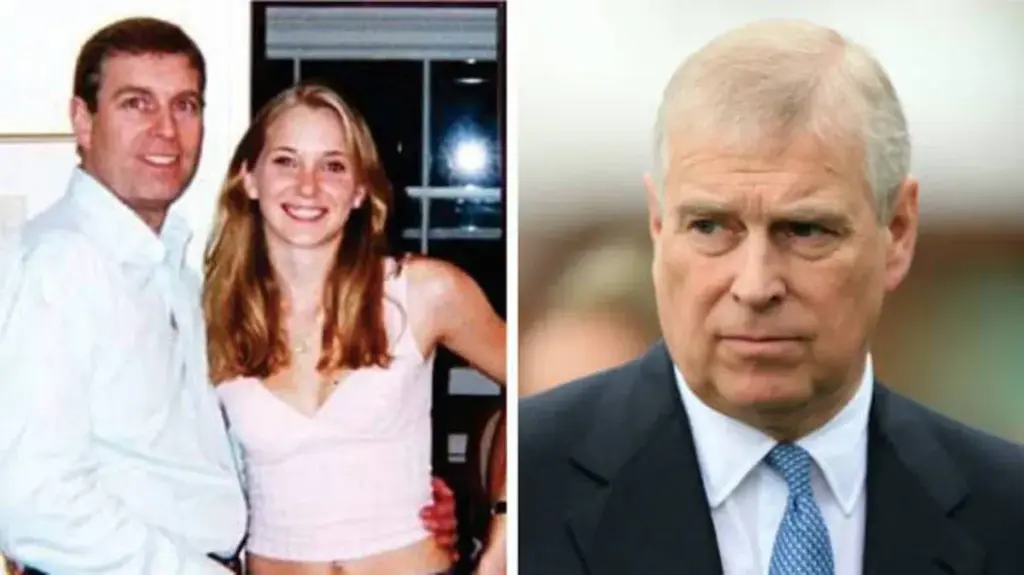
Recent reports and released documents shed light on the controversial relationship between Prince Andrew and Jeffrey Epstein. The images of Andrew kneeling next to a woman, emerging from files related to Epstein, have sparked renewed scrutiny over his actions. The visuals reportedly taken at Epstein’s Manhattan mansion raise serious questions about the nature of their relationship, thus adding to the complexity of the royal family’s ongoing scandal. Coupled with testimonies and public sentiment, these visual pieces may prove pivotal in shaping the narrative surrounding Prince Andrew’s involvement.
Additionally, emails disclosed in the latest release of documents further complicate the narrative around Prince Andrew, highlighting interactions that suggest a more personal relationship with Epstein. For instance, Andrew’s willingness to connect with a young woman that Epstein purportedly introduced hints at deeper entanglements that require thorough investigation. The more the Epstein investigation reveals about the extent of Prince Andrew’s connections and activities, the greater the urgency for him to respond to inquiries and take accountability.
Keir Starmer’s Stand on Victim Advocacy
Prime Minister Sir Keir Starmer’s comments regarding Prince Andrew’s expected cooperation with Congress not only reflect his stance on the Epstein investigation but also underline a broader commitment to victim advocacy. Starmer’s assertion that those with vital information should share it underscores a critical aspect of justice—prioritizing the voices and needs of victims. By putting pressure on Prince Andrew to testify, Starmer seeks to ensure that the investigation remains focused on delivering justice for Epstein’s many victims.
This approach aligns with Starmer’s broader political messaging as the Labour leader, emphasizing a just society where the powerful are held accountable. His commitment to ensuring that ‘victim-centered’ strategies guide their response to the Epstein case positions his party as defenders of justice, potentially resonating with the electorate’s demand for reform and accountability among the elite.
The Royal Family’s Response to the Escalating Scandal
Amidst the mounting evidence and pressure for Prince Andrew to testify regarding his connections to Jeffrey Epstein, the royal family’s response has remained cautious yet pointed. Following the release of incriminating images and exchanges, the family has chosen a strategy of silence, which speaks volumes in itself. This approach has raised eyebrows as public sentiment shifts increasingly in favor of transparency and accountability. The royal family’s enduring legacy is now overshadowed by scandals, prompting speculation about how they will navigate the fallout from the Epstein investigation.
As scrutiny intensifies regarding Prince Andrew’s actions, there are calls for a more robust response from the royal family. Would they stand behind Andrew, reaffirming their loyalty, or would they distance themselves to protect the monarchy’s reputation? This dilemma reveals larger questions about the royal family’s power dynamics and their ability to adapt in the face of crisis, as the Epstein investigation continues to threaten their image.
Understanding the Documentation of Epstein’s Criminal Network
The recent release of extensive documents related to Jeffrey Epstein’s criminal activities is pivotal in understanding the breadth of his network. From personal emails to financial transactions, these documents offer a glimpse into the intricate web of relationships that facilitated Epstein’s misconduct. The sheer volume of evidence, including images and communications involving high-profile individuals, including Prince Andrew, poses significant challenges for investigators seeking to establish responsibilities and connections.
Additionally, redactions within these documents leave many questions unanswered, complicating the pursuit of justice for Epstein’s victims. With some documents remaining heavily censored, transparency remains a critical issue in the ongoing investigation. Ensuring that the full scope of Epstein’s associations is reviewed is vital not only for accountability but also for preventing similar abuses from happening within elite circles moving forward.
The Fallout of Epstein’s Actions on Public Figures
The ramifications of Epstein’s actions reach far beyond his individual cases of exploitation; they stain the reputations of numerous public figures who were associated with him, including Prince Andrew. As connections have surfaced, the integrity of these individuals is continuously brought into question. The legal and social consequences for those involved range from reputational damage to significant legal inquiries, as seen with Prince Andrew’s potential testimony before Congress.
The growing public scrutiny regarding Epstein’s relationships with various high-profile figures illustrates the deep-seated issues of power and privilege that often shield individuals from accountability. This fallout emphasizes the urgent need for reform in how such cases are managed and the necessity of holding accountable those who may have contributed to a culture of silence around abuse.
Implications of Prince Andrew’s Future Testimony
The potential for Prince Andrew to testify in the Epstein investigation carries significant implications for his future and the royal family as a whole. Should he choose to cooperate, his testimony could potentially clear his name or implicate him further, thus impacting how he is perceived both publicly and privately. The intricacies of his statements will be scrutinized closely, not only by the media but also by the victim advocacy groups who are clamoring for accountability.
Conversely, if Prince Andrew opts to remain silent or to contest his involvement, it could lead to further negative consequences, both legally and in terms of public perception. The royal family’s long-standing tradition of maintaining a distance from scandal may be insufficient in the wake of the Epstein investigation, signaling a shift in how public expectations are evolving regarding accountability and transparency among the elite.
The Role of the Judiciary in the Epstein Case
The involvement of the judiciary in the Epstein case represents a critical intersection of law and ethics. As charges against Epstein surfaced, the court system faced intense scrutiny for its handling of these implications. High-profile figures, including Prince Andrew, have been drawn into this legal maelstrom, raising questions about judicial integrity when powerful individuals are involved. The public is eager to see whether the judiciary will take a firm stand in pursuing justice for Epstein’s victims, or bow to external pressures.
Furthermore, the calls from Democratic members of the US House Judiciary Committee for the Department of Justice to expedite the release of case files exhibit a strong desire for accountability and transparency in handling such sensitive matters. The urgency underscores the need for a judicial process that not only prioritizes victim advocacy but also remains unattached to the influence of power and privilege.
Reflections on the Royal Family’s Historical Ties to Power
The royal family’s longstanding ties to power and privilege bring a complex layer to the Epstein investigation. The monarchy’s historical position often allows individuals like Prince Andrew to operate under a veil of protection and respectability, creating an expectation of accountability amidst a scandal. However, as the scandal unfolds, the discord between public perception and historical practices is evident, leading many to question the relevance of these age-old traditions in modern society.
As the royal family navigates the repercussions of the Epstein affair, they confront shifting societal expectations around justice and transparency. There is a growing call for royal family members, such as Prince Andrew, to abandon the traditional notion of placing family interests above those of the public and to embrace a greater accountability that aligns with contemporary values around justice and victim support.
Frequently Asked Questions
What did Prince Andrew testify about his connections to Jeffrey Epstein?
Prince Andrew, also known as Andrew Mountbatten-Windsor, has repeatedly denied any wrongdoing concerning his connections to convicted sex offender Jeffrey Epstein. Despite mounting scrutiny and calls for him to testify, particularly regarding the Epstein investigation, Andrew maintains that he did not ‘see, witness or suspect’ any illegal activities involving Epstein.
How has Keir Starmer addressed the issue of Prince Andrew testifying?
Prime Minister Sir Keir Starmer has publicly suggested that Prince Andrew should provide testimony before the US Congress about his dealings with Jeffrey Epstein. He emphasized the importance of sharing information for the sake of Epstein’s victims, stating that anyone with relevant information should be prepared to testify.
What recent developments have surfaced regarding Prince Andrew and the Epstein scandal?
Recent releases of documents, including photographs purportedly showing Prince Andrew kneeling over a woman in Jeffrey Epstein’s New York City mansion, have intensified scrutiny of his relationship with Epstein. Coupled with recent comments from Keir Starmer, these developments renew pressure on Andrew to address his past connections and possibly testify regarding the Epstein investigation.
What are the implications of Prince Andrew’s testimony on the royal family regarding the Epstein scandal?
Prince Andrew’s potential testimony before Congress related to the Epstein investigation has significant implications for the royal family, particularly given the ongoing scrutiny and backlash surrounding Andrew’s past affiliations with Epstein. The royal family faces reputational risks as they navigate the public’s perception of Andrew’s actions and the broader implications of the Epstein scandal.
Will Prince Andrew respond to the calls for him to testify about his relationship with Epstein?
So far, Prince Andrew has not formally responded to the calls for him to testify regarding his connections to Jeffrey Epstein. However, he has consistently denied any wrongdoing associated with Epstein and his dealings, asserting that he did not witness any illegal behavior. Whether he will eventually choose to testify remains uncertain.
| Key Point | Details |
|---|---|
| Keir Starmer’s Statement | Sir Keir Starmer suggested Prince Andrew should testify before the US Congress regarding his relationship with Jeffrey Epstein. |
| Involvement with Epstein | Andrew has been scrutinized for years due to his friendship with Epstein. Recently disclosed files include troubling photographs of him. |
| Epstein’s Dinner Invitation | Emails reveal Epstein invited Andrew to dinner with a 26-year-old woman in London, raising questions about their relationship. |
| Ferguson’s Connection | Sarah Ferguson, Andrew’s ex-wife, had financial ties with Epstein, asking for financial assistance and sharing business ideas. |
| Impact of New Documents | The new release of over 180,000 images and videos has intensified scrutiny on Andrew and others linked to Epstein. |
Summary
The Prince Andrew testimony is becoming increasingly significant as new evidence continues to surface regarding his ties to Jeffrey Epstein. Recent developments highlight Prime Minister Sir Keir Starmer’s suggestion for Andrew to testify before Congress, focusing on the claims surrounding Epstein’s victims and the importance of accountability. With mounting pressure following the release of incriminating documents and photographs, Andrew’s response remains critical as scrutiny over his past actions intensifies.

