
Listen to this article
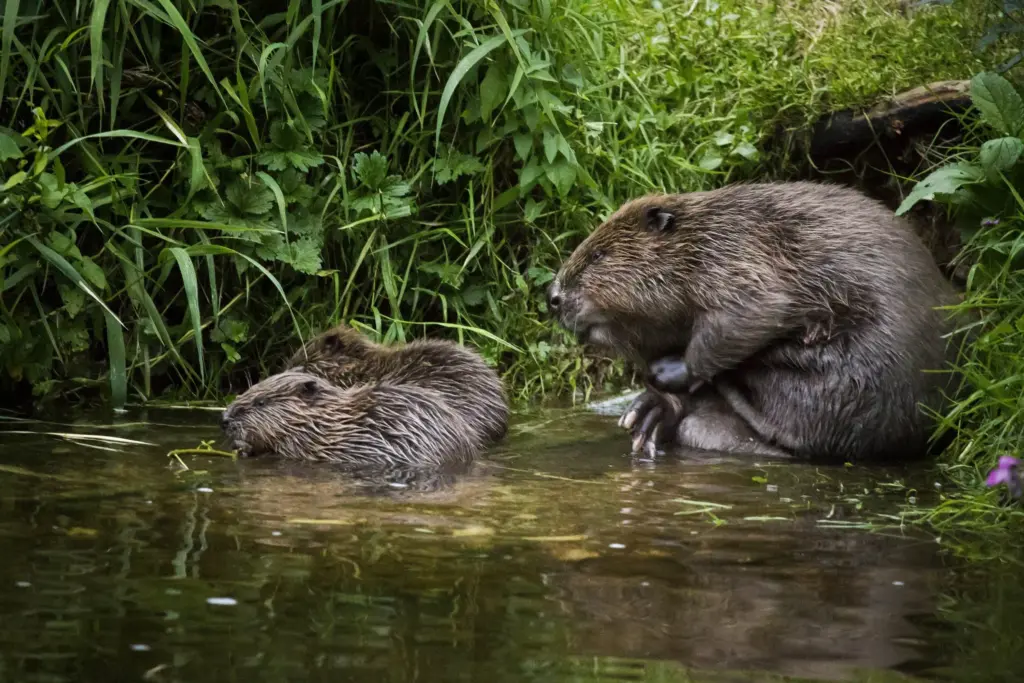
The introduction of Eurasian beavers to South Norwood Country Park is a significant step in rewilding projects in London, particularly within Croydon. Croydon Council has confirmed that despite the ongoing sewage pollution issues affecting the area, plans to bring these remarkable creatures to the park will proceed. Designed to enhance local ecosystems, the beavers will play a crucial role in natural water management, potentially offering sewage pollution solutions by improving water quality in the region. The initiative, in partnership with organizations like Citizen Zoo, demonstrates a commitment to environmental resilience in Croydon Council’s environmental plans. As urban rewilding gains momentum, the successful integration of Eurasian beavers could transform South Norwood into a model for biodiversity restoration and community engagement.
Introducing Eurasian beavers into South Norwood Country Park marks an exciting evolution in ecological restoration efforts. This project aims to reintegrate native wildlife into urban landscapes, demonstrating a growing trend towards urban biodiversity and sustainability. By addressing the long-standing sewage issues through innovative approaches, such as utilizing the beavers’ natural behaviors for habitat enhancement, the Croydon initiative can serve as a leading example of modern conservation efforts. Urban rewilding, especially in densely populated areas like London, promotes environmental education and fosters a deeper connection between residents and their natural surroundings. Overall, this endeavor underscores the importance of strategic planning and collaborative efforts in revitalizing green spaces while overcoming environmental challenges.
Introduction of Eurasian Beavers in Croydon
The introduction of Eurasian beavers in South Norwood Country Park marks a significant step towards ecological restoration in Croydon. These industrious creatures are not only known for their dam-building skills but also play a vital role in enhancing biodiversity. The Croydon Council has highlighted their commitment to rewilding projects in London, aiming to create healthier ecosystems that can support a variety of species. With proper management and community involvement, the integration of Eurasian beavers can transform the landscape of South Norwood, making it a haven for wildlife while simultaneously improving water quality.
Eurasian beavers serve as natural environmental engineers, and their strategic introduction is expected to bring multifaceted benefits. They can help mitigate flooding by creating wetlands, which can act as natural filters for pollutants, including sewage. This aligns with efforts by the Croydon Council to tackle the current sewage pollution issues affecting local waterways. As beavers modify their environment through dam building, they could provide essential habitats for other wildlife and contribute to the revitalization of South Norwood’s ecology.
Impact of Sewage Pollution in South Norwood Country Park
Sewage pollution remains a pressing challenge for South Norwood Country Park, as highlighted by the discovery of misconnections that allow untreated waste to flow into the local waterways. Recent surveys have uncovered significant environmental implications, affecting both the Chaffinch Brook and the habitats supported by it. Local authorities are aware of these issues and are making concerted efforts to rectify them. Croydon Council emphasizes the urgency of resolving sewage misconnection problems to protect the local ecosystem, especially before introducing new species like the Eurasian beavers.
Untreated sewage not only threatens aquatic life but also undermines the success of ambitious rewilding projects in London. The health of the water systems is vital for any rewilding initiative to succeed; hence, addressing sewage contamination is paramount. Collaborations between Croydon Council, Thames Water, and housing associations are crucial for implementing sewage pollution solutions to safeguard the future of South Norwood Country Park and provide a sustainable environment for both wildlife and residents.
Rewilding Projects in London: A Path to Sustainability
Rewilding projects across London are gaining traction as urban areas seek to restore natural habitats and promote biodiversity. The initiative to introduce Eurasian beavers in South Norwood is a clear example of how councils are rethinking urban wildlife management. These projects involve not just ecological restoration but also community engagement, allowing citizens to participate in fostering a healthy environment. With organizations such as Citizen Zoo leading the charge, public interest in rewilding is surging, creating a movement that encourages sustainable practices and a deeper connection to nature.
The success of rewilding projects hinges on proper environmental planning and addressing existing issues such as sewage pollution. As Croydon Council collaborates with various stakeholders to ensure safety and sustainability, these efforts reflect a broader commitment to ecological balance. Involving the community can create a sense of stewardship that is essential for the longevity of these initiatives. By integrating rewilding efforts with local development plans, London can create thriving ecosystems that benefit both wildlife and urban residents alike.
Croydon Council’s Environmental Plans
Croydon Council’s recent environmental plans reflect a proactive approach to addressing ecological issues within the borough. One of the cornerstones of their strategy includes the introduction of Eurasian beavers to South Norwood Country Park, aimed at revitalizing the local ecosystem. Such plans demonstrate an ambition to rehabilitate natural landscapes while enhancing local biodiversity. Furthermore, these initiatives are coupled with stringent actions to mitigate sewage pollution that currently hampers water quality in the area, thereby aligning with long-term environmental goals.
The environmental plans outlined by Croydon Council signify a deep understanding of the interconnectedness of urban landscapes and natural habitats. By focusing on ecological restoration projects, the council not only addresses immediate concerns like sewage contamination but also invests in the future health of their environment. Through these plans, Croydon aims to create sustainable green spaces that benefit both the local community and wildlife, promoting a harmonious existence between urban development and nature.
Community Involvement in Environmental Initiatives
Engaging the community is vital for the success of any urban rewilding initiative, and Croydon Council recognizes this when introducing Eurasian beavers to South Norwood Country Park. Involving local residents in discussions and activities related to these projects fosters a sense of ownership and responsibility for the environment. Community-led efforts can contribute significantly to the maintenance and protection of these initiatives, ensuring that efforts towards reducing sewage pollution are supported by public awareness and action.
Moreover, community involvement can lead to innovative solutions for local environmental challenges. As residents become advocates for ecological restoration, they can help raise awareness about issues such as sewage pollution and its impact on local wildlife. Programs that educate and empower citizens to take part in monitoring and safeguarding natural resources are essential. With strong community support, the vision for sustainable environmental practices in Croydon can thrive, benefiting both the community and the rewilding projects implemented in the area.
Challenges Facing Sewage Pollution Solutions
Addressing sewage pollution in South Norwood Country Park presents several challenges that require immediate attention from local authorities. Even though the Croydon Council has identified the problem, the historical mismanagement of sewage connections reflects broader systemic issues. The complexity of the regulations surrounding property developments can impede swift resolutions, as seen with ongoing disputes over misconnected homes. Ensuring that all stakeholders, including developers, housing associations, and local government, cooperate effectively is crucial to implementing solutions.
Additionally, the public’s perception of environmental concerns can lead to obstacles in securing necessary funding or support for sewage pollution solutions. Community engagement is vital in overcoming these challenges, as it builds a united front pushing for change. Future initiatives must focus not only on immediate fixes but also on long-term education about the importance of wastewater management and its effects on local biodiversity, especially as Croydon embarks on its journey towards introducing Eurasian beavers.
The Role of Citizen Zoo in Urban Rewilding
Citizen Zoo plays a pivotal role in driving urban rewilding projects, including the introduction of Eurasian beavers to South Norwood Country Park. This charity not only provides expertise in species reintroduction but also fosters community engagement in conservation efforts. By collaborating with local councils, Citizen Zoo helps to create sustainable ecosystems that benefit wildlife and the community. Their involvement signifies a shift towards recognizing the importance of urban wildlife, showcasing how natural processes can be integrated into urban planning.
The partnership between Citizen Zoo and Croydon Council exemplifies a collective approach to environmental restoration. Their synergy ensures that scientific knowledge is translated into practical solutions while accounting for local conditions. This collaborative mindset is essential for successfully navigating the intricacies of rewilding, from addressing immediate challenges like sewage pollution to ensuring the long-term health of newly introduced species like Eurasian beavers.
Environmental Education and Community Awareness
Developing environmental education programs is crucial for fostering a culture that values and protects local ecosystems. By informing the community about the significance of stopping sewage pollution and the benefits of rewilding projects, residents can be empowered to take action. Collaborations with local schools and organizations can promote initiatives that help citizens appreciate the positive impact of species like the Eurasian beaver on their environment, supporting efforts to enhance biodiversity and water quality.
Enhancing community awareness around environmental issues should include workshops and outreach activities that focus on ecological sustainability. Through local events that highlight the interconnectedness of urban and natural spaces, Croydon’s residents can learn about the efforts of Croydon Council and other organizations to address sewage pollution. This involvement not only reinforces community bonds but strengthens the overall support for projects aimed at enhancing the local environment and promoting sustainable practices.
Future Prospects for South Norwood Country Park
The future of South Norwood Country Park looks promising with the anticipated introduction of Eurasian beavers and ongoing environmental initiatives. As the community collaborates with Croydon Council and environmental organizations, the potential for creating a thriving ecosystem increases. Addressing the existing sewage pollution issues remains a critical step towards ensuring a healthy habitat for these animals and the surrounding wildlife. The successful integration of beavers into this urban park could serve as a model for similar projects across London.
Looking ahead, the continued commitment to rewilding and ecological restoration can lead to enhanced community pride and environmental awareness. As residents witness the positive changes within South Norwood Country Park from these efforts, it can inspire further engagement in local conservation initiatives. The vision for a sustainable, biodiverse landscape in Croydon may very well depend on the collective action of its community, demonstrating that urban spaces can be both livable for people and hospitable to wildlife.
Frequently Asked Questions
What are the benefits of introducing Eurasian beavers to South Norwood Country Park?
Introducing Eurasian beavers to South Norwood Country Park is expected to enhance local biodiversity, improve water quality, and create a healthier ecosystem. The beavers’ natural behaviors, such as dam building, can help manage water flow and reduce flooding, while also creating wetland habitats that support various wildlife species.
How does Croydon Council plan to manage sewage pollution during the Eurasian beaver introduction?
Croydon Council has assured that sewage pollution issues will not impede the introduction of Eurasian beavers in South Norwood Country Park. The council is actively working on disconnecting contaminated water from the beavers’ habitat and resolving sewage misconnections to protect local wildlife and maintain a safe environment.
What role do Eurasian beavers play in rewilding projects in London?
Eurasian beavers are vital to urban rewilding projects in London, like the one at South Norwood Country Park, as they help restore natural ecosystems. Their activities create wetlands that enhance biodiversity, improve water quality, and support other wildlife, aligning with broader environmental goals set by councils, such as Croydon Council’s plans.
What steps has Croydon Council taken to address sewage pollution in South Norwood Country Park?
Croydon Council is addressing sewage pollution in South Norwood Country Park by collaborating with Thames Water to resolve misconnected properties and disconnect sewage discharge from the Chaffinch Brook. These actions are crucial for ensuring a safe environment for the planned introduction of Eurasian beavers.
How can the introduction of Eurasian beavers contribute to sewage pollution solutions in London?
The introduction of Eurasian beavers to South Norwood Country Park may indirectly assist in sewage pollution solutions. Their natural dam-building habits can help filter and regulate water flow, potentially mitigating some impacts of pollution and promoting healthier aquatic environments in urban areas.
When will the Eurasian beavers be introduced to South Norwood Country Park?
While Croydon Council has developed plans for the introduction of Eurasian beavers to South Norwood Country Park, specific timelines have not been provided. The council emphasizes the importance of resolving sewage pollution issues before proceeding with the introduction to ensure the safety and well-being of the animals.
Who is collaborating with Croydon Council on the Eurasian beavers introduction?
Croydon Council is collaborating with citizen-led initiatives such as Citizen Zoo and the Ealing Beaver Project to support the introduction of Eurasian beavers to South Norwood Country Park. These partnerships are integral to facilitating effective rewilding strategies and ensuring environmental sustainability.
What is the significance of the Chaffinch Brook to the Eurasian beaver introduction in Croydon?
Chaffinch Brook is significant to the Eurasian beaver introduction as it connects to the waterways of the surrounding area and serves as the habitat where the beavers will reside. The health of the brook is critical; thus, resolving local sewage pollution issues is necessary to create a suitable environment for the beavers.
| Key Point | Description |
|---|---|
| Introduction of Eurasian Beavers | Croydon Council plans to introduce Eurasian beavers to South Norwood Country Park. |
| Sewage Issues | Sewage pollution from misconnections in nearby homes will not hinder the introduction of beavers. |
| Pollution Background | For years, untreated sewage has flowed into Chaffinch Brook, affecting local water quality. |
| Action Taken by Council | The council is working to ensure the environment is safe for beavers by addressing sewage contamination. |
| Community Response | Local representatives expressed concerns over delayed action to resolve sewage issues. |
| Partnerships for Rewilding | Collaboration with Citizen Zoo and Ealing Beaver Project to facilitate the introduction of beavers. |
| Benefits of Introduction | The introduction is expected to enhance local biodiversity and improve the park’s ecosystem. |
Summary
Eurasian beavers introduction is a vital element in the rewilding efforts of South Norwood Country Park. The Croydon Council is committed to ensuring that the introduction of these beavers will not be negatively impacted by ongoing sewage issues caused by misconnections from local homes. While significant contamination has been detected, the council is actively working alongside various partners to resolve these pollution problems. By addressing the sewage concerns and enhancing the park’s biodiversity through the introduction of the Eurasian beavers, this initiative aims to create a safer and more vibrant ecosystem. The community and local authorities are emphasizing the importance of collaboration to ensure that the environment remains conducive for wildlife, ultimately benefiting the local area.