
Listen to this article
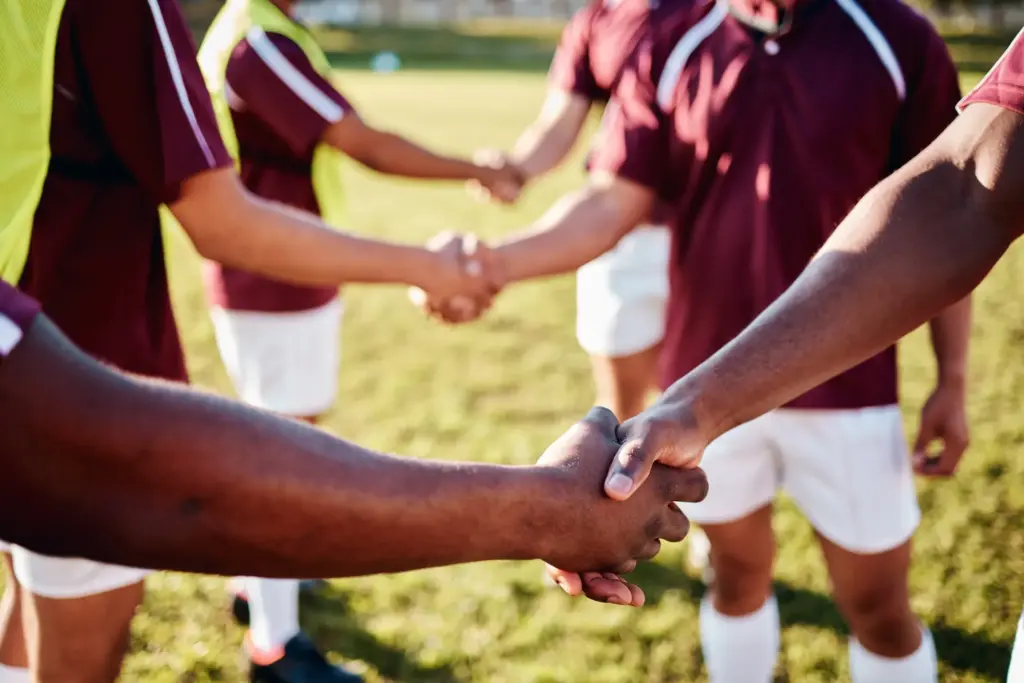
Sportsmanship plays an integral role in shaping the landscape of competitive activities, transcending the notion of simply winning or losing. This essential principle emphasizes respect, fair play, and ethical behavior among athletes, coaches, and fans alike. Understanding the importance of sportsmanship aids in teaching vital life skills such as resilience and humility, which are beneficial both on and off the field. In addition to fostering camaraderie, good sportsmanship has numerous benefits, including building stronger team dynamics and creating a supportive environment for all participants. As we delve deeper into the realm of sportsmanship, we uncover profound examples that illustrate its significance in promoting a culture of respect within the sporting community.
The concept of fair play and a respectful attitude in competitive settings is often referred to as sports ethics or sporting conduct. These ideals exemplify the values that athletes and enthusiasts should embody throughout their experiences in sports. Appreciating the essence of fair competition not only enriches the sporting moment but also imparts valuable life lessons essential for personal growth. Through an emphasis on respect for opponents and officials, we can evaluate the positive influence such examples can have on individuals and their communities. Thus, embracing ethical behavior in sports cultivates a foundation where everyone can thrive and learn the significance of mutual respect.
Understanding the Importance of Sportsmanship in Athletics
Sportsmanship plays a crucial role in shaping the experiences of athletes in competitive settings. It distinguishes those who merely play for victory from those who embody the true spirit of the sport. The importance of sportsmanship in athletics goes beyond just rules; it involves creating a culture of respect and integrity among players. When athletes prioritize sportsmanship, they contribute to a positive environment that encourages fair play and enhances the overall experience for everyone involved.
By emphasizing sportsmanship, athletes learn vital values, such as respecting opponents and officials, which translate to greater sportsmanship examples on and off the field. This conduct also cultivates a sense of community that can uplift the sport itself, fostering public interest and inspiring new generations to partake in healthy competition.
Teaching Sportsmanship to Young Athletes
Teaching sportsmanship to young athletes is critical for their development, both as players and as individuals. Coaches and parents play an essential role in instilling these values by recognizing and rewarding acts of respect and fairness. Institutions can create programs focused on the principles of sportsmanship, highlighting its significance through engaging activities and discussions. This educational emphasis helps children understand that while winning may feel good, the true essence of sports lies in cooperation and respect.
Incorporating lessons on sportsmanship into practice sessions, competition formats, and team meetings allows young athletes to consistently reflect on their behavior. Coaches who model good sportsmanship provide tangible examples for players, embedding integrity and respect within the team culture. Through these efforts, the next generation of athletes learns not only to value winning, but to respect the journey and the relationships built along the way.
Benefits of Sportsmanship in Team Sports
The benefits of sportsmanship in team sports are extensive and influential. When team members exhibit good sportsmanship, it enhances collaboration and strengthens bonds among players. Teams that prioritize respect, open communication, and support create an environment that propels them toward shared goals. This unity often leads to improved performance, as players feel empowered and connected, trusting one another on and off the field.
Good sportsmanship also impacts how a team handles losses, teaching resilience and promoting a growth mindset. In recognizing each other’s efforts and maintaining a positive attitude, teams cultivate psychological safety, allowing individuals to take risks and develop their skills without fear of judgment. Ultimately, the discipline learned through sportsmanship can transfer to various aspects of life, providing lifelong advantages.
Creating a Positive Environment Through Sportsmanship
Creating a positive environment is one of the most important outcomes of promoting sportsmanship in athletics. Good sportsmanship not only encourages a spirit of healthy competition but also nurtures positive experiences for everyone involved—players, coaches, and fans alike. By displaying good sportsmanship, athletes demonstrate that they value the game and everyone participating in it. This shift in behavior contributes to shaping a supportive atmosphere where individuals can thrive and enjoy the act of playing.
A positive sporting environment encourages greater participation and fosters a love for the game. Athletes who embrace sportsmanship inspire bystanders and promote a culture of respect, reducing negativity and hostility in potentially high-stress situations. This shift not only enhances the quality of the events but also leaves a lasting impression on young spectators, often compelling them to engage in sports with the same principles.
Sportsmanship Examples That Inspire
Sportsmanship examples provide powerful lessons that inspire both current and future generations of athletes. For instance, many professional athletes have made headlines not just for their victories but for their graciousness during defeats or their encouragement towards opponents. Moments like these highlight the true spirit of competition, where the respect displayed can resonate beyond the playing field, influencing a culture of sportsmanship broadly.
Even in amateur sports, there are countless stories of athletes helping opponents after injuries or congratulating them after hard-fought matches. These actions often become benchmarks of how players can conduct themselves and serve to inspire others to uphold similar values. Celebrating and sharing these examples can reinforce the importance of sportsmanship within communities, urging young athletes to aspire to uphold these principles.
The Role of Coaches in Fostering Sportsmanship
Coaches play a pivotal role in fostering sportsmanship among athletes, acting as mentors who guide their teams not only in skills and strategies but also in moral conduct. By modeling respectful behaviors and emphasizing the importance of integrity, coaches can instill the value of sportsmanship deeply within their teams. This foundation guides athletes on how to interact respectfully with each other, officials, and competitors, setting a standard for acceptable behavior both on and off the field.
When coaches prioritize sportsmanship, they shape athletes who are aware of their actions’ impact on the game’s perception and reception. Through discussions, role-playing scenarios, and reflecting on sportsmanship examples, coaches can reinforce these ideals, cultivating a culture where players hold each other accountable for their conduct. Ultimately, a coach’s commitment to sportsmanship can create leaders out of athletes, equipping them to handle life’s challenges with dignity.
Sportsmanship Beyond the Game
The lessons learned from sportsmanship extend beyond the confines of games; they seep into everyday life. Engaging in sports teaches individuals about teamwork, ethical competition, and resilience, all of which are applicable in various life scenarios. As players navigate challenges and setbacks, they learn to respond with sportsmanship, shaping their outlook towards personal and professional hardships.
In social and work environments, the principles of sportsmanship—such as respect, fairness, and humility—can enhance personal relationships and bolster collaborative efforts. Individuals who embody these traits often lead with empathy, fostering positive interpersonal dynamics that mirror the inclusivity and respect established in sports.
Emphasizing Fair Play in Competitive Sports
Emphasizing fair play is integral to developing a robust sporting culture that enhances respect and integrity within competitions. Fair play includes not only following the rules of the game but also ensuring that interactions between players, coaches, and officials adhere to the spirit of the sport. Athletes are encouraged to compete to the best of their ability while maintaining an understanding of the importance of treating others with dignity and respect.
Critically, embedding this concept means that competition becomes not just about winning but about the shared experience of all participants. Fair play creates an environment where everyone can enjoy the process and reap the benefits of participation, fostering long-term engagement with the sport. By highlighting and awarding acts of fair play, sporting organizations also reinforce these ideals to emerging athletes.
The Lasting Impact of Sportsmanship on Athletes’ Lives
The lasting impact of sportsmanship can be profound, shaping athletes’ character and influencing their lives beyond their sporting pursuits. Many successful athletes attribute their accomplishments not only to their skills but also to the principles of sportsmanship they developed throughout their careers. This foundation translates into personal attributes such as leadership, resilience, and the ability to manage relationships effectively.
Moreover, athletes who prioritize sportsmanship often find themselves in roles that require collaboration, such as in business or community service. These individuals understand the value of teamwork and respect for others, which helps them to navigate their professional landscapes with confidence. Ultimately, the lessons learned from sportsmanship equip athletes with essential life skills that benefit them long after their athletic careers have concluded.
Frequently Asked Questions
What is the importance of sportsmanship in competitive sports?
Sportsmanship is vital in competitive sports as it instills values of fairness, respect, and integrity among athletes. It promotes a positive atmosphere that enhances gameplay and encourages healthy rivalries, rather than hostility and negative behavior.
How can teaching sportsmanship benefit young athletes?
Teaching sportsmanship to young athletes fosters essential life skills such as teamwork, resilience, and respect for others. These lessons not only improve their sports experience but also prepare them to face challenges gracefully in everyday life.
What are some examples of sportsmanship in sports?
Examples of sportsmanship in sports include congratulating opponents after a match, accepting defeat graciously, and respecting referees’ decisions. These behaviors reflect integrity and help create a supportive environment for all participants.
What are the benefits of sportsmanship beyond the field?
The benefits of sportsmanship extend beyond sports; they include improved interpersonal relationships, better teamwork in professional settings, and a stronger sense of community. Exhibiting sportsmanship can lead to more fulfilling interactions in various aspects of life.
Why is sportsmanship essential for creating a positive environment?
Sportsmanship is essential for creating a positive environment as it encourages camaraderie and respect among participants. When athletes demonstrate good sportsmanship, they inspire fans, foster enjoyment, and enhance the overall experience of sporting events.
How does sportsmanship enhance team dynamics?
Sportsmanship enhances team dynamics by promoting unity and collaboration among teammates. When athletes support each other and demonstrate kindness, it leads to a positive team culture, improved performance, and shared goals.
What role do coaches play in promoting sportsmanship?
Coaches play a critical role in promoting sportsmanship by modeling respectful behavior, reinforcing the importance of integrity, and teaching young athletes how to handle wins and losses gracefully, thereby influencing their character development.
What are the long-term effects of learning sportsmanship on personal development?
Learning sportsmanship can have long-term effects on personal development by instilling values like responsibility, leadership, and empathy. These qualities help individuals build strong relationships and navigate challenges more effectively throughout their lives.
How can sportsmanship influence spectators at sporting events?
Sportsmanship can influence spectators by promoting a culture of respect and appreciation for athletes’ efforts. When athletes exhibit good sportsmanship, it encourages fans to also show respect and support for both teams, enriching the overall experience.
Why should we prioritize sportsmanship in youth sports programs?
Prioritizing sportsmanship in youth sports programs is essential as it lays the foundation for developing respectful and responsible individuals. Cultivating sportsmanship helps youth understand the importance of fair play and respect, ensuring that these values are carried into adulthood.
| Key Points | Explanation |
|---|---|
| Definition of Sportsmanship | Sportsmanship embodies fair play, respect, graciousness, and dignity, focusing on character building over mere victory. |
| Building Character | Engaging in sports encourages lessons in integrity, patience, and resilience that shape personal character beyond the game. |
| Fostering Respect | Exhibiting respect towards others, including coaches and referees, creates a positive sporting culture and enhances experience. |
| Creating a Positive Environment | Good sportsmanship leads to uplifting experiences, encouraging support and enjoyment for both players and spectators. |
| Enhancing Team Dynamics | Sportsmanship fosters collaboration among teammates, leading to improved performance and a culture of trust. |
| Lessons Beyond the Field | Principles of sportsmanship translate to personal and professional life, enhancing teamwork, leadership, and relationships. |
| Role of Coaches and Parents | Adults play a vital role by modeling respect and instilling sportsmanship values in young athletes. |
Summary
Sportsmanship is a fundamental principle that extends well beyond the realm of athletics, impacting both personal growth and social interactions. By promoting values of respect, integrity, and fairness, sportsmanship not only enhances the integrity of the games but also fosters positive interactions in everyday life. Athletes who uphold sportsmanship create an inclusive environment that cultivates camaraderie and mutual respect among peers. Moreover, the lessons learned through sportsmanship yield lifelong benefits, teaching individuals how to approach challenges with humility and grace. As we foster sportsmanship within our communities, we build a culture that values positivity and respect across all aspects of life.

