
Listen to this article
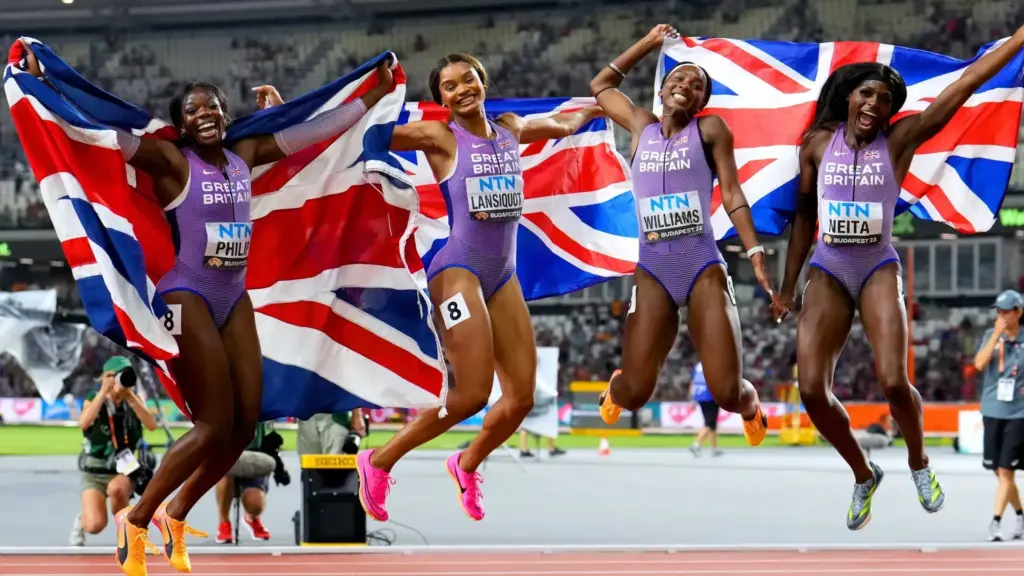
Women in sport have faced historic barriers that sought to undermine their achievements and limit their visibility in competitive arenas. However, through sheer determination and resilience, remarkable female athletes have emerged, breaking down these obstacles and achieving greatness. This exploration of the women in athletics highlights both their extraordinary accomplishments and the ongoing quest for gender equality in sports. As we delve into women’s sports history, we’ll witness how these trailblazers empower future generations of female athletes to embrace their strength and pursue their dreams. Join us on this journey to celebrate female athletes who inspire, motivate, and drive change in the world of sports.
Athletic women have long been at the forefront of challenging stereotypes and redefining what is possible in sports. As champions of empowerment through sports, they work tirelessly to pave the way for future generations while advocating for equal opportunities. The history of women in athletics is rich with stories of pioneering athletes who have fought for representation and recognition in a traditionally male-dominated landscape. As we explore the advancements and milestones in women’s sports, we will uncover the ongoing challenges they face while embracing their roles as leaders and advocates for gender parity. This discussion not only highlights the achievements of female competitors but also invites us to reflect on the societal changes necessary for a truly inclusive sporting environment.
The Evolution of Women’s Sports Participation
The participation of women in sports has undergone a remarkable transformation over the past century. Initially viewed with skepticism, female athletes fought for their right to compete and be recognized on equal footing with their male counterparts. The turning point came with significant legislation such as Title IX in the United States, which mandated gender equality in educational programs and sports. This law not only opened doors for women in collegiate athletics but also inspired a wave of female participation that has continued to grow. With the establishment of women’s leagues and competitions, we have witnessed a gradual shift in attitudes towards women in athletics.
Further highlighting this evolution is the increasing visibility of female athletes in mainstream media and their role as role models for young girls. Athletes like Serena Williams and Billie Jean King have not only excelled in their respective sports but have also worked as advocates for gender equality in athletics. Their success has inspired a new generation of female athletes who now feel empowered to pursue their passions despite historical barriers. The evolution of women’s sports is a testament to resilience, showing that with determination, women can achieve greatness in areas once dominated by men.
Famous Female Athletes Who Changed the Game
Throughout history, several legendary female athletes have made significant strides in challenging societal norms and breaking barriers in sports. For instance, Billie Jean King is renowned not only for her tennis prowess but also for her unwavering advocacy for equal pay and opportunities for female athletes. Her landmark match against Bobby Riggs in 1973 not only showcased her athletic talent but also brought attention to gender disparities in sports that persist to this day. Such impactful events have solidified her legacy as a trailblazer in women’s sports history.
Another notable figure is Misty Copeland, who shattered stereotypes in the world of ballet by becoming the first African American female principal dancer at the American Ballet Theatre. Her journey reflects the empowerment through sports, illustrating how women can achieve the highest honors in fields often viewed as exclusionary. Both King and Copeland serve as inspirations, encouraging young women to break through barriers and pursue their dreams in athletics, reinforcing the message that gender should never limit potential.
Challenges Faced by Women in Sports
Despite the significant progress made, women in sports still encounter numerous challenges that hinder their full participation and recognition. One of the most pressing issues is the lack of media coverage of women’s sports compared to men’s. With female sports receiving only about 4% of total sports media coverage, the disparity becomes glaring; this not only affects the visibility of women’s sports but also their marketability and sponsorship opportunities. This stark inequality highlights the urgent need for more dedicated media attention to female athletes and their achievements.
Additionally, female athletes often navigate societal pressures regarding body image and expectations of femininity, compounding the challenges they face in competitive environments. Many also struggle with balancing the demands of sport with personal responsibilities, particularly motherhood. This multifaceted challenge makes it essential for ongoing advocacy for women’s rights in sports. Breaking free from these barriers will require a collective effort from all stakeholders – fans, organizations, and the media – to create an equitable environment in sports.
The Role of Advocacy in Women’s Sports
Advocacy plays a crucial role in advancing gender equality in sports and ensuring that female athletes receive the recognition they deserve. Organizations like the Women’s Sports Foundation work tirelessly to provide resources and support for female athletes, promoting opportunities that help empower girls and women in athletics. Through initiatives such as the #LikeAGirl campaign, they aim to reframe the narrative around women’s sports, inspiring young girls to pursue their dreams and challenge stereotypes.
Moreover, high-profile female athletes using their platforms to advocate for change is a significant aspect of the movement toward equality. Athletes such as Megan Rapinoe and Simone Biles have become outspoken advocates for various issues, from equal pay to mental health awareness. Their voices resonate with millions, encouraging discussions around gender equality in sports and beyond. These advocacy efforts are not only essential for current female athletes but also set a precedent for future generations to continue the fight for equality.
The Impact of Female Representation in Sports Media
The importance of representation of women in sports media cannot be overstated. Visible female athletes in various sports inspire young girls to engage in athletics, helping to challenge outdated gender stereotypes and create a more inclusive culture in sports. When young girls see successful athletes who look like them, they are more likely to dream big and aspire to participate in sports themselves. This representation fosters a sense of belonging and empowers young women to break barriers in their lives, be it in sports or other fields.
Furthermore, increased media exposure for women’s sports can gradually change public perceptions and attitudes toward female athletes. With more coverage, fans are better able to recognize and appreciate the skills and dedication of women in athletics. Consequently, this increased visibility can lead to greater support, sponsorship, and investment in women’s sports, helping to generate a sustainable ecosystem where female athletes can thrive and attain greater recognition and respect.
Innovations in Women’s Sports Programs
Innovations in women’s sports programs have paved the way for increased participation and engagement among female athletes. Initiatives such as specialized training camps, mentorship programs, and scholarship opportunities are designed to address the unique challenges faced by women in athletics. These programs not only focus on athletic development but also emphasize life skills, leadership, and personal growth, equipping female athletes with the tools they need to succeed both on and off the field.
Additionally, community-based programs aimed at encouraging young girls to start participating in sports from a young age are vital for fostering a culture of inclusivity in athletics. By providing access to facilities, coaching, and competitions, these programs help break down barriers and empower young girls to see themselves as future athletes. As these innovations continue to evolve, they will contribute to a more equitable landscape for women in sports, allowing for even greater achievements in the future.
Female Athletes as Role Models for Future Generations
Female athletes undoubtedly serve as powerful role models for future generations, demonstrating that determination and perseverance can lead to extraordinary success. By excelling in their sports and advocating for equality, these athletes inspire young girls to dream beyond societal limitations. Icons like Serena Williams, who has faced and overcome numerous challenges throughout her career, exemplify the strength and resilience needed to succeed in competitive sports.
Moreover, the accomplishments of female athletes contribute to ongoing discussions about women’s rights and gender equality in various fields. As young girls see athletes breaking barriers, they are encouraged to pursue their aspirations, regardless of the obstacles they may face. Celebrating these role models is essential not only for motivating the next generation of female athletes but also for creating a more equitable society in which women can thrive.
The Future of Women’s Sports: Opportunities and Outlook
The future of women’s sports appears bright, with increasing opportunities for female athletes at all levels. More organizations are recognizing the importance of investing in women’s sports through sponsorships and media coverage, and events such as the Women’s World Cup and WNBA Finals have garnered impressive viewership. This growing public interest is crucial for sustaining momentum and furthering the movement toward gender equality in athletics.
Additionally, the continuous advocacy for women’s rights in sports creates an optimistic outlook for the next generation of female athletes. As societal attitudes shift and more channels for women to showcase their talents emerge, we can anticipate even greater achievements in women’s sports. The ongoing journey toward equality is a collective effort, and with continued support, the legacy of women in sports will endure and inspire countless others to break barriers and achieve greatness.
The Call to Action for Support in Women’s Sports
As fans, supporters, and advocates for gender equality in sports, we play a vital role in shaping the future for women in athletics. It’s crucial to actively support women’s sports by attending games, following female athletes on social media, and raising awareness about the challenges they face. Your involvement can make a significant difference in driving the conversation around women’s sports, pushing for equitable treatment and recognition.
Furthermore, organizations and brands that prioritize diversity and inclusion can help promote female athletes and women’s sports more broadly. By investing in sponsorships and partnerships focused on women’s athletics, stakeholders contribute to creating equitable opportunities and fostering an environment where female athletes can thrive. Collectively, we must continue to challenge stereotypes, advocate for equality, and champion the achievements of women in sports.
Frequently Asked Questions
What are the main challenges faced by women in sport?
Women in sport face numerous challenges, including reduced media coverage, lower pay, and fewer sponsorship opportunities compared to their male counterparts. Additionally, issues such as gender discrimination and the struggle for equal representation in sports remain prevalent.
How has Title IX impacted women in athletics?
Title IX, enacted in 1972, prohibits sex discrimination in educational programs, significantly increasing opportunities for women in athletics. This landmark legislation opened doors for female athletes in collegiate sports, promoting gender equality and empowerment through sports.
Who are some legendary female athletes that have influenced women’s sports history?
Legendary female athletes like Billie Jean King, Serena Williams, and Misty Copeland have profoundly influenced women’s sports history. Their achievements and advocacy for gender equality have elevated the status of female athletes and inspired future generations.
In what ways can women in sports empower future generations?
Women in sports can empower future generations by serving as role models and advocates for gender equality. Their visibility in sports inspires young girls to engage in athletics, challenge stereotypes, and pursue their dreams, fostering a new wave of female talent.
What role does representation play in women’s sports?
Representation in women’s sports is crucial as it promotes diversity, challenges stereotypes, and provides young girls with relatable role models. When they see successful female athletes, they are more likely to believe in their own potential and pursue sports.
How do female athletes advocate for gender equality in sports?
Female athletes advocate for gender equality in sports through activism, using their platforms to raise awareness about disparities. They highlight issues like pay inequity and media coverage, and many participate in campaigns and initiatives aimed at promoting equality.
What initiatives aim to support women in sports?
Initiatives such as the Women’s Sports Foundation and the #LikeAGirl campaign support women in sports by providing resources, funding, and mentorship. These programs aim to empower girls and women to pursue athletic endeavors and advocate for equality.
Why is increasing media coverage important for women in sports?
Increasing media coverage for women’s sports is vital as it raises visibility, attracts sponsorship opportunities, and generates public interest. Greater coverage can help level the playing field and promote equality between male and female athletes.
What impact do female athletes have on society?
Female athletes positively impact society by challenging traditional gender roles, inspiring young girls, and advocating for social change. Their achievements in sports can also influence discussions about gender equality beyond athletics.
What are some barriers still needing to be broken for women in sports?
Despite progress, barriers such as unequal pay, limited investment in women’s leagues, and societal stereotypes about female athletes persist. Continued efforts are needed to challenge these issues and promote equality in sports.
| Key Points | Description |
|---|---|
| Historical Context | Women were historically excluded from competitive sports, with early pioneers like Lottie Dod and Babe Didrikson Zaharias breaking through. |
| Breaking Barriers | Title IX in 1972 prohibited sex discrimination, leading to greater opportunities and visibility for female athletes. |
| Legendary Female Athletes | Prominent figures like Billie Jean King, Misty Copeland, and Serena Williams have led the charge for equality while excelling in their sports. |
| Importance of Representation | Visibility of female athletes encourages young girls to participate in sports and helps challenge stereotypes. |
| Challenges Remaining | Women still face media underrepresentation, pay disparities, and personal challenges that need addressed. |
| Advancing the Future | Organizations and initiatives are working towards leveling the playing field and increasing visibility in women’s sports. |
| Call to Action | Support for women’s sports is essential: attend events, follow broadcasts, and promote female athletes. |
Summary
Women in sport have been breaking barriers and achieving greatness for decades, showcasing resilience against various challenges. From being historically marginalized to now holding prominent roles in competitive athletics, women have proven their talent and determination. Despite ongoing struggles with representation and equality, the advancements made through regulations like Title IX and support from organizations like the Women’s Sports Foundation show that the movement is gaining momentum. The inspiring stories of legendary female athletes continue to motivate new generations, emphasizing the significance of encouragement and advocacy in sports. By promoting female athletes and recognizing their contributions, society can foster an inclusive environment where women in sport are celebrated, recognized, and afforded equal opportunities.

