
Listen to this article
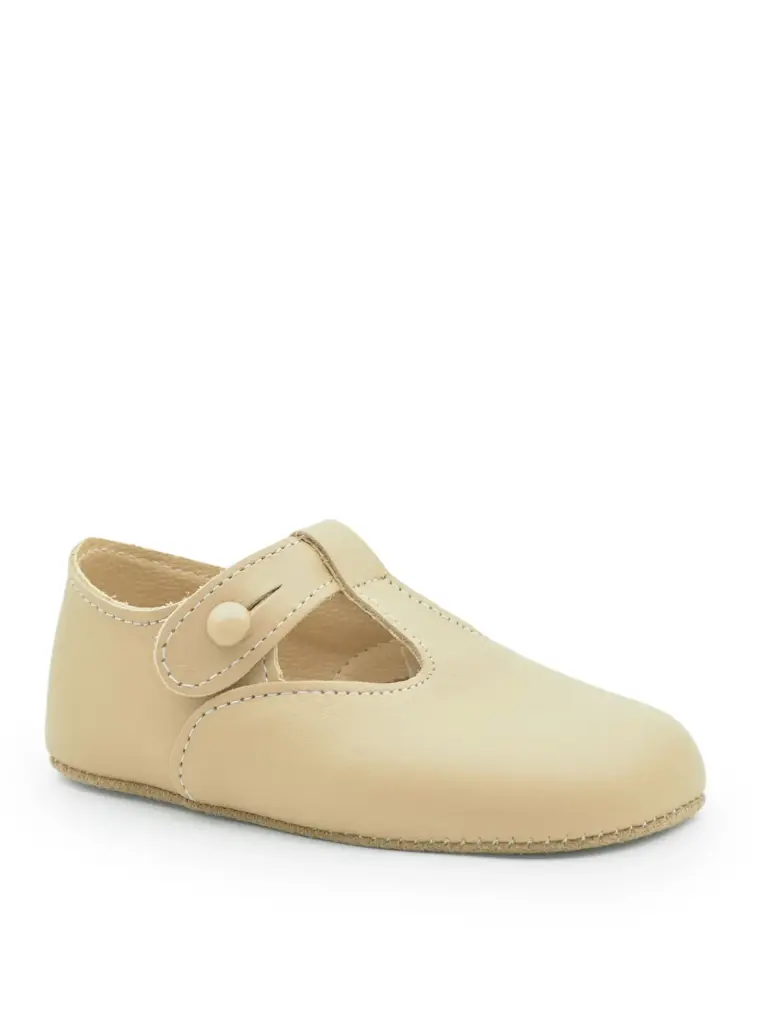
Early Days shoes have become synonymous with royal charm, capturing the hearts of parents across the UK after being worn by none other than Prince George, Princess Charlotte, and Prince Louis. This renowned baby shoes brand, founded over 70 years ago, has its roots in a Leicester shoe factory where craftsmanship and tradition come together to create stylish children’s footwear. However, recent warnings from its owner, Paul Bolton, indicate that this cherished brand might face a dire business closure due to rising costs and dwindling demand. Despite a surge in excitement following royal endorsements and a record sales year, the company now grapples with significant challenges in navigating the current economic landscape. The legacy of Early Days shoes is at a critical juncture, leaving many to wonder if this beloved brand can overcome the obstacles blocking its path to continued success.
The beloved footwear worn by royal children, known for its craftsmanship and adorable designs, faces an uncertain future as its manufacturer, Early Days, contemplates closure. Founded in a family home, this iconic children’s shoe brand has captured the interest of parents seeking quality and style for their young ones. Despite its prominent position in the baby shoe market, increased production costs and economic pressures have led to a significant decline in customer demand. The challenges ahead could determine whether this historic Leicester-based factory can continue to serve its loyal clientele or if a transformation is imminent for its operations. As discussions for potential buyers unfold, the fate of this cherished children’s footwear brand remains precariously balanced.
The Legacy of Early Days Shoes
Early Days shoes have become synonymous with British heritage and craftsmanship, especially after being worn by royal children like Prince George, Princess Charlotte, and Prince Louis. Founded over 70 years ago, the brand has established itself as a pioneering name in children’s footwear, with a reputation for stylish and durable designs that cater to the needs of young wearers. This legacy not only encapsulates the aesthetics of childhood fashion but also the familial dedication that fuels the business, as Paul Bolton runs the company with his brother, continuing the vision set by their father and uncle.
Despite the current challenges facing the Leicester shoe factory, the Early Days brand has seen remarkable heights, particularly during the period when the royal endorsement skyrocketed its visibility. The memorable imagery of Prince George wearing their shoes has significantly impacted sales, showcasing how powerful endorsements can transform a business’s fortunes. However, even with such a strong foundation and legacy, the brand must now navigate through turbulent economic conditions, reflecting a broader story of resilience in British manufacturing.
Challenges Facing the Leicester Shoe Factory
The Leicester shoe factory, responsible for producing Early Days shoes, is currently facing unprecedented challenges that threaten its survival. According to Paul Bolton, rising costs related to energy, materials, and labor have severely impacted their business operations. The combination of dips in consumer demand and heightened operational expenses has forced the factory to contemplate closure, a grim reality for a company that once flourished under royal patronage and produced thousands of shoes weekly.
Bolton’s concerns are echoed throughout the industry, as businesses struggle with the shifting economic landscape following the recent changes in government policy. The tough conditions faced by high street retailers are partly linked to a broader downturn in consumer spending, meaning that even the best-performing companies must now tighten their belts. As the Leicester factory reduces its workforce from over 100 employees to just 10, it serves as a stark reminder of the fragility of even well-established brands in the face of economic adversity.
The Impact of Royal Endorsement on Sales
The association of Early Days shoes with the British royal family has undeniably bolstered the brand’s image and sales, particularly during the time when Prince George was photographed wearing them. This high profile appearance transformed the business’s fortunes overnight, capturing the attention of both consumers and retailers alike. As orders flooded in, the factory ramped up production, illustrating how a single moment in the limelight can lead to a surge in demand and new business opportunities.
However, the boost from this royal endorsement was short-lived, as Bolton noted a significant decline in orders following what was once their best year. The initial excitement over their unique children’s footwear turned into a struggle against market realities that continue to challenge even the most recognized brands. With customers feeling the pinch financially, Early Days must now find innovative ways to maintain relevance in a market that has become increasingly saturated and competitive.
Economic Pressures on Baby Shoes Brand
The Early Days business landscape is currently rife with economic pressures that have forced the company to rethink its future. Rising costs of production, from materials to labor, contribute to the difficulty of maintaining profit margins in an atmosphere of declining consumer spending. Bolton has openly discussed how the compounded challenges have driven the company to consider closure, highlighting broader issues faced by businesses in the UK, particularly in the wake of increasing taxation and wage hikes.
This situation reflects a concerning trend across the baby shoes brand market, where companies traditionally reliant on strong sales figures must grapple with external economic factors. With the continuous evolution of market dynamics, it becomes clear that maintaining a successful children’s footwear line, like Early Days, requires agility and a keen awareness of consumer trends and operational sustainability.
Future Prospects for Early Days Shoes
While the outlook for Early Days appears grim, there remains a glimmer of hope as Bolton explores potential buyers for the company. He mentioned receiving inquiries from various parties that may invest in keeping the brand alive. This reflects a potential interest in resurrecting a brand that holds historical significance in children’s footwear and presents an opportunity for revival amid uncertainty.
If a suitable buyer can be found, it could lead to fresh investments and an innovative management approach that reinvigorates the company. The legacy of Early Days shoes, marked by royal endorsements and a storied history, may yet have a future in the competitive market for children’s footwear, provided that strategic adaptations are made to align with current consumer demands and economic conditions.
Community Response and Support
As news of the potential closure of Early Days has spread, community response has been one of both concern and support. Local customers and supporters of British-made products have expressed their sadness at the thought of losing a beloved brand that represents quality and tradition. The involvement of a local shoe factory in their lives, particularly regarding children’s footwear, has fostered a sense of loyalty and connection among parents and families.
The situation has sparked discussions on social media and community forums, as many users advocate for the preservation of Early Days shoes. The rise in public sentiment may also play a crucial role in attracting potential investors who recognize the brand’s value beyond just financial metrics. The outpouring of community support could serve as a powerful reminder of the importance of local businesses in the fabric of society.
Comparing Early Days with Competitors
In analyzing the current landscape of children’s footwear brands, one cannot overlook the strengths and weaknesses of Early Days compared to its competitors. While Early Days capitalizes on its rich history and royal endorsement, other brands have leveraged modern marketing strategies and sustainability initiatives to capture consumer interest. This comparison highlights the necessity for Early Days to adapt and innovate if they are to remain relevant in a highly competitive market.
Competitors may offer trendy designs or eco-friendly options that appeal to today’s parents, often impacting purchasing decisions. Early Days has a unique position, albeit challenged by economic factors, where it needs to effectively communicate the value of its heritage products while also exploring ways to innovate and diversify its offering. The ability to balance tradition with modern market demands will be crucial for the brand’s continued success.
Strategies for Sustaining Early Days Brand
To navigate through the current financial challenges, Early Days needs to adopt strategic initiatives that can sustain the brand’s presence in the children’s footwear market. This may include revamping their marketing efforts to focus on the unique story behind the brand, emphasizing the quality and craftsmanship of Early Days shoes to attract both new and loyal customers. Possessing a foundation built on legacy can be a significant asset when framed within a contemporary narrative.
Additionally, exploring collaborations with influencers or other brands can expand visibility and reach smaller demographics. By tapping into today’s digital platforms, Early Days can engage with its audience more dynamically and create impactful content that resonates with parents seeking reliable footwear for their children. By leveraging both heritage and modern marketing techniques, there is hope for Early Days to not only survive but thrive.
The Broader Impact of Early Days on UK Manufacturing
The story of Early Days shoes underscores the challenges faced across the UK manufacturing sector, particularly for small and medium enterprises. As large corporations dominate the landscape, smaller brands like Early Days struggle with economic pressures that make it hard to compete. The potential closure of such a storied company serves as a warning sign of the fragility of heritage brands amid modern economic challenges.
Moreover, the plight of Early Days highlights a pressing need for government policies that support local manufacturing and assist businesses in weathering economic storms. If left unaddressed, the decline of homegrown brands could have widespread repercussions not only for jobs but also for the cultural identity tied to British craftsmanship. Attention to these issues can pave the way for a more sustainable future for businesses committed to preserving traditional manufacturing in the UK.
Frequently Asked Questions
What is the story behind Early Days shoes and their connection to Prince George?
Early Days shoes gained widespread recognition after they were worn by Prince George, Princess Charlotte, and Prince Louis. Founded over 70 years ago in Leicester, this baby shoes brand has a rich history, initially started in a family home. The royal endorsement significantly boosted sales, making them a popular choice in children’s footwear.
What challenges is the Leicester factory producing Early Days shoes currently facing?
The Leicester factory, home of Early Days shoes, is facing severe challenges including a drop in customer demand, increased production costs, and economic pressures. Paul Bolton, the owner, has indicated that these difficulties have put the 73-year-old business at risk of closure.
Are Early Days shoes still available for purchase amid the business closure concerns?
Currently, Early Days shoes are under financial strain, prompting the owner to pause online sales temporarily due to inventory shortages caused by previous high demand. If you’re seeking these famous baby shoes, check for updates on their availability amid ongoing efforts to find a buyer.
How does the price of Early Days shoes compare to other children’s footwear?
Early Days shoes offer budget options starting at £12.99, while their premium leather range, which includes styles worn by royals, is priced at £32 per pair. This pricing strategy positions Early Days competitively within the children’s footwear market.
What has led to the potential closure of the Early Days baby shoes brand?
The potential closure of the Early Days brand can be attributed to rising production costs, decreasing consumer demand, and the overall challenging economic conditions for retail businesses. Despite a surge in interest after royal endorsements, these factors have overshadowed profitability for the company.
How can interested buyers help save the Early Days baby shoes business?
Interested buyers can potentially help save the Early Days business by reaching out to the owners, Paul and his brother, who are actively seeking inquiries. They hope to find investments that could sustain the Leicester factory and prevent relocation overseas.
What are the main reasons for the financial difficulties faced by the Leicester shoe factory?
The Leicester shoe factory producing Early Days shoes has been impacted by multiple factors including heightened energy and material costs, rising minimum wage, and increased employer National Insurance contributions, compounded by decreased consumer spending.
What impact did the royal endorsements have on Early Days shoes prior to the current crisis?
The royal endorsements of Early Days shoes led to a dramatic spike in sales, with one of the best trading years following Prince George’s public appearances in the brand. This exposure opened new retail accounts and significantly increased brand visibility, but the initial boom has not translated into sustained demand.
| Key Point | Details |
|---|---|
| Company Status | Early Days shoes may face closure due to decreased demand and rising costs. |
| Owner’s Statement | Paul Bolton announced the potential shutdown and is exploring offers from buyers. |
| Historical Context | The company has a history of over 70 years, founded by Bolton’s family. |
| Impact of Royal Endorsement | Sales surged after royal children were seen wearing Early Days shoes. |
| Recent Challenges | Sales have slowed significantly since 2022, affected by external economic factors. |
| Current Operations | Staff reduced to 10, struggling to maintain production levels. |
| Prices | Basic shoes start at £12.99, while premium shoes are priced at £32. |
Summary
Early Days shoes are at a critical point as the company faces potential closure due to multiple economic pressures. Founded over 70 years ago, Early Days enjoyed a significant boost in sales after royal endorsement, particularly from Prince George. However, the rise in operational costs coupled with declining consumer demand has led the owner, Paul Bolton, to announce the firm’s struggles. As they navigate these challenges, the search for a buyer is ongoing, highlighting the importance of Early Days shoes in the market and the hope for a sustainable future.

