Listen to this article
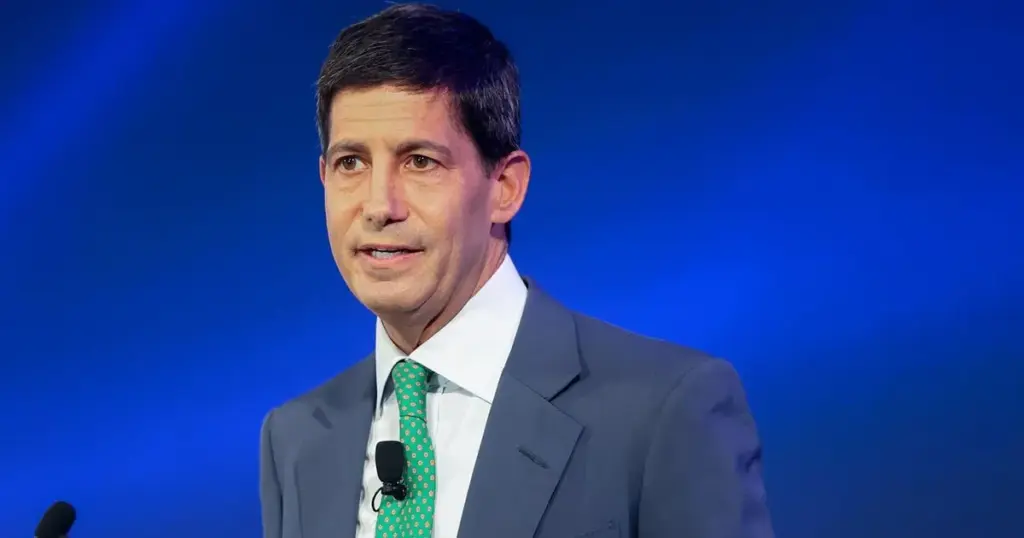
Kevin Warsh Fed Chair reflects a pivotal moment in Donald Trump’s pursuit for a more favorable monetary policy at the Federal Reserve. Having previously served as a member of the Fed’s Board of Governors, Warsh’s appointment comes as Trump seeks significant changes ahead of Jerome Powell’s term expiration. Known for advocating higher interest rates, which contrasts with Trump’s preference for lower rates, Warsh’s nomination has sparked debates about potential shifts in Warsh’s economic policy. With a background enriched by both Wall Street experience and an education from Ivy League institutions, Kevin Warsh embodies a blend of traditional economic perspectives and modern challenges. As the conversation around Federal Reserve changes heats up, the implications of Warsh’s leadership style on interest rates and overall economic strategy will be closely monitored.
The selection of a new chairperson at the US central bank, particularly under the oversight of Donald Trump, opens up discussions about monetary policy reform and economic direction. Kevin Warsh, who has recently been highlighted as Trump’s favored candidate, represents a crucial pivot toward a conservative approach to interest rates management. Many analysts perceive Warsh’s Federal Reserve chairmanship as a potential turning point, capable of reshaping how the institution operates amidst changing global economic dynamics. While critics speculate about his alignment with Trump’s ideals, supporters argue that Warsh brings a wealth of knowledge and a commitment to maintaining the Fed’s independence. Thus, the landscape of American economic policy could undergo substantial transformation, contingent on Warsh’s approach at the helm of the Federal Reserve.
Kevin Warsh: A Trump Nominee for Change at the Federal Reserve
Kevin Warsh’s nomination to lead the Federal Reserve under President Donald Trump marks a significant shift in the administration’s approach to monetary policy. Trump’s previous tenure saw consistent frustration with Jerome Powell’s leadership and his inclination toward higher interest rates. By selecting Warsh, Trump is not only aiming to reshape the monetary landscape but is also attempting to align the Federal Reserve’s agenda more closely with his economic vision. Warsh’s experience, notably his tenure at the Fed and connections with conservative economic philosophies, positions him as a candidate who could revolutionize the way the central bank operates, potentially catering to Trump’s low-interest rate advocacy.
However, the irony of Warsh’s appointment lies in his historical stance on interest rates. He has been recognized as a proponent of higher interest rates, a view that contradicts Trump’s desires for cuts to stimulate economic growth. Warsh’s ability to balance these contrasting expectations will be critical in determining whether his leadership can achieve the changes Trump envisions at the Fed. Many supporters celebrate Warsh’s strong background and analytical skills, while critics question whether he might compromise the Fed’s independence under political pressure, raising crucial concerns about his leadership approach.
What Warsh’s Leadership Could Mean for U.S. Interest Rates
As markets react to Kevin Warsh’s nomination, many are left wondering what his leadership will imply for interest rates in the U.S. Traditional wisdom suggests that a Warsh-led Fed may continue to prioritize a cautious approach towards monetary policy, despite Trump’s ongoing demands for lower rates. Analysts predict that even with Warsh’s appointment, the Fed may still pursue rate cuts to bolster the economy, especially in the wake of the challenges brought forth by inflationary pressures and the need for economic recovery following the COVID-19 pandemic.
If Warsh takes on Trump’s interest rate preferences, it could provide temporary relief for borrowers, impacting everything from mortgages to business loans. However, the challenge lies in maintaining the Fed’s credibility and independence while navigating political expectations. Investors are advised to prepare for a potentially bumpy ride, marked by uncertainty around whether Warsh can remain true to sound economic principles while accommodating the pressures from the Trump administration.
Balance Sheet and Regulation Under Warsh’s Fed
Kevin Warsh’s critique of the Federal Reserve’s role in bank regulation underscores his intentions to redirect the central bank’s focus. By advocating for a reduced footprint in areas like climate change, Warsh appears willing to align the Fed’s regulatory posture closer to that of the Trump administration. This ‘mission creep,’ as Warsh has termed it, reflects a broader desire to streamline the Fed’s operations, potentially leading to significant shifts in how it manages its substantial balance sheet accumulated through years of quantitative easing.
The implications of this strategy are substantial. Reducing the Fed’s balance sheet too aggressively could inadvertently lead to increased borrowing costs, countering Trump’s desire for an economic environment supportive of low interest rates. Additionally, as Warsh continues to emphasize the fiscal independence of the Fed, the balance between political influence and economic imperatives will be a critical factor in his leadership, as some fear that his choices could prioritize short-term political gains over long-term economic stability.
Warsh’s Economic Policy Perspectives
Warsh’s economic policy perspectives garnered attention, especially regarding the lessons drawn from historical economic crises. His prior opposition to stimulus measures during the 2008 financial crisis positions him as a controversial figure among economists. Critics often point out that his reluctance to support extensive stimulus could be a hindrance during periods when immediate fiscal action is paramount to stave off economic downturns. As Trump seeks a Fed chair who aligns closely with his economic agenda, the challenge will lie in gauging whether Warsh’s aversion to inflation outweighs the necessity of proactive economic interventions.
Despite these concerns, supporters highlight Warsh’s nuanced understanding of the economy and his ability to maintain a delicate balance between fiscal responsibility and economic growth. His assertions that focus on reducing governmental influence in banking suggest a preference for a free-market philosophy, appealing to many conservative commentators. This outlook could shape future Federal Reserve policies significantly, steering them toward deregulation while addressing inflation concerns raised by a growing economy.
Investor Reactions to Warsh’s Fed Nomination
The financial markets perceived Kevin Warsh’s nomination to lead the Federal Reserve with cautious optimism. Many investors appreciate Warsh’s familiarity with both Wall Street and central banking, which could instill confidence amid ongoing political turbulence. Analysts noted that his relative absence from the public eye in recent years might suggest a dedication to thorough preparation, presenting Warsh as a figure who might prioritize long-term economic health over short-term political pressures.
Market responses suggest that financiers are bracing for a potential shift in monetary policy directions once Warsh assumes leadership. The decline in gold prices and rising dollar value signal that many traders anticipate a hawkish stance from Warsh, emphasizing his historical leanings towards favoring higher interest rates. As the nation watches closely, Warsh’s actions in the coming months will be pivotal in determining whether the financial markets’ assessments were prescient or misguided.
Evaluating Warsh’s Qualifications and Experience
Kevin Warsh brings a wealth of qualifications and experience to his nomination as Fed Chair, highlighted by his impressive credentials from elite educational institutions, coupled with his prior service at the Federal Reserve. His extensive background on Wall Street and his current role at the Hoover Institution bolster his reputation as a seasoned economic strategist. However, as critics point out, his previous positions on economic policy raise questions about his adaptability and commitment to non-partisan principles in monetary policy.
Supporters, including economists like Mohamed El-Erian, argue that Warsh’s traditional economic perspective could be valuable in guiding the Fed through uncertain times. They commend his ability to engage in rigorous analysis and navigate the complexities of fiscal policy. As the confirmation process unfolds, Warsh will need to demonstrate his independence from political influences while articulating a clear vision for the future direction of monetary policy in the United States.
Political Implications of Warsh’s Fed Appointment
Kevin Warsh’s nomination carries significant political implications, particularly regarding the interplay between the central bank and the executive branch. The Trump administration’s preference for a Fed that aligns with its broader economic priorities may set a precedent, raising concerns about the central bank’s independence. Critics fear that Warsh’s potential for political alignment could dilute the Fed’s mandate, jeopardizing the institution’s fundamental purpose of providing unbiased economic guidance.
Conversely, Warsh’s nomination may also spark critical discussions about the role of the central bank in politicized environments. As congressional debates unfold, many will scrutinize how Warsh navigates the expectations set forth by President Trump while retaining the integrity and the foundational principles of the Federal Reserve. The balance Warsh strikes could serve as a bellwether for future appointments at the Fed, providing insight into how politics will influence the institution’s operations.
Warsh’s Connections in Washington and Wall Street
Kevin Warsh’s connections within both Washington and Wall Street provide him with a unique vantage point, allowing him flexibility and the opportunity for collaboration across both spheres. His relationship with notable political figures and established professionals in the banking sector suggests that Warsh could potentially facilitate dialogue between diverse economic interests. However, the depth of his connections also raises questions about favoritism and conflicts of interest, especially in light of his family ties to prominent Trump donors.
As Warsh takes on the challenge of leading the Federal Reserve, his ability to leverage these connections responsibly will play a defining role in shaping his legacy. Stakeholders across the political spectrum will be keen to observe how he utilizes his network to create impactful change while ensuring that his decisions remain above reproach. If successfully managed, Warsh’s connections may enable him to garner influence and support for the Fed’s objectives, aligning them more closely with national economic growth.
Looking Ahead: The Future of the Federal Reserve Under Warsh
The future of the Federal Reserve under Kevin Warsh’s leadership could signal a transformative period for American monetary policy. As Trump’s nominee, Warsh brings with him a blend of traditional economic principles and a willingness to adapt to the pressures of the current political landscape. His emphasis on reevaluating the Fed’s focus areas, such as diversification away from bank regulation, indicates a potential pivot towards prioritizing economic stability and lower interest rates, aligning with Trump’s long-standing objectives.
However, how Warsh navigates the complexities of steering the Fed amidst conflicting political expectations will be critical for long-term outcomes. As he seeks to standardize policies while keeping markets steady, the scrutiny he faces from both supporters and critics will increase. The interplay between Warsh’s decisions and external economic factors will be closely monitored, as many in America look to the Fed to provide direction and stability in an unpredictable economic environment.
Frequently Asked Questions
What is Kevin Warsh’s potential impact on interest rates as Fed Chair?
Kevin Warsh, as Fed Chair, may prioritize higher interest rates, reflecting his historical stance on monetary policy. However, his nomination comes amidst pressure from President Trump to maintain lower rates for economic growth. Warsh’s ability to balance these demands could influence future interest rates significantly.
How does Warsh’s economic policy align with Trump’s vision for the Federal Reserve?
Kevin Warsh’s economic policy may align with Trump’s vision by favoring less interventionist measures from the Federal Reserve. While Warsh has traditionally supported higher rates, his recent expressions indicate a willingness to adapt to political pressures, suggesting that he might support policies that drive lower interest rates if it aligns with Trump’s agenda.
What is Kevin Warsh’s biography and background related to the Federal Reserve?
Kevin Warsh has an extensive background that includes an Ivy League education, experience as a Fed Governor, and a position at the Hoover Institution. His career reflects a traditional economic perspective, and he has a reputation for advocating higher interest rates, distinguishing him among Fed leadership candidates.
What criticisms have been raised against Kevin Warsh’s nomination as Fed Chair?
Critics have raised concerns about Kevin Warsh’s willingness to change his economic views based on political influence, particularly due to his ties to Trump donors. Additionally, some question his prior opposition to economic stimulus during the 2008 financial crisis, arguing that his policy decisions may not have adequately considered broader economic recovery.
How might Warsh’s leadership change the Federal Reserve’s role in bank regulation?
Kevin Warsh has criticized the Federal Reserve for ‘mission creep’ and expressed a desire to reduce its regulatory role, particularly concerning issues like climate change. This shift could indicate a more traditional approach to Fed policy, focusing more on interest rates and less on broader regulatory concerns that have expanded in recent years.
What are the implications of Warsh’s nomination for borrowers and the economy?
Kevin Warsh’s nomination may result in continued lower interest rates for borrowers, despite his historical preference for higher rates. His approach could provide a balance where economic conditions allow for lower costs for mortgages and loans, positively impacting consumer spending and overall economic sentiment.
| Key Point | Details |
|---|---|
| Trump’s Desire for Change | Donald Trump wants to see changes at the US central bank, with Jerome Powell’s term ending. |
| Kevin Warsh’s Nomination | Warsh is nominated to replace Powell, noted as a conservative economist. |
| Warsh’s Economic Philosophy | He is known for advocating higher interest rates but is criticized for possibly adjusting his views to align with Trump. |
| Concerns About Independence | There are worries that aligning too closely with the President could undermine the Fed’s independence. |
| Market Reaction | Initial market reactions indicated uncertainty about Warsh’s policies, with speculations about his commitment to reducing the Fed’s balance sheet. |
Summary
Kevin Warsh as Fed Chair signifies a potential shift in monetary policy that aligns with Donald Trump’s desire for lower interest rates. However, Warsh’s background and previous economic stances suggest a complex interplay between maintaining the Federal Reserve’s independence and adhering to the President’s objectives. As speculation continues about the future direction of the Fed under Warsh, market participants remain cautious, given the mixed economic signals and firm expectations of interest rate cuts.