Listen to this article
In a significant move that has stirred the financial community, U.S. President Donald Trump has appointed Kevin Warsh as the new chairman of the Federal Reserve, succeeding Jerome Powell when his term ends in May. This decision has garnered attention not only because of Warsh’s previous tenure as a Fed governor but also due to his outspoken critiques of the central bank’s policies. As interest rates policy faces intense scrutiny, many analysts speculate that Warsh will advocate for lower rates to stimulate the economy. With the Fed’s independence already a point of contention, his appointment may signal a shift in the Federal Reserve’s approach amidst increasing pressure from the White House. The financial markets are abuzz with what this “Trump Warsh Fed” era will entail, especially in light of ongoing discussions about the future stability of U.S. monetary policy and the scrutiny over Fed governance practices.
The recent appointment of Kevin Warsh as the chairman of the U.S. Federal Reserve marks a pivotal moment in economic governance. Trump’s selection of Warsh, a former Fed board member known for his critical view of existing monetary practices, signals a potential reorientation of the Fed’s interest rates strategy. With growing debates surrounding the Fed’s autonomy, Warsh’s leadership may usher in a new phase characterized by a closer alignment with the White House’s economic goals. Analysts are keenly observing this nomination against the backdrop of ongoing concerns about inflation control and employment stabilization. As Warsh steps into this role, the implications for fiscal policy and Fed independence will be under intense examination by both politicians and financial experts alike.
An Overview of Kevin Warsh’s Federal Reserve Appointment
In a significant move, President Donald Trump has appointed Kevin Warsh to lead the Federal Reserve as Jerome Powell approaches the end of his term. Warsh, who has a rich background as a former Fed governor, has been a vocal critic of the Fed, particularly concerning its interest rates policy. Trump’s selection of Warsh signals a push for a potentially more aggressive stance on lowering interest rates, a move that aligns with his previous criticisms of Powell’s monetary policy. It indicated a shift in the philosophy at the Fed that could influence economic stability amid ongoing inflationary pressures.
This appointment arrives during a politically charged time as questions surrounding the Fed’s independence are at the forefront. Trump’s dissatisfaction with Powell has been vocalized publicly, creating debate over whether Warsh can maintain the nonpartisan integrity of the Fed while accommodating the economic agenda of the Trump administration. If Warsh is confirmed by the Senate, his leadership will be scrutinized as he navigates the complexities of interest rates and the Fed’s operational independence.
Kevin Warsh: A Unique Perspective on Monetary Policy
Kevin Warsh brings a unique perspective to the Federal Reserve as his history combines elements of both advocacy for lower interest rates and a hawkish approach during his previous tenure as a Fed governor. Known for his economic insights, Warsh had been critical of the Fed’s balance sheet strategy and has recently transitioned toward advocating for rate cuts in light of current economic indicators. His evolving stance will be pivotal as he faces the challenge of justifying such cuts to fellow policymakers who have been cautious amidst fluctuating employment rates and persistent inflation.
His ability to balance these competing interests is crucial, especially since the Fed voted to maintain interest rates amid calls for reduction from the White House. Observers will closely monitor how Warsh manages this transition, considering the economic landscape, which is still recovering with a gradually improving job market but persistent inflation risks. With Trump’s backing, there is an expectation that Warsh may push for aggressive actions that could redefine the Federal Reserve’s role in responding to economic challenges.
The Impact of Warsh’s Appointment on Fed Independence
The appointment of Kevin Warsh injects new dynamics into the ongoing discussion about the Federal Reserve’s independence. Recent tensions between President Trump and Fed Chairman Jerome Powell have raised eyebrows about political influence in monetary policy, and Warsh’s connection to Trump deepens these concerns. Analysts are divided on whether Warsh will uphold the traditional independence of the Fed or succumb to pressure from the executive branch, especially as he navigates his position amid heightened scrutiny regarding Trump’s influence.
As a former Fed governor, Warsh has a unique understanding of the operational framework of the Fed, but his ties to Trump may create an impression of partiality. Financial markets are poised to react to how Warsh conducts himself upon confirmation. If Warsh prioritizes the administration’s demands over economic stability, it could challenge the core mission of the Fed to act autonomously in the face of political pressures, further complicating the narrative around Fed independence.
Warsh and the Future of Interest Rate Policies
An essential aspect of Kevin Warsh’s anticipated leadership involves his influence on future interest rate policies. His past reputation as a hawk during his time as a Fed governor indicates a layered approach to monetary policy. However, his recent advocacy for lower interest rates signals a potential pivot that could align with Trump’s economic strategies. Depending on how he approaches these policies, Warsh could facilitate a strategic reduction in rates to stimulate economic growth, particularly if current inflation levels stabilize.
Economists expect that if Warsh is confirmed, he will face the challenge of making a strong case to his Fed colleagues for why rate cuts are warranted. The prevailing view among analysts is that his ability to persuade fellow policymakers will depend significantly on labor market conditions and inflation trends. With mixed signals from the economy, Warsh’s approach to interest rates could be crucial in navigating the tension between stimulating growth and managing inflationary risks.
Warsh’s Critique of Fed’s Current Policies
Kevin Warsh has not shied away from criticizing the Fed’s recent policies, particularly the reliance on economic data and decisions regarding balance sheet management. His critique stems from a belief that the Fed’s current strategies may be overly cautious and not responsive enough to changing economic conditions. Warsh argues that aggressive rate cuts could spur growth, counteracting the stagnation observed in various sectors. As he steps into a potential leadership role, these critiques will be instrumental in shaping the Fed’s future decision-making.
With Warsh’s history of dissent towards the Fed’s approach, it is anticipated that he will advocate for a fresh perspective that challenges the current orthodoxy. His influence could steer the Fed towards a more flexible monetary policy approach, potentially reshaping how economic indicators are interpreted. As economic conditions evolve, Warsh’s critiques could lead to significant reforms in how the Fed operates, impacting everything from interest rates to asset management strategies.
Senate Confirmation Challenges for Warsh
Despite President Trump’s strong endorsement of Kevin Warsh, the path to confirmation in the Senate poses potential challenges. Republican Senator Thom Tillis has already indicated opposition to Trump’s nominees until clarity on legal matters involving Powell is established. This resistance underscores the intricacies of the nomination process, where political alignments and individual Senator positions can significantly impact outcomes. Warsh’s effectively navigating this process will be crucial for his appointment to materialize.
The Senate’s scrutiny of Warsh’s nomination may not only hinge on his economic philosophy but also on ongoing tensions surrounding the Fed’s independence. Lawmakers will likely delve into his past statements and relationships with Trump, weighing how those connections could affect his decision-making. If confirmed, Warsh will need to balance these political pressures while maintaining the Fed’s independence, an expectation that will be closely monitored by both political watchdogs and financial markets.
Warsh’s Economic Background and Influence
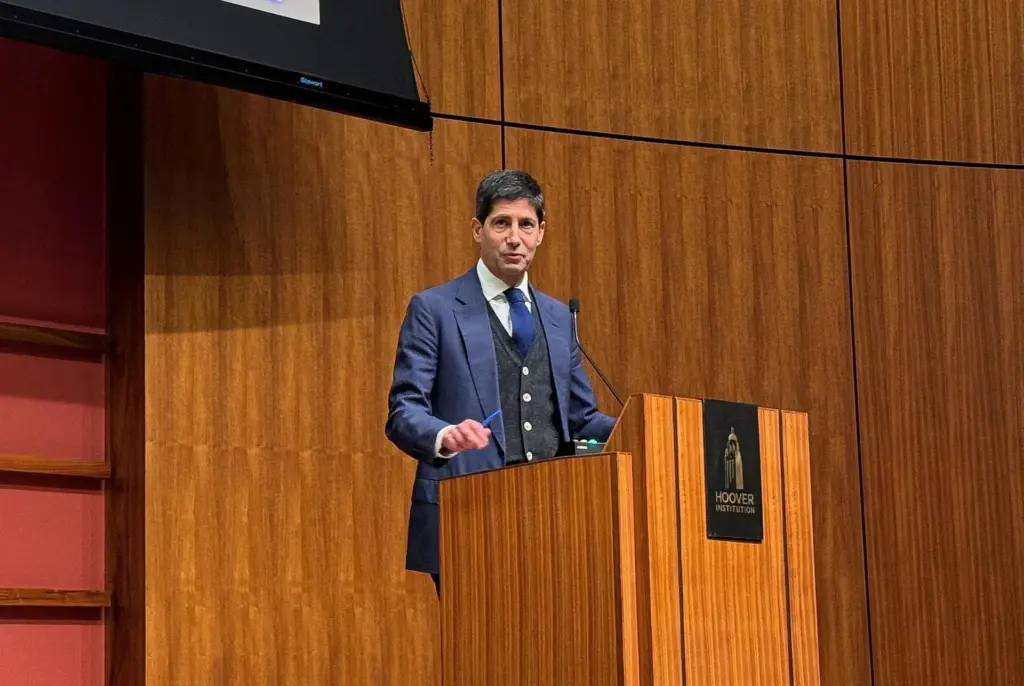
Kevin Warsh’s credentials as an economist and his prior experience at the Federal Reserve position him well to address the complexities of modern monetary policy. His role at the Hoover Institution reflects his commitment to conservative economic principles. Warsh’s insights into fiscal responsibility and the importance of a strong economy are likely to influence his decisions as Fed chairman. Furthermore, his diverse experience from banking to academia gives him a robust framework to navigate the intricacies of economic management.
As he leans into this potential chairmanship, Warsh’s understanding of financial markets and interest rates policy will be crucial. His perspective may lead to innovative strategies that challenge conventional methods employed by the Fed, especially as inflation remains a critical issue. Warsh’s approach to blending traditional economic principles with modern economic challenges will be a focal point for observers, and his influence can have lasting effects on the Federal Reserve’s operations.
Potential Repercussions of a Warsh Chairmanship
The potential confirmation of Kevin Warsh as the head of the Federal Reserve brings with it numerous repercussions both for economic policy and market stability. Observers have noted that his history of advocating for lower interest rates can catalyze major shifts in investment strategies and consumer confidence. This evolution of policy direction under Warsh could affect everything from housing markets to credit accessibility as economic stakeholders react to anticipated changes in fiscal strategy.
Moreover, Warsh’s ties to President Trump and the subsequent concerns about the erosion of Fed independence are likely to influence market behavior significantly. Investors typically react to political uncertainty, and a Warsh chairmanship might amplify those uncertainties depending on his decision-making style. Therefore, stakeholders in the financial markets will remain vigilant, analyzing how Warsh’s policies unfold and their subsequent impacts on the broader economy.
Looking Ahead: Warsh’s Economic Vision for the Fed
As Warsh potentially steps into the role of Fed chair, his vision for the Federal Reserve will be crucial in shaping the economic trajectory of the United States. His past experiences and economic philosophies suggest he may prioritize actions that could stimulate domestic growth while attempting to balance inflation control. This vision will be essential in determining how the Fed approaches vital economic issues in a post-pandemic landscape.
Stakeholders across the economic spectrum will be observing Warsh’s next steps intently. If he can navigate the political pressures effectively while promoting policies that support economic stability and growth, his chairmanship could redefine the Fed’s approach to monetary policy. Ultimately, Warsh’s role could mark a significant turning point in how the Federal Reserve operates in this complex and evolving economic environment.
Frequently Asked Questions
What is the significance of Kevin Warsh’s appointment as Fed chairman?
Kevin Warsh’s appointment as the Federal Reserve chairman is significant as it reflects President Trump’s continued influence over the Fed, particularly during a tense period of scrutiny regarding the central bank’s independence. Warsh’s anticipated advocacy for lower interest rates may impact monetary policy and market expectations.
How does Kevin Warsh’s background as a Fed governor influence his appointment?
Kevin Warsh’s background as a Fed governor from 2006 to 2011 offers him valuable experience in monetary policy and decision-making, which is essential for his new role. His previous criticisms of the Fed suggest a potential shift in policy direction under his leadership, focusing on reducing interest rates.
What are the concerns regarding Fed independence with Kevin Warsh’s appointment?
Concerns about Fed independence have been amplified with Kevin Warsh’s appointment due to President Trump’s vocal criticism of current chairman Jerome Powell. Observers worry that Warsh’s close ties to Trump might compromise the Fed’s autonomy, especially in shaping interest rates policy.
What stance does Kevin Warsh take on interest rates?
Kevin Warsh has shifted from his previously hawkish views during his term as a Fed governor to potentially advocating for lower interest rates. His recent statements suggest he supports reducing rates to stimulate the economy, a position that contrasts with the Fed’s current cautious approach.
How does Kevin Warsh’s appointment impact Wall Street and investors?
Kevin Warsh’s appointment as Fed chairman is likely to impact Wall Street and investors significantly, as market participants will closely monitor his decisions on interest rates and Fed independence. Analysts suggest that his nomination has provided some reassurance to markets, as he is perceived as a respected authority.
What challenges will Kevin Warsh face if confirmed as Fed chairman?
If confirmed, Kevin Warsh will face challenges such as justifying rate cuts to his colleagues amid concerns about inflation and labor market stability. He must navigate the expectations of the Trump administration while maintaining the Fed’s credibility and independence.
What does Trump’s support for Kevin Warsh reveal about their relationship?
Trump’s support for Kevin Warsh highlights their close relationship, particularly through family ties. Warsh’s connection to the Trump family may suggest a more favorable environment for Trump’s influence over Fed decisions, raising questions about the Fed’s independence.
What does Kevin Warsh’s nomination imply about the future of the Federal Reserve?
Kevin Warsh’s nomination implies a potential shift in the Federal Reserve’s approach to interest rates and its interaction with the Trump administration, raising concerns about the central bank’s independence while also suggesting an exploration of more aggressive monetary easing.
| Key Point | Details |
|---|---|
| Kevin Warsh appointed Fed Chairman | US President Trump has selected Warsh to lead the Federal Reserve, taking over from Jerome Powell in May. |
| Background on Warsh | Warsh is a former Fed governor, economist at the Hoover Institution, and has served on UPS’s board. He was previously considered for the chairman position. |
| Criticism of the Fed | Warsh has been vocal against the Fed’s strategies, advocating for lower interest rates and criticizing its data reliance. |
| Trump’s Expectations | Trump believes Warsh will be an exceptional chairman, expecting him to stabilize or lower interest rates. |
| Challenges Ahead | Warsh must gain Senate confirmation, which may be delayed due to political opposition and ongoing legal challenges related to Powell. |
| Market Reactions | Warsh’s nomination caused a slight strengthening of the dollar, indicating market relief but also concerns over Fed independence. |
Summary
Kevin Warsh’s Fed chairman appointment marks a significant shift in leadership for the US Federal Reserve as he prepares to take the reins from Jerome Powell. As a former Fed governor, Warsh comes with a wealth of experience and a critical perspective on the current Fed policies. His appointment is particularly crucial given the political and economic challenges facing the central bank, including pressures for lower interest rates and concerns of interference in its independence. The implications of Warsh’s leadership style will be closely monitored by economists and investors alike.