
Listen to this article
If you’ve ever dreamt of becoming your own boss, it’s time to consider how to **start your own business**. This exhilarating journey is more than just an idea; it requires strategic planning, market research, and a solid understanding of your business structure. Whether you’re exploring innovative business ideas or refining your marketing strategies, becoming an entrepreneur is a path filled with opportunities. From crafting a robust business plan to establishing a unique brand, each step is crucial towards achieving your dream. Let’s dive into the essentials of entrepreneurship and learn how to successfully launch and manage your own venture.
Embarking on the journey of setting up a personal enterprise can be both exciting and challenging. Many aspirants look to establish their own ventures as they navigate through various stages of business development, from initial concept creation to strategic market positioning. It’s vital to engage in thorough business planning and conduct effective market research to ensure that your business aligns with consumer needs. By understanding different business structures, entrepreneurs can better manage liability and taxation, enhancing their potential for success. Ultimately, effective branding and marketing strategies will play a significant role in distinguishing your new business in a competitive landscape.
Understanding Entrepreneurship Fundamentals
Entrepreneurship is more than just a buzzword; it’s a dynamic process of creating and scaling a business. Many aspiring business owners find themselves at a crossroads, unsure about where to begin their journey. The essence of entrepreneurship lies in identifying opportunities and taking calculated risks. Understanding the fundamentals of entrepreneurship can equip individuals with the knowledge necessary to navigate the complexities of starting a business effectively.
At its core, entrepreneurship demands a blend of creativity, analytical thinking, and resilience. It’s essential to embrace a mindset that is open to learning from failures and adapting strategies accordingly. Aspiring entrepreneurs should focus on developing their business acumen, which includes understanding market trends, engaging in effective business planning, and acquiring relevant skills that will propel their venture towards success.
Crafting a Comprehensive Business Plan
Creating a business plan is a critical step for any aspiring entrepreneur. This document serves as a roadmap for your business, detailing everything from your mission and vision to your financial projections. A well-thought-out business plan not only helps define your business objectives but also attracts investors and partners who believe in your vision. A solid business plan incorporates market research to ensure viability and profitability, thereby reducing risks associated with starting a new business.
When drafting your business plan, be sure to include key elements such as market analysis, competitive strategy, and clear marketing strategies. This comprehensive approach will help you outline potential challenges and opportunities, ensuring you’re prepared for the dynamic nature of the business world. Remember, a good business plan is a living document that should be updated periodically as the market evolves and your business grows.
Choosing the Right Business Structure
Selecting the appropriate business structure is a crucial decision that impacts your liability, tax obligations, and operational flexibility. Whether you opt for a sole proprietorship for its simplicity or a limited liability company (LLC) for its protective features, understanding the pros and cons of each structure is vital. Delve into the specifics of how each option influences factors such as personal liability and tax treatments.
Consulting with a legal advisor can provide clarity on which business structure aligns best with your business goals. For instance, a corporation may offer significant protection but comes with a more complex compliance structure, while a partnership allows for shared responsibility but potentially exposes partners to greater risk. Making informed choices in this area will set a strong legal foundation for your venture.
Conducting Effective Market Research
Market research is the backbone of any successful startup. By conducting thorough research, entrepreneurs can gather insights about their target audience, understand market demands, and identify competitors. This data not only informs your business idea but also shapes your marketing strategies to ensure that your products or services meet customer needs effectively.
Utilize various research methods, including surveys, focus groups, and competitive analysis, to paint a comprehensive picture of your market landscape. The insights gained will empower you to make informed decisions, refine your offerings, and position your brand strategically within the industry. Remember, ongoing market research will be essential even after launch to ensure that you’re responsive to changing consumer preferences.
Building a Strong Brand Identity
A strong brand identity is crucial in helping your business stand out in a saturated market. It’s not just about a logo or tagline; branding encompasses the overall perception of your business in the minds of consumers. Establishing a unique brand identity involves clear messaging, consistent visuals, and aligning your business values with your target audience’s expectations.
When building your brand, consider how your narrative resonates with potential customers and how different branding elements will be perceived. A well-defined brand often leads to stronger customer loyalty and trust. Take the time to invest in solid branding strategies that highlight what makes your business unique, as this will lay the groundwork for successful marketing campaigns down the line.
Effective Marketing Strategies for New Businesses
Marketing plays a pivotal role in attracting and retaining customers for any new business. From social media campaigns to content marketing strategies, there are numerous avenues to explore when developing your marketing plan. Tailor your marketing strategies to resonate with your target audience by integrating channels that reflect their preferences, whether it’s social platforms or direct email communication.
Regularly assessing the impact of your marketing efforts is essential. Collecting data on customer engagement and conversion rates can help you understand which strategies are most effective. If something isn’t working, be prepared to pivot quickly, adapting your approaches to ensure that you continue to connect with your audience and drive sales.
Navigating the Launch Process with Confidence
Launching your business is an exhilarating milestone, but it requires careful planning to ensure success. Organize a launch event to create buzz and draw attention to your new venture. Whether through online webinars or community events, engaging your audience during this phase can significantly increase visibility and customer interest.
Additionally, consider offering promotional discounts or early-bird specials to entice first-time customers. Utilize social media platforms to keep the momentum going post-launch and communicate directly with your audience. The key is to maintain relationships with your customers and get feedback, as this will help you refine your offerings while ensuring long-term success.
Frequently Asked Questions
What are the key steps to start your own business?
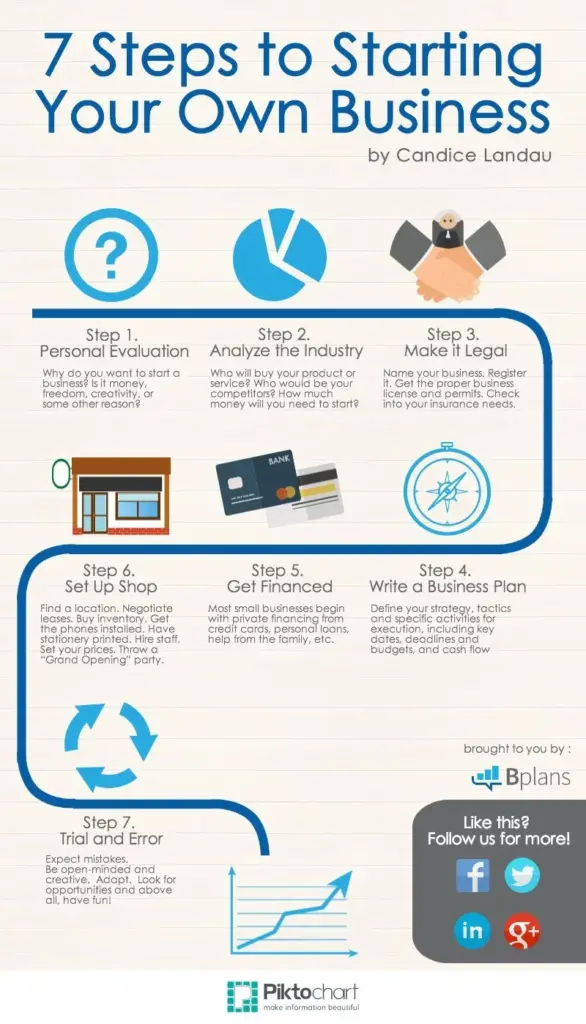
To start your own business, follow these key steps: 1) Conceptualize a viable business idea; 2) Create a comprehensive business plan; 3) Choose an appropriate business structure; 4) Register your business; 5) Set up your finances; 6) Build your brand; 7) Market your business effectively; and finally 8) Launch and monitor your operations.
How can I generate good business ideas for starting my own business?
Generating business ideas involves assessing your skills and interests, analyzing market needs, and identifying gaps in existing services or products. Utilize tools like Google Trends and social media to perform market research, helping to evaluate potential demand and competition.
What components should be included in my business plan when starting a business?
A comprehensive business plan should include an executive summary, company description, market analysis, organizational structure, marketing strategy, funding request, and financial projections. These components guide operations and attract investors.
What is the importance of market research when starting a business?
Market research is crucial when starting a business as it provides insights into industry trends, target demographics, and competition. This information aids in shaping your business strategy, ensuring you address real customer needs and differentiate your offering.
How do I decide on the right business structure for my startup?
Selecting the right business structure is vital for liability and tax implications. Common types include sole proprietorships, partnerships, limited liability companies (LLCs), and corporations. Consider consulting a legal professional to determine which structure best fits your business goals.
What are effective marketing strategies for starting a new business?
Effective marketing strategies include utilizing social media platforms for engagement, leveraging content marketing to establish authority, implementing email marketing for customer communication, and focusing on SEO to increase online visibility of your business.
How should I approach branding when I start my own business?
To build your brand, develop a unique logo reflecting your business identity, create a professional website to showcase your offerings, and integrate social media into your marketing strategy. Consistent branding enhances customer recognition and loyalty.
| Step | Description |
|---|---|
| 1. Conceptualize Your Business Idea | Generate a viable business idea through market research and consideration of personal skills and interests. |
| 2. Create a Business Plan | Draft a comprehensive business plan that includes an executive summary, market analysis, financial projections, and marketing strategy. |
| 3. Choose a Business Structure | Select the right business structure (Sole Proprietorship, Partnership, LLC, Corporation) based on your liability and tax considerations. |
| 4. Register Your Business | Choose a business name, apply for licenses and permits, and obtain an EIN if hiring employees. |
| 5. Set Up Your Finances | Open a business bank account, choose accounting software, and develop a budget for expenses and potential revenue. |
| 6. Build Your Brand | Create a unique logo, professional website, and engage on social media to establish your brand identity. |
| 7. Market Your Business | Utilize social media, content marketing, email marketing, and SEO to attract and retain customers. |
| 8. Launch Your Business | Plan a launch event and use promotions to create excitement and draw in early customers. |
| 9. Monitor and Adjust | Regularly assess business performance and adjust strategies based on customer feedback and sales metrics. |
Summary
To start your own business, you can follow a well-laid out plan to ensure success. This journey is filled with excitement as you harness your creativity and passion. Remember, conceptualizing an innovative idea is just the start. Building a solid business plan and carefully selecting your business structure are vital in laying a firm foundation. Don’t overlook the importance of leaving room for adjustments as you grow. By consistently monitoring your progress and adapting to market needs, you not only enhance your likelihood of success but also become a resilient entrepreneur. So, get ready to take that first step and turn your entrepreneurial vision into reality!

