Listen to this article
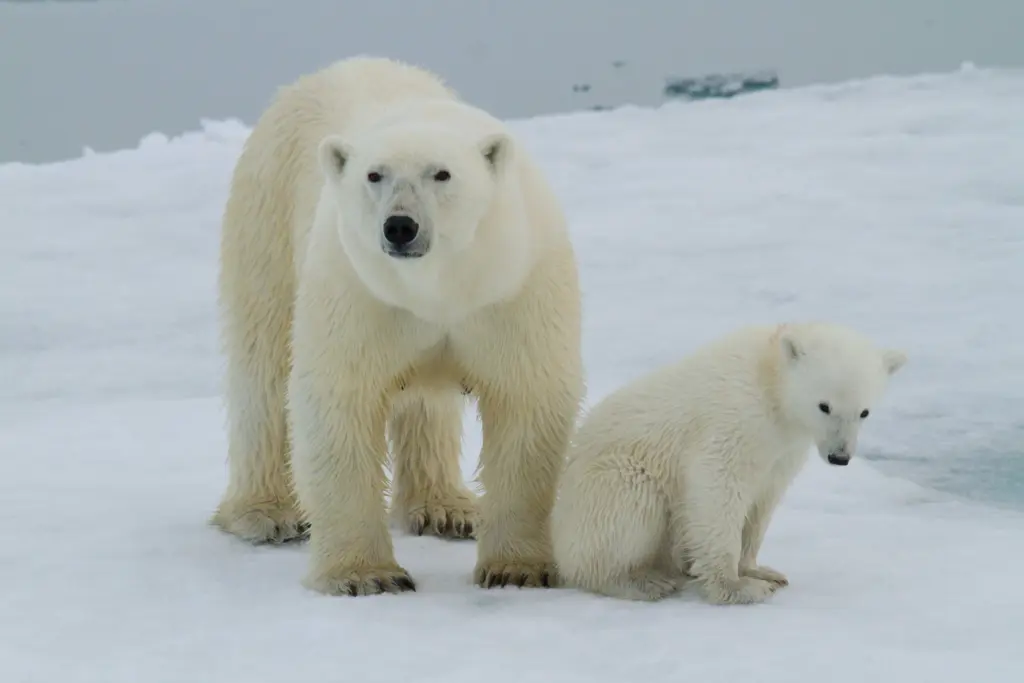
Polar bears in Svalbard are experiencing a surprising surge in health and body condition despite the alarming decline of sea ice caused by climate change. This northern archipelago, home to a significant population of these majestic Arctic mammals, has shown that polar bears can adapt their diet to include more land-based prey, such as reindeer and walruses. As they increasingly rely on these alternative food sources, scientists are observing an uptick in polar bear health, contradicting earlier expectations regarding the impacts of climate change on these animals. While Svalbard wildlife faces many challenges due to warmer temperatures, the resilience displayed by polar bears in adapting their hunting habits is both fascinating and encouraging. However, the ongoing effects of climate change may still pose a long-term threat to their survival as they continue to face diminishing ice habitats.
The fascinating behavior of polar bears in the Svalbard archipelago highlights the adaptability of these Arctic creatures to changing environmental conditions. As climate shifts have altered ice availability, these bears have found new nutritional sources that may include local wildlife, further complicating the understanding of Arctic ecosystems. Observations from recent studies suggest that their health and body fat levels have surprisingly improved, but the future remains uncertain as the impacts of climate change loom over their traditional hunting grounds. The delicate balance of the Arctic environment will continue to influence polar bear diets and overall health, making continued research invaluable. Understanding how these magnificent animals navigate the challenges presented by a warming world is critical for their conservation and the protection of Svalbard’s unique wildlife.
The Resilience of Polar Bears in Svalbard
Despite the alarming loss of sea ice due to climate change, polar bears in Svalbard have shown remarkable resilience. Researchers have discovered that since the early 1990s, these majestic animals have become fatter and healthier, contradicting the expectations of scientists who predicted a decline in health due to reduced hunting platforms. The adaptation of Svalbard’s polar bears illustrates their ability to thrive in a changing Arctic environment, primarily by diversifying their diet to include land-based prey such as walruses and reindeer.
This unexpected trend highlights the complexity of the Arctic food web. While polar bears typically depend on sea ice to hunt seals, the increasing availability of alternative food sources may have bolstered their health. The nutritional benefits of a varied diet, especially in the presence of a recovering walrus population, provide valuable insights into polar bear ecology and their ability to adapt to changing environmental conditions.
Frequently Asked Questions
What is the current health of polar bears in Svalbard as climate change affects their habitat?
Recent studies indicate that polar bears in Svalbard are currently fatter and healthier despite sea ice loss due to climate change. This is attributed to their adaptation in diet, including consuming more land-based prey like reindeer and walruses.
How has the decline of sea ice impacted polar bear diets in Svalbard?
The decline of sea ice has led Svalbard polar bears to adapt their diets, allowing them to hunt alternative prey such as walruses and reindeer, thus maintaining their health during ice loss.
What do scientists say about the impact of climate change on polar bear populations in Svalbard?
While polar bears in Svalbard have shown short-term health improvements, scientists warn that the long-term impact of climate change, particularly rising temperatures and further ice loss, poses significant risks to their survival.
Are polar bears in Svalbard thriving despite climate change?
Yes, polar bears in Svalbard have showed signs of thriving as many have become healthier and fatter. However, this trend may not last due to the ongoing impacts of climate change on their habitat and hunting opportunities.
What role do walruses play in the diet of Svalbard polar bears?
Walruses provide a new source of fatty food for Svalbard polar bears, helping them maintain health and fat reserves as they adapt to a changing Arctic environment and the loss of traditional hunting grounds.
What are the long-term effects of ice loss on polar bears in Svalbard?
The long-term effects of ice loss on polar bears in Svalbard are concerning, as reduced ice diminishes their hunting grounds and may lead to declined survival rates, particularly for cubs and older bears.
How many polar bears are there in Svalbard and how has their population changed?
Svalbard is home to a stable population of polar bears, which have shown signs of recovery since hunting pressures lessened. However, the ongoing effects of climate change remain a significant threat to their long-term viability.
What challenges do polar bears in Svalbard face due to climate change?
Challenges faced by polar bears in Svalbard due to climate change include longer ice-free seasons, increased energy expenditure to hunt, and potential declines in cub survival rates as their nutritional needs shift.
How do warmer temperatures affect polar bear cubs in Svalbard?
Warmer temperatures contribute to more ice-free days, which have been linked to lower survival rates in polar bear cubs in Svalbard, illustrating the complex impacts of climate change on this vulnerable population.
What can we learn from the polar bear population in Svalbard regarding climate adaptation?
The polar bear population in Svalbard demonstrates that some species can adapt to changing conditions, but these adaptations may only be temporary solutions against the backdrop of ongoing climate impacts and the ultimate necessity of sea ice for their survival.
| Key Point | Details |
|---|---|
| Polar Bears’ Health | Polar bears in Svalbard are surprisingly fatter and healthier despite declining sea ice. |
| Research Findings | Research conducted from 1992 to 2019 on 770 bears showed significant weight increases. |
| Diet Adaptation | Bears are consuming more land-based prey, including reindeer and walruses, due to less sea ice. |
| Impact of Ice Loss | Increased global temperatures have led to more ice-free days, affecting cub survival rates. |
| Population Dynamics | Walrus populations have recovered due to protections, providing additional food sources for bears. |
| Concerns for Future | Long-term survival of polar bears is still at risk due to continuing ice loss. |
Summary
Polar bears in Svalbard present a complex narrative as these majestic creatures appear to be thriving in health and weight despite significant sea ice loss. This unexpected development underscores the adaptive behaviors of polar bears in response to environmental changes. However, experts warn that this is likely a temporary boon, as the long-term implications of diminishing ice cover threaten their survival. With ongoing research necessary, the future of polar bears in Svalbard remains a critical focus for scientists.