
Listen to this article
In today’s evolving marketplace, sustainable business practices have become essential for companies aiming to thrive while protecting the environment. Going green is not merely an ethical choice; it’s also a smart business strategy that can enhance profitability in sustainability. By adopting eco-friendly business methods, organizations can boost their brand loyalty, attract conscious consumers, and gain a competitive edge. This introduction to sustainable business practices outlines the impactful strategies that not only benefit the planet but also contribute to long-term financial success. Join us as we delve deeper into how embracing green business strategies can pave the way for sustainable growth.
As we navigate the 21st century, the implementation of environmentally responsible approaches in corporate settings has risen to the forefront of business strategy. Known by various terms, such a commitment encompasses everything from eco-conscious operations to corporate sustainability planning. These alternative terms underline a commitment to minimizing ecological footprints while promoting social equity and economic viability. The transition towards these practices not only satisfies a growing consumer demand for transparency and sustainability but also aligns businesses with the values of a more environmentally aware society. Let’s explore the meaningful transitions that define these modern approaches to corporate responsibility.
Understanding Sustainable Business Practices and Their Impact
Sustainable business practices encompass various strategies aimed at minimizing environmental impact while ensuring economic viability. Companies that adopt these practices often find themselves not only reducing their ecological footprints but also enhancing their operational efficiencies. For instance, businesses can benefit from using renewable resources and implementing energy-saving technologies that decrease waste and lower costs. As organizations shift towards more sustainable models, they often discover a newfound clarity about their operations that enables them to make more informed decisions.
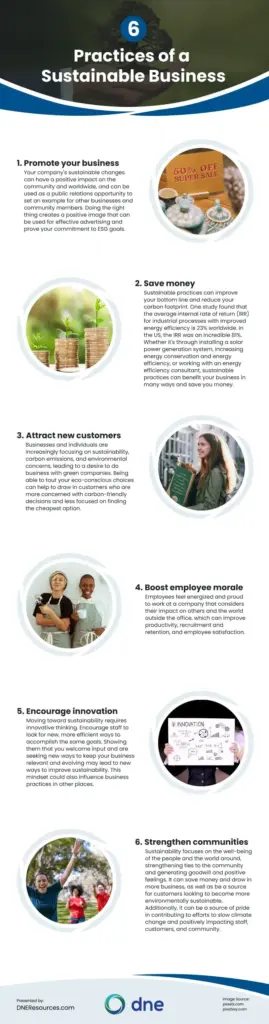
Furthermore, sustainable practices can have a profound impact on brand perception. Consumers are increasingly recognizing the importance of eco-friendly values, and businesses that uphold these principles tend to enjoy stronger loyalty from customers. Those companies effectively communicating their commitment to going green often experience enhanced brand reputation, resulting in higher sales. Hence, sustainable business practices are not merely a trend but a pivotal aspect of modern business strategy.
The Benefits of Going Green in Business
The benefits of going green extend far beyond environmental impact; they significantly influence a company’s profitability. Implementing sustainable measures can lead to impressive cost savings, primarily through reduced utility bills from energy-efficient installations, such as LED lighting and energy-efficient appliances. Many businesses report that their operational costs decrease over time as a direct result of these sustainable changes, allowing for reinvestment in innovation and growth.
Additionally, going green attracts eco-conscious consumers who are willing to pay a premium for sustainable products. By aligning with this growing consumer demand for eco-friendly business options, companies can potentially increase their profit margins. The modern market greatly favors brands that advocate for sustainability, creating a win-win situation where the environment benefits alongside profitability in sustainability.
Effective Green Business Strategies for Success
Implementing effective green business strategies is crucial for achieving long-term sustainability. One key approach is conducting a comprehensive sustainability assessment to identify inefficiencies and areas for improvement. By evaluating waste management practices and energy consumption, businesses can pinpoint specific actions they can take to move towards a greener footprint. This process not only fosters accountability but also lays the groundwork for measurable goals.
Additionally, setting clear and ambitious sustainability goals encourages commitment within organizations. Establishing SMART goals enables businesses to track their progress effectively and motivate employees to engage in eco-friendly practices. This encourages a culture of sustainability where every team member plays a role in achieving the company’s environmental objectives, ultimately reinforcing the desire to become a leader in sustainable growth.
How to Reduce Waste and Foster Sustainability
Reducing waste is a vital aspect of fostering sustainability within a business. Adopting the ‘Reduce, Reuse, Recycle’ framework allows companies to minimize their environmental impact at multiple levels. For instance, businesses can phase out single-use plastics and transition to recyclable materials in their packaging. This not only addresses consumer concerns about waste but can also significantly enhance a brand’s appeal by showcasing commitment to a greener approach.
Furthermore, the implementation of recycling programs in the workplace can engage employees and drive collective efforts toward sustainability. By encouraging staff to participate in these initiatives, companies can foster a culture that prioritizes ecological responsibility. Over time, as employees become more mindful of their actions, overall waste production decreases, contributing to both environmental benefits and improved company image.
The Role of Employees in Sustainable Business Practices
Engaging employees in sustainable business practices is essential for creating a culture of accountability and shared responsibility. Training programs that educate staff about the importance of sustainability not only enhance awareness but also inspire innovative thinking. When employees feel empowered to contribute ideas on how to reduce waste or improve efficiency, they are more likely to take ownership of sustainability goals.
Moreover, recognizing and rewarding sustainable behaviors promotes ongoing commitment to eco-friendly practices within an organization. Incentives such as bonuses for departments that meet or exceed sustainability goals not only motivate individuals but can lead to higher productivity and morale. Emphasizing the role of every employee in achieving sustainable success can create a unified front, making it easier for businesses to reach their environmental objectives.
Cost Savings Through Eco-Friendly Initiatives
The shift towards eco-friendly initiatives often leads to significant cost savings, creating a compelling case for businesses to go green. For instance, implementing energy-efficient practices can greatly lower energy consumption and reduce utility expenses. Furthermore, investing in renewable energy sources often comes with government incentives, thus alleviating initial costs. Over time, these investments start to pay for themselves through reduced operational costs.
Additionally, sustainable waste management strategies can also minimize disposal fees and raw material costs. By reusing materials and efficiently managing resources, businesses can conserve funds, allowing for reinvestment into other critical areas such as research and development. Thus, adopting green business strategies can not only enhance environmental responsibility but also reinforce financial health.
Building a Brand Image Around Sustainability
Establishing a brand image focused on sustainability can effectively differentiate businesses in a crowded marketplace. Companies that authentically showcase their commitment to eco-friendly practices often experience a surge in consumer loyalty. Initiatives such as supporting local sustainable suppliers or promoting transparency in supply chains resonate well with consumers looking for trustworthy, ethical brands.
Additionally, storytelling plays a crucial role in communicating sustainability efforts. By sharing their journeys toward eco-friendliness, brands can connect on a deeper level with their customers, turning consumers into advocates. As a result, building a brand around sustainability can facilitate customer retention and attract new clientele, ultimately leading to increased market share and sustained profitability.
Frequently Asked Questions
What are the key benefits of adopting sustainable business practices?
Adopting sustainable business practices can lead to numerous benefits, including cost savings through reduced energy consumption, increased brand loyalty as consumers favor eco-friendly businesses, and improved employee morale by fostering a socially responsible workplace.
How can a business effectively go green and reduce its carbon footprint?
A business can effectively go green by conducting a sustainability assessment to identify areas for improvement, sourcing sustainable materials, investing in renewable energy, and implementing waste reduction strategies, like recycling and reusing resources.
What role do consumers play in driving sustainable business practices?
Consumers play a crucial role in driving sustainable business practices as over 66% of global consumers are willing to pay more for eco-friendly products. Their demand influences companies to adopt green strategies and improve their sustainability efforts.
Are sustainable business practices financially viable for small businesses?
Yes, sustainable business practices can be financially viable for small businesses by lowering operating costs through initiatives such as energy efficiency and waste reduction. Over time, these practices can enhance profitability by attracting eco-conscious consumers.
What are some effective green business strategies for larger companies?
Larger companies can implement effective green business strategies by setting ambitious yet achievable sustainability goals, investing in green technologies, engaging employees in sustainability programs, and prioritizing collaborations with eco-friendly suppliers.
How can employee engagement influence sustainability efforts in a business?
Employee engagement significantly influences sustainability efforts because when employees are educated and motivated to participate in green initiatives, it fosters a culture of sustainability, resulting in innovative ideas and enhanced commitment to the company’s goals.
What challenges do businesses face when transitioning to sustainable practices?
Businesses may face challenges such as upfront costs of implementing sustainable technologies, resistance to change within the organization, and difficulty in sourcing sustainable materials. However, the long-term benefits often outweigh these initial hurdles.
| Key Points | Details |
|---|---|
| Defining Sustainable Business Practices | Sustainable business practices aim to minimize environmental harm while promoting economic and social wellness. |
| Importance of Sustainability | 1. Increased consumer demand for eco-friendly products. 2. Cost savings from energy efficiency and waste reduction. 3. Attracting talent, especially from younger generations. 4. Better regulatory compliance. |
| Steps to Implement | 1. Conduct a sustainability assessment. 2. Set clear, SMART goals. 3. Educate and engage employees. 4. Adopt reduce, reuse, recycle principles. 5. Source sustainable materials. 6. Invest in renewable energy. 7. Monitor and adjust strategies. |
| Financial Benefits | 1. Lower operating costs through efficiency. 2. Increased sales revenue from eco-conscious buyers. 3. Enhanced brand image leading to customer loyalty. |
| Examples of Success | 1. Patagonia’s commitment to recycled materials. 2. IKEA’s strategic sustainable initiatives. |
Summary
Sustainable business practices are increasingly seen as essential for modern enterprises. As we navigate environmental challenges, it’s vital for businesses to understand that adopting such practices not only benefits the planet but creates numerous advantages for their operations. Companies can enhance their profitability and brand loyalty through strategic sustainability efforts. By focusing on actionable steps, like assessing current practices and setting achievable sustainability goals, organizations can truly make a positive impact while also enriching their bottom line. Thus, embracing sustainable business practices is not just a trend; it’s a significant shift toward a resilient and responsible business model.

