
Listen to this article
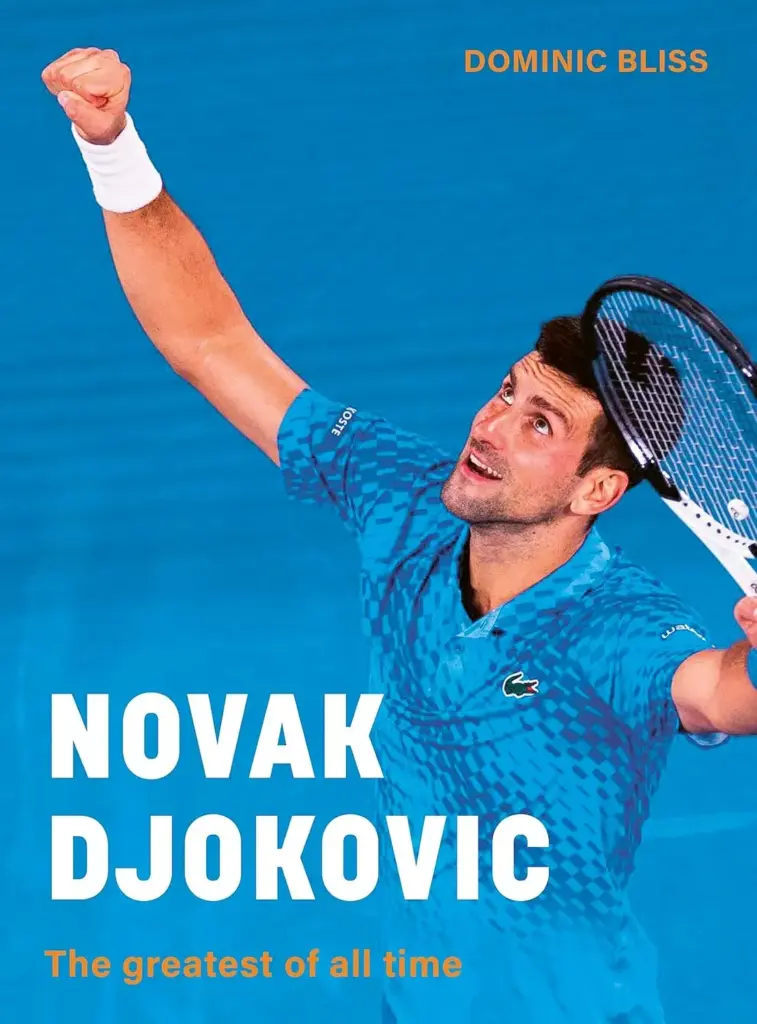
When discussing the greatest tennis players of all time, the name Novak Djokovic often rises to the top of the list, sparking debates among fans and analysts alike over his status as the greatest of all time. Known for his unparalleled achievements, Djokovic is on track to secure a remarkable 25th Grand Slam title, further solidifying his legacy in tennis history. His fierce competition with legends like Roger Federer and Rafael Nadal has not only redefined the sport but also inspired countless athletes worldwide. Patrick Mouratoglou, Serena Williams’ former coach, has openly declared Djokovic as the tennis GOAT, citing his mental toughness and meticulous approach as standout features that elevate him above his contemporaries. In this heated Federer-Nadal comparison, Djokovic’s ability to consistently dominate on all surfaces reaffirms his right to claim the title of the greatest of all time in the sport.
In the realm of professional tennis, the conversation surrounding the top athletes frequently centers on the incredible feats of players like Novak Djokovic, Roger Federer, and Rafael Nadal. Djokovic, often hailed as the ultimate tennis phenomenon, boasts an impressive record that includes numerous Grand Slam victories, positioning him prominently in the annals of tennis history. While comparisons between these three iconic players abound, experts like Patrick Mouratoglou highlight Djokovic’s unique attributes that set him apart from the competition. His unyielding determination and strategic played have fostered discussions not only about his career but also the overall evolution of the sport. As tennis enthusiasts reflect on these legendary careers, it becomes evident that Djokovic’s unmatched drive and accomplishments craft a compelling narrative in the quest for the title of the greatest in tennis.
Patrick Mouratoglou’s Take on Djokovic as the Greatest of All Time
In the highly competitive world of tennis, the debate surrounding the greatest of all time, or GOAT, often circles around legendary figures such as Roger Federer, Rafael Nadal, and Novak Djokovic. According to renowned coach Patrick Mouratoglou, who has featured prominently in discussions about basketball and tennis greatness, Djokovic stands out as the preeminent player in the history of the sport. Mouratoglou asserts that while Federer and Nadal have left indelible marks on tennis with their extraordinary skills, Djokovic’s unrivaled mental fortitude and dynamic style place him in a league of his own. As he competes for his 25th Grand Slam title, the consensus from the coaching elite hints that Djokovic’s relentless pursuit of excellence makes him the frontrunner in the tennis GOAT conversation.
The perspective from Mouratoglou is enhanced by observing Djokovic’s journey through tennis history and the formidable rivalry he faced over the years. Unlike his peers, Djokovic entered the sport during a time when Federer and Nadal were dominating the headlines and accolades, undermining the confidence of many aspiring players. However, Djokovic’s self-belief and unwavering determination not only disrupted that narrative but established him as a formidable contender. Mouratoglou emphasizes that Djokovic’s achievements go beyond mere titles; they resonate through the mental landscapes he navigated to carve his realm, solidifying his reputation as the most dedicated athlete in the sport.
Analyzing the Federer-Nadal Comparison in Context of Djokovic’s Achievements
The comparison between Roger Federer and Rafael Nadal presents a compelling narrative in tennis history. Federer is often celebrated for his elegance and artistry, while Nadal is revered for his fierce physicality and unwavering resilience on the court. However, amidst this rivalry, Djokovic has continuously broken records and achieved milestones that challenge the traditional views on greatness. Mouratoglou acknowledges that both Federer and Nadal brought unique attributes to their game, yet Djokovic’s achievement of 25 Grand Slam titles reflects the meticulous approach he brings to every match. This quantifiable success is a crucial aspect of the GOAT discussions, as numbers in the world of sports often speak volumes.
The juxtaposition of Federer and Nadal against Djokovic becomes even more interesting when considering their respective strengths and weaknesses. Federer’s genius and Nadal’s unparalleled work ethic set benchmarks in tennis that players can strive toward. Yet, it is Djokovic’s combination of adaptability, professional dedication, and tactical intelligence that empowers him to flourish within this iconic rivalry. Mouratoglou’s insights elucidate that while Djokovic may not display the same flair as Federer or the physical dominance of Nadal, his consistent performance across all surfaces and pivotal moments in major tournaments cements his legacy as the greatest of all time.
The Evolution of Djokovic’s Game Through Adversity
Novak Djokovic’s path to greatness was anything but linear. Starting from his initial Grand Slam victory in 2008, Djokovic had to overcome not only top-tier competitors like Federer and Nadal but also the heavy expectations and negativity that surrounded his rise. Mouratoglou reflected on how Djokovic’s early career was marked by skepticism and doubt, particularly when critics questioned his confidence and ability to win in a hyper-competitive environment. However, rather than succumb to this pressure, Djokovic emerged with an unwavering belief in his capabilities, which ultimately laid the groundwork for his current status as the most successful player in Grand Slam history.
As Djokovic honed his skills, he developed a unique playing style characterized by remarkable consistency and resilience. The evolution of his game is arguably shaped by the challenges he faced throughout his career. Mouratoglou highlights how this transformation was driven by an insatiable hunger to dominate the court. From mastering his serve to enhancing his return game, Djokovic personifies the ideal of athletic tenacity in tennis, demonstrating that greatness requires not only talent but also an adaptability to evolving styles and tactics on the court.
Understanding Djokovic’s Mental Strength in Tennis
Mental toughness is often cited as one of the defining characteristics of elite athletes. For Djokovic, this resilience is at the core of his success, allowing him to perform under pressure that would typically lead others to falter. Mouratoglou points out that in a sport where mental fortitude separates champions from contenders, Djokovic has consistently showcased his ability to harness pressure in pivotal moments. This unique mental approach places him in the upper echelons of tennis, where being unfazed by the stakes often defines a player’s potential to excel.
Djokovic possesses a self-belief that radiates confidence, sometimes perceived as cockiness. However, this confidence is well-earned through years of dedication and success. Mouratoglou recalls Djokovic’s early career challenges and how he learned to channel the detractors into motivation. This powerful narrative not only informs his gameplay but establishes a blueprint for aspiring athletes on the importance of mental grit in achieving greatness. Djokovic’s insight into managing expectations and pressure situates him as a figure of inspiration and aspiration in tennis, enhancing his legacy as the greatest of all time.
The Impact of Djokovic’s Professionalism on His Career
Novak Djokovic is often lauded for his professionalism, which Mouratoglou argues is pivotal to his sustained success over his rivals. While Federer showcases finesse and Nadal exemplifies physical prowess, it is Djokovic’s relentless focus on preparation and details that differentiates him as a perennial champion. His commitment to nutrition, fitness, and psychological readiness exemplifies a modern athlete’s approach to competing at the highest level. This unwavering dedication signifies that success in tennis, especially among the elite echelons, extends beyond talent and encompasses a holistic view of personal well-being and performance.
Djokovic’s professionalism has not only transformed his approach to the game but has also influenced younger players entering the circuit. By showcasing the importance of discipline and diligence, Djokovic sets a benchmark for future generations. His meticulous attention to areas like match preparation and recovery strategies reflects the evolution of tennis as a sport that demands comprehensive athlete development. This perspective cautions budding tennis stars on the importance of refining both skill and mind, reinforcing why Djokovic’s name sits comfortably at the summit of discussions about the greatest of all time.
Djokovic’s Titles: A Legacy Beyond Numbers
With each title he wins, Novak Djokovic reinforces his legacy as one of the most accomplished players in tennis history. As he aims for his 25th Grand Slam victory, discussions surrounding Djokovic’s achievements become increasingly significant as they add weight to the argument that he is the greatest of all time. Mouratoglou’s insights reveal that these accolades are not merely statistics; they represent a culmination of hard work, resilience, and the ability to conquer significant opponents under pressure.
However, the debate around greatness extends beyond the titles. Djokovic’s records, including his time spent as world No. 1 and his achievements across all surfaces, paint a fuller picture of an athlete who has consistently performed at an elite level. As the media and tennis enthusiasts engage in Federer-Nadal comparisons, the emphasis on Djokovic’s accomplishments serves to elevate his status, challenging the conventional measures of greatness in sports history. His trajectory illustrates that while numbers matter, the journey, context, and the evolution of talent are just as important.
Djokovic: The Resilient Competitor in Tennis History
Resilience is a crucial element in the making of a sports legend, and Djokovic embodies this trait throughout his career in tennis history. Facing the sustained prowess of both Federer and Nadal, Djokovic has not only endured but thrived in a fiercely competitive landscape. Mouratoglou articulates how Djokovic’s journey reflects a battle against the odds, particularly in a sport where every match is an opportunity for both triumph and defeat. His ability to withstand pressure and adapt his game relative to the competitors sets a profound example for future athletes.
Moreover, this resilience enables Djokovic to recover from setbacks, an essential characteristic that has allowed him to reclaim his spot at the top time and time again. The competitive landscape in tennis demands not only physical skills but also an unyielding mental attitude and a willingness to grow from experiences. This understanding of the duality of sports—embracing both victory and adversity—cements Djokovic’s presence in tennis history as not just a champion but as a resilient competitor who can inspire others to realize their potential.
The Future of Djokovic’s Legacy in Tennis
As Djokovic continues to chase his goals and set new records, the implications for his legacy in tennis become increasingly intriguing. Already recognized for an exceptional career characterized by numerous titles and accomplishments, the continued pursuit of greatness signals that his influence is far from over. Mouratoglou’s admiration for Djokovic reflects the broader impact he has had on the sport, inspiring young players to aspire to similar heights. The question now becomes: how will Djokovic’s legacy evolve as he navigates competitions against emerging talents?
The dynamic nature of tennis ensures that conservation of legacy is an ongoing prospect. Djokovic’s ability to impart wisdom to the next generation while battling established records will define the future narrative surrounding his status as a GOAT. As he faces new challengers and competes with unrelenting spirit, the story of Djokovic promises to captivate tennis fans and further solidify his importance in sports history. The dialogue surrounding his contributions will extend well beyond his active career, illustrating that the imprint he leaves on tennis will inform its evolution for years to come.
Frequently Asked Questions
What makes Novak Djokovic the greatest of all time in tennis?
Novak Djokovic is considered the greatest of all time (GOAT) in tennis due to his unparalleled achievements, including holding the record for the most Grand Slam titles and his ability to compete against legends like Roger Federer and Rafael Nadal. Patrick Mouratoglou highlights Djokovic’s exceptional mental strength and professionalism, attributing his success to his attention to detail and relentless pursuit of excellence.
How do Djokovic’s achievements compare with Federer and Nadal?
While Federer and Nadal have historically dominated tennis, Djokovic’s achievements position him as the greatest of all time. His record number of Grand Slam titles, head-to-head victories against both Federer and Nadal, and consistent performance across all surfaces underscore his legacy in tennis history, as noted by experts like Patrick Mouratoglou.
What is Patrick Mouratoglou’s opinion on Djokovic as the tennis GOAT?
Patrick Mouratoglou, a renowned tennis coach, firmly believes that Novak Djokovic is the greatest of all time, highlighting his incredible achievements throughout his career and his unique ability to maintain peak professionalism. According to Mouratoglou, Djokovic’s mental toughness and attention to detail differentiate him from his rivals, making him deserving of the GOAT title.
Why is Djokovic often discussed in the context of the Federer and Nadal comparison?
Djokovic is frequently compared to Roger Federer and Rafael Nadal because all three players have dominated men’s tennis for over a decade. Their historical rivalry has led to a unique narrative where Djokovic’s strengths, including resilience and adaptability, are juxtaposed against Federer’s finesse and Nadal’s physical prowess, fueling the debate about who is truly the greatest of all time.
What does Djokovic’s mental strength contribute to his legacy in tennis history?
Novak Djokovic’s mental strength is pivotal to his legacy, as it has allowed him to excel against formidable opponents like Federer and Nadal. His confidence and ability to overcome adversity, even when perceived as an underdog, further solidify his place as the greatest of all time in tennis. Patrick Mouratoglou emphasizes that this unshakeable self-belief has played a crucial role in his many achievements.
How did Djokovic’s entry into professional tennis affect the Federer-Nadal dominance?
Novak Djokovic entered professional tennis during a period dominated by Federer and Nadal, challenging the prevailing narrative that no one else could win Grand Slam titles. His breakthrough victory at the 2008 Australian Open marked a significant shift in tennis history, as he proved that competition could emerge from the shadows of these legends, eventually cementing his place as one of the greatest of all time.
What are the key factors that set Djokovic apart from Federer and Nadal?
Key factors that set Novak Djokovic apart from Federer and Nadal include his relentless professionalism, extraordinary mental fortitude, and versatility on various playing surfaces. Although Mouratoglou points out that Djokovic may lack some exceptional skills possessed by Federer and Nadal, his overall consistency, work ethic, and determination have elevated him to the status of the greatest of all time in tennis.
| Key Points |
|---|
| Roger Federer, Rafael Nadal, and Novak Djokovic have been dominant in men’s tennis for 15 years, collectively winning 66 Grand Slam titles. |
| Roger and Nadal have both retired (2022 and 2024), while Djokovic competes at 38 years old, aiming for Grand Slam title number 25. |
| Patrick Mouratoglou, Serena Williams’ coach, declares Djokovic as the greatest player of all time due to his exceptional achievements and mental strength. |
| Despite lacking certain skills compared to Federer and Nadal, Djokovic’s professionalism and attention to detail set him apart. |
| Djokovic started his Grand Slam journey in 2008, breaking the Federer-Nadal dominance at the time, showcasing incredible self-belief. |
| Mouratoglou highlights Djokovic’s confidence, stating that he believed he could win against the two giants, Federer and Nadal, despite initial skepticism. |
Summary
Djokovic greatest of all time is a widely discussed topic among tennis fans and experts alike. As the unparalleled achievements of Novak Djokovic unfold, his journey in tennis is not just about skill but his mental resilience and professional dedication. Having dominated the sport alongside legends like Federer and Nadal, Djokovic’s ongoing quest for excellence further cements his legacy as arguably the greatest of all time.

