Listen to this article
Gallbladder removal is becoming increasingly common, particularly in the context of rising weight-loss injections like Mounjaro and Wegovy. Recent statistics reveal that the number of gallbladder surgeries in England hit a record peak in 2024-25, attributed in part to complications arising from these injections and the gallstones they can create. Specialist surgeons, such as Ahmed Ahmed, are noticing that many patients appear to be suffering from gallbladder issues after undergoing rapid weight loss treatments. As gallstones are a known side effect of weight-loss drugs including Saxenda, the medical community is now questioning the relationship between these modern treatments and heightened surgical interventions. This surge in gallbladder removals raises important discussions about patient safety and the long-term implications of rapid weight management solutions.
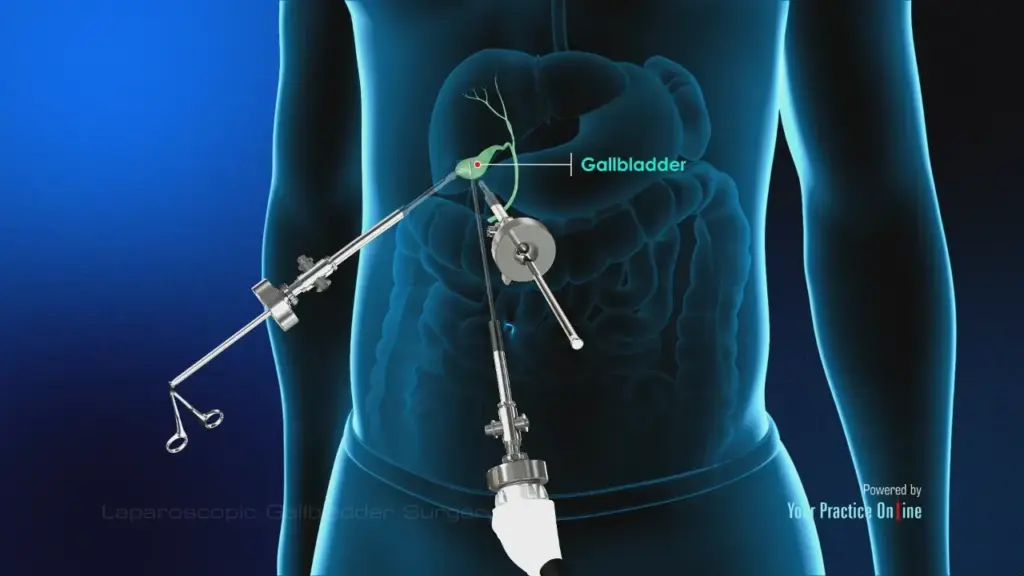
Cholecystectomy, commonly known as gallbladder removal, has become a focal point in discussions surrounding contemporary weight management therapies. With the approval of medications like Mounjaro, Wegovy, and Saxenda for weight loss, healthcare professionals are witnessing a spike in gallstone cases and subsequent surgical procedures. These procedures are often necessitated by the formation of gallstones, hardened deposits that can become problematic for individuals experiencing rapid weight loss. As the medical community delves deeper into understanding this correlation, it is crucial for potential users of weight-loss jabs to weigh the benefits against the risks associated with gallbladder health. The connection between these injections and gallbladder complications highlights the need for thorough medical guidance and ongoing research.
The Rise in Gallbladder Removals and Weight Loss Injections
In recent years, there has been a noticeable increase in the rates of gallbladder removals across the UK. Reports indicate that in 2024-25, NHS England conducted 80,196 gallbladder surgeries, marking a significant rise from the previous year. Many experts suggest a potential link between this surge and the rising popularity of weight loss injections such as Mounjaro, Wegovy, and Saxenda. While these injections have shown promise in aiding weight loss, there is growing concern over their side effects, particularly the development of gallstones, which are often cited as a common issue following the use of these drugs.
The presence of gallstones can lead to serious complications, prompting the need for surgical intervention. While weight loss itself is beneficial for many individuals, rapid weight loss, a side effect of these injections, can increase the likelihood of gallstone formation. Healthcare professionals, including surgeon Ahmed Ahmed, are advocating for further research into the causative factors driving this trend, asserting that understanding the relationship between weight loss injections and gallbladder health is crucial as usage of these medications continues to rise.
Frequently Asked Questions
What is gallbladder removal and why is it necessary?
Gallbladder removal, or cholecystectomy, is a surgical procedure necessary to treat conditions such as gallstones, which can cause pain and inflammation. In recent years, there’s been an increase in gallbladder removals associated with individuals using weight loss injections like Mounjaro, Wegovy, and Saxenda, as these can lead to the development of gallstones.
Are gallstones a common side effect of weight-loss injections?
Yes, gallstones are a commonly reported side effect of weight-loss injections such as Mounjaro, Wegovy, and Saxenda. These medications can lead to rapid weight loss, a known factor in the formation of gallstones, prompting an increase in gallbladder removals.
How can weight-loss drugs like Mounjaro increase the risk of gallbladder removal?
Weight-loss drugs like Mounjaro can increase the risk of gallbladder removal by causing rapid weight loss, which may promote the formation of gallstones. As doctors have observed, the use of these injections has coincided with a rise in gallbladder surgeries.
What should I know about the safety of gallbladder removal surgery?
Gallbladder removal is considered a common and safe procedure, but carries risks like any surgery, including potential for infection and blood clots. Discussing these risks with a healthcare provider is crucial, especially if you’ve experienced side effects from weight-loss injections.
Is there a recommended approach to prevent gallstones when using weight-loss injections?
To potentially reduce the risk of gallstones while using weight-loss injections, healthcare providers suggest losing weight in a controlled manner rather than rapidly, alongside maintaining a balanced diet.
What type of follow-up care should I expect after gallbladder removal?
After gallbladder removal, patients typically undergo follow-up care that includes monitoring for any complications, dietary adjustments, and gradual reintroduction of physical activity, all of which should be discussed with your healthcare professional.
Could my gallbladder removal affect my long-term health after using weight-loss injections?
Gallbladder removal after using weight-loss injections can have an impact on digestion, as the gallbladder plays a role in bile storage. However, many patients adapt well post-surgery and continue to benefit from their weight-loss journey.
What are the long-term implications of gallbladder removal related to weight-loss treatments?
Long-term implications of gallbladder removal for individuals who’ve used weight-loss treatments may include changes in digestion and risks associated with gallstone formation. Ongoing research is needed to fully understand these implications.
What should I do if I experience side effects from weight-loss injections?
If you experience side effects from weight-loss injections, such as symptoms of gallstones or abdominal pain, consult your doctor immediately. Reporting these effects to health authorities can also help ensure patient safety.
Are there any alternative weight-loss options that minimize gallbladder risks?
Alternatives to weight-loss injections that might minimize gallbladder risks include lifestyle modifications like diet and exercise. Consulting healthcare professionals can provide personalized strategies for effective weight management.
| Key Point | Details |
|---|---|
| Increase in Gallbladder Surgeries | 80,196 gallbladder operations performed in 2024-25, a 15% increase from the previous year. |
| Link to Weight Loss Injections | More patients report using weight loss drugs like Mounjaro before being diagnosed with gallstones. |
| Gallstones as a Side Effect | Patient leaflets state that gallstones are a common side effect of these injections. |
| Call for Further Research | Experts call for high-quality trials to investigate causation between injections and gallbladder issues. |
| Patient Experiences | While many have had positive outcomes with weight loss, others report severe complications like pancreatitis. |
| Advice from Surgeon Experts | Surgeons recommend discussing the risks and benefits of weight-loss injections with healthcare professionals. |
Summary
Gallbladder removal surgeries are on the rise, correlating with the increased usage of weight-loss injections. The connection between these injections and the development of gallstones requires more thorough investigation, as many individuals have reported complications after using these drugs. Although weight-loss injections have provided rapid benefits for some, it is crucial to weigh potential risks, including gallbladder removal. Speaking with healthcare providers is essential for those considering these treatments, ensuring informed decisions based on potential health impacts.