
Listen to this article
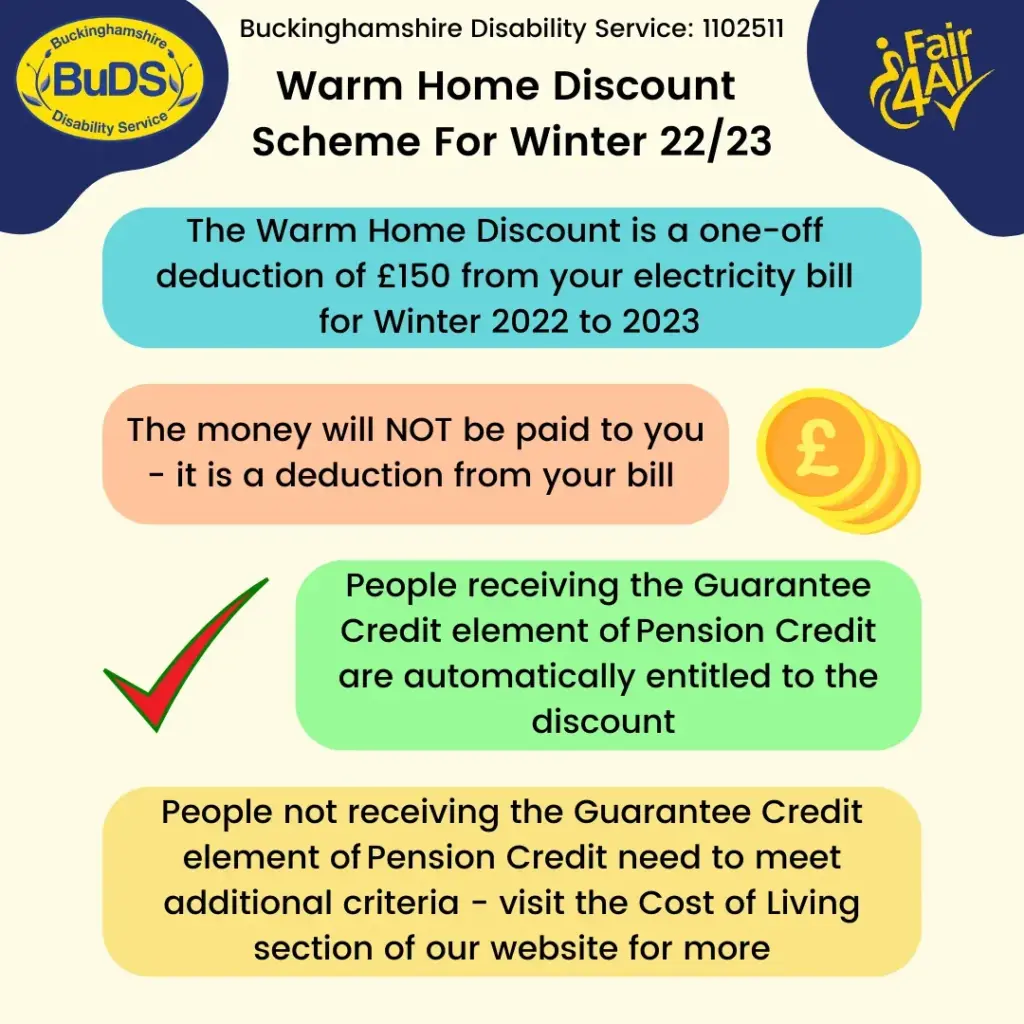
The Warm Home Discount is a crucial initiative designed to provide financial relief for millions of low-income households struggling with their energy bills. This government rebate, which offers £150 off winter bills, will continue for an additional five years, ensuring ongoing energy cost relief amidst the rising cost of living. Since its inception in 2011, the Warm Home Discount has significantly impacted the lives of many, especially during the cold winter months when energy usage tends to peak. With the government’s commitment to extend this energy assistance programme, vulnerable families can experience a much-needed alleviation of financial strain as they navigate their essential utility expenses. As energy costs remain a pressing concern, many hope that such measures will sustain support for those who need it the most.
The extension of the Warm Home Discount showcases a vital support mechanism for households facing economic hardships and rising energy costs. Often referred to as the energy rebate scheme, this programme aims to assist families by reducing the burden of utility expenses during the winter period. By continuing to provide financial assistance, the government acknowledges the challenges faced by low-income families and ensures they receive the help needed to manage their energy bills effectively. As discussions around energy assistance intensify, understanding alternative terms and frameworks becomes crucial in fostering a comprehensive dialogue about energy affordability and consumer protection. The potential impact of such initiatives could redefine how energy costs are approached, securing a brighter future for many in need.
Understanding the Warm Home Discount Program
The Warm Home Discount program is a government initiative designed to provide financial relief to low-income households by reducing their energy bills. By granting a flat discount of £150, the program aims to alleviate the financial burden of rising energy costs, especially during the harsh winter months. With the continuation of this program for another five years, millions of eligible households can look forward to significant savings on their seasonal energy bills. This vital support mechanism is essential for families who often find themselves struggling in today’s economy, where increasing energy prices can lead to difficult decisions about heating their homes.
Since its inception in 2011, the Warm Home Discount has evolved to help more households qualify based on their circumstances. Originally, eligible families had to apply for the discount, but recent adjustments will enable automatic rebates for many, particularly in Scotland. This intended simplification is not only designed to streamline access to the support but also to ensure that more families benefit from the government’s commitment to energy cost relief, an essential step in creating a fairer energy landscape for all.
Impact of the £150 Energy Bill Rebate
The announcement of a £150 rebate on energy bills represents one of the government’s strategies to ease financial pressures on low-income households. As utility costs rise, such rebates serve as a crucial lifeline for many, offering them some relief during the winter months when energy consumption spikes. Families receiving this discount will find it easier to manage their energy bills, mitigating the risk of falling behind on payments or facing disconnection due to unpaid debts. The government’s proactive stance on providing energy assistance reflects a necessary response to the financial stresses exacerbated by the ongoing cost-of-living crisis.
Moreover, the continuation of this program ensures that families can plan their budgets with greater certainty, knowing that they will receive predictable financial support over the coming winters. This benefits not only the households directly impacted but also assists in stabilizing the broader economy, as increased energy affordability empowers families to allocate financial resources to other critical areas, such as food and healthcare.
Enhancing communication about the program is also crucial, as any eligible households in Scotland who require assistance should reach out as per government instructions to secure their rebates. Ensuring that low-income families remain informed about available support is a vital component of energy bill discounts for them to truly benefit from these programs.
Government Strategies for Energy Cost Relief
The government’s extension of the Warm Home Discount plays a pivotal role in its broader strategies for energy cost relief. By proposing changes to how energy discounts are funded, such as transitioning from standing charges to unit rates, the government aims to create a fairer system that alleviates the financial burden on lower energy users and better supports struggling families. This approach addresses concerns that the previous model disproportionately affected those who consumed more energy due to larger households or usage needs.
While some critics express concern that modifications may undermine the effectiveness of the discount, the government remains steadfast in its commitment to enhancing energy assistance programs. By working with energy companies on improvements such as better targeting and tiered support, it endeavors to ensure that aid reaches those most in need, effectively transforming energy assistance into a more equitable system.
Critiques and Challenges of the Warm Home Discount
Despite the government’s positive steps toward a sustainable energy assistance program, there are valid critiques regarding the overall reach of the Warm Home Discount. Advocates for low-income households highlight that while the program provides essential relief, it does not address the needs of all families facing financial hardships due to escalating energy costs. There are still many households that fall through the cracks, hence emphasizing the necessity for continuous assessments and adaptations in policy to ensure comprehensive support that truly meets the needs of the most vulnerable populations.
Furthermore, as some members of the opposition have pointed out, while the Warm Home Discount aims to provide stability, there are concerns that the measures taken may not lead to long-term reductions in overall energy bills. Critics argue that without additional government intervention and strategies that prevent consumers from facing exorbitant charges year after year, the discount alone will not suffice to shield families from future energy crises.
Future Outlook for Energy Assistance Programs
As the deadline for consultations approaches, stakeholders from various sectors are keenly observing what the future holds for energy assistance programs such as the Warm Home Discount. The government’s promise to review and possibly make changes could significantly impact how these discounts are better structured to enhance their effectiveness. With considerable discussions surrounding the line between sustainability and support, the next steps will be crucial in not only keeping this vital program alive but also in ensuring that it adapts to the evolving landscape of energy needs.
Looking forward, the success of the Warm Home Discount and similar initiatives will hinge on the government’s ability to remain responsive to the ongoing challenges facing low-income households. Addressing the complexities of energy consumption, rising costs, and consumer safety can pave the way for innovative solutions that not only provide immediate relief but also foster long-term energy affordability, thereby creating a balanced energy economy that benefits all sectors of society.
Role of Charities in Energy Bill Support
Charities play an essential role in supporting low-income households navigate the complexities of energy assistance programs. Their outreach efforts are critical in helping families understand and apply for discounts like the Warm Home Discount, thus maximizing the benefits available to them. Many charities provide resources and guidance for consumers, ensuring they are aware of their eligibility and can access government rebates aimed at lowering their winter energy bills.
Additionally, these organizations often advocate for better policies and practices that can bolster energy cost relief mechanisms. By collaborating with the government and energy companies, charities amplify the voices of those whom the energy bills impact the most, seeking solutions that address systemic issues within the energy sector that contribute to hardships faced by low-income households.
Critical Importance of Consumer Awareness
Consumer awareness about energy assistance programs is increasingly vital in today’s economic climate. With various government-backed initiatives like the Warm Home Discount available, it is essential that families understand how these programs function and their eligibility criteria. Information dissemination is key; a lack of awareness can prevent many households from receiving critical support that can ease the financial burden of energy costs.
In addition, educating families on how to effectively manage their energy consumption can further enhance the benefits derived from government rebates. Knowledge regarding energy efficiency and usage can empower consumers to make informed decisions about their energy habits, ultimately leading to reduced bills and a more sustainable approach to energy consumption in their daily lives.
Collaborative Efforts for Energy Reform
As the debate surrounding energy assistance programs heats up, it is clear that collaboration will be pivotal in shaping future reforms. The government’s collaboration with energy suppliers and advocacy groups emphasizes a united front towards energy affordability. By engaging multiple stakeholders, including charities and consumer representatives, the government can create a more robust framework for addressing the challenges that low-income households face regarding energy bills.
Such partnerships can facilitate a deeper understanding of market dynamics and consumer needs, leading to more effective policies that not only provide immediate relief but also propel lasting change within the energy sector. With collective input, the potential to innovate and implement smart solutions that truly mitigate energy costs for the most vulnerable populations can become a reality.
The Role of Energy Suppliers in Providing Support
Energy suppliers have a critical role in administering the Warm Home Discount program. By directly applying discounts to qualifying customers’ energy bills, suppliers ensure that those eligible households receive the support without added administrative barriers. This streamlined approach is particularly beneficial in ensuring that the financial aid actually reaches the intended recipients, crucial in times where every penny counts.
Moreover, energy companies are responsible for implementing changes proposed by the government, such as the potential shift in funding from standing charges to unit rates. This shift could better distribute the burden of funding, allowing more significant contributions from higher energy users while safeguarding lower consumption households. How energy suppliers navigate these changes will heavily influence the program’s effectiveness and the overall experience for families relying on this vital assistance.
Frequently Asked Questions
What is the Warm Home Discount and how does it help lower energy bills for low-income households?
The Warm Home Discount is a government rebate program that provides eligible low-income households with £150 off their winter energy bills. This initiative, funded by energy suppliers, aims to assist families struggling to meet rising energy costs, helping them manage their energy expenses effectively.
How long will the Warm Home Discount be available to low-income households?
The Warm Home Discount will be available for an additional five years, extending until the winter of 2030/31. This extension aims to provide ongoing financial relief for the millions of low-income households facing high energy bills.
Who is eligible for the Warm Home Discount energy assistance programme?
Eligibility for the Warm Home Discount energy assistance programme typically includes low-income households receiving certain benefits or tax credits. Eligible households will receive the discount automatically if their energy supplier has over 1,000 customers.
How do I ensure I receive my Warm Home Discount for my energy bills this winter?
To ensure you receive your Warm Home Discount, check with your energy supplier for eligibility. If you received a letter instructing you to provide information, contact the helpline by the specified date, typically by February 27, to confirm your discount for the upcoming winter.
Is the Warm Home Discount separate from other energy cost relief measures?
Yes, the Warm Home Discount is distinct from other energy cost relief measures like the average £150 savings on energy bills announced by the government. While the Warm Home Discount provides direct assistance, other measures may not specifically target low-income households.
How is the Warm Home Discount funded and will there be any changes to its funding mechanism?
The Warm Home Discount is currently funded by energy suppliers through the standing charge. However, the government is considering a change to fund it through the unit rate of energy, which means customers with higher energy use may contribute more to the discount indirectly.
Can I apply for the Warm Home Discount if I live in Scotland?
Yes, low-income households in Scotland will now receive the Warm Home Discount automatically, aligning with the policies of England and Wales. This change eliminates the need for eligible households in Scotland to apply separately.
Why do some critics are worried about the effectiveness of the Warm Home Discount scheme?
Critics express concerns that modifications in how costs are covered could undermine the Warm Home Discount’s effectiveness. If costs shift from standing charges to unit rates, higher energy users might face increased bills, potentially reducing the support for those most in need.
| Key Information |
|---|
| The Warm Home Discount provides £150 off energy bills for low-income households |
| The scheme will be extended for five more years until the winter of 2030/31 |
| Over six million households will benefit from this discount |
| The discount is funded and distributed by energy companies to eligible customers |
| In 2023, 345,000 households in Scotland will automatically receive the rebate |
| Some households may need to provide additional information to receive the discount |
| The benefit is distinct from other savings announced in the Budget |
| Proposed changes to funding could raise costs for higher energy users |
| Critics express concerns over the effectiveness and reach of the scheme |
Summary
The Warm Home Discount is crucial for supporting low-income households by providing significant relief on energy costs. With the scheme’s extension, over six million families will continue to benefit from the £150 discount on their winter energy bills for another five years. This initiative is a welcome move amidst rising energy prices and ongoing cost-of-living challenges. While the government has proposed changes to how this discount is funded, it is essential to ensure that the support effectively reaches those who need it the most, without adding additional burdens on higher energy users. Overall, the Warm Home Discount plays a vital role in assisting vulnerable families during challenging times.

