Listen to this article
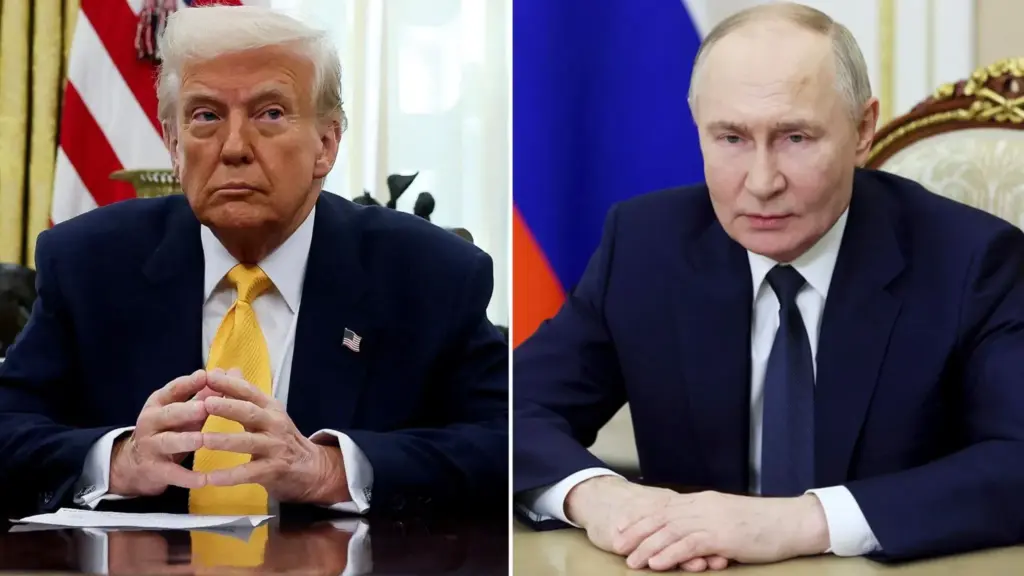
The recent Trump Putin agreement Ukraine has sparked significant dialogue in the realm of international relations, especially concerning the ongoing conflict in Ukraine. President Trump boldly claimed that Russian President Vladimir Putin has consented to a temporary ceasefire in the embattled capital of Kyiv and surrounding areas, aligning with the extreme winter conditions predicted to hit the region. This announcement has been met with cautious optimism, particularly from Ukrainian President Volodymyr Zelensky, who views it as a potential step towards stability amidst the intensifying Kyiv attacks. While the Kremlin has yet to confirm this agreement, the implications for US-Russia relations and the ongoing humanitarian crisis in Ukraine cannot be understated. As the season of bitter cold sets in, all eyes are on whether this truce will hold, granting much-needed relief to a population devastated by conflict and energy supply challenges.
The diplomatic discussions between the US and Russia regarding Ukraine have taken a new turn with the recent announcement concerning a potential pause in hostilities. This agreement, referred to as the Trump Putin accord on Ukraine, highlights efforts to enhance security for Ukrainian territories during the harsh winter months. President Zelensky’s response to these developments illustrates the fragile nature of peace talks, while the persistent threats from Russian engagements complicate US-Russia dynamics. As Kyiv braces for new challenges amidst freezing temperatures, the future of Ukraine’s stability remains uncertain, necessitating vigilance and supportive measures from global leaders. The situation underscores the urgent need for effective resolutions that prioritize the safety and welfare of those affected by the ongoing conflict.
Understanding the Trump-Putin Agreement on Ukraine
In a surprising turn of events, US President Donald Trump announced that Russian President Vladimir Putin has agreed to a temporary ceasefire concerning attacks on Ukraine’s capital, Kyiv, and other cities for one week. This agreement is seen as a gesture during an exceptionally harsh winter season when temperatures are expected to plummet. Trump’s assertion has sparked discussions about its potential impact on the ongoing conflict in Ukraine, where Russian attacks have inflicted severe damage on the country’s energy infrastructure. Critics question the credibility of such a pledge, especially given Russia’s historical pattern of military aggression since launching its full-scale invasion in 2022.
Ukraine’s President Volodymyr Zelensky responded positively to Trump’s announcement, acknowledging it as a significant statement that could enhance the security of Kyiv and surrounding areas amid the winter ordeal. The Ukrainian government has been under pressure to manage the fallout from continuous assaults on its infrastructure and civilians during icy conditions. While Russia has yet to confirm the agreement officially, the hope is that Putin will honor his commitment, thereby providing a much-needed respite for the beleaguered citizens of Ukraine.
The Implications of Kyiv Attacks During Winter
As temperatures drop dramatically in Kyiv, the reality of ongoing attacks by Russian forces poses a dire threat to civilians and critical infrastructure. The winter weather creates an added layer of difficulty for Ukrainians who are already grappling with power outages and fuel shortages. The city’s electrical companies work tirelessly to restore power after airstrikes, but these repairs are often short-lived due to the persistence of military assaults. The brutal conditions have left many without adequate heating or electricity, making the situation increasingly desperate.
The resilience of the Ukrainian people has been tested further during this winter season, a time typically associated with hardship due to freezing temperatures. Each successful attack on energy resources amplifies the anxiety among citizens, with many fearing for their safety and survival. With Russia’s ongoing operations, the need for a solidified peace or ceasefire becomes imperative, especially when the humanitarian needs peak during such extreme weather.
In light of these challenges, President Zelensky’s government has been exploring strategies to mitigate the humanitarian issues faced by its populace. The reciprocal actions discussed in earlier negotiations between Russia, Ukraine, and the US offer a glimmer of hope. By potentially pausing attacks on Russian oil refineries, Ukraine aims to promote a comprehensive agreement that could lead to a more stable situation for its citizens. However, this complex web of negotiations is fraught with skepticism as previous agreements have seen varying degrees of commitment. The political and military maneuvers occurring here will undoubtedly influence US-Russia relations moving forward.
Zelensky’s Response to the Ceasefire Announcement
President Volodymyr Zelensky’s reception of Trump’s announcement regarding the temporary halt of attacks reflects a sense of cautious optimism amid a complicated geopolitical landscape. Characterizing the agreement as an important statement for Ukraine, he emphasized the necessity of ensuring security in the midst of winter hardship. Zelensky’s military and cabinet officials are tasked with evaluating the potential impact of this announcement on the ground, weighing it against the backdrop of Russia’s continued military operations, which have raged on despite last week’s trilateral talks in the UAE.
Furthermore, Zelensky’s administration faces the daunting challenge of maintaining civilian morale while addressing the physiological states amplified by the harsh weather and ongoing insecurity. With citizens experiencing deep fatigue from constant threats, clear communication about security measures and potential ceasefires is crucial. Despite his optimistic words, the uncertainties surrounding Russia’s promises and the constant fear of attacks necessitate an astute management of public sentiment during these dire times.
Challenges of Energy Infrastructure in Ukraine
The relentless attacks on Ukraine’s energy infrastructure by Russian forces have severely hampered the country’s ability to provide basic services during winter. The prolonged military conflict has led to significant damage, resulting in power outages that leave millions without heating or electricity. Repair crews work around the clock to restore power, but their efforts often succumb to new assaults, leaving cities like Kyiv vulnerable during the most severe weather conditions. With temperatures looming around -24°C, the urgency of repairing energy systems has never been greater.
The strategic targeting of energy facilities also highlights a broader tactic by Russia to undermine the resilience of Ukrainian cities. Every time power is restored, the residents are faced with uncertainty as airstrikes could render those efforts moot again within hours. This cycle of attack and repair is not just an assault on infrastructure; it is an attack on the morale of the people. Moving forward, international support in terms of energy resilience and infrastructure fortification is critical, especially during these winter months when every degree of warmth counts for survival.
US-Russia Relations Post-Agreement
The potential agreement between Trump and Putin regarding a pause in military operations could mark a pivotal moment in US-Russia relations—one that reflects the complexities inherent in global diplomacy. As various parties involved in the conflict grapple with the evolving dynamics, it’s clear that any semblance of peace depends heavily on mutual trust and timely communication. The discussions conducted recently in the UAE between Russia, Ukraine, and US negotiators offer a channel to evaluate these relations, shedding light on the prospects for stabilization.
Although there is optimism surrounding Trump’s announcement, skepticism remains rife due to the historically fractious nature of US-Russia ties. The fragile state of affairs indicates that any agreements will need rigorous monitoring and implementation strategies to ensure compliance from all parties involved. Only time will tell if this moment sets the stage for a more amicable resolution or entrenches ongoing tensions.
Historical Context of Previous Ceasefires
The concept of ceasefires in geopolitical conflicts is not new, but history shows that the effectiveness of these agreements often depends on the willingness of both sides to adhere to the terms. Looking back at the ongoing conflict in Ukraine since the Russian invasion began in 2022, there have been numerous attempts at establishing peace, with varying degrees of success and failures. Previous ceasefires have often been short-lived and violated, leaving communities in worse states than before. Thus, as Trump promotes the idea of a ceasefire lasting a week, many are justifiably weary based on past experiences.
Understanding the historical context helps put Trump’s announcement into perspective. The frequency of temporary halts only to return to skirmishes undermines the public confidence in the political exchanges occurring now. In discussions with Putin, Trump may have strategized based on the failures of past agreements, seeking to create more tangible outcomes that provide significant relief to Ukrainians suffering during the winter. However, history reminds us that diplomacy should involve cautious optimism, particularly amid aggressive military posturing that often undermines peace efforts.
The Humanitarian Crisis in Ukrainian Cities
The ongoing conflict has led to an unprecedented humanitarian crisis across Ukrainian cities, especially during the unforgiving winter months. Millions are facing challenges that extend beyond mere survival: lack of food, shelter, heating, and security are daily realities for many. As Russian aerial attacks repeatedly target energy installations, the ramifications are felt in every household, with citizens navigating a landscape fraught with danger and deprivation. This winter’s harsh conditions exacerbate the situation, pushing the most vulnerable populations into despair.
International organizations and local authorities are actively working to mitigate the impacts of these crises, but their efforts can seem futile in the face of continuous military aggression. Ensuring humanitarian aid reaches those in need remains a primary concern, alongside restoring infrastructure. Every statement from leaders about pauses in attacks offers a narrow beam of hope, but tangible, actionable agreements and widespread humanitarian support are essential to truly address the needs of the affected populations.
Zelensky’s Outlook amid International Negotiations
As Ukraine continues to navigate the complexities of ongoing negotiations for peace, President Zelensky remains a pivotal figure in representing the aspirations and needs of his nation. His acknowledgment of Trump’s ceasefire announcement showcases a blend of cautious hope and firm resolve. While expressing gratitude, Zelensky also emphasizes the importance of following through on agreements made by world leaders to secure the safety of Ukrainians. The international negotiations that have taken place, especially in the wake of significant meetings in the UAE, highlight the vital role diplomacy plays in seeking resolutions.
Zelensky understands that true peace will require sustained commitment from all parties involved, especially from Russia. His approach reflects the dual necessity of securing immediate humanitarian assistance while also seeking a long-term solution that honors Ukraine’s sovereignty and territorial integrity. The fluctuating dynamics of international relations, particularly US-Russia relations beside efforts from allies, will heavily influence the outcomes of these negotiations. The path ahead remains uncertain, but Zelensky’s leadership is instrumental in galvanizing the Ukrainian spirit amid adversity.
Frequently Asked Questions
What is the latest on the Trump Putin agreement regarding Ukraine’s winter attacks?
US President Donald Trump announced that Vladimir Putin agreed to refrain from attacks on Kyiv and other Ukrainian cities for one week, coinciding with an extreme cold snap. Although Russia has not officially confirmed this agreement, Ukrainian President Zelensky acknowledged Trump’s statement positively. It is expected that both nations will observe a temporary ceasefire during this harsh winter.
How did President Zelensky respond to the Trump Putin agreement related to Ukraine?
President Zelensky expressed appreciation for President Trump’s announcement regarding the Trump Putin agreement to pause attacks on Kyiv and other cities during the extreme winter conditions. Zelensky viewed this as a significant step towards ensuring security for Ukrainian cities, emphasizing the importance of adhering to the commitment made by Putin.
Have there been any recent Kyiv attacks despite the Trump Putin agreement?
Despite the Trump Putin agreement to halt attacks for a week, there have been reports of continued assaults on Ukraine’s infrastructure. Russian attacks on energy facilities have persisted, exacerbating the winter struggles for the Ukrainian population. While negotiations suggest a potential pause, actual compliance has yet to be seen amid ongoing hostilities.
What are the implications of the Trump Putin agreement for US Russia relations?
The Trump Putin agreement signifies a potential thawing in US Russia relations, with an emphasis on dialogue and diplomacy. By advocating for a ceasefire during Ukraine’s extreme winter, Trump aims to reduce tensions and foster constructive discussion. However, the viability of this agreement depends on both sides’ willingness to honor their commitments.
What does the Trump Putin agreement mean for future negotiations about Ukraine?
The Trump Putin agreement could pave the way for future negotiations regarding Ukraine, marking a willingness from both sides to discuss peace amid ongoing conflict. Enhanced diplomatic efforts, supported by leaders like Zelensky, may lead to more comprehensive agreements addressing long-term US Russia relations and stability in Ukraine.
How might Ukrainian energy infrastructure be affected amid the Trump Putin agreement?
Even with the Trump Putin agreement proposing a temporary pause in attacks, ongoing Russian strikes on Ukraine’s energy infrastructure continue to pose significant challenges. These attacks have left millions without heating or electricity, necessitating an urgent response to restore power amid an already harsh winter.
What should we expect from Russia following the Trump Putin agreement and Zelensky’s response?
Following the Trump Putin agreement, expectations are cautiously optimistic. Zelensky’s positive response highlights a hope for compliance from Russia, yet uncertainty remains about whether Russia will truly adhere to the ceasefire, given the history of continued assaults during past cold weather conditions.
| Key Points | Details |
|---|---|
| Trump’s Announcement | Trump claims Putin agreed to a one-week pause in attacks on Ukrainian cities due to extreme cold. |
| Zelensky’s Response | Zelensky appreciates Trump’s announcement and hopes for Russia to honor the agreement. |
| Timing of the Pause | Trump did not specify when the pause would begin; temperatures in Kyiv will drop to -24°C (-11°F). |
| Russian Attacks | Despite conditions, Russia has been intensifying attacks on Ukraine’s energy infrastructure. |
| UAE Discussions | Russian, Ukrainian, and US negotiators held talks in the UAE, described as constructive, but no firm agreements. |
| Challenges for Ukraine | Despite repairs, electrical outages continue, leaving millions without heating or electricity. |
Summary
The Trump Putin agreement regarding Ukraine represents a significant development in the ongoing conflict. Trump’s announcement of a potential pause in attacks during the brutal winter months has been positively received by Ukrainian President Zelensky. However, with the lack of confirmation from Russia and continued assaults on Ukraine’s infrastructure, the situation remains precarious. As the cold weather challenges both sides, the effectiveness of this agreement will depend largely on the commitment from Russia to cease hostilities as promised.