
Listen to this article
In today’s rapidly changing marketplace, the **sustainable business model** has emerged as a vital strategy for entrepreneurs seeking long-term success. This approach not only aligns with the growing consumer preference for eco-friendly business practices but also fosters a holistic, ethical economy. By integrating sustainability into business operations, companies can enhance their brand loyalty and meet the increasing demands for responsible entrepreneurship. From implementing green business practices to developing a comprehensive sustainable business strategy, the potential for innovation is limitless. This guide sheds light on how to effectively create a sustainable business model that resonates with modern consumers and upholds environmental integrity.
The concept of a **sustainable business model** often overlaps with various terminologies such as eco-conscious entrepreneurship and ethical business practices. These terms encompass a wide range of strategies focused on creating enterprises that not only prioritize profit but also consider their environmental and social responsibilities. Emphasizing green business principles, these methodologies advocate for a balance between economic success and the well-being of the planet. Entrepreneurs today are increasingly adopting this holistic approach, aiming to drive positive change while ensuring their ventures thrive. This discussion will explore the fundamentals of crafting a business that champions sustainability in every aspect, from supply chain management to customer engagement.
The Importance of Sustainable Business Practices
With the growing global emphasis on environmental conservation, many consumers now seek businesses that practice sustainability. An eco-friendly business isn’t just a trend; it has become a necessity in today’s market. Adopting sustainable practices can help companies not only meet regulatory requirements but also enhance their brand reputation among environmentally conscious consumers. Such a shift can lead to increased loyalty and a broader customer base, making sustainability a vital component of modern business strategies.
Moreover, sustainable business practices contribute to the overall well-being of the community and the environment. By prioritizing eco-friendly materials and energy-efficient operations, businesses can reduce their negative impact on the planet. This conscious effort fosters a sense of responsibility, prompting other companies to adopt green practices as well, creating a ripple effect that can transform entire industries.
Creating a Sustainable Business Model
When embarking on the journey to create a sustainable business model, it’s imperative to incorporate ethical considerations into your core strategy. This means not only offering products or services that reduce environmental harm but also ensuring fair employment practices and community engagement. A sustainable business model sets the foundation for long-term success by ensuring that every aspect of the business prioritizes ecological and social viability, engaging consumers who are increasingly interested in the values behind their purchases.
However, to effectively establish this model, entrepreneurs should base their strategies on solid market research. Understanding the demographics that prioritize sustainability allows businesses to tailor their offerings to meet the specific needs of these consumers. By aligning your business goals with the principles of sustainable entrepreneurship, you create a compelling value proposition that resonates with your target audience.
Key Elements of a Sustainable Business Strategy
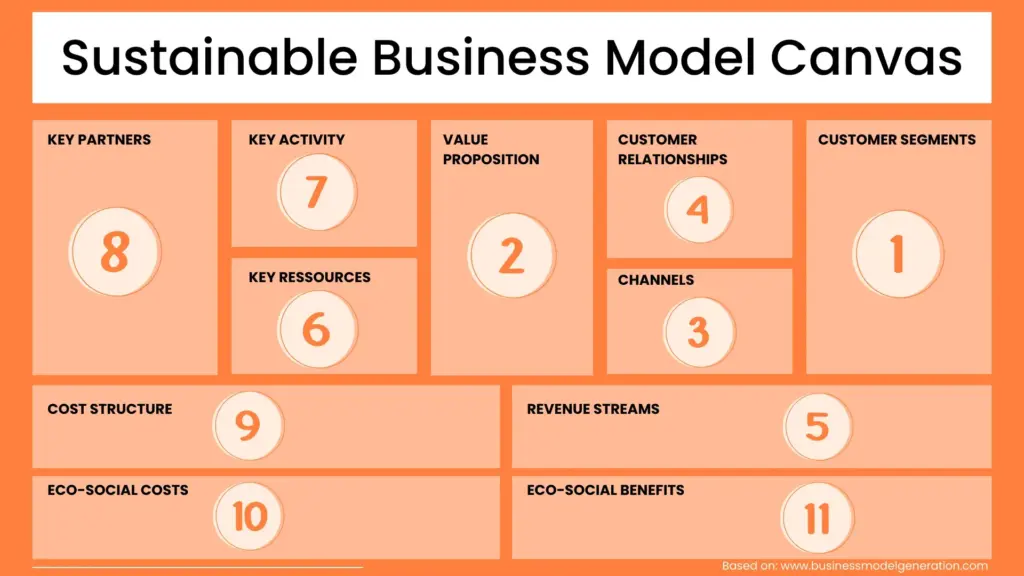
A sustainable business strategy includes several critical components, including a robust value proposition and effective supply chain management. Businesses must define how they create value while adhering to eco-friendly principles. This could include offering biodegradable products or using renewable resources. Furthermore, transparent supply chain practices enhance trust and customer loyalty, as consumers are more likely to engage with brands whose sourcing aligns with their values.
Additionally, identifying and serving customer segments that appreciate green business practices is fundamental. These segments are often willing to pay a premium for sustainable options, which can lead to more significant profit margins. As part of this strategy, companies should also ensure they are financially viable; that means balancing costs effectively while creating innovative sustainable solutions that lower expenses in the long run.
Engaging Stakeholders in Sustainability
Active stakeholder engagement is crucial for fostering a sustainable business model. By connecting with customers, suppliers, and community members, businesses can garner support for their eco-friendly initiatives. Building these relationships not only enhances the company’s reputation but also creates a network of advocates who can help promote and validate sustainable business practices.
Additionally, involving stakeholders in the decision-making process can lead to innovative ideas and solutions. By soliciting feedback and input from those directly impacted by your operations, businesses can improve their practices and better align their goals with community values and expectations. This collaborative approach can amplify the impact of sustainability efforts and strengthen brand loyalty.
Measuring Impact and Effectiveness
To ensure success in sustainable business practices, it’s vital to measure your impact. Implementing frameworks such as the UN Sustainable Development Goals (SDGs) can provide a structured approach to assessing environmental and social footprints. Regular evaluations allow businesses to track their progress, highlighting achievements and identifying areas for improvement.
Moreover, transparent reporting on sustainability goals can enhance credibility with consumers. Businesses that openly share their challenges and successes in the sustainability journey can build trust and encourage consumer engagement. This transparency can foster a loyal customer base that values companies making a genuine effort toward sustainability.
Overcoming Challenges in Sustainable Entrepreneurship
While sustainability offers numerous benefits, it comes with its set of challenges. For instance, the initial investment in sustainable materials or technology may seem daunting. However, businesses that navigate these challenges successfully often find that the long-term savings and brand loyalty justified the upfront costs. It’s important to adopt a forward-thinking mindset when considering these investments.
Moreover, consumer awareness poses another challenge. Many consumers are still indifferent to sustainability, making it essential for businesses to educate and engage their audience about the benefits of eco-friendly practices. This can be achieved through targeted marketing campaigns and storytelling, emphasizing not only the products but also the values behind the brand.
Inspiration from Successful Sustainable Businesses
Examining established companies that excel in sustainable practices can provide valuable insights for new entrepreneurs. For instance, Patagonia showcases how a commitment to environmental conservation can differentiate a company in a competitive market. Their focus on recycled materials and customer education demonstrates that sustainability does not compromise quality or brand loyalty.
Tesla is another remarkable example, as its business model revolves around sustainable energy solutions. By revolutionizing the automobile industry with electric vehicles, Tesla not only caters to a market need but also promotes cleaner energy usage. Their journey illustrates that with a clear sustainability mission, businesses can achieve extraordinary success while contributing positively to the environment.
Frequently Asked Questions
What is a Sustainable Business Model and why is it important?
A sustainable business model integrates social, environmental, and economic factors, prioritizing long-term impacts over short-term profits. It’s important because it helps businesses respond to increasing consumer demand for eco-friendly practices, ensuring resilience and ethical operations while minimizing harm to the planet.
How can I start an eco-friendly business focused on sustainability?
Start your eco-friendly business by conducting thorough market research, developing a sustainability-oriented value proposition, and creating a detailed business plan that aligns with green business practices. Implement sustainable methods from day one, focusing on waste reduction and resource efficiency.
What are the key elements of a sustainable business strategy?
The key elements of a sustainable business strategy include a clear value proposition centered on sustainability, responsible supply chain management, targeted customer segments that value eco-friendly practices, diverse revenue streams, and ongoing monitoring of social and environmental impacts.
What challenges do sustainable entrepreneurs face?
Sustainable entrepreneurs may face challenges like higher initial costs for eco-friendly materials, educating consumers about the importance of sustainable practices, and navigating regulatory requirements that may hinder sustainability efforts. However, overcoming these challenges can lead to long-term benefits.
How to effectively measure the social and environmental impact of my sustainable business?
To effectively measure social and environmental impact, establish metrics aligned with frameworks like the UN Sustainable Development Goals (SDGs). Regularly track progress, gather stakeholder feedback, and adapt strategies to enhance your business’s sustainability performance.
Can you provide examples of successful sustainable businesses?
Successful sustainable businesses include Patagonia, known for its eco-conscious outdoor apparel, Tesla, which revolutionizes the automotive industry with electric vehicles, and Warby Parker, which combines business with social responsibility through its buy-a-pair, give-a-pair model.
How does a sustainable business model contribute to profitability?
A sustainable business model can enhance profitability by reducing operational costs through efficient resource use and attracting a growing market of environmentally-conscious consumers. It fosters brand loyalty and resilience, which can lead to increased sales and long-term success.
| Key Element | Description |
|---|---|
| Value Proposition | Aligns product/service offerings with sustainability principles. |
| Supply Chain Management | Focus on environmentally friendly practices and fair labor standards. |
| Customer Segments | Target demographics that prioritize eco-friendly lifestyles. |
| Revenue Streams | Diverse revenue models, including sales and subscription options. |
| Financial Viability | Manage costs effectively while investing in sustainable practices. |
| Social and Environmental Impact | Measure and track impact using frameworks like UN SDGs. |
Summary
A sustainable business model is crucial for modern enterprises striving to meet both environmental and consumer demands. It seamlessly intertwines profitability with the pressing need for eco-friendly practices. By integrating essential elements, such as a strong value proposition and optimized supply chain management, businesses can thrive while contributing positively to the planet. Engaging customers who prioritize sustainability is key to capturing a vital market segment. As we move forward, understanding and applying the principles of a sustainable business model will not only help your venture succeed but also play an integral role in nurturing a healthier, more responsible economy.

