
Listen to this article
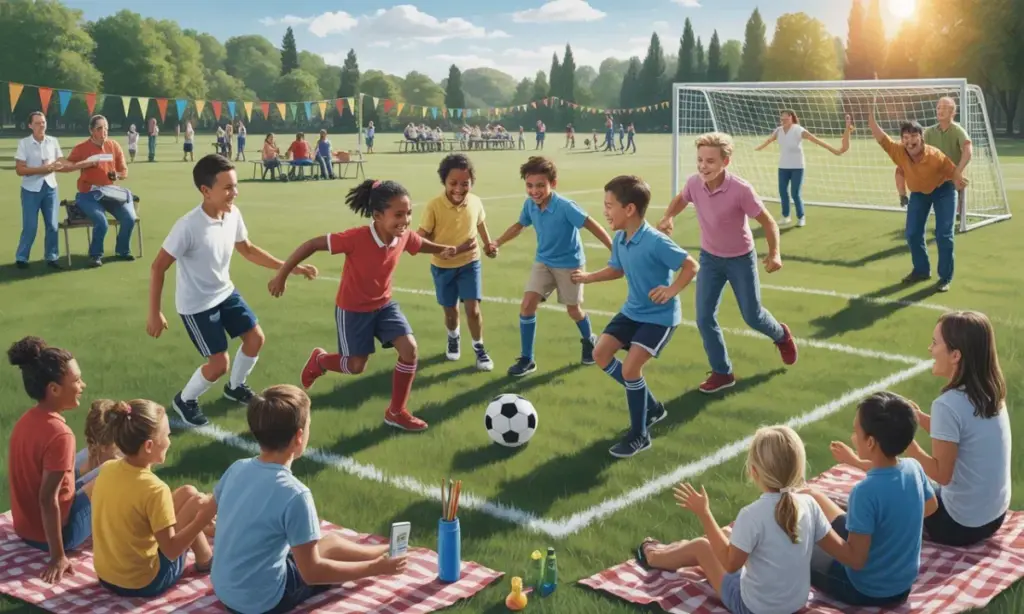
Sport has the remarkable capacity to foster community, uniting individuals from all walks of life through shared experiences and mutual interests. As local initiatives across the globe demonstrate, the importance of sports in community building goes far beyond mere competition; it creates platforms for social bonding and camaraderie. Community connection through sport not only enhances friendships but also promotes healthier lifestyles and collective well-being. Events like local leagues and tournaments serve as vital spaces for interaction, where inclusive sports programs cater to diverse participants, breaking down barriers during gameplay. In this blog post, we’ll delve into inspiring examples of how sports can effectively strengthen community ties, particularly through the lens of a case study from Greenwood, Indiana.
Engaging individuals through athletic activities plays a pivotal role in enhancing community relations. By utilizing recreational pursuits as a medium, towns and cities aim to cultivate a sense of togetherness and shared identity among residents. The dynamics of unity in sports create rich avenues for interaction, spiraling into deeper engagement beyond the playing field. This exploration will highlight the transformative potential of sports and its critical role in community enhancement, focusing on initiatives that leverage inclusive sports programs to bridge gaps and establish lasting connections among inhabitants. We will specifically analyze the case of Greenwood, Indiana, where these concepts have been put into practice effectively.
The Role of Sports in Promoting Community Engagement
Sports serve as a dynamic conduit for community engagement, bringing individuals together in shared experiences that foster mutual understanding and camaraderie. Events such as local tournaments and community leagues often draw large crowds, creating opportunities for interaction across different demographics. As people gather to cheer on their teams or participate in friendly competitions, they begin to cultivate relationships that transcend isolation, thereby enhancing community ties and building a collective spirit.
Moreover, sporting events can invigorate a sense of pride and identity in communities. Local citizens often rally around their teams, celebrating victories and supporting each other through defeats. This shared emotional investment helps reinforce the bonds among community members, leading to a vibrant local culture where collaboration and friendship flourish. Through these community-driven initiatives, sports become a cornerstone for civic engagement, encouraging active participation in broader societal issues.
Frequently Asked Questions
How can community connection through sport enhance relationships within a neighborhood?
Community connection through sport can enhance relationships by providing a shared platform for individuals to interact, participate, and bond over common interests. Local sports initiatives encourage teamwork and camaraderie, allowing residents to develop friendships that strengthen community ties.
What is the importance of sports in community building?
The importance of sports in community building lies in its ability to create inclusive environments where people from diverse backgrounds can come together. Sports foster social interactions, support networks, and a sense of belonging, which are essential for a cohesive community.
How do inclusive sports programs contribute to societal unity?
Inclusive sports programs contribute to societal unity by welcoming participants of all abilities and backgrounds, which helps break down social barriers. This inclusivity fosters understanding and respect among community members, promoting a culture of acceptance and collaboration.
What role does local sponsorship play in fostering community through sports?
Local sponsorship plays a crucial role in fostering community through sports by financially supporting teams and events, creating a sense of local pride. It encourages businesses to engage with residents, enhancing community investment and strengthening local bonds.
Why are community events important in building connections through sports?
Community events are important in building connections through sports as they provide opportunities for residents to meet, celebrate, and collaborate. Activities such as sports clinics and tournaments foster a shared experience that deepens relationships and enhances community spirit.
How does participation in sports improve mental health within a community?
Participation in sports improves mental health within a community by providing a social support network that reduces feelings of isolation and loneliness. Engaging in physical activity also releases endorphins, leading to improved mood and overall mental well-being.
What are the benefits of youth involvement in community sports programs?
Youth involvement in community sports programs offers numerous benefits, including the development of teamwork, discipline, and leadership skills. These programs also promote healthier lifestyles, mentorship opportunities, and help young people forge strong connections with their peers.
How can grassroots sports movements foster stronger community ties?
Grassroots sports movements foster stronger community ties by emphasizing local participation, inclusivity, and collaboration. They empower individuals to take initiative in creating and supporting sports activities that enhance social cohesion among community members.
What can communities learn from successful sports initiatives like Greenwood Unified Sports League?
Communities can learn from successful sports initiatives like the Greenwood Unified Sports League by prioritizing inclusivity, fostering local partnerships, and organizing regular events to engage residents. These strategies help create a strong sense of belonging and enhance community connection.
How do sports activities promote health and wellness in a community setting?
Sports activities promote health and wellness in a community setting by encouraging physical exercise and active lifestyles. They provide a fun and engaging way for individuals to stay fit while also fostering social interactions that support overall well-being.
| Key Points | |
|---|---|
| **Ability to Unite** | Sport transcends barriers of age, race, and social status, forging connections among community members. |
| **Importance of Community** | Sports provide a platform for social interaction and help develop friendships that can lead to community-wide support. |
| **Case Study Overview** | Greenwood, Indiana initiated the Greenwood Unified Sports League to enhance community engagement through sports. |
| **Inclusive Participation** | The league encourages participation from residents of all ages and abilities to foster community bonds. |
| **Local Support** | Collaboration with local businesses enhanced community pride and ownership of the sports initiatives. |
| **Community Events** | Regular events promoted engagement and strengthened social ties among residents. |
| **Positive Outcomes** | Participants reported improved social connections, mental well-being, and healthier lifestyles. |
| **Lessons Learned** | Inclusivity, local partnerships, and community events are key for successful sports initiatives to foster community. |
Summary
Sport is a powerful tool that can foster community and connection, as seen in the transformative experiences of the Greenwood Unified Sports League. This initiative illustrates how sports can unite individuals across diverse backgrounds, enhance their quality of life, and create a sense of belonging. By promoting inclusivity, encouraging community involvement, and offering engaging activities, local authorities and citizens can collaborate to build thriving communities through sports. As more cities recognize the significance of sports in nurturing social ties, the potential for fostering a stronger, healthier society continues to grow.

