
Listen to this article
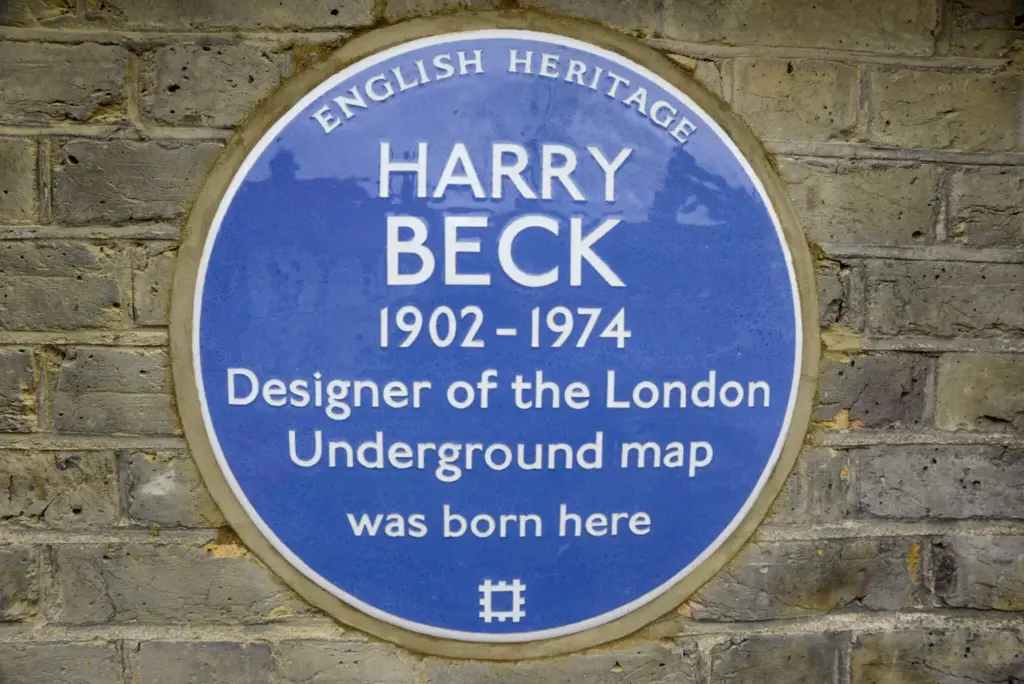
Blue plaques London are an iconic feature of the city’s cultural landscape, celebrating the remarkable contributions of famous London figures throughout history. These historical blue plaques serve as a testament to the vibrant London heritage, acknowledging those whose lives and achievements have shaped the capital. Recently, nine new plaques were announced, honoring individuals from various fields, including science, art, and social activism, showcasing the rich tapestry of cultural recognition London offers. Among those commemorated are legendary personalities like Sir Laurence Olivier and pioneering astronomer Cecilia Payne-Gaposchkin, each leaving an indelible mark on London’s identity. As the blue plaque scheme continues to evolve, it remains a crucial part of preserving London’s narrative, inspiring future generations to appreciate the lasting impact of its historical figures.
The iconic blue markers scattered across the cityscape serve to highlight the significance of notable individuals who have made lasting contributions to London’s rich history. Known as heritage plaques, these markers commemorate a wide range of influential figures, including artists, scientists, and activists, illustrating the diverse cultural fabric of London. The recent installation of new plaques aims to recognize trailblazers, ensuring their legacies live on in the public consciousness. Each plaque stands as a tangible reminder of the achievements that have shaped the city into a hub of ideas, creativity, and social change. As we delve into the stories behind these plaques, we uncover the remarkable narratives that continue to shape London’s legacy.
Celebrating London’s Heritage Through Blue Plaques
The installation of nine new blue plaques across London is not just an act of recognition; it is a celebration of the rich historical tapestry that defines the capital. Each plaque tells a story of individuals who have profoundly impacted the city’s cultural, scientific, and social landscape. Names like Sir Laurence Olivier and Jill Craigie will soon be added to London’s illustrious history, honoring their achievements and contributions. These historical blue plaques serve as a constant reminder of the significant figures who molded London into the vibrant metropolis it is today.
London heritage is intricately linked with the stories of those who lived within its walls. The blue plaques act as urban markers that guide both locals and tourists alike through the narrative of the city. The legacy of these famous London figures—from military strategists and anti-racism activists to pioneering scientists—underscores the importance of recognizing talents from all spheres of life, emphasizing the cultural richness that diversity brings to London.
Honoring Contributions to Science and Activism in London
Among the honorees, Cecilia Payne-Gaposchkin’s recognition emphasizes the groundbreaking contributions of women in science. Her work revolutionized our understanding of stellar compositions, showing that women have long played a vital role in the advancement of London art and science. Similarly, Kamal Chunchie’s advocacy for racial equality resonates deeply within the current societal context, reminding us that activism is a cornerstone of London’s identity.
The blue plaques serve not only to commemorate these individuals but also to inspire future generations. The acknowledgment of social reformers like Gertrude Tuckwell highlights the continued need for reform and advocacy in society. By showcasing the achievements of these remarkable figures, the plaques encourage a deeper appreciation for activism in London, showing that each voice can contribute to shaping collective progress.
Another remarkable individual celebrated is filmmaker Jill Craigie, known for her ability to challenge social norms through her work. Her films provide a lens into the struggles and triumphs of societal change, reinforcing the importance of cultural recognition in London. The historical blue plaques thus become a visual narrative in London’s ongoing dialogue about identity, art, and activism.
The Longevity and Impact of London’s Blue Plaque Scheme
Established in 1866, the blue plaque scheme has become a significant part of London’s cultural architecture, making it one of the oldest heritage initiatives in the world. Each plaque not only marks a location but also provides a historical insight into the lives of many who have influenced London’s development. This unique approach of celebrating individuals who shaped London underscores the city’s commitment to preserving its memorable past while educating the public about its historical significance.
As London continues to evolve, the blue plaques stand as timeless patrons of heritage and remember the contributions that have impacted the modern cityscape. With public suggestions shaping their installation, the blue plaques represent a collective effort to honor those who have been part of London’s story, reflecting both the city’s historical depth and its dynamic present.
How Blue Plaques Enhance London Tourism
The blue plaques also serve as a pivotal tool in enhancing London’s appeal as a tourist destination. For tourists, these plaques offer a unique way to engage with the history of the city, transforming mundane walks into historical journeys. Each plaque serves as a point of interest, offering insights into the lives of those who changed the course of London’s history. As visitors wander around the city, they are not merely sightseeing; they are partaking in a cultural pilgrimage that brings to life the stories behind these marked locations.
Moreover, these installations attract visitors to less traversed areas of London, igniting interest in neighborhoods that are rich with history yet often overlooked. This aspect of tourism, connected to the blue plaques, contributes positively to the local economy while enriching the cultural experience for tourists. In essence, the blue plaques are not just historical markers; they actively engage visitors in the legacy of London and promote a deeper appreciation for its cultural landscapes.
The Role of Community in Nominating Historical Figures
A notable feature of the blue plaque scheme is its reliance on public nominations. This inclusive approach allows community members to advocate for individuals whose contributions have been overlooked, democratizing the heritage acknowledgment process. Potential nominees must have been deceased for at least 20 years, fostering a sense of permanence and encouraging thoughtful nominations that reflect on the long-term impact of these historical figures. This grassroots participation strengthens community ties as individuals rally around the legacies of their local heroes.
By recognizing the voices of the community, the blue plaque scheme not only preserves history but also promotes educational opportunities concerning London’s diverse heritage. Residents are encouraged to explore the backgrounds of these figures, leading to a richer understanding of their contributions. This process aligns with the values of cultural recognition in London, ensuring that future generations remain aware of the notable achievements shaping their city.
The Diverse Fields Represented by Blue Plaque Honorees
The latest additions to London’s blue plaques showcase an astonishing range of disciplines, emphasizing the multifaceted nature of contributions within the city. From art to activism and science, the plaques encapsulate the diverse fields in which these notable figures excelled. For instance, recognizing military strategist Brigadier Dudley Clarke alongside renowned writer Stefan Zweig exemplifies the broad spectrum of talent that has emerged from London. This rich diversity underlines the city’s historical significance in various domains, reaffirming that innovation and excellence can be found across different spheres.
Recognizing individuals in different fields not only honors their achievements but also encourages a more comprehensive understanding of London’s cultural heritage. The stories behind each plaque serve to inspire future leaders, artists, and thinkers from varying backgrounds. In doing so, the blue plaque scheme inherently promotes an inclusive narrative that appreciates the dynamic interplay between arts, sciences, and civic activism within London.
The Process Behind Blue Plaque Selection
The selection process for blue plaques is meticulous and involves a thorough review by English Heritage. Nominations put forth by the public undergo careful scrutiny to ensure that the chosen individuals meet the historical significance required for this honor. This process emphasizes the importance of maintaining high standards in recognizing achievements that have fundamentally shaped London. Properties selected for plaque installation must have retained their original character, allowing the plaques to tell authentic and meaningful stories.
Once approved, the plaques are not merely attached to buildings; they become integral parts of the local landscape, inviting further exploration and historical contemplation. This dedication to preserving the integrity of the locations enhances the educational value of the blue plaques, offering insights into the lives that unfolded within those walls. Consequently, visitors can engage with both history and place, forging a connection that enriches their experience of London’s heritage.
The Future of Blue Plaques in London
As London looks to the future, the blue plaque initiative continues to adapt, aiming to represent a wider array of voices and contributions. The growing awareness of marginalized narratives has prompted discussions about expanding the criteria for nominations, considering figures who may have previously been overlooked. This evolution reflects a broader societal shift towards inclusivity and recognition, ensuring that the history of London remains as rich and vibrant as the city itself.
Furthermore, the continuing public interest in the blue plaques suggests that their relevance will remain strong moving forward. With urban landscapes constantly changing, the plaques serve as anchors to the past, guiding modern Londoners and visitors alike, ensuring that the stories of those who shaped London are never forgotten. The future of the blue plaque scheme looks promising, as it remains committed to honoring the diverse figures who have contributed to the cultural and historical narrative of this iconic city.
Frequently Asked Questions
What are blue plaques in London?
Blue plaques in London are commemorative markers installed on buildings to honor influential figures who contributed significantly to London’s heritage. They recognize significant achievements in fields like art, science, and social reform.
How is the blue plaque scheme in London managed?
The blue plaque scheme in London is managed by English Heritage, which installs plaques on buildings associated with famous London figures who have been deceased for at least 20 years. The selected buildings must also have retained their original exterior.
What criteria must a figure meet to receive a blue plaque in London?
To receive a blue plaque in London, figures must have made significant contributions to London’s cultural recognition, such as advancements in the arts, sciences, or social justice, and must have been deceased for at least two decades.
How can I nominate a person for a blue plaque in London?
To nominate someone for a blue plaque in London, you can submit a proposal to English Heritage. The nomination should include information about the individual’s achievements and relevance to London’s history and heritage.
Where can I find the new blue plaques recently installed in London?
You can find the new blue plaques installed in London by visiting the official English Heritage website or participating in walking tours that highlight the locations of these historical blue plaques.
What notable figures have recently been commemorated with blue plaques in London?
Recently, notable figures such as Sir Laurence Olivier, Jill Craigie, and Kamal Chunchie have been commemorated with blue plaques in London due to their impactful contributions in fields like film, activism, and social reform.
What is the historical significance of blue plaques in London?
The historical significance of blue plaques in London lies in their role in recognizing and celebrating the contributions of individuals who shaped London’s cultural and social landscape, making it the oldest scheme of its kind in the world since its inception in 1866.
How do blue plaques contribute to London’s cultural recognition?
Blue plaques contribute to London’s cultural recognition by highlighting the diverse achievements of famous London figures, thus educating the public about the city’s rich heritage and the individuals who helped shape its identity.
Can I visit the locations of blue plaques in London?
Yes, you can visit the locations of blue plaques in London, as they are generally placed on buildings where the recognized individuals lived or worked, allowing you to explore significant sites of London’s history.
What impact do blue plaques have on tourism in London?
Blue plaques enhance tourism in London by attracting visitors interested in history and culture, as they offer a unique way to learn about the city’s past through the stories of its notable figures.
| Person | Contribution | Field |
|---|---|---|
| Sir Laurence Olivier | Nominated for 11 Academy Awards, won three, including honorary awards. | Acting / Film |
| Jill Craigie | Known for influential films, such as ‘Out Of Chaos’ and ‘Blue Scar’. | Filmmaking |
| Brigadier Dudley Clarke | World War Two military strategist. | Military Strategy |
| Duse Mohamed Ali | Championing racial equality and activism. | Activism / Journalism |
| Kamal Chunchie | Supported Black and Asian communities, fought against racism. | Activism |
| Cecilia Payne-Gaposchkin | Contributed to understanding of the universe, paved way for women in science. | Astronomy |
| Gertrude Tuckwell | Improved conditions for working women. | Social Reform |
| Stefan Zweig | Writings on European culture and war’s impact. | Literature |
| Julia Margaret Cameron | Victorian-era photographer known for her artistic contributions. | Photography |
Summary
Blue plaques London serve as a lasting tribute to individuals who have had a significant impact on the city’s history and culture. The recent addition of nine new blue plaques not only honors notable figures such as Sir Laurence Olivier and Kamal Chunchie but also highlights the diverse contributions of artists, activists, and scientists to London’s rich narrative. These commemorative plaques not only recognize the past but also inspire future generations to appreciate the cultural and historical significance of their contributions to the city.