
Listen to this article
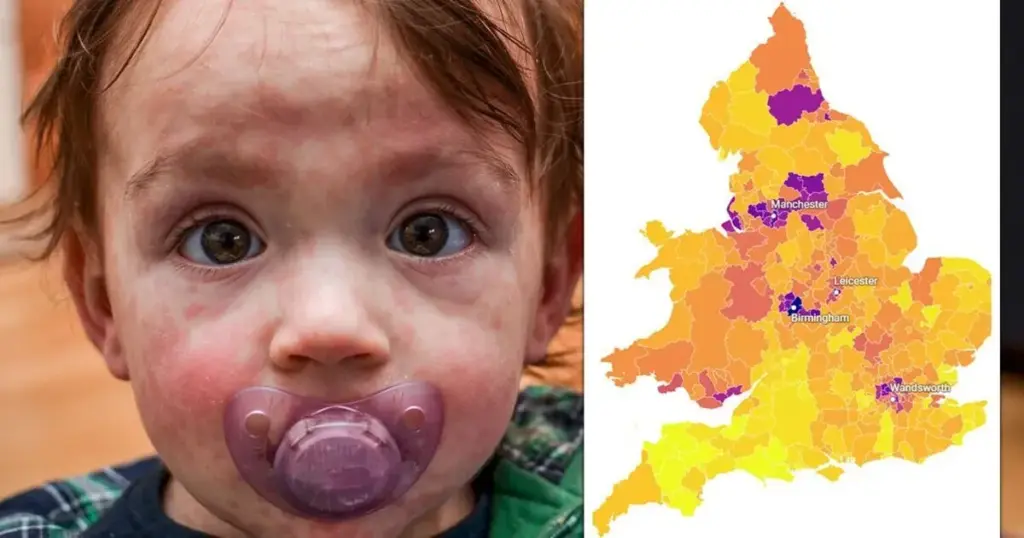
London measles hotspots have become a pressing concern as the city grapples with a resurgence of measles outbreaks London has not seen in years. The latest interactive map highlights these critical areas where vaccinations have faltered, leaving children vulnerable to this highly contagious virus. Alarmingly, the data reveals that unvaccinated children under ten are at the highest risk, with recent reports indicating significant spikes in London measles cases. Experts attribute this troubling trend to plummeting measles vaccination rates, raising questions about the community’s overall immunity. With the introduction of the MMRV vaccine, there is hope that vaccination efforts can be intensified to mitigate the impact of this disease and restore London to safe levels of protection against measles.
The resurgence of measles in London has led to an alarming number of infection hotspots across the city, prompting health officials to re-examine child vaccination statistics. Areas once considered safe are now at risk as public health authorities report a growing prevalence of measles cases, particularly among those who missed their vaccinations. This uptick in diseases signifies the urgency of addressing the declining rates of measles vaccination, particularly regarding the new MMRV vaccine that includes protection against chickenpox. To combat this outbreak, meticulous attention must be paid to improving immunization coverage and ensuring that all children receive their vaccinations on time. The situation underscores the need for comprehensive awareness campaigns to educate parents about the significance of vaccines in safeguarding children’s health.
Understanding the Rise of Measles Outbreaks in London
In recent years, London has seen a significant resurgence in measles cases, particularly among children under the age of ten. The rise in measles outbreaks is alarming, especially given the UK’s loss of its elimination status by the World Health Organization. Factors contributing to this rise include decreased vaccination rates and increased social gatherings as the pandemic measures have eased. Health authorities are becoming increasingly concerned about these trends, as endemic transmission of the virus poses a risk not only to children but to the broader population as well.
The situation has been exacerbated by the decline in measles vaccination rates across the region. Data shows that many children, and especially those in areas with high outbreak cases, are not receiving the recommended doses of the MMRV vaccine. With vaccination coverage dipping below the crucial herd immunity threshold of 95%, outbreaks are expected to continue. This uptick in infections demands urgent public health interventions to educate parents about the importance of timely vaccinations and to restore the community’s immunity against measles.
Frequently Asked Questions
What areas in London are currently experiencing measles hotspots?
Several areas in London have been identified as measles hotspots due to a significant rise in measles cases. Notably, Hackney had the highest number of laboratory-confirmed cases in 2025, totaling 133. Other boroughs with elevated measles cases include Haringey (34 cases) and Camden (33 cases). Historical data also highlights locations like Wandsworth, Harrow, and Croydon as major centers during outbreaks in previous years.
Why have measles outbreaks occurred in London?
Measles outbreaks in London have been attributed to declining vaccination rates, particularly among children. The UK Health Security Agency noted a drop in vaccination uptake to its lowest levels in a decade, with only 91.8% of five-year-olds receiving one dose of the MMR jab. The rate was even lower in boroughs like Hackney, where just 58.3% had received two doses by age five, highlighting the critical need for increased vaccination coverage to combat measles outbreaks.
How do measles vaccination rates impact outbreak levels in London?
Lower measles vaccination rates significantly contribute to the spread of the disease in London. As observed, herd immunity requires at least 95% vaccine coverage, yet many boroughs fall short of this target, leading to higher infection rates. The correlation between low vaccination uptake and increased measles cases emphasizes the importance of improving vaccination statistics to prevent future outbreaks.
What is the role of the MMRV vaccine in controlling measles outbreaks in London?
The MMRV vaccine, which replaces the MMR jab, aims to enhance protection against measles and includes coverage for chickenpox. Authorities emphasize that all eligible children need to receive two doses of the MMRV vaccine before school to achieve measles elimination. The NHS is promoting accessibility to the vaccine, including offering the second dose at an earlier 18-month appointment to improve vaccination rates and control outbreaks.
What actions are being taken to address measles cases in London?
To address the rising measles cases in London, public health agencies are intensifying efforts to boost vaccination rates. The UKHSA and NHS are working to simplify vaccination access, advocating for the new MMRV vaccine, and implementing campaigns to catch up older children and adults who missed vaccinations. Strategies are focused on increasing awareness and ensuring that eligible children receive their vaccinations on schedule.
What should parents in London know about measles vaccination for their children?
Parents in London should be aware that measles vaccination is critical to protecting their children and the community. They should ensure their children receive two doses of the MMRV vaccine, ideally before starting school. Awareness campaigns are underway, urging parents to check their child’s vaccination status and seek vaccinations to help combat the ongoing measles hotspots in the city.
| Key Points |
|---|
| The interactive map exposes London measles hotspots, highlighting areas where the disease is spreading. |
| The majority of new measles cases occur in children under 10 years old, particularly among unvaccinated individuals. |
| The UK lost its measles elimination status due to continuous outbreaks, with 2,911 confirmed cases in England in 2024, the highest since 2012. |
| London accounts for over half of measles cases in England, with Hackney, Wandsworth, and Lambeth experiencing the most significant outbreaks. |
| Vaccination rates have fallen, with only 91.8% of five-year-olds having received one MMR jab and 83.7% both doses, below the 95% needed for herd immunity. |
| Starting in 2025, the MMRV vaccine replaces MMR, including chickenpox protection, and efforts are being made to increase childhood vaccination rates. |
| Symptoms of measles include high fever, cough, sore eyes, and rash. Complications may arise, especially in infants and individuals with weakened immune systems. |
Summary
London measles hotspots have become a significant public health concern as the disease spreads due to decreased vaccination rates. With the majority of new cases found in unvaccinated children under the age of ten, local health authorities are urging increased childhood vaccination efforts. The recent maps highlight the areas most affected by outbreaks, such as Hackney and Lambeth, emphasizing the need for action to improve vaccination coverage to achieve herd immunity against this highly contagious disease. As the UK Health Security Agency continues to monitor the situation, the shift to the MMRV vaccination aims to bolster protection and support elimination goals.